
Introduction: The Emergence of a New Standard of Communication for Primary Care
When lifestyle behaviors and expectations are rapidly evolving, the traditional hospital phone system (and all forms of landlines for that matter!) has become obsolete in primary care clinics. When seeking effective healthcare communication solutions, clinics now desire integrated voice, video, and messaging systems within a single, secure, and user-friendly platform.
Today, patients expect live responsiveness to their needs, not just urgent needs (which are addressed for them!), but also routine tasks such as refilling prescriptions, following up on lab results, and rescheduling appointments. Best evidence shows texting via VoIP software is 3x more engaging with patients while simultaneously improving care triage for non-urgent questions.
Thus, when searching for phone systems for healthcare, it has shifted from landline phone systems to HIPAA-compliant VoIP phone systems that now encompass calling, texting, voicemail, and automation. VoIP and texting are now a vital piece of proactive patient care and continuity of care for clinics.
This comprehensive blog will list the top 10 VoIP solutions for primary care clinics in 2025, provide a description of features to look for in a solution, and show how Emitrr serves as the best overall choice by providing an integrated platform developed for primary care settings.

Important Things to Consider When Selecting VoIP Providers for Primary Care Clinics
When examining the right phone solution for healthcare practices, focus on these important characteristics.
- HIPAA-Compliant with Signed BAA: HIPAA Compliant VoIP providers must have a contract referred to as a Business Associate Agreement (BAA) that guarantees protection for patient data to maintain the legality of the patient care delivered.
- Auto-Attendants with IVR: Put callers in touch with the appropriate person without keeping them on hold for long, which improves patient satisfaction.
- Voicemails Conversion to Text: Users can send voicemails in the form of a text message, which makes it easy and fast for recipients.
- Missed Call SMS Follow-Ups: Automated message responses prevent patient aggravation and missed opportunities.
- Call Recording with Audit Trail: Securely record calls for training or quality checks, and keep for audit purposes for compliance in terms of legal liability.
- EHR/PMS Integration: A pathway to synchronizing all communications, including phone calls and texts, to patient profiles for ease and meaning during patient care.
- Scalable, Multi-Center Capable: Simplified phone systems, one medical office phone system can control multiple branch offices.
- Centralized Communication Dashboard for Text, Calls, and Voicemails: A hub to make all communication efforts into one interface.
- Real-time Reporting & Call Performance Analytics: Reporting on call volumes, wait times, and staff performance to aid workforce planning.
- Role-Based Access with Audit Controls: Section security to sensitive data by user role to maintain compliance.
- Two-Way Texting: Communicate with patients effectively beyond calls, reminders, confirmations, and follow-ups.
- VoIP Faxing: Send and receive documents without the need for a physical fax machine.
- Call Analytics and IVR Menus: Gain insight into call patterns for patients and optimize routing with Menu IVRs.
Security & Compliance Requirements for Primary Care Clinics

Security and compliance are mandatory for any healthcare communications technology. The damage from a breach of Protected Health Information (PHI) (e.g., heavy fines, loss of trust, and damage that will last forever) cannot be underestimated. A truly HIPAA-compliant VoIP service must provide the following:
- End-to-End Encryption of Voice and Text: Protects patient data in transit from compromising events by making patient data safe for the possible time of compromise by being unreadable to anyone except the intended recipient.
- HIPAA/SOC2 Certification: Verifies that the provider has undergone a strict third-party security and confidentiality audit.
- Role-Based Access Control (RBAC): Ensures staff have access to only the data and tools relating to their role.
- Secure Audit Logs: Provides an immutable record of call history in a system to provide to compliance reviewers.
- Business Associate Agreement (BAA): A legally binding contract, to protect PHI by the HIPAA rules of the law.
- Secure Cloud Hosting with Guaranteed Uptime SLAs: Patient data, using HIPAA-compliant servers, will be secure with guaranteed reliability of the system.
- Consent Management for Voicemails and Recordings: Manages and documents patient consent for recordings, documenting the patient consent as required by law.
EHR & PMS Integrations to Have for Primary Clinics
The best phone system for a medical office must integrate seamlessly with your EHR/PMS to automate processes, eliminate errors, and ultimately enhance the patient experience. You should look for:
- Automatic appointment synchronization from Athena, Epic, eClinicalWorks, etc., to send automated reminders to minimize no-shows.
- It automatically triggers, like missed calls, SMS, review requests, and callbacks without additional staff involvement.
- Patient profiles that document call logs or voicemail summaries for a complete communication history.
- Two-way calendar synchronization to ensure double bookings don’t happen and to show real-time availability.
- The automated reminders and call logs enable the front desk staff to spend time on more valuable patient interaction.

How VoIP Software Assists Primary Care Clinics
A VoIP solution specializing in healthcare changes daily operations and patient experience:
- Eases front desk burden using auto-attendants and IVR-style menus to handle frequent calls.
- Enhances satisfaction by decreasing wait times along with options for callbacks or self-service.
- Routes calls after hours directly to on-call providers for urgent needs.
- Links multiple sites so staff work together as if in the same building. It increases patient reviews and patient retention, as it automates patient follow-ups and solicits reviews.
- Increases staff productivity by leveraging call analytics and automation to improve workflows.
Selecting the Right VoIP Provider for Your Primary Care Clinic

Choosing the right HIPAA-compliant VoIP provider is a long-term decision. Here’s a quick checklist:
- Use Providers with a Healthcare Focus: Healthcare-focused providers inherently have better EHR integrations, HIPAA compliance, and workflows specific to clinics.
- Ask for a Signed BAA: HIPAA compliance is non-negotiable.
- Check EHR Integration and Training: Any VoIP provider needs to integrate with your system and provide onboarding training.
- Verify Staff Usability: An easy-to-use, intuitive system will promote user uptake.
- Evaluate Call Quality, Uptime, and Support: Look for 99.9%+ uptime and support through multiple channels.
- Read Peer Reviews: Seeing what other clinic owners are saying gives real-world experience.
Top 10 VoIP Providers for Primary Care Clinics in 2025
1. Emitrr | The Best VoIP Software for Primary Care Clinics
Overview:
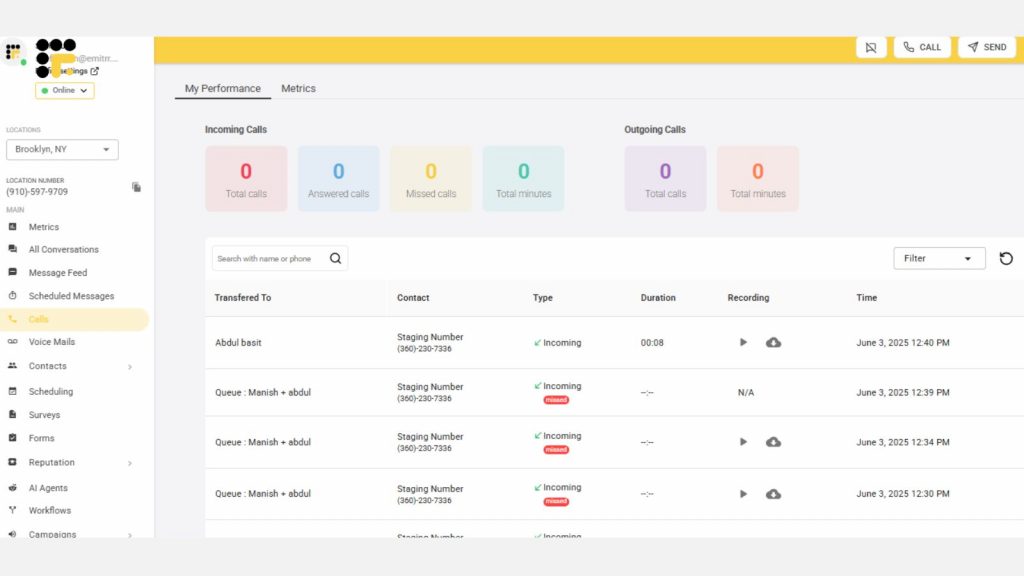
Emitrr is designed specifically for healthcare with a unique focus on unified patient communications to allow clinics to thrive by engaging with their patients. Emitrr is a VoIP and messaging platform. It is HIPAA compliant and is focused on modern, profitable clinics. The entire suite of functionality is focused on responsiveness, efficiency, and integration in real time with workflows in the clinic. The skill set of the Emitrr platform is a powerful, HIPAA-compliant VoIP offering and the new gold standard for primary care.
Key Features of Emitrr:
- Single, easy-to-use dashboard for calls, texts, and voicemail management.
- Customizable auto attendants (IVR) and smart call routing.
- Voice-to-text voicemails for a true voicemail trail.
- Unique missed call and text reply automations.
- Automatic appointment reminders (text/voice).
- Flawless EHR/PMS integrations (1000+ integrations with: Athena Health, Epic, eClinicalWorks, NextGen).
- Smart AI functions also add productivity boosting tech such as predictive call handling.
- Scalable multi-site support.
- It is accessible across platforms (mobile, desktop, web) for remote and in-clinic use.
- Quick onboarding and easy-to-use interface.
- Call Recording (Cross-device compatible)- [with permission control].
- Advanced call analytics and reporting.
Pros of Emitrr:
- The healthcare-specific design promotes compliance and incorporates targeted workflows in the clinic.
- It follows HIPAA compliance with a signed BAA.
- It can roll out these features quickly with no lapse in operation for your patients. Device integration is available via desktop, mobile, etc.
- Very dependable at 99.99% uptime.
- The customer service is impeccable, and you are immediately assigned a dedicated person to support you.
Cons of Emitrr:
- Some of the high-level cutting-edge AI features are still being undertaken for healthcare-specific use cases.
Emitrr Pricing:
Starts from $30/user/month.
Emitrr Reviews:
4.8/5
Emitrr Integrations:
Athena, eClinicalWorks, Kareo, Dentrix, Epic, NextGen, etc.
Emitrr Support Channels:
Phone, Email, Chat, Dedicated onboarding
2. RingCentral
Overview:
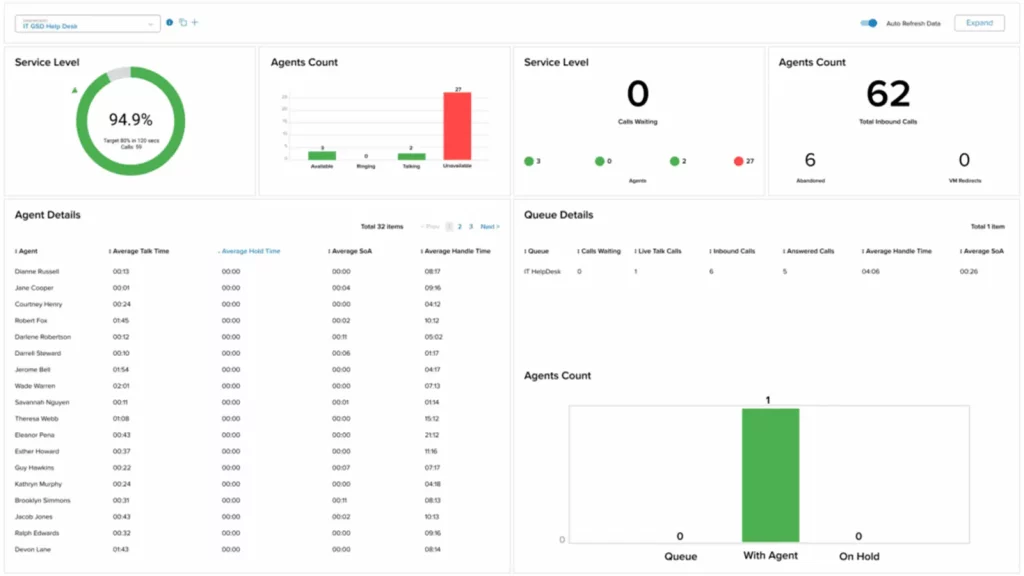
RingCentral is a comprehensive cloud communications platform delivering a full enterprise-grade VoIP solution that is HIPAA-compliant and flexible enough for healthcare organizations of all sizes. Clinicians can take advantage of the entire communication toolset with voice, messaging, and video conferencing all available on a single platform.
Key Features of RingCentral:
- VoIP calling, team messaging, and video conferencing
- Advanced IVR and auto-attendant
- Call analytics and reporting capabilities
- Ability to integrate more than 300+ third-party apps
- Call queues and call recording are accepted
- Available on a single centralized dashboard
- SMS and MMS messaging
Pros of RingCentral:
- Extremely reliable with 99.999% uptime.
- Full-featured to meet a complete communication vision.
- Strong security and compliance features.
- Really good third-party integrations with multiple business and healthcare apps.
- Highly scalable to clinics with extreme complexity and size.
Cons of RingCentral:
- It can be costly for small practices.
- The learning curve can be steep on some of the more advanced features.
- Customer support can be slow at times.
RingCentral Pricing:
Starting at $19.99/user/month.
RingCentral Rating:
4.8/5
RingCentral Integrations:
Epic, Athenahealth, Salesforce, etc.
RingCentral Support Channels:
Phone, chat, and email support 24/7.
3. Nextiva
Overview:
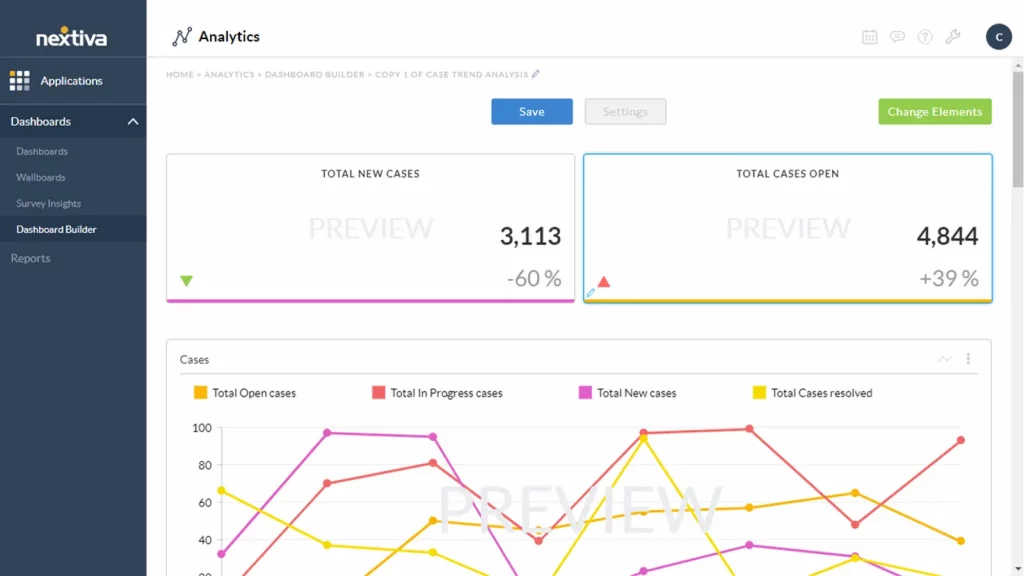
Nextiva is a leading cloud-based, unified communication platform that focuses on customer experience. The VoIP platform for healthcare includes functionality to assist with patient communication and office management alike, positioning it as a good phone system for a medical office.
Key Features of Nextiva:
- VoIP calling and unified communications
- Video conferencing and team messaging
- Smart call routing & voice transcription
- HIPAA-compliant features
- Call analytics and reporting
- Auto-attendant and IVR
- Call recording
Pros of Nextiva:
- Easy to use interface; great customer support
- Comprehensive reporting and analytics.
- Reliable service with high uptime.
- Strong focus on unified communications.
- Suitable for different sizes of business
Cons of Nextiva:
- Complexities around tiers and add-ons can quickly muddy the pricing waters.
- Call quality issues for certain users.
- Not as specific to healthcare as many specialized providers.
Nextiva Pricing:
Starts around $20/user/month.
Nextiva Reviews:
4.4/ 5
Nextiva Integrations:
Salesforce, Microsoft Teams, etc.
Nextiva Support Channels:
24/7 phone, online assistance.
4. Dialpad

Overview:
Dialpad is a state-of-the-art, HIPAA-compliant communication platform that leverages some very intuitive AI to be a mobile-first product offering. It provides AI-powered “Voice Intelligence” based services to call transcriptions and a suite of real-time insights on how patient engagement can be enhanced, which in turn could help with training the staff.
Key Features of Dialpad:
- AI-powered voice transcription
- Video meetings and team messaging
- Automated call routing and IVR
- EHRs Integration and Other Tools
- Call recording and analytics
- Mobile-first design for on-the-go access
Pros of Dialpad:
- Real-time AI-Powered Insights
- Very reliable, simple, and efficient user interface.
- Install and use everything on any device, very seamless.
- Great functionality for every modern communication.
- Excellent for managing your patient calls and staff training.
Cons of Dialpad:
- Costs can be higher than some other options.
- Some inconsistencies were mentioned with customer service.
- The number of participants on the standard plan can be limited for video meetings.
Dialpad Pricing:
Starting in the range of approx. $15/user/month on a standard plan.
Dialpad Reviews:
4.3/5
Dialpad Integrations:
Athenahealth, Salesforce, Microsoft 365, etc.
Dialpad Support Channels:
24/7 support via web and phone.
5. 8×8

Overview:
A unified communications as a service (UCaaS) provider that combines every communication function for healthcare practices into a single solution. 8×8 focuses on combining voice, video, chat, and a contact center into a single, compliant solution that is easy to manage. A great option for a large hospital phone system that can scale, especially.
Key Features of 8×8 :
- Enterprise-grade VoIP, video conferencing, and team chat
- Contact center solution
- Advanced analytics and reporting
- HIPAA and TCPA compliant
- Advanced IVR and call routing
- Global calling and international presence
Pros of 8×8:
- Great international calling capabilities, especially for large clinics
- Strong ERP functionality for larger clinics
- Very reliable service with a competitive price point for SMBs
- Everything on one platform
- Good for consolidating multiple tools
Cons of 8×8:
- The user interface is dated
- Some users struggle with initial configuration
- Inconsistent customer support
8×8 Pricing:
Pricing is dependent on plan and features.
8×8 Rating:
4.6/5
8×8 Integrations:
Salesforce, Microsoft Teams, Zendesk
8×8 Support Channels:
24/7 phone, email, and live chat.
6. Vonage

Overview:
Vonage Business Communications (VBC) is a customizable and scalable VoIP solution designed for the healthcare industry. The MFive platform is incredibly feature-rich with a host of capabilities for both unified communications and telehealth, which makes it an ideal solution for any customizable phone system for healthcare.
Key Features of Vonage:
- VoIP calling, video conferencing, and team messaging
- Virtual receptionist and call recording
- Integrations via a powerful API
- Mobile and desktop apps
- Secure faxing
- Advanced call routing
- Real-time analytics
Pros of Vonage:
- Full of add-ons (no, not paid) and is highly customizable
- Sharp APIs for developers and custom integrations.
- Solid service with great uptime
- Scalable for growing practices.
- Ideal for clinics with tailored needs
Cons of Vonage:
- Extra features can bump the price up considerably.
- The pricing structure is confusing for some users.
- Customer support quality can vary.
Vonage Pricing:
Begins at approximately $19.99/line/month.
Vonage Reviews:
4.3/5
Vonage Integrations:
Salesforce, Microsoft 365, etc.
Vonage Support Channels:
24/7 live support through telephone, Email, and Chat.
7. Ooma

Overview:
Ooma provides a cost-effective and easy-to-use VoIP solution for small to medium-sized businesses. Though not a healthcare-specific solution, its business-oriented functions and cheap cost have made the system all the more popular among smaller primary care clinics searching for an uncomplicated yet dependable phone system.
Key Features of Ooma:
- Virtual receptionist and call forwarding
- Mobile app
- Call blocking and call recording.
- Voicemail transcription
- Add-on: HIPAA compliance options
- Video conferencing
- SMS messaging
Pros of Ooma:
- Extremely cheap pricing stands out most to budget clinics.
- Simple and easy to set up.
- Service is decent and calls sound fine.
- Excellent customer service.
- No long-term contracts required.
Cons of Ooma:
- Less advanced functionality and integration as compared to other solutions.
- This is an optional extension that adds HIPAA compliance support to Zephyr but is not by default part of the application.
- More general rather than healthcare clinic-specific
Ooma Pricing:
$19.95/user per month and up
Ooma Rating:
4.5/5
Ooma Integrations:
Google, Office 365, Salesforce.
Ooma Support Channels :
Live Chat, Email, and Knowledge Base
8. CloudTalk
Overview:
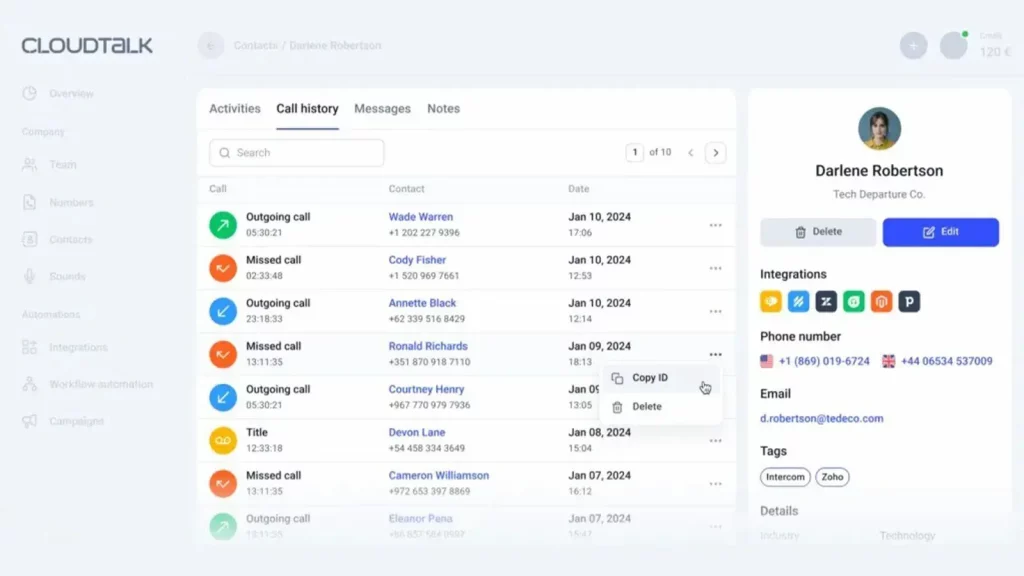
CloudTalk is a cloud-based call center solution that can be customized for use in primary care clinics. It highlights intelligent call routing, analytical reporting, and many integrations to help clinics manage busy phone systems. All of these aspects make CloudTalk an ideal option for office phone systems in medical offices.
Key Features of CloudTalk:
- Smart call routing and IVR
- Call recording and AI call analytics
- Wide variety of integrations with CRM and EHR
- Agent performance tracking
- Call queuing and waiting room
- Voicemail Drop
- Real-time dashboard
Pros of CloudTalk:
- Great reporting and analytical tools.
- Great for busy call volumes.
- Excellent feature set to manage your calls.
- Well known for excellent customer service.
- Supports and helps grow staff competence.
Cons of CloudTalk:
- It’s complicated for smaller practices.
- Not exclusively for healthcare.
- Expensive depending on your plan.
CloudTalk Pricing:
Open up around $25/user/month.
CloudTalk Reviews:
5/5
CloudTalk Integrations:
Salesforce, Hubspot, Zendesk, etc.
CloudTalkSupport Channels:
Email, phone, live chat.
9. MiCloud Connect
Overview:
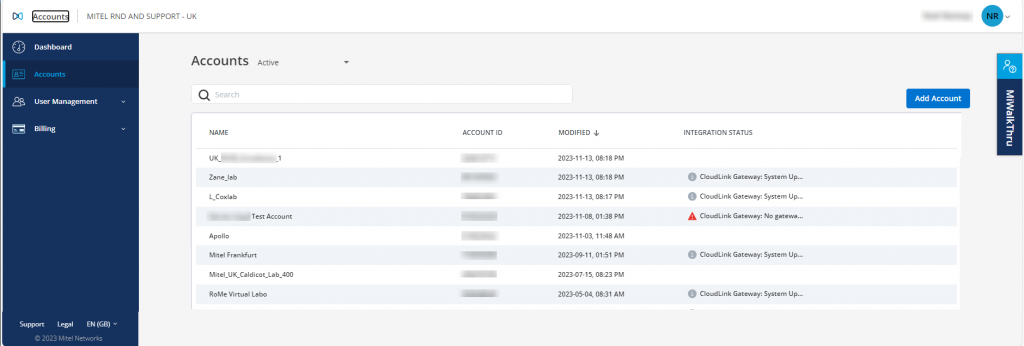
MiCloud Connect (from Mitel) is an all-in-one VoIP and unified communications application that is designed for healthcare. It offers a robust solution that is focused on reliability, security and scalability for larger clinics and hospital networks. An excellent contender for a larger hospital phone system.
Key Features of MiCloud Connect:
- VoIP calling, video calling, and team collaboration
- Contact center, unified communications
- Reporting & Advanced Analytics
- Workflows with custom automation
- Mobile and desktop app
- Auto-attendant, IVR
- Voicemail to email
Pros of MiCloud Connect:
- Very reliable with High uptime.
- Security features exceed compliance standards.
- Scalable for use with large organizations.
- Location agnostic, as multi-site is fully supported.
- Comprehensive features for enterprise-level applications.
Cons of MiCloud Connect:
- It may be financially out of reach for small practices.
- The user interface may be overly complex for a new user to navigate.
- Some integrations require technical setup.
MiCloud Connect Pricing:
Quote-based pricing.
MiCloud Connect Reviews:
4.5/5
MiCloud Connect Integrations:
Salesforce, Microsoft, etc.
MiCloud Connect Support Channels:
Call center support available 24/7 and an online knowledge base.
10. RingRx
Overview:
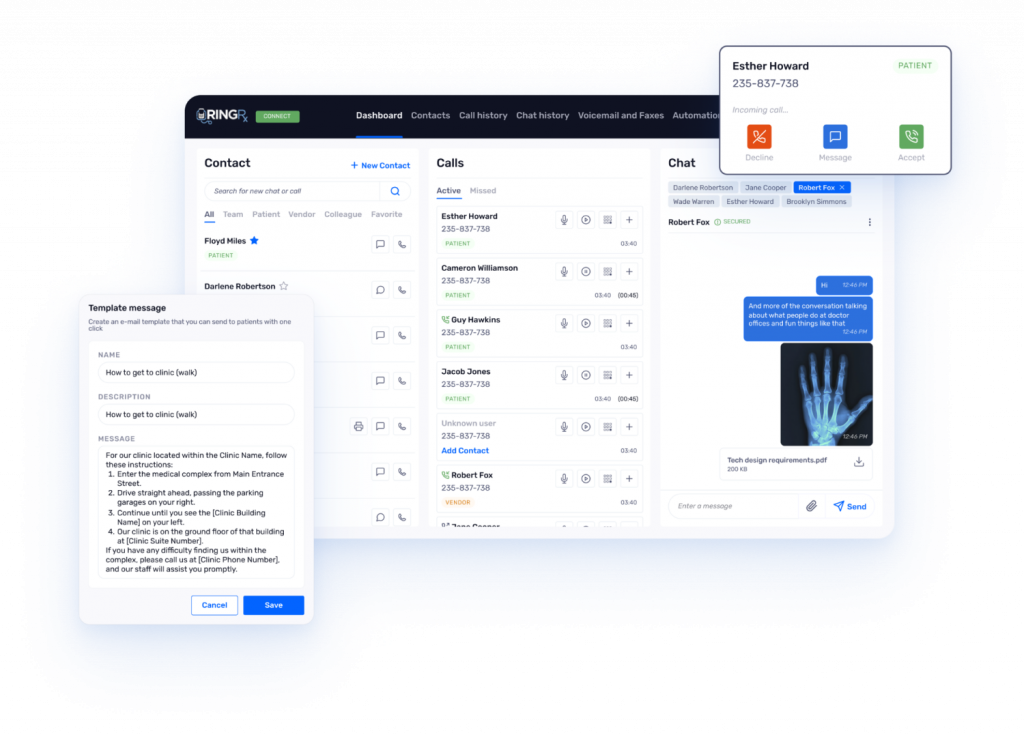
RingRx is a VoIP solution that is built for the healthcare sector, and only the healthcare sector. It was designed from the ground up to be an easy, secure, HIPAA-compliant, and scalable phone system with features tailored to the needs of medical practices of all sizes, and is one of the best HIPAA-compliant VoIP systems available.
Key Features of RingRx:
- HIPAA-compliant VoIP service and messaging
- IVR and custom routing
- Voicemail to text
- Secure e-fax service and telemedicine features
- Two-way texting, including secure messaging
- Call recording
- EHR integrations
Pros of RingRx:
- Specifically developed for healthcare.
- Simple user interface.
- Great pricing for medical practices.
- Strong focus on compliance and security.
- Great customer service for medical practices.
Cons of RingRx:
- Not as feature-rich as larger general-purpose providers.
- Some users report random technical issues.
RingRx Pricing:
Pricing starts around $30/user/month.
RingRx Reviews:
5/5
RingRx Integrations:
Many popular EHRs.
RingRx Support Channels:
Phone support, email support, and live chat support.
Why Emitrr Is the Top VoIP Service for Primary Care Clinics
Even though all the options on this list are good, Emitrr is the top HIPAA-compliant VoIP service for primary care clinics for its healthcare-first design, robust features, and extraordinary support.
- HIPAA Compliant and Secure: Full encryption, signed BAA, and audit trail included make it the trusted HIPAA-compliant VoIP provider.
- Primary-Care Workflows: Automates appointment scheduling, follow-ups, post-care calls, and patient recall.
- Unified Communication: Brings calls, texts, and voice-mail into one dashboard.
- Automation: Automatically sends text for missed calls, requests for review after appointments, and updates for patients instantly.
- 1000+ EHR Integrations: Works seamlessly with Athena, Epic, & Kareo.
- Remote and Easy On-Site Management: Manage communications from your desktop or mobile phone anytime, anywhere.
- Speedy Setup: Go live in as little as 24 hours, depending on your needs.
- AI-Enhanced Tools: Smarter routing, voicemail summaries, and call optimization.
- Clear Pricing: Transparent plans with no hidden costs. Reliable Performance: 99.99% uptime and 247 support.
Frequently Asked Questions
Ans: Emitrr and RingRx are two VoIP platforms built for healthcare, and both also supply a signed Business Associate Agreement (BAA).
Ans: Yes, Emitrr, Ooma, RingRx, and other provider plans and pricing suites will work with a small clinic.
Ans: Yes, most of today’s VoIP systems provide 2-way texting, as well as voicemail-to-text features.
Ans: Most VoIP platforms intended for the healthcare industry provide built-in integrations and include onboarding assistance.
Ans: Absolutely, virtually every VoIP provider allows number porting, so you’ll keep your main number.
Conclusion
In 2025, a clinic’s communication system is more than just a phone. It will be a hub for patient engagement and growth, as well as staff and practice efficiencies. Old-school phone equipment seldom fits a modern-day healthcare ecosystem.
With the right VoIP provider to ensure satisfaction, productivity, and scalability, a practice can engage with patients by focusing on HIPAA compliance, integrating with EHRs, and the features built to support healthcare, making a commitment that feeds practice growth.
Most VoIP providers should provide adequate solutions, but Emitrr will provide the best mix of excellent healthcare features, automation, compliance, and client support. Align decisions against the practice’s needs and compare options to choose a system built for your clinic’s future.


 4.9 (400+
reviews)
4.9 (400+
reviews)