
Introduction
Bandwidth alternatives are what non-developer businesses land on when they search for a Twilio-style platform and discover Bandwidth requires a $500 minimum monthly contract and a website verification process before you can do anything. Bandwidth is a carrier-grade API platform used by large enterprises to power their own voice and messaging products, and it’s a strong choice for that use case. If you’re a business owner who just needs business phone and texting without an API integration project, these alternatives are ready to use from day one.
AI Summary
- Bandwidth is a carrier-grade API platform with a $500 monthly minimum; it powers large platforms, not small business teams.
- This blog is for businesses that found Bandwidth in a developer comparison and realized it is not a self-serve tool.
- Explains what Bandwidth actually requires to get a single text or call working and why most businesses need a layer above it.
- Compares no-code business communication alternatives that deliver the same SMS and voice capability without engineering work.
- Emitrr is the top pick for healthcare teams and SMBs that need texting and calling ready on day one with no API project.
Why Most Businesses Realize Bandwidth Wasn’t Built for Them After Signing Up
- Simpler, Plug-and-Play UI: Teams without telecom backgrounds prefer a simpler set-up and faster onboarding experience than Bandwidth’s developer-heavy workflow.
- Lower Predictable Pricing: Many smaller businesses want plans that are fixed and affordable instead of unwarranted charges based on usage and the customer’s lowest bill each month.
- Safety in Global Presence & Localization: Companies in areas like India, or anywhere in the APAC region, require better local support, a stronger presence with access to numbers in certain countries, and less expensive voice/SMS options.
- Richer Multichannel Options: Businesses are looking for things like chat, WhatsApp, and video features instead of voice and SMS. They are comparing Bandwidth to its competitors, which has ramifications.
- Industry-Specific Tools: Many industries and verticals are looking for a Bandwidth competitor that can offer healthcare-specific tools or retail-specific tools for compliance reasons or built-in automation.
- Simplified Tech Stack: If you are moving from multiple tools that give you voice, SMS, and Analytics all on one platform, it may lead to the examination of Bandwidth alternative APIs for a simplified tech stack.
What No-Code Business Texting and Calling Should Look Like Without an API Project
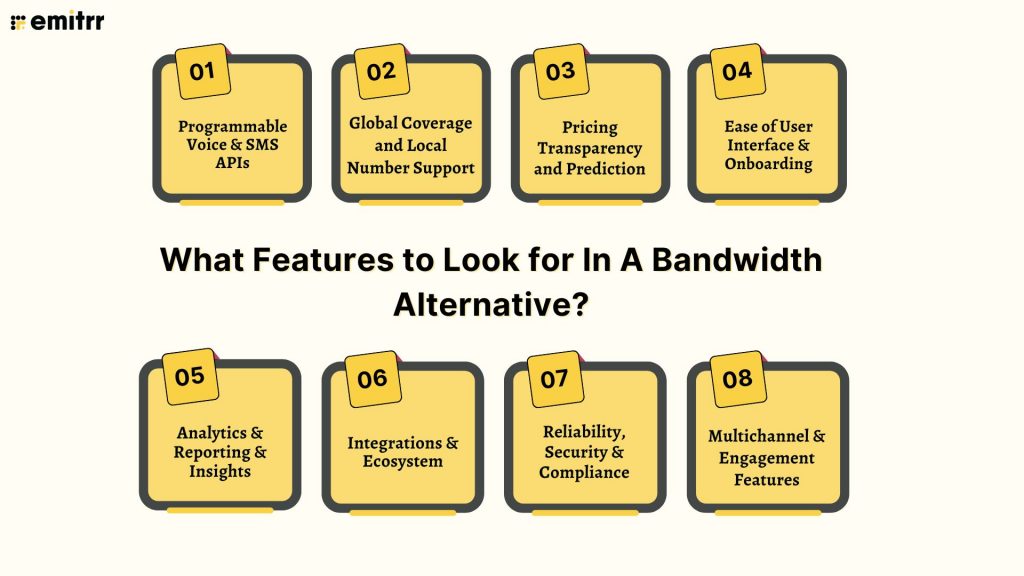
Programmable Voice & SMS APIs
You’ll want solid APIs to build, integrate, and automate calls and messages. Ensure the services you are looking at can support things like call routing, call transcription, and SMS campaigns.
Global Coverage and Local Number Support
If your business has clients around the world, ensure that services are available that will allow local numbers in the countries you are working in. Local and toll-free number availability, along with reasonable rates, are important too.
Pricing Transparency and Prediction
You will want to look for a planned or pricing model that is clear and predictable on a per-minute/message/user basis.
Ease of User Interface & Onboarding
Non-technical individuals should have access to usable dashboards, reporting, analytics, and templates. Not merely an API-first experience.
Analytics & Reporting & Insights
If you’re tracking calls/messages, response times, engagement, and ROI- avoid the weak reporting features since they don’t help you optimize.
Integrations & Ecosystem
You want to integrate into your CRM (ideally), marketing, helpdesk, and automation tools (for example, Hubspot, Salesforce, Zapier).
Reliability, Security & Compliance
When working with sensitive data, look for solid uptime/SLA, solid encryption, and compliance (for example, HIPAA, GDPR).
Multichannel & Engagement Features
Aside from voice & SMS, prioritize 2-way texting, MMS, WhatsApp/chat, campaign workflows, and review automation.
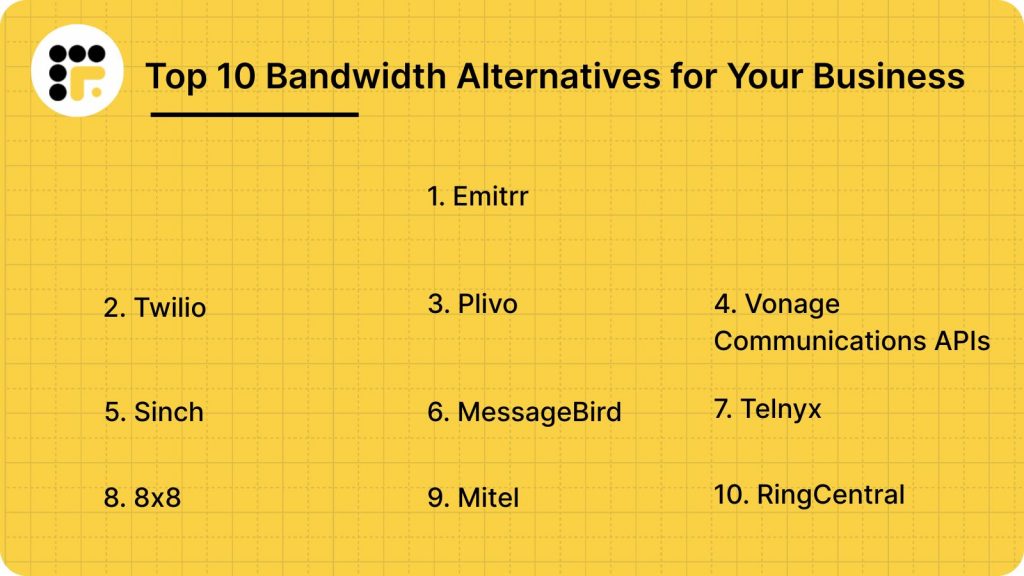
10 Best Bandwidth Alternatives
- Emitrr
- Twilio
- Plivo
- Vonage Communications APIs
- Sinch
- MessageBird (Bird)
- Telnyx
- 8×8
- Mitel
- RingCentral
1. Emitrr: Best Bandwidth Replacement
Overview:
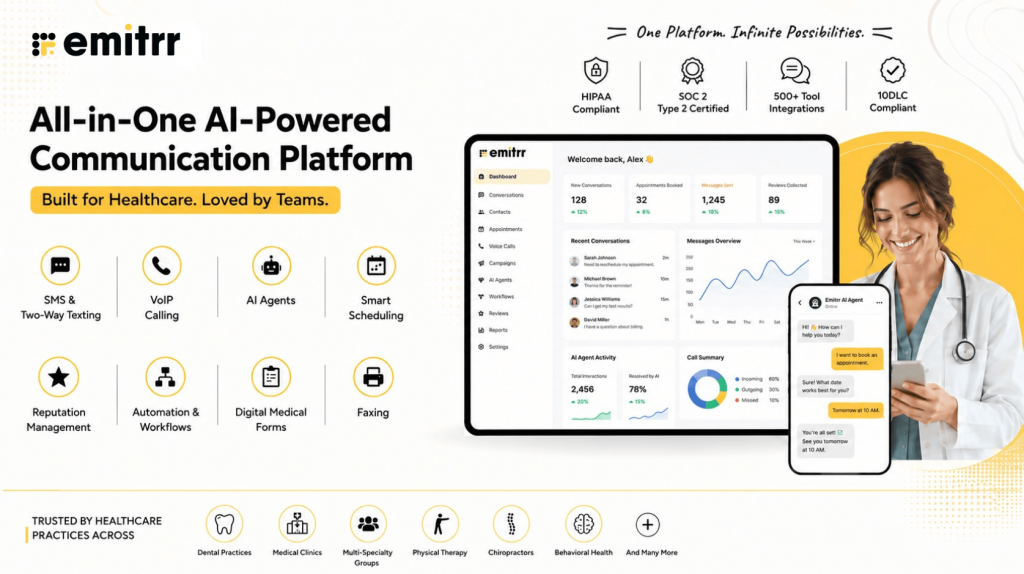
Emitrr is more than just a communication platform, it’s an entire customer engagement platform developed for local business owners, multi-location teams, and healthcare providers. It transcends the constraints of a standard API that provides access to an app from the internet by providing robust two-way text, marketing automation, review management, and HIPAA-compliant messaging with signed BAAs. If you’re the kind of business that wants more growth and better ROI than raw infrastructure, then Emitrr is your pitch-perfect alternative and a real Bandwidth competitor for front-office activities!
Emitrr Features:
- Auto Texting: Automated missed call messages, request reviews, scheduled SMS blasts, and payment links without lifting a finger.
- Encrypted Messaging: HIPAA-secure messaging threads with signed BAA for PHI sharing patient health information.
- AI Agent: An intelligent virtual assistant that addresses routine queries and enables automating replies, so no call or message is left unanswered.
- Appointment Management: Streamline scheduling with self-scheduling links and automatic reminders that cut no-shows in half.
- Call Management Suite: It has Voicemail Transcription, Call Encryption, and Smart Call Routing/Auto-Attendant & full Call Analytics.
- Engage Customers: Allows you to send bulk/group texts and two-way conversations in real time, enhancing customer relations.
Emitrr Pros:
- Everything in One Place: Putting calling, texting, marketing, and reputation management, all safely and securely together into a single place.
- Industry Focus: Customized features and compliance (HIPAA) for healthcare, home services (plumbing, HVAC, etc.), and multi-location businesses.
- Revenue Growth Focused: Products built to grow bookings, generate reviews, and increase retention, not just communicate.
- Great Call Quality: Provides high-definition (HD) voice quality, with a user-friendly and intuitive interface.
- High Scalability and Support: Earth‐focused with 99.99% uptime SLAs and 24/7 support around the clock.
Emitrr Cons:
- Advanced VoIP Development: Complex global routing for pure high-volume CPaaS may be evolving more slowly than in the land of pure API vendors.
Emitrr Pricing:
Emitrr has two fee options for their VoIP system and customer engagement platform:
- Standard: $25 per month
- Professional: $35 per month
Emitrr Integrations:
500+ integrations with top industry software: MailChimp, Denticon, AthenaHealth, Zapier, Salesforce, and HubSpot.
Emitrr Support Channels:
Live Chat, Telephone, Email, Knowledge Base, SMS.
Emitrr Ratings:
4.8/5
Emitrr Reviews:
“Overall very positive… service works like I need it to, customer service is amazing, up-time is great.”
“SMS marketing works… we manage reviews in one place; lots of features.”
Source: Capterra
2. Twilio

Overview:
The most well-known Bandwidth competitor after Emitrr is probably Twilio, which provides a large, very powerful collection of voice, video, and messaging APIs. Bandwidth may own its network, but they are not necessarily focused on being the end-all be-all developer platform that Twilio strives to be across everything from simple SMS to complex services like Twilio Flex contact center. The typical battle between Bandwidth vs Twilio is network ownership (Bandwidth) versus developer freedom and platform ecosystem (Twilio).
Twilio Features:
- Programmable Voice/SMS/Video, APIs: A way for developers to create virtually any communication workflow.
- Twilio Flex: A completely programmable contact center platform in the cloud.
- IoT & Email: Includes APIs for email marketing (SendGrid) and connectivity to the Internet of Things.
- Serverless: Functions to run code without managing a server.
Twilio Pros:
- Large Ecosystem: Largest CPaaS developer community, extensive documentation, pre-built apps.
- Unparalleled Flexibility: If you can imagine it, you can create it using Twilio’s APIs.
- Universal Reach: Very good message and voice coverage worldwide.
Twilio Cons:
- Bill Shock: Pay for what you use pricing can be very expensive and hard to predict at scale / with premium features.
- Complexity: Difficult to learn; little changes often require a developer.
- Support: Basic support is accused of being slow or self-service.
Twilio Pricing:
Twilio pricing is as follows:
- Pay-as-you-go: From $0.0085/min for voice, $0.0075/SMS.
- Twilio Flex: Pricing begins at $1/ 1/active user/hour, or $150/user per month for named users.
- Enterprise: Custom contract pricing available.
Twilio Integrations:
Almost limitless via APIs, and native integrations with Salesforce, Zendesk, HubSpot, and thousands of others across the expansive Twilio Exchange.
Twilio Support Channels:
Industry Standard Self-Service Documentation Forums Ticketing Premium Support (Paid).
Twilio Ratings:
4.3/5
Twilio Reviews:
“Good platform for communication—many tools for SMS, calls, and API; stable, easy to connect.”
“Great docs and clear dashboard, though pricing can feel high and support replies slowly.”
Source: G2
3. Plivo

Overview:
Plivo is a direct, developer-focused Bandwidth competitor geared towards developers; it advertises itself as a cheaper, simpler alternative to the two big players. Plivo provides the key CPaaS features, Voice, SMS, and SIP Trunking, with an emphasis on high deliverability and clear pricing, which makes it a great Bandwidth vs Plivo contender for developers who value that.
Plivo Features:
- Premium Channels: Focus on messaging and voice quality with high deliverability.
- Contact Center: Contacto provides a scalable, cloud-based contact center alternative.
- PHLO (Workflow Builder): It’s a simple drag-and-drop tool to create complex voice and messaging workflows without writing code.
- SIP Trunking: Scalable SIP trunking connections to the cloud for those who still have PBX systems.
Plivo Pros:
- Reasonable Cost: Pricing is very competitive, and in many cases can be offered as a low-cost Bandwidth solution.
- Easy for Developers to Work: With clean, simple APIs and documentation that users like.
- High Delivery: Concentration on high message delivery rates and voice quality.
Plivo Cons:
- Less Sophisticated Products: Does not have as many niche APIs and advanced services (think advanced IoT or dedicated video services) as you’d find at larger competitors.
- Mini Ecosystem: Smaller ecosystem of developers behind it compared to Twilio.
Plivo Pricing:
- Pay-as-you-go: Voice rates similar to or just slightly below those of Twilio/Bandwidth.
- PHLO: Free up to 10,000 requests per month.
- Volume Discount: Available for high-volume users.
Plivo Integrations:
It is great for Salesforce, Zendesk, Pipedrive, and much more through its API.
Plivo Support Channels:
24*7 Phone, Email, Ticket & Documentation Assistance.
Plivo Ratings:
4.5/5
Plivo Reviews:
“Very good SMS provider—great SDK, easy to implement; no downtime in three years.”
“Setup is straightforward; it automates calling and reduces manual work.”
Source: G2
4. Vonage Communications APIs (Now an Ericsson Company)
Overview:
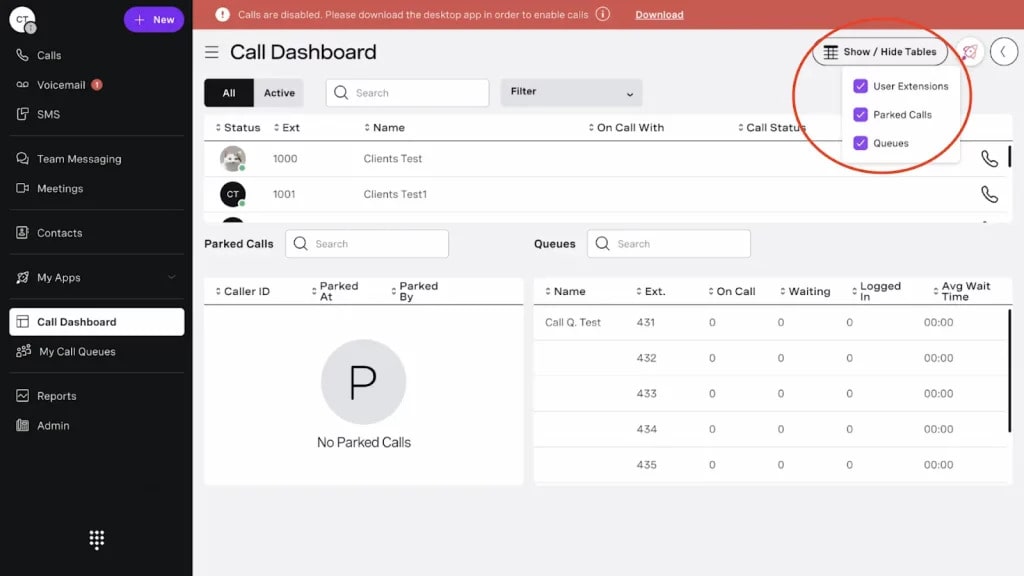
The Vonage APIs (formerly Nexmo) are another robust, lower-latency CPaaS option to Bandwidth. It is being bought out by Ericsson. Vonage develops enterprise API offerings in four core areas: Voice, SMS, and Video, backed up by their AI Studio for automation. Vonage typically focuses on the advantage that Vonage has with more modern channels, such as social messaging APIs and its larger international footprint.
Vonage Features:
- Omnichannel APIs: Programmable APIs for Voice, SMS, In-App Messaging, and channels like WhatsApp and Facebook Messenger.
- Video API: Powerful API for embedding real-time video into applications.
- AI Studio: Low-code/no-code tools to create conversational AI and automated workflows.
- Fraud Prevention Services: Number Insight and other fraud prevention APIs.
Vonage Pros:
- Real Omnichannel: It provides best-in-class support for non-telco-based channels (social messaging) vs pure telco players.
- High Quality Voice & Video: Exceptional high-quality video delivered over the most reliable global voice infrastructure.
- AI & Automation: Capabilities to quickly create sophisticated and intelligent workflows.
Vonage Cons:
- Complicated Pricing: There are so many different API products that it can be hard to ascertain what your total costs should be up front.
- Interface: Changes after acquisition may lead to occasional platform parity issues.
Vonage Pricing:
- Pay-as-you-go: Per-minute/text rates differ based on country and volume.
- AI Studio: Pay as you go for AI exchanges.
- Enterprise: Custom pricing for users with more than 1M searches.
Vonage Integrations:
Salesforce, Microsoft Teams, Zendesk, and HubSpot have open APIs for custom development.
Vonage Support Channels:
Support Tickets, Knowledge Base, Phone Support, Dedicated Account Manager (Enterprise).
Vonage Ratings:
4.4/5
Vonage Reviews:
“API is easy to connect to and stable for calls and SMS; documentation is clear.”
“Through API, it’s easy to use SMS; fast, functional, intuitive dashboard.”
Source: G2
5. Sinch
Overview:
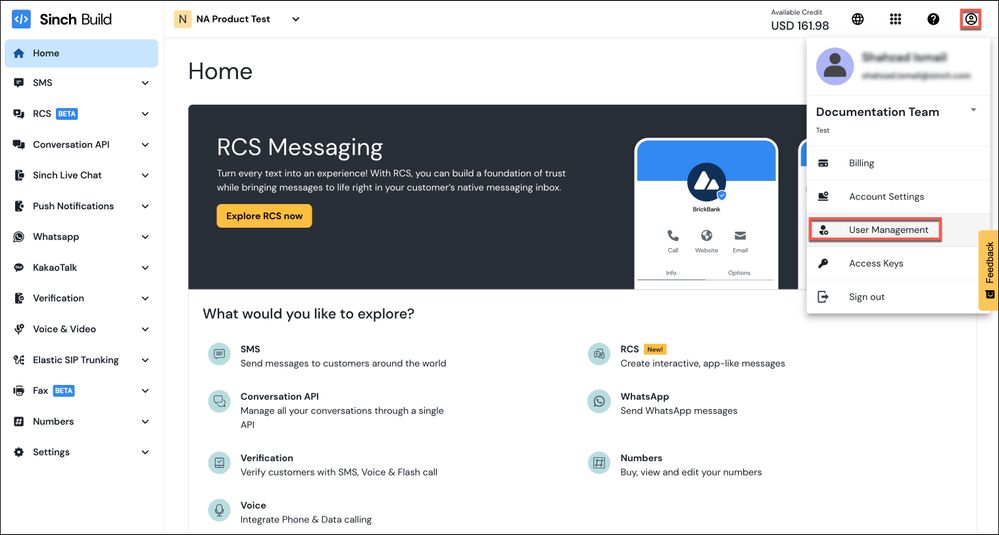
Sinch is a large global player, especially in mobile messaging, which makes it an important Bandwidth competitor for businesses that rely on messaging. Sinch runs a global super-network for messaging, voice, and video, with high-volume services that are delivered to the highest quality. They’re trying to set themselves up as the new Bandwidth alternative that’s trustworthy and reliable, and customer-focused in their messaging.
Sinch Features:
- Messaging API: Large-scale SMS, MMS, and WhatsApp APIs with top-tier global network access.
- Voice & Video: Build immersive in-app or in-browser communication with programmable voice and video APIs.
- Conversation API: A single API to handle conversations for all channels (SMS, WhatsApp, social).
- Validation: Authentication and two-factor validation APIs.
Sinch Pros:
- Strengths in Messaging Quality: Strong emphasis on high message delivery and low latency on a global scale.
- Worldwide Network: It’s one of the largest worldwide super networks that is second to none in Bandwidth competition at all levels of the CPaaS stage.
- Redundancy: Used by hundreds of major global brands and entrusted to deliver mission-critical messages.
Sinch Cons:
- Portfolio Complexity: Growth by acquisition often leads to a fragmented or voluminous product portfolio.
- Video/Voice Secondary: Available but still not the platform’s strong suit.
Sinch Pricing:
- Pay-as-you-go: It delivers mobile voice, SMS, and individual channels like WhatsApp on a pay-as-you-go model.
- Volume Pricing: Custom prices for high-volume, committed use.
Sinch Integrations:
Salesforce, Microsoft Dynamics, Zendesk, and other custom API integrations.
Sinch Support Channels:
24/7 support, Partner phone support, Resource database.
Sinch Ratings:
4.5/5
Sinch Reviews:
“Sinch is a very helpful and easy-to-use business messaging tool. It is very effective for campaign scheduling and chatbots …”
“Services are reliable and stable — call quality is very good; API documentation is good, though customer support response times take long at times.”
Source: G2
6. MessageBird (Bird)

Overview:
MessageBird (rebranding as Bird) is a worldwide Bandwidth competitor concentrating on “Omnichannel Customer Experience” and so-called conversational commerce. They offer an all-in-one system they call “Bird,” which combines various CPaaS APIs with video and voice: Flow Builder (a visual flow editor) and Inbox (a customer service platform). This makes them more or less a complete, but slightly hybrid/less developer-focused Bandwidth alternative.
MessageBird Features:
- Omnichannel APIs: Voice, SMS, WhatsApp, WeChat, RCS, and much more.
- Flow Builder: A visual, low-code tool to construct communication flows (IVRs, sequences of messaging).
- Inbox: A team-driven and intuitive customer service application that keeps everything in a single location, no matter what channel it comes from.
- Campaigns: Ability to utilize campaign tools for personalized, mass messaging.
MessageBird Pros:
- Strong CX Focus: Flow Builder is a great tool for helping non-developers create complex CX workflows.
- Omnichannel Coverage: Top-tier support for global and social messaging channels.
- Single Platform: CPaaS/SaaS tools work well together for the full month.
MessageBird Cons:
- Complexity in Pricing: Many tools and APIs, a multitude of possible costs to calculate.
- Less Mature Voice: While voice features are growing, they do not yet run as deep as messaging and are thus less of a direct Bandwidth competitor for voice calls.
MessageBird Pricing:
- Pay-as-you-go: Pricing varies by channel and geography.
- Software Fees: Different subscription levels for products such as Inbox and Flow Builder.
MessageBird Integrations:
Zendesk, Salesforce, HubSpot, Shopify, and open APIs.
MessageBird Support Channels:
Ticketing System, Dedicated Support (Paid Plans).
MessageBird Ratings:
4.5/5
MessageBird Reviews
“The best communication service provider… excellent API provider for Text Messages (SMS), WhatsApp integration and audio calls.”
“Absolutely buggy … SMS would not send, email would not send. We cancelled the contract.”
Source: G2
7. Telnyx:
Overview:
Telnyx is trying to be a “developer-first” API that combines a global private IP network (like Bandwidth) with modern, programmable CPaaS APIs (like Twilio). They focus on low, transparent pricing and their own private network backbone: the “Telnyx Intelligent Global Network.”
Telnyx Features:
- Elastic SIP Trunking: A feature-rich public cloud version of a while-label carrier to connect existing PBX to the cloud.
- Messaging & Voice APIs: Telephony is covered with programmable voice, SMS, and fax APIs.
- Call Control: Advanced capabilities to control complex call flows and IVR.
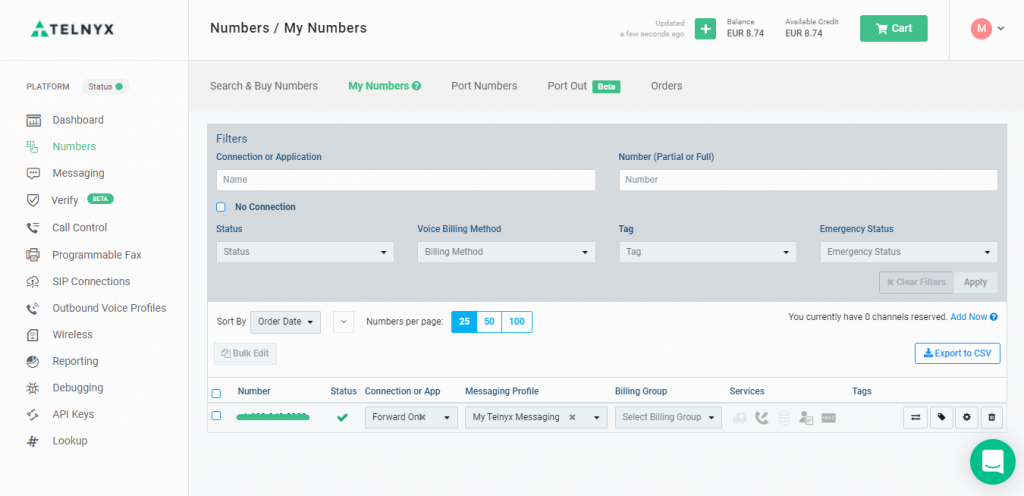
- Mission Control Portal: An easy-to-use web portal interface for adding numbers, viewing logs, and provisioning services.
Telnyx Pros:
- Global Network Ownership: With a self-owned network, they ensure that quality is maintained and that it’s also resilient, which makes it a great Bandwidth vs competitor cost play.
- Price Transparency: As a rule, very transparent low per-minute rates for high-volume voice and messaging traffic.
- GrooveHQ Developer Experience: Excellent API docs and easy to integrate.
Telnyx Cons:
- Rogue SaaS: Small Degree (~10%) of Competing with/Infringing on Full Engagement Platform: Status like Emitrr and some UCaaS/CCaaS services; not staying in its lane, primarily an API tool.
- Less Advanced Integrations: Although the basic integrations are present, there is less of an app ecosystem than Twilio.
Telnyx Pricing:
- Pay-as-you-go: Highly competitive, volume-based pricing.
- SIP Trunking: Incredibly competitive per-minute calling.
- Porting: Free porting of numbers.
Telnyx Integrations:
Salesforce, Microsoft Teams, FreePBX, Asterisk, and custom API integrations.
Telnyx Support Channels:
24/7 Live Chat, Phone Support, and Technical Account Management.
Telnyx Ratings:
4.7/5
Telnyx Reviews:
“Developer-friendly; let us build in-browser calling—workflow is seamless and efficient.”
“Stable connections, clear audio; intuitive number management and easy setup.”
Source: G2
8. 8×8 Communications API
Overview:
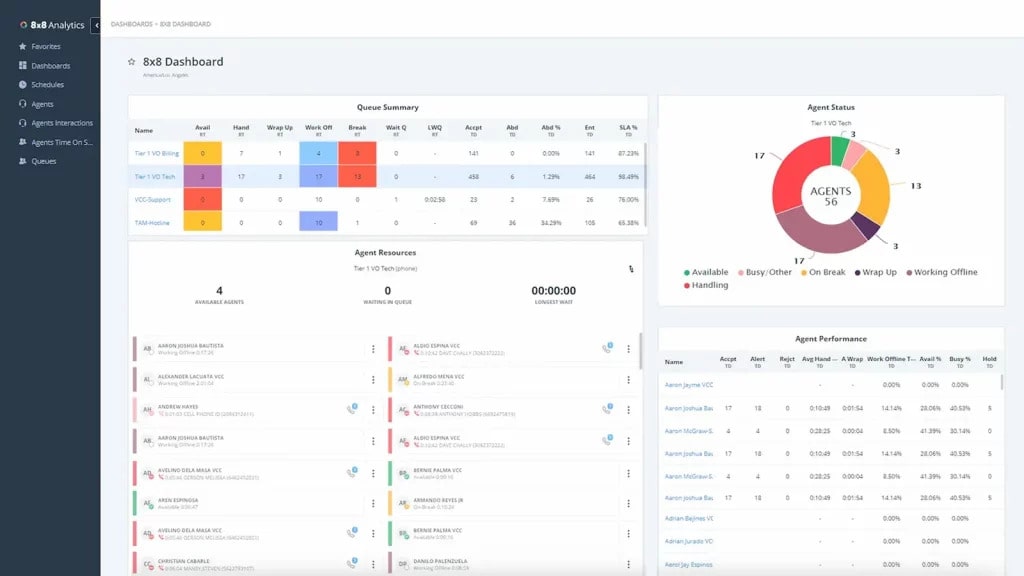
8×8 is most commonly recognized for its Unified Communications (UCaaS) and Contact Center (CCaaS) solutions, but they also have their own proprietary Communications API (no-code CPaaS), which represents a direct Bandwidth competitor. This API enables companies to develop and businesses to network their own robust voice, video, and messaging applications on top of our global cloud platform for more uptime reliability.
8×8 Features:
- No-Code CPaaS: APIs for voice, high-volume SMS, and video that are accessible to both developers and business users.
- Jitsi as a Service: High-quality video API to embed real-time video into your product.
- Omnichannel Routing: APIs that route calls and messages based on agent skills with 8×8’s CCaaS intelligence.
- Authentication & Fraud: Products for ensuring trust and identifying users.
8×8 Pros:
- UCaaS/CCaaS Integration: Smooth integration from CPaaS to a full UCaaS/CCaaS platform.
- Enterprise Reliability: Supported by a big, established enterprise communications company with a 99.999% platform-wide uptime SLA.
- Worldwide: Impressive coverage of number support spanning 120+ countries.
8×8 Cons:
- Price Opacity: Prices for the pure CPaaS APIs can sometimes be quoted and less transparent compared to pure-play CPaaS vendors.
- Feature Overlap: The CPaaS can, at times, be a bit lost in visibility under the huge UCaaS/CCaaS suite.
8×8 Pricing:
- APIs: Quote API usage to CPaaS.
- UCaaS/CCaaS: Graduated subscription offerings (like X2, X4, and X6) for full stacks that cost roughly $24/user per month upward.
8×8 Integrations:
Salesforce, Microsoft Teams, Google Workspace, Zendesk, and a large network of partners.
8×8 Support Channels:
24/7 Technical Support, Help Desk Ticketing, Dedicated Account Manager.
8×8 Ratings:
4.2/5
8×8 Reviews:
“Calling Quality and uptime are good, and we can customize the settings as per our requirements.”
“The system is extremely reliable and easy to use.”
Source: G2
9. Mitel

Overview:
Mitel is a household name in the enterprise communication landscape, serving the PBX and UCaaS space primarily. Their CPaaS product (Mitel Summit) is developed to enable organizations, including large enterprises, to embed custom communication workflows within their current Mitel systems and business apps. It stands in as a potent Bandwidth alternative for businesses already existing within the Mitel universe or those that require full telephony management.
Mitel Features:
- Mitel Summit: API-based RESTful voice/SMS/email for automated communications.
- Call Control: Rich APIs to easily build around and manage higher-level grouping logic such as conference bridging, leg transfers, or queuing.
- Telephone Customization: Tools to enable phone experience integration deep into your proprietary applications.
- Live Analytics: APIs to access communication amidst your business intelligence.
Mitel Pros:
- Deep Telephony Control: Provides a high level of control over call routing and advanced PBX features with APIs.
- Reliable Enterprise Vendor: Global/Enterprise company ensures the highest reliability & security.
- Hybrid Solutions: These are for organizations that have a combination of on-premises and cloud communications.
Mitel Cons:
- More Business-Oriented: There is less of a community and documentation around their API compared to pure-play CPaaS vendors.
- UCaaS Overhang: The platform is deeply integrated with Mitel’s overarching UCaaS/PBX product line.
Mitel Pricing:
Custom Quote: Pricing is mostly custom quoted depending on the size of your deployment and integrations.
Mitel Integrations:
Mitel’s own UCaaS/CCaaS solutions, Salesforce, Microsoft Teams, and custom API connections.
Mitel Support Channels:
Global Partner Network, Technical Support Line, Customer Portal.
Mitel Ratings:
4.5/5
Mitel Reviews:
“Great call quality, and very easy to manage. Support has been generally quick and helpful.”
“The GUI from the agent perspective … easy to use; the back-end configuration is easy to use.”
Source: G2
10. RingCentral Communications APIs
Overview:
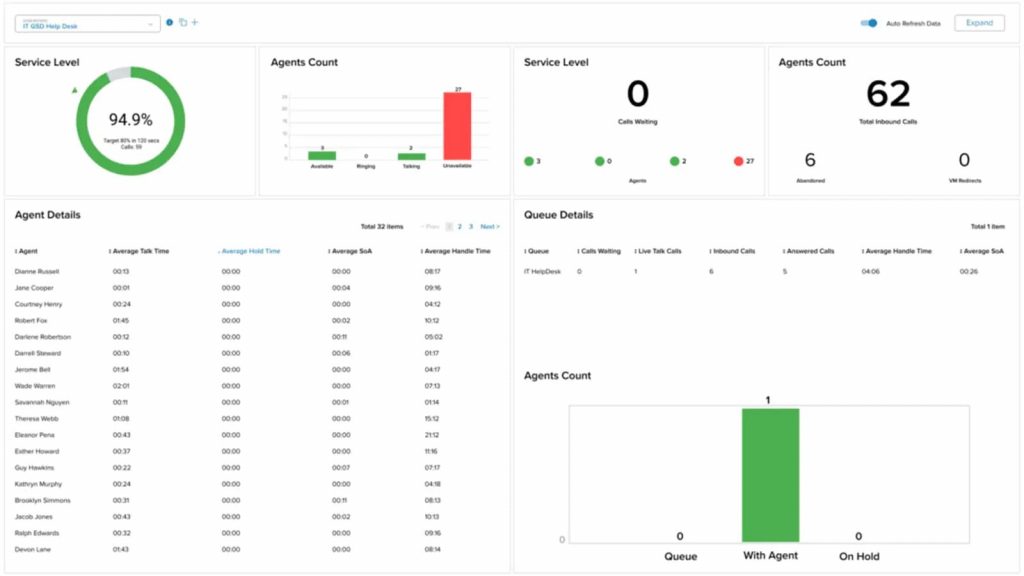
Similar to 8×8, RingCentral is a UCaaS (Unified Communications as a Service) behemoth whose Communications APIs present a strong Bandwidth alternative for businesses that need voice, video, and messaging embedded into their own workflows. RingCentral’s API platform is built on its carrier-grade cloud, which features high availability and scale to ensure developers have a secure and reliable infrastructure.
RingCentral Features:
- Voice, SMS & Fax APIs: Send/receive Calls, SMS/MMS, and manage digital faxing with/ APIs.
- Video API (RingCentral Video): Embeddable video conferencing and webinar features.
- Notification & Alerts: A dashboard for push alerts and notifications in the business application.
- Analytical APIs: APIs for fetching the detailed logs of calls and messages to generate custom reports.
RingCentral Pros:
- Enterprise Reliability: Very high uptime and a geographically distributed, secure network.
- Quick Integration: APIs are well-documented, and it’s easy to integrate with widely used enterprise software.
- Single Ecosystem: Makes it easy to scale into their complete UCaaS and CCaaS offering.
RingCentral Cons:
- Feature Focus: The platform is primarily focused and oriented around the MVP (UCaaS) suite, resulting in less dedicated focus on the CPaaS APIs than with pure-play vendors.
- Costly Solution: It is branded as a premium, possibly diminishing its status as a cheap Bandwidth option.
RingCentral Pricing:
- Pay-as-you-go: Usage-based pricing for APIs.
- UCaaS/MVP: Tiered contracts for full communications suite; priced at about $20 per user per month.
RingCentral Integrations:
Thousands of other apps via their App Gallery and Open APIs.
RingCentral Support Channels:
24/7 Telephone Support, Live Chat, Developer Resources and Assistance, and User Community Forums.
RingCentral Ratings:
4.3/5
RingCentral Reviews:
“Overall, RingCentral has been a reliable and feature-rich communication solution that supports the needs of both our in-office and remote teams.”
“I like that the system is stable and we can easily access our call logs and records as needed.”
Source: G2
Want to see how RingCentral compares with other solutions? Watch our video for the key takeaways:
How Emitrr Delivers Business Communication for Non-Technical Teams That Twilio and Bandwidth Cannot
- Unified Growth Platform: The all-in-one solution for customer communication, engagement, and marketing in a secure, auditable environment with guaranteed ROI and effortless scaling capabilities.
- More Than Bandwidth for SMS, Engagement: Automates review requests, mass texting, and quick customer follow-ups, great for local & multi-location teams.
- HIPAA-Compliant Healthcare: Keep your messages secure and encrypted, protecting sensitive patient data that should not be accessed or shared.
- Instant Campaigns with Built-in Marketing Automation: Start and run SMS marketing and call campaigns in seconds, just use templates and smart analytics without extra installations.
- Clean Tech Stack: Control calls, text messages, reviews, and marketing from one dashboard to minimize the cost and complexity.
- Revenue-Driven Design: It increases bookings, not to mention reviews and repeat business, and of course, ROI, not just the medium.
- Efficiency with AI: Smart AI agents automate workflows, analytics, and responses to improve customer experiences.
- Redirection: HD Calling Features with Smart Routing provides pristine quality calls, auto-attendants, and instant call transfers to minimize resolution times.
- Integrations: It allows you to work without limits: Integrates with 500+ CRMs and tools, including Salesforce, HubSpot, and Zapier, so data doesn’t get trapped in silos.
What Sectors Does Emitrr Cater To?
- Real Estate: SMS notifications of property sales or rentals, automated follow-ups, and missed-call text outs for higher conversion. Scale up high-volume campaigns to reach prospects at scale.
- Education& Training: Inform parents/students of class updates, emergency alerts & two-way communication for quick responses.
- Home Services (HVAC, Plumbing, Cleaning): Schedule bookings, reminders, ETAs, and feedback so your customers have a smooth time from the moment they call.
- Law Firms: Secure client messaging, call recording, scheduling, and in-the-moment case updates to support compliance and professionalism always.
- Staffing & Recruiting: Accelerate your hiring process with automatic texts and reminders for interviews that ensure candidates stay engaged.
- Healthcare & Dental: Streamline patient communication by using HIPAA-Compliant calls, secure texting, appointment reminders, and review requests cut down on no-show appointments.
Frequently Asked Questions
Ans: A “Bandwidth alternative” is another CPaaS platform that businesses are choosing for better features, pricing, or regional support.
Ans: Consider your needs, voice, SMS, integrations, pricing, and support to compare platforms like Emitrr, Twilio, Plivo, and others.
Ans: Yes, with proper planning for number porting, transitioning workflow, and obtaining migration support from your new platform provider.
Ans: Yes. Many CPaaS platforms today offer great coverage, compliance, and affordable rates for SMS and Voice in India.
Ans: Startups typically lean toward basic, affordable, and user-friendly tools like CallHippo, Aircall, or Emitrr as a unified engagement solution.
Conclusion
If you are assessing a Bandwidth competitor or alternative, the market today has more than enough capable solutions. Whether you prefer a developer-centric solution like Twilio, the global approach of Infobip, or a simple and affordable solution like CallHippo for your startup, or an in-built engagement solution like Emitrr, there is a solution for all types of businesses.
Emitrr stands out as a solution you should consider if you are looking to consolidate automating two-way texting, campaigns, and reviews all-in-one. Identify the goals you wish to accomplish, compare pricing, and test your preference. Book a demo with Emitrr today.


 4.9 (400+
reviews)
4.9 (400+
reviews)