
Introduction
Choosing between Athenahealth vs eClinicalWorks is the most confusing debate when choosing EHR for growing practices. Both are widely used, both offer cloud-based clinical and billing tools, and both claim to improve efficiency. Yet, the everyday experience, such as charting, claims, patient engagement, onboarding, and scheduling, feels drastically different depending on which EHR you use.If you’re considering switching from eClinicalWorks or debating whether Athenahealth can support your practice long-term, this guide compares the two on the basis of usability, reimbursements, automation, patient communication, interoperability, and cost structure.
Quick Comparison: Athenahealth vs eClinicalWorks at a Glance
| Feature | Athenahealth | eClinicalWorks (eCW) |
| Deployment | 100% cloud-based | Cloud + optional server hosting |
| UI & Ease of Workflow | Modern, faster onboarding | Feature-rich but steeper learning curve |
| Billing / RCM | Built-in, automated claims + denials | Optional add-on RCM, manual follow-ups needed |
| Patient Engagement | Strong portal + automated reminders | Portal works but dated UX, lower engagement |
| Support & Downtime | Higher satisfaction, fewer lags | Mixed user reviews, slower ticket turnaround |
| Telehealth | Native + mobile friendly | Native but requires more setup |
| Best For | Small to multi-specialty practices | Larger multi-location groups needing customization |
| Interoperability | Stronger national exchange & partner ecosystem |
1. Athenahealth Pricing Vs. eClinicalWorks Pricing
Athenahealth Pricing
Athenahealth pricing is based on a percent-of-collections + provider fee model, so you only pay when the revenue is collected. This makes costs predictable and directly links pricing to financial outcomes, not software features.
Model comes with:
- Access to EHR & documentation tools
- Automation of billing and claims scrubbing
- Eligibility verification and denial follow-ups
- Patient portal & digital payments
- Telehealth access
- Reporting and analytics dashboards
Because Athenahealth continuously updates payer rules and claim edits at the network level, there is no spend by practices on billing add-ons, clearinghouse upgrades, or separate RCM licenses. This bundled structure turns out to be cost-efficient for clinics looking to minimize admin oversight and avoid fragmented billing tools.
Best fit:
Practices that seek end-to-end billing automation without having to manage multiple subscriptions.
eClinicalWorks Pricing
eClinicalWorks has a module-based fee structure, where core EHR access is one price, but additional tools stack on top of each other.
Variable costs include:
- Cloud vs on-prem hosting
- Patient engagement add-ons
- Telehealth modules
- Optional RCM service
- Setup and training fees
- Additional fees for integration
The modular approach allows flexibility, but as practices grow with more communication tools, uses of telehealth, or analytics needs, the fees can climb. Many clinics start onboarding at a low cost but witness pricing climb once they add automation and patient messaging.
Best fit: Practices looking for full control of modules and who already support in-house billing.

2. Ease of Use & Onboarding: Who Is Faster to Adopt?
Athenahealth
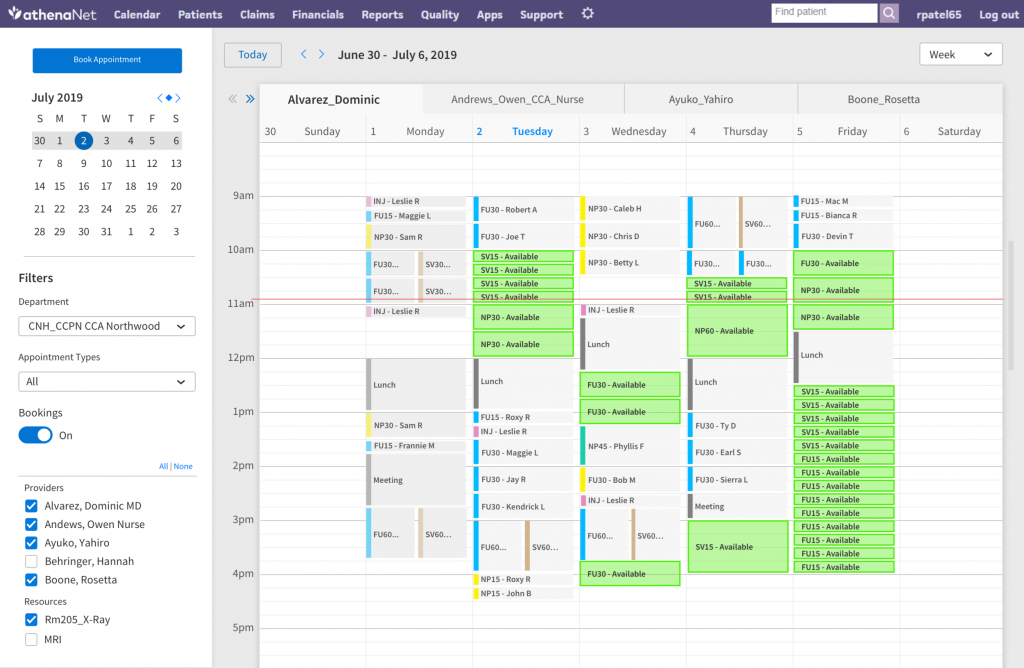
- Minimal training burden
- Templates designed for real-world clinical speed
- Navigation is simpler and lighter
- Less internal IT dependency
Most front desk teams are able to adapt to Athenahealth EHR in under 2 weeks, especially with charting and billing automation.
eClinicalWorks
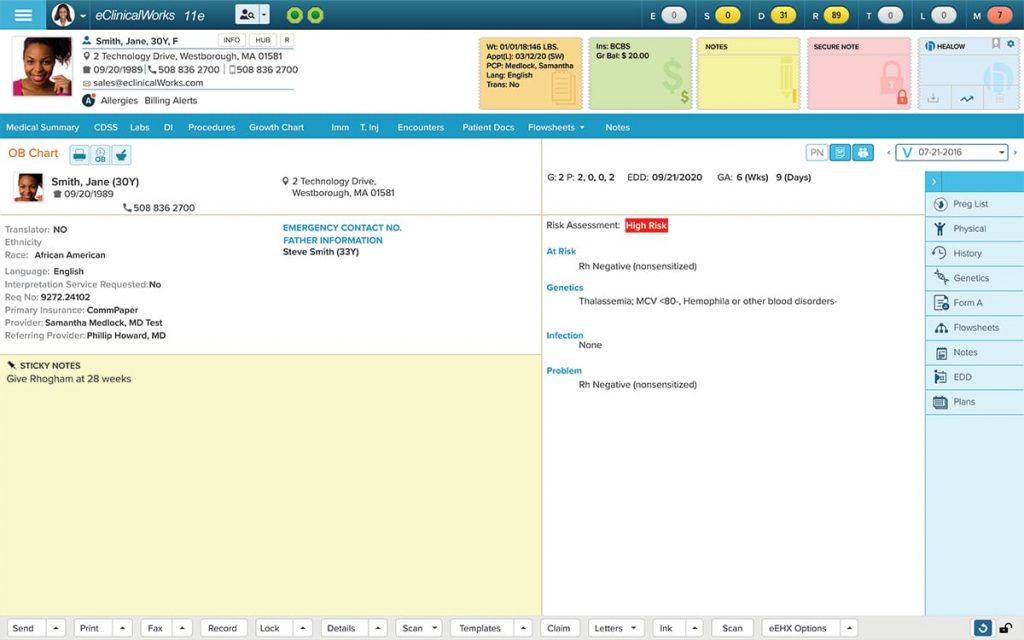
- Clinical power users love its configurability
- But new staff struggle with the depth of menu, hidden functions, and multiple click paths
- New-hire onboarding takes significantly longer
For clinics with frequent staff turnover, Athenahealth reduces training friction dramatically.
3. Clinical Charting & Documentation Comparison

Where Athenahealth Excels
- Smart documentation
- Specialty-specific templates
- Clean workflows
- ePrescribing smartly connected to medicine databases
- Real-time pharmacy communication
Where eClinicalWorks Excels
- More template customization options
- Built for complex multi-specialty documentation
- Offers powerful health information management
Common migration reason:
Practices switching from eClinicalWorks say Athenahealth cuts charting time by 25–40%, especially for high-volume primary care.
4. Revenue Cycle Management: The Biggest Differentiator
Athenahealth RCM Performance
This is where Athenahealth pulls ahead:
- Automated denial management
- AI-powered claim scrubbing
- Real-time payer rule updates
- Auto-posting of charges and ERA handling
- Analytics for payer behavior
Most practices report:
- Faster reimbursement cycles
- Lower denial percentages
- Leaner staffing needs
eClinicalWorks Billing
- Works if there is a billing team designated for edits and follow-ups.
- The features are strong, but not as automated.
- Extra charges for full RCM support
Key take-away:
If you heavily rely on internal billers, eCW works. But if you prefer automation with good revenue performance, then Athenahealth wins.
5. Patient Communication & Engagement Tools
Whereas Athenahealth and eClinicalWorks both offer patient communication tools, the depth and ease differ very much.
Athenahealth
Athenagealth supports automated reminders, digital intake, patient portal messaging, online bill-pay, and telehealth access in one connected loop. This is where most practices see improved show-rates and reduced inbound call volume. However, Athenahealth’s native texting and recall system can feel limited when doing communication across multiple visit types, insurance groups, or no-show segments.
Learn more about: Setting Up Automated Reminder & Recall Workflows in Athenahealth
eClinicalWorks
eClinicalWorks offers messaging and access to a patient portal but often requires the purchase of additional modules and manual campaign setup to execute recalls or multi-step reminders. Many practices report that it functions smoothly but has a higher learning curve.
Where Emitrr Complements Athenahealth-and Becomes the Differentiator
Emitrr plugs directly into Athenahealth‘s workflow and fills the exact engagement gaps that push clinics to look beyond native EHR tools:
- Two-way HIPAA-secure text messaging directly from Athenahealth
- Automated reminders based on appointment type, provider, insurance class, or visit status
- Bulk outreach for recalls, vaccine reminders, treatment follow-ups
- AI-powered SMS agent responding to patient FAQs and scheduling queries in real-time.
- Automate reviews for increased Google ratings without tying up staff
While Athenahealth provides clinics with the groundwork for communication, Emitrr allows clinics to improve patient engagement, reduce no-shows, fill last-minute cancellations, and eliminate front desk phone tag that too without switching platforms.
See how clinics can send reminders, confirmations, and updates straight from Athenahealth, without manual follow-ups or switching screens:
6. Interoperability & Integrations
Athenahealth
Athena is widely regarded as more integration-friendly, especially for add-ons like communication automation, digital intake, and recall tools. Its marketplace and open APIs allow clinics to plug in engagement platforms like Emitrr without disturbing billing, charting, or claims.
This matters for practices that want:
- Automated reminders without using multiple systems
- Two-way text that syncs back to appointments
- Recall campaigns without staff load
- Automated patient follow-ups
Emitrr functions here as a bridge, not a system swap: Athena runs the operations of the clinic; Emitrr improves patient outreach and response rates while syncing only the essential appointment and patient data back in. There is no need to train staff again or change the charting flow.
eClinicalWorks
eCW supports integrations too, but they tend to require more technical setup and internal IT support. Messaging features are present but not as immediately plug-and-play, which often results in staff taking manual ownership of communication tasks when portals go unused.
7. Support, Downtime & Real User Reviews
Athenahealth Support
- Proactive ticket handling
- Faster resolution times
- Less outage complaints
eClinicalWorks Support
- Powerful platform, but common user complaints includes:
- ticket delays
- slower response time
- heavier lift to troubleshoot workarounds
8. Who Each EHR Is Best For
Best Fit for Athenahealth
Athenahealth works best in environments where the clinical teams do not want to deal with backend billing, server hosting, or constant IT troubleshooting. Its cloud-based model and percent-of-collections pricing make it perfect for practices that want automation to do the heavy lifting rather than staffing up admin teams.
It’s best for:
- Small practices scaling into multi-specialty groups: Athenahealth grows with providers, no additional server installs or separate communication tools required.
- Clinics focused on automation rather than manual work: Payer rules, denial management, and claims scrubbing, all handled centrally, mean minimal oversight is required to run the financial workflows.
- Teams who need strong patient engagement and recall tools built in: Automated reminders, digital intake, and patient self-service portals reduce no-shows and dependency on the front desk.
- Vendors with minimal or no IT support: No hardware setup, patching, or upgrades occurs with cloud hosting; Athenahealth controls everything on the backend.
Best Fit for eClinicalWorks
eClinicalWorks suits practices that want granular control over every module-billing, documentation, telehealth, messaging-built exactly the way they choose. While that flexibility is powerful, the tradeoff is administrative oversight and often internal tech support.
It’s best for:
- Enterprise-class practices with departmental specialization: Large systems needing separate dashboards, role-based customization and deeper report controls.
- In-house billers + technical support teams: eCW provides billers with high-end tools, but adjustments of manual rules and configurations require experienced RCM staff.
- Multi-specialty or high-volume systems: Clinics seeking deep customizations have the option to configure every layer individually, from templates to patient engagement modules and telehealth.
9. Why Practices Switch From eClinicalWorks to Athenahealth

Many practices moving from eClinicalWorks to Athenahealth cite one core theme: less manual work and more automation. While eCW is certainly powerful, it often requires deeper setup, billing oversight, and ongoing IT involvement. Athenahealth, in its own right, simply streamlines day-to-day operations because of its integrated automation and cleaner workflow.
Common reasons for switching include:
- More intuitive UX and fewer clicks: Providers spend less time navigating screens and more time documenting care.
- Automated RCM workflows: RCM workflows such as claims scrubbing, payer updates, and denial follow-ups, run in the background without requiring constant staff oversight.
- Higher adoption rates: Online scheduling, billing, and messaging options are easier for patients to engage with.
- Less manual editing of claims and cleanup of bills: Athenahealth pushes continuous payer rule updates automatically, reducing rework.
- Smarter telehealth integration: Virtual visits, documentation, and billing occur within one flow-no additional plugins or add-on fees.
10. Integrate Athenahealth with Emitrr
While Athenahealth provides a strong EHR foundation with streamlined workflows and billing automation, many practices find that eClinicalWorks (ECW) requires more manual effort to manage patient engagement. ECW’s portal and messaging features are functional but often involve multiple logins, limited automation, and heavier front-desk intervention.
By integrating Emitrr with Athenahealth, practices can bridge this gap by turning patient communication into an automated process that ECW alone struggles to match.
Key Athenahealth + Emitrr Benefits
- HIPAA-compliant texting directly within Athenahealth, eliminating the need for third-party portals or ECW workaround tools
- Automated SMS and email reminders to reduce no-shows and missed appointments, an area where ECW users often report higher manual follow-up needs
- Two-way messaging inside the EHR, allowing patients to confirm or reschedule without calling the office
- Post-visit review requests and recall notifications sent automatically, streamlining patient feedback collection
- Real-time data synchronization, keeping appointment and patient records accurate across platforms
Standout Automation Features Compared to ECW
- Last-minute fill lists for empty slots, helping practices capture lost revenue more efficiently than ECW’s manual scheduling workflow
- Smart follow-up reminders based on visit type, insurance, or patient status, reducing administrative burden
- Bulk outreach campaigns for targeted communication at scale, which ECW users often struggle to execute without extra tools
- AI-powered SMS agent to answer patient questions instantly
11. Final Verdict: Athenahealth vs eClinicalWorks
Choose Athenahealth if you want:
- Simplified workflows
- Faster onboarding
- Built-in claims denials automation
- Strong patient engagement
- Modern UX + high adoption portal
Choose eClinicalWorks if you want:
- Deep configuration flexibility
- Enterprise customization
- Modular add-on pricing structure
If you want both clinical stability & true automation:
Athenahealth + Emitrr creates a connected, hands-off patient experience, with reduced admin pressure.
FAQs
Athenahealth often outperforms eClinicalWorks for small to mid-sized practices due to its intuitive interface, automated revenue cycle management, and patient engagement tools. eClinicalWorks may be better suited for large practices needing highly customizable workflows.
Common eClinicalWorks challenges include a steep learning curve, longer onboarding, frequent manual claim edits, and a patient portal that can feel outdated compared to modern EHR alternatives like Athenahealth.
While Athenahealth simplifies workflows, it may offer less customization for specialty-specific templates compared to eClinicalWorks, and its percent-of-collections pricing can be higher for some practices.
Yes. Athenahealth is widely regarded as a reliable cloud-based EHR, offering streamlined clinical charting, integrated billing, telehealth, and patient engagement tools that help practices reduce administrative burden.
Users often report difficulties with system complexity, slow support response times, manual billing adjustments, and time-consuming training for staff and providers.
eClinicalWorks is powerful for large, multi-specialty practices that need deep customization. It offers extensive templates, reporting tools, and population health features but may require more time and technical support to optimize.
Epic is typically preferred by large hospital systems for enterprise-level customization, interoperability, and extensive population health management. eClinicalWorks is more cost-effective for smaller to mid-sized practices but offers less enterprise scalability.
Athenahealth is used by thousands of clinics, including small practices, multi-specialty groups, behavioral health providers, and community health centers across the U.S.
Yes. Athenahealth is a well-established, HIPAA-compliant EHR provider trusted by thousands of practices for clinical documentation, billing, and patient engagement.
Athenahealth pricing is generally based on a percentage of collections plus provider fees. The cost includes EHR access, billing management, scheduling tools, telehealth, and patient engagement features. Exact pricing varies by practice size and specialty.
Conclusion: Which EHR Should You Choose?
In this battle of Athenahealth vs eClinicalWorks, for most small to mid-sized practices, Athenahealth clearly is a better choice. Its intuitive workflows, automated revenue cycle management, and modern patient engagement tools reduce administrative burden and allow providers to focus on care and not paperwork.
eClinicalWorks remains a strong option for large, specialty-heavy practices that need deep customization and have the internal resources to manage complex workflows.
However, the true power comes when Athenahealth is paired with a patient communication platform like Emitrr, unlocking automated texting, reminders, recall management, and reviews, all while keeping your staff efficient and your patients engaged. Book a free demo with Emitrr today to see how it pairs perfectly with Athenahealth.

 4.9 (400+
reviews)
4.9 (400+
reviews)