
 4.9 (400+
reviews)
4.9 (400+
reviews)
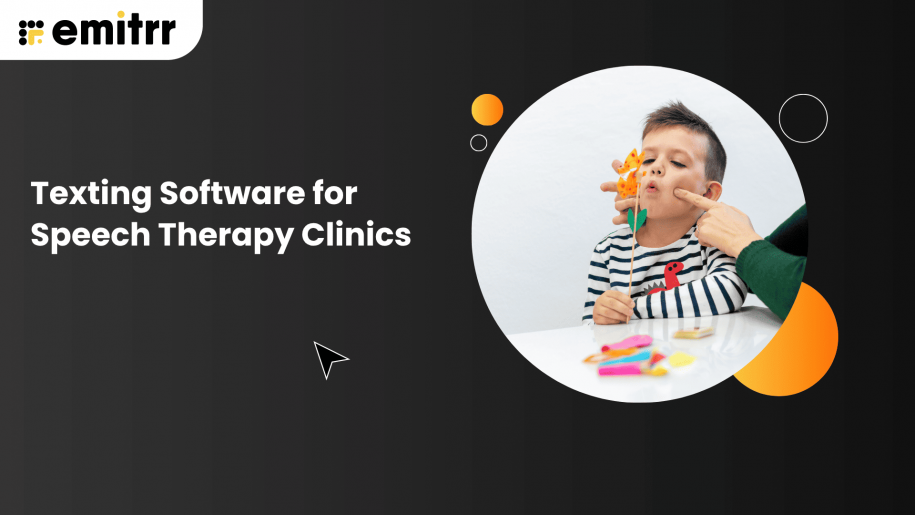
Did you know that over 98% of text messages are opened and read, with most within the first three minutes? This staggering statistic highlights a massive opportunity for healthcare providers, especially those in specialized fields like speech therapy. In today’s fast-paced world, patients expect instant communication and convenient access to services. For speech therapy clinics, which often rely on recurring appointments and close patient engagement, adopting modern communication tools is no longer a luxury but a necessity. Texting software is emerging as a transformative solution, bridging communication gaps, enhancing patient engagement, and streamlining operations for speech therapy practices of all sizes.
Speech therapy clinics face unique challenges. The nature of the service involves frequent appointments, often requiring rescheduling, and a strong emphasis on building rapport with patients and their caregivers. Traditional communication methods, such as phone calls and emails, can be time-consuming, inefficient, and often lead to missed connections. Patients might miss calls, not check emails regularly, or find it inconvenient to schedule appointments over the phone. This is where the power of text messaging software for speech therapy clinics comes into play, offering a direct, immediate, and highly effective way to connect with patients.
The Evolving Landscape of Speech Therapy Practice Management
Speech therapy practices are increasingly recognizing the need to move beyond outdated administrative processes. The traditional model, often burdened by manual tasks, fragmented systems, and limited patient interaction capabilities, struggles to keep pace with patient expectations and operational demands. The shift towards digital solutions is driven by several key factors:
- Patient Expectations: Modern patients, accustomed to instant digital communication, expect the same level of responsiveness from their healthcare providers. They value convenience and quick access to information and services.
- Operational Efficiency: Speech therapy clinics often juggle a high volume of appointments, insurance paperwork, and patient communication. Inefficient workflows lead to increased staff workload, higher operational costs, and potential burnout.
- Therapist Effectiveness: Clinicians want to focus on providing therapy, not getting bogged down in administrative tasks. Streamlined communication and administrative processes free up valuable time for direct patient care.
- Compliance and Security: Healthcare providers must adhere to strict regulations like HIPAA. Modern software solutions offer secure and compliant communication channels, protecting sensitive patient information.
The integration of technology is not just about adopting new tools; it’s about fundamentally rethinking how clinics operate. This includes embracing speech therapy clinic software that can manage everything from scheduling and documentation to billing and patient engagement.
Addressing Key Pain Points in Speech Therapy Clinics
Many speech therapy clinics grapple with recurring problems that hinder their growth and patient satisfaction. Let’s explore some of these common issues and how advanced software solutions can provide effective remedies:
1. One-Way Reminders and Poor Two-Way Texting: A prevalent issue is the reliance on automated reminders that patients cannot easily reply to. This forces staff to make follow-up calls, consuming valuable time and often leading to a fragmented patient experience. If a patient needs to reschedule, a simple “Yes” or “No” reply to a text is far more efficient than a phone call.
- Emitrr’s Solution: Emitrr offers a robust two-way texting for speech therapy clinics capability. This includes a shared team inbox where multiple staff members can view and respond to incoming messages. Crucially, it features auto-replies for common responses like “Yes,” “No,” or “Reschedule.” For more complex interactions, an AI SMS Agent can handle replies automatically, freeing up staff for urgent matters. Conversation assignment and tagging ensure accountability and efficient workflow management. This directly addresses the problem by converting one-way reminders into interactive conversations, eliminating callback loops and making it easier for patients to manage their appointments.
2. Vendor Reliability and Cost Concerns: Some clinics experience frustration with existing vendors due to high costs, unreliable platforms that suffer from outages, poor customer support, or feature bloat that makes the software overly complex and expensive. This creates dependency on support teams and risks losing patient inquiries during system downtime.
- Emitrr’s Solution: Emitrr emphasizes 24/7 live support via chat, phone, and onboarding assistance. The platform boasts high uptime for its messaging and calling infrastructure, ensuring consistent service. Its modular design allows clinics to pay only for the features they need, avoiding unnecessary costs. A unified inbox eliminates the need to switch between multiple tools, simplifying workflows. A missed-call-to-text backup system ensures that no patient inquiry is lost, even if the primary communication channels experience temporary issues. This approach reduces dependency on support, ensures patient inquiries are always captured, and offers a more predictable and cost-effective solution.
3. Fragmented Tech Stack and Manual Workflows: Many clinics operate with a patchwork of disconnected systems – separate phone systems, Electronic Health Records (EHRs), texting platforms, and online forms. This fragmentation necessitates manual data entry, copy-pasting between systems, and significant administrative overhead.
- Emitrr’s Solution: Emitrr provides solutions for EHR/EMR integrations, allowing for bi-directional data synchronization. This creates a unified patient conversation timeline and a centralized dashboard where calls, texts, and patient data are all accessible in one place. Calendar integrations with Google Calendar and Outlook streamline appointment management. Automated triggers based on patient activity within the system can initiate specific workflows, further reducing manual tasks. By centralizing communication and data, Emitrr eliminates duplicate work and establishes a single source of truth for all patient interactions.
4. 10DLC/Carrier Compliance and SMS Go-Live Blockers: Getting SMS services approved and operational can be a hurdle. Issues like missing website consent elements, unclear privacy policies, or problems with carrier registration can delay the launch of texting services. This is particularly important for HIPAA-compliant texting for speech therapy clinics, where strict adherence to regulations is paramount.
- Emitrr’s Solution: Emitrr offers HIPAA-compliant texting infrastructure, ensuring secure communication. The platform includes built-in consent capture and opt-in tracking mechanisms, as well as automated opt-out management to comply with STOP regulations. Emitrr also provides pre-approved, compliant messaging templates and maintains detailed messaging audit logs, which can be crucial for carrier verification. This streamlines the SMS approval process, prevents carrier blocking, and ensures ongoing compliance.
5. Desk-Phone/VoIP Provisioning Problems: Some clinics face challenges integrating new communication systems with existing IT infrastructure, especially when dealing with firewalled hospital networks or incompatible hardware that prevents softphone or desk phone integration.
- Emitrr’s Solution: Emitrr provides cloud-based VoIP solutions that do not rely on legacy hardware. This includes a web-based softphone accessible directly through a browser and a mobile app for calling and texting on the go. The system supports remote provisioning and offers flexible extension setups, whether shared or individual. This eliminates hardware constraints and ensures the system works even in restricted IT environments, making it an ideal VoIP phone system for speech therapy clinics.
6. Shared-Number and Multi-Location Routing Complexity: For multi-location practices or those sharing a main office number, ensuring calls and messages are routed correctly to the right department or location while maintaining brand consistency and proper call logging can be complex.
- Emitrr’s Solution: Emitrr’s platform includes an auto-attendant (IVR builder) and smart call routing capabilities. Routing can be based on location, department, or time of day. Call forwarding and escalation rules ensure that calls are handled efficiently. A shared inbox provides multi-location visibility, and comprehensive call logs and analytics offer insights into communication patterns. This ensures correct routing every time and maintains a consistent patient experience across all locations.
7. High Manual Workload for Recalls, No-Shows, and Intake: Front-desk staff often spend a significant amount of time manually calling patients for recalls, following up on no-shows, and managing intake forms. This is a major drain on resources and can lead to patient adherence issues.
- Emitrr’s Solution: Emitrr excels in automation. It offers automated appointment reminders and confirmations, as well as automated follow-ups for no-shows. Recall and reactivation campaigns can be run using drip SMS sequences. Digital intake forms can be sent via SMS, and AI automation handles repetitive patient communication tasks. This drastically reduces the workload on the front desk and improves patient adherence to their therapy schedules.
8. Confusing Reminder Wording and Patient Confusion: Poorly worded reminder templates, unclear date/time formats, or lack of personalization can lead to patient confusion, missed appointments, and an increase in inbound calls requesting clarification.
- Emitrr’s Solution: Emitrr provides highly customizable message templates. Dynamic fields allow for personalization, including patient name, appointment date and time, and therapist’s name. Clear formatting for dates and times, along with specific instructions, enhances clarity. The platform also supports multi-language messaging and allows for A/B testing of templates to optimize message effectiveness. This improves patient clarity and reduces unnecessary inbound calls.
What Makes Speech Therapy Unique?
Compared to other medical specialties, speech therapy clinics have distinct needs that make certain technological capabilities particularly crucial:
- Recurring Appointments: Speech therapy often involves a series of regular sessions, increasing the risk of no-shows and the need for consistent reminders.
- Caregiver Communication: A significant portion of communication often involves parents or guardians, requiring clear and consistent messaging to multiple parties.
- Frequent Rescheduling: Life happens, and therapy appointments are frequently rescheduled. A system that makes this process easy and efficient is vital.
These factors underscore why two-way texting, automation workflows, a shared inbox, and smart reminders are not just beneficial but essential for speech therapy practices.
The Core Benefits of Texting Software for Speech Therapy
Implementing dedicated text messaging software for speech therapy clinics brings a multitude of advantages that directly impact patient care, operational efficiency, and overall practice success.
Enhanced Patient Engagement and Satisfaction
Modern patients are text-first communicators. By meeting them on their preferred channel, speech therapy clinics can significantly boost engagement.
- Immediate Communication: Text messages are typically read within minutes, ensuring patients receive important information promptly. This is crucial for appointment confirmations, last-minute schedule changes, or important updates.
- Improved Accessibility: Patients who are busy, have difficulty with phone calls, or prefer written communication find texting to be a more accessible and less intrusive method. This is especially important for caregivers who manage appointments for children or elderly patients.
- Personalized Interactions: Texting software allows for personalization using merge tokens (e.g., patient name, appointment date, therapist name). This makes communication feel more individual and less like a generic automated message, fostering a stronger patient-provider relationship.
- Feedback Collection: Clinics can leverage texting for sending out SMS surveys to gather patient feedback after sessions. This provides valuable insights into patient satisfaction and areas for improvement. Reputation management for speech therapy clinics can also be enhanced by using text messages to request reviews on platforms like Google.
Streamlined Operations and Increased Efficiency
The administrative burden on speech therapy staff can be immense. Texting software automates many of these tasks, freeing up valuable time.
- Automated Reminders and Confirmations: Sending automated SMS reminders for speech therapy appointments significantly reduces no-shows. Patients can confirm their attendance with a simple reply, which can be automatically logged. This reduces the need for manual phone calls and decreases the number of missed appointments.
- Reduced Administrative Load: Tasks like sending intake forms, collecting basic patient information, or answering frequently asked questions can be handled through automated text workflows. This allows front-desk staff to focus on more complex patient needs and administrative duties.
- Efficient Appointment Scheduling: Online scheduling for speech therapy can be integrated with texting capabilities. Patients can receive links to book appointments, and the system can send automated confirmations and reminders, simplifying the entire appointment scheduling software for speech therapy clinics process. Practice scheduling software can be enhanced with these communication features.
- Missed Call Follow-up: When calls go unanswered, missed calls to text functionality automatically sends an SMS to the caller, providing them with information or a link to reschedule. This ensures no patient inquiry is missed and reduces the likelihood of lost business.
- Internal Collaboration: Features like shared inboxes and conversation assignment within texting platforms improve team collaboration. Staff can easily see ongoing patient conversations, ensuring continuity of care and efficient task management.
Enhanced Compliance and Security
For healthcare providers, compliance is non-negotiable. Texting software designed for healthcare offers robust security features.
- HIPAA Compliance: Reputable HIPAA-compliant texting for speech therapy clinics ensures that all communications are encrypted and transmitted securely, protecting sensitive patient health information (PHI). This includes features like secure chat portals and Business Associate Agreements (BAAs).
- Consent Management: Adhering to regulations requires proper consent for sending text messages. The software helps manage opt-ins and opt-outs, ensuring compliance with TCPA (Telephone Consumer Protection Act) and other relevant laws.
- Audit Trails: Detailed logs of all text communications provide an audit trail, which can be essential for compliance and record-keeping purposes.
Cost-Effectiveness
While there is an investment involved, the return on investment for texting software is often substantial.
- Reduced No-Shows: Fewer missed appointments mean more revenue for the clinic.
- Increased Staff Productivity: Automating tasks frees up staff time, which can be redirected to patient care or other value-adding activities, potentially reducing the need for additional hires.
- Improved Patient Retention: Enhanced patient engagement and satisfaction lead to better retention rates and positive word-of-mouth referrals.
Key Features of Effective Speech Therapy Texting Software
When evaluating texting software for a speech therapy clinic, several key features should be considered to ensure it meets the specific needs of the practice:
Two-Way Texting and Shared Inbox
This is fundamental. The ability for patients to reply to messages and for staff to manage these conversations in a centralized inbox is crucial. A shared inbox allows multiple team members to monitor and respond to messages, ensuring prompt replies and preventing communication gaps. This is a core component of effective patient communication software for speech therapy.
Automation Capabilities
- Appointment Reminders: Customizable, automated reminders for upcoming appointments, including options for patients to confirm or reschedule via text.
- Intake Forms: Sending digital intake forms directly via SMS can streamline the onboarding process for new patients.
- Post-Appointment Follow-ups: Automated messages to check in on patients after a session or to request feedback.
- Recall Campaigns: Re-engaging past patients who haven’t scheduled appointments in a while.
- Missed Call to Text: Automatically sending a text message to anyone who calls but doesn’t get through.
HIPAA Compliance
This is a non-negotiable requirement for any healthcare communication tool. The software must offer end-to-end encryption, secure data storage, and provide a Business Associate Agreement (BAA). This ensures the privacy and security of Protected Health Information (PHI).
Integration Capabilities
The ability to integrate with existing speech therapy practice management software, EHR/EMR systems, and scheduling platforms is vital for a seamless workflow. This prevents data silos and reduces manual data entry. For example, integrating with speech therapy scheduling software ensures that appointment confirmations and reminders are automatically synced.
Personalization and Segmentation
The software should allow for personalized messaging using patient data. Additionally, contact segmentation capabilities enable clinics to send targeted messages to specific groups of patients (e.g., by condition, age group, or treatment plan).
Analytics and Reporting
Understanding the effectiveness of communication efforts is important. The software should provide analytics on message delivery rates, open rates, response rates, and campaign performance. This data can inform future communication strategies.
VoIP Integration
Many modern texting platforms integrate with VoIP for speech therapy clinics. This allows clinics to use their existing business phone numbers for both calls and texts, or to implement a new cloud-based phone system. VoIP phone systems for speech therapy offer flexibility and advanced features like call routing and voicemail transcription.
AI-Powered Features
Emerging AI capabilities can further enhance communication. An AI agent for speech therapy clinics can handle routine inquiries, schedule appointments, and even provide basic information, freeing up human staff for more complex tasks. An AI SMS chatbot can manage conversational flows, making patient interactions more dynamic and efficient.
Implementing Texting Software in Your Speech Therapy Practice
Adopting new technology requires careful planning and execution. Here’s a step-by-step approach to successfully implementing texting software in your speech therapy clinic:
- Assess Your Needs: Identify the specific pain points your clinic is experiencing. Are you struggling with no-shows? Is administrative staff overwhelmed? Do you need to improve patient engagement? Clearly defining your needs will help you choose the right software.
- Research and Select Software: Evaluate different speech therapy texting software providers based on the features discussed above. Look for solutions that offer HIPAA compliance, robust automation, integration capabilities, and excellent customer support. Consider platforms like Emitrr, which offer a comprehensive suite of communication tools.
- Plan for Integration: If you plan to integrate with your existing EHR or practice scheduling software, work closely with the software vendor and your IT department to ensure a smooth integration process. Understand data synchronization capabilities.
- Develop Communication Protocols: Establish clear guidelines for using the texting software. This includes defining which types of messages will be sent via text, who is responsible for managing conversations, and how to handle sensitive information. Develop standardized templates for common communications. Review texting etiquette best practices to ensure professional communication.
- Train Your Staff: Ensure all staff members who will use the software are thoroughly trained on its features and protocols. Proper training is essential for maximizing the benefits of the software and ensuring consistent usage.
- Obtain Patient Consent: Before initiating text communication, ensure you have obtained explicit consent from your patients. Clearly explain how their information will be used and provide easy opt-out options. This is critical for compliance.
- Launch and Monitor: Gradually roll out the texting software, starting with a specific function like appointment reminders. Monitor its performance, gather feedback from both staff and patients, and make adjustments as needed. Analyze reports to track key metrics and identify areas for improvement.
- Iterate and Optimize: Continuously review your texting strategy and software usage. As your clinic evolves and patient needs change, adapt your communication workflows. Leverage analytics to refine your messaging and automation strategies for maximum impact.
The Future of Communication in Speech Therapy
The trend towards digital communication in healthcare is undeniable. Texting software is at the forefront of this revolution, offering speech therapy clinics a powerful tool to enhance patient care, streamline operations, and achieve sustainable growth. As technology continues to advance, we can expect even more sophisticated AI-driven communication solutions, further integrating patient engagement into the core of practice management.
Embracing patient engagement software for speech therapy clinics that includes robust texting capabilities is no longer optional for clinics aiming to thrive in the modern healthcare landscape. By leveraging these tools, speech therapists can build stronger relationships with their patients, improve therapeutic outcomes, and create a more efficient and fulfilling work environment for their staff. The future of speech therapy communication is here, and it’s conversational, convenient, and text-based.
Frequently Asked Questions About Speech Therapy Texting Software
What are the primary benefits of using texting software for speech therapy clinics?
The primary benefits include enhanced patient engagement through immediate and convenient communication, improved operational efficiency via automated reminders and administrative task reduction, increased patient satisfaction due to better accessibility and responsiveness, and strengthened compliance with HIPAA regulations through secure messaging channels.
Is texting software HIPAA compliant for speech therapy?
Yes, reputable texting software designed for healthcare, such as Emitrr, offers HIPAA-compliant texting for speech therapy clinics. This means the platform uses end-to-end encryption, secure data storage, and provides a Business Associate Agreement (BAA) to ensure the privacy and security of patient health information (PHI).
How can texting software help reduce appointment no-shows in speech therapy?
Texting software significantly reduces no-shows by sending automated, timely appointment reminders and confirmations. Patients can easily reply to confirm their attendance or request rescheduling, which is far more efficient than traditional phone calls. Features like automated SMS reminders for speech therapy directly address this issue.
Can texting software integrate with my existing EHR or practice management system?
Many modern texting software solutions, including Emitrr, offer integration capabilities with popular EHR and speech therapy practice management software. This allows for seamless data synchronization, reducing manual data entry and creating a unified view of patient information and communication history.
What is “two-way texting” and why is it important for speech therapists?
Two-way texting for speech therapy clinics allows patients to not only receive messages but also to reply to them directly, initiating a conversation. This is crucial because it enables patients to easily confirm appointments, ask questions, or request rescheduling, fostering a more interactive and responsive communication channel than one-way automated messages. It transforms reminders into opportunities for dialogue.
How does texting software improve patient communication and engagement?
Texting software improves patient communication by offering a preferred, immediate, and accessible channel. Patients receive timely updates, reminders, and information. Engagement is boosted through personalized messages, easy feedback collection via surveys, and the ability to handle routine inquiries through automated responses or AI chatbots, making patients feel more connected and informed throughout their treatment journey.
Key Takeaways
- Texting software offers a highly effective communication channel for speech therapy clinics, with over 98% of messages being opened and read quickly.
- Key benefits include enhanced patient engagement, improved operational efficiency through automation, better compliance with HIPAA, and increased cost-effectiveness.
- Essential features to look for in speech therapy texting software include two-way texting, a shared inbox, robust automation capabilities, HIPAA compliance, integration options, and personalization.
- Implementing texting software involves assessing needs, selecting the right provider, training staff, obtaining patient consent, and continuously monitoring performance.
- Advanced features like AI chatbots and VoIP integration further enhance the capabilities of modern communication platforms for speech therapy practices.
- Specifically for speech therapy, features like two-way texting, automation, shared inboxes, and smart reminders are critical due to the nature of recurring appointments and caregiver communication.