
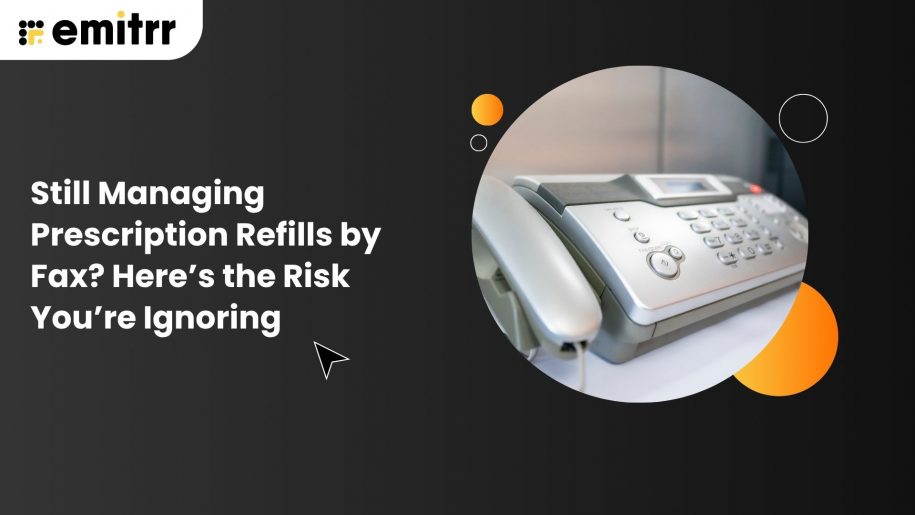
Did you know that in 2026, the healthcare industry still grapples with processes that are decades old? While technology races forward, some clinics and pharmacies find themselves relying on methods like fax machines for prescription refills, a practice that’s not just outdated but also fraught with significant risks. In an era where efficiency and patient experience are paramount, clinging to faxed refill requests is like trying to navigate with a paper map when GPS is readily available. This article dives deep into why faxing prescription refills is a practice you should seriously reconsider and what the modern, secure, and efficient alternatives look like.
The sheer volume of prescription refill requests processed annually is staggering. According to recent industry reports, healthcare providers handle millions of these requests every month. Imagine the administrative burden and potential for error when a significant portion of these requests still travel through the analog pathways of a fax machine. The risks are not just theoretical; they impact patient safety, operational efficiency, and the financial health of your practice.

The Fading Promise of Fax: Why It’s No Longer a Viable Solution
For years, the fax machine was a staple in healthcare communication. It offered a way to transmit documents quickly over phone lines, a revolutionary step forward from traditional mail. However, in 2026, the limitations of fax technology are glaringly apparent, especially when dealing with sensitive patient information and the critical process of prescription refills.
Security Vulnerabilities: A Leaky Pipeline for Protected Health Information (PHI)
One of the most significant drawbacks of faxing is its inherent lack of security. Protected Health Information (PHI) transmitted via fax is vulnerable to interception. Unlike encrypted digital communication, faxed documents travel over standard phone lines, making them susceptible to eavesdropping. Furthermore, fax machines themselves are often located in unsecured areas, meaning a printed fax can be easily viewed by unauthorized individuals or even misplaced.
The Health Insurance Portability and Accountability Act (HIPAA) mandates strict security standards for handling PHI. Faxing, by its nature, struggles to meet these requirements. There’s no audit trail for who accessed the fax, when it was sent, or if it was received by the intended party. This lack of accountability creates a significant compliance risk. A data breach originating from a faxed document could lead to hefty fines, reputational damage, and a loss of patient trust. The U.S. Department of Health and Human Services provides extensive guidance on HIPAA Security Rule requirements, underscoring the need for robust data protection measures that fax simply cannot provide 1.
Inefficiencies and Delays: The Slow March of Manual Processing
The prescription refill process is a critical component of patient care. Delays can lead to patients missing doses, experiencing treatment interruptions, or suffering adverse health outcomes. Faxing significantly contributes to these delays:
- Manual Intake: Incoming faxes need to be physically retrieved, sorted, and then manually entered into electronic health record (EHR) systems. This process is time-consuming and prone to human error. A misplaced page or a misread number can halt the entire process.
- Unstructured Data: Faxes often contain handwritten notes or information that isn’t standardized. This requires staff to spend extra time deciphering the content, leading to further delays and potential misinterpretations.
- Limited Availability: Fax machines only operate during business hours, and if the machine is busy or out of paper, requests can pile up. Patients attempting to send requests outside of these hours might be met with busy signals or unanswered machines, leading to frustration.
- Lack of Real-time Updates: There’s no immediate confirmation that a fax has been received by the intended recipient, nor is there a way to track its progress through the system. This often results in patients calling back repeatedly to check the status of their request, further burdening administrative staff.
- Interdepartmental Bottlenecks: If a fax arrives at the wrong department or requires input from multiple individuals, it can get lost in internal routing processes, adding more time to an already slow workflow.
High Error Rates: When a Smudged Line Can Have Serious Consequences
The manual nature of faxed refill requests makes them highly susceptible to errors. A smudged number, a poorly written medication name, or a misinterpreted dosage can have severe consequences for patient safety.
- Incorrect Dosage or Medication: A simple handwriting error on a faxed request could lead to the wrong medication being prescribed or the wrong dosage being dispensed. This is particularly dangerous for patients on multiple medications or those with complex health conditions.
- Duplicate Requests: Without a centralized digital system, patients might send the same refill request via fax, phone, and patient portal, leading to duplicate processing and potential over-prescription.
- Lost Information: Critical details like patient contact information, insurance details, or specific medication instructions can be lost or omitted during the manual transcription process, leading to further complications.
- Compliance Issues: Inaccurate record-keeping due to manual data entry from faxes can lead to compliance violations and difficulties during audits.
Increased Administrative Burden and Costs
While fax machines themselves might seem inexpensive, the hidden costs associated with their use in managing prescription refills are substantial.
- Staff Time: The hours spent by administrative staff manually processing faxes, transcribing information, verifying details, and following up on incomplete requests represent a significant labor cost. This time could be better spent on more patient-facing activities or complex administrative tasks.
- Supplies: Fax machines require paper, ink, and maintenance, adding to operational expenses.
- Error Correction: The cost of rectifying errors that arise from faxed requests—such as reprocessing prescriptions, dealing with patient complaints, or managing adverse events—can be substantial.
- Missed Opportunities: Inefficient processes can lead to patients seeking care elsewhere, impacting revenue and practice growth.
The Modern Prescription Refill Workflow: Efficiency, Security, and Patient Satisfaction
Fortunately, in 2026, there are sophisticated solutions designed to streamline prescription refill management, enhance security, and significantly improve the patient experience. These solutions move away from the antiquated fax model and embrace digital, automated, and integrated approaches.
Centralized Intake Across Multiple Channels
Modern systems allow patients to request refills through a variety of convenient channels, all feeding into a single, unified platform. This eliminates the fragmentation that faxing perpetuates.
- SMS/Text Messaging: Patients can send refill requests via text, a medium they use daily. Platforms like Emitrr offer two-way texting capabilities, allowing for direct communication and confirmation. This also supports MMS texting, enabling patients to send photos of their prescription labels if needed.
- Web Forms and Patient Portals: Secure online forms and patient portals provide a structured way for patients to submit refill requests. These forms can be designed to capture all necessary information upfront, reducing the need for follow-up.
- Phone (Voicemail to Text): Even traditional phone calls can be integrated. Voicemail to text transcription services can convert voicemails into text messages within the system, ensuring no request is missed and allowing staff to respond efficiently.
- Website Chat to SMS: Integrating website chat functionality can convert visitor inquiries into SMS threads, allowing businesses to continue engagement with visitors via text even after they leave the website.
Automation and AI: The Engine of Efficiency
The true power of modern refill management lies in automation and Artificial Intelligence (AI). These technologies handle repetitive tasks, reduce manual effort, and minimize errors.
- Automated Intake Processing: When a refill request comes in through any channel, AI can automatically parse the information, identify key details like patient name, medication, and dosage, and pre-populate fields in the EHR.
- Intelligent Triage and Routing: AI can assess the urgency and type of request, automatically routing it to the appropriate staff member or department. For instance, a routine refill might be flagged for a nurse, while a complex request requiring physician approval could be escalated.
- Automated Verification: Systems can be programmed to automatically verify prescription eligibility, check refill limits, and flag requests that require further review, such as those needing a new prescription or prior authorization.
- Workflow Automation: Workflow automations can trigger specific actions based on predefined rules. For example, if a refill request is approved, the system can automatically generate an e-prescription and send it to the patient’s preferred pharmacy. If a follow-up is needed, it can schedule a task for a clinical team member.
- AI-Powered Reminders: Automated text reminders can be sent to patients about upcoming refill needs, helping them stay on top of their medication regimen and reducing the likelihood of missed doses.
Enhanced Security and HIPAA Compliance
Modern digital platforms are built with security and compliance at their core, offering a stark contrast to the vulnerabilities of fax.
- End-to-End Encryption: All data transmitted and stored within these systems is typically protected by robust encryption protocols, ensuring that PHI remains confidential.
- Secure Data Storage: Cloud-based platforms offer secure, centralized storage for all refill requests and related communications, with access controlled by granular permissions.
- Audit Trails: Every action taken within the system—from request submission to approval and transmission—is logged, creating a comprehensive audit trail. This is crucial for compliance and accountability.
- HIPAA Compliance: Reputable platforms are designed to be HIPAA-compliant, often offering Business Associate Agreements (BAAs) to ensure adherence to healthcare data privacy regulations. SOC 2 Type 2 compliance is another important standard indicating robust security and operational practices.
- Controlled Access: SSO (Single Sign-On) and custom user roles and permissions ensure that only authorized personnel can access and manage patient information, further safeguarding PHI.
Improved Patient Communication and Engagement
Effective communication is key to patient satisfaction and adherence. Modern systems facilitate this through:
- Instant Acknowledgement: Patients receive immediate confirmation that their refill request has been received, reducing anxiety and the need for follow-up calls.
- Real-time Status Updates: Patients can be automatically notified via SMS or portal updates at various stages of the refill process—approved, pending, ready for pickup, or requiring further action.
- Personalized Communication: Personalized text messaging, using merge tokens, allows for communication that addresses the patient by name and references specific medications, making the interaction more human and less transactional.
- Feedback Mechanisms: SMS surveys can be sent after a refill is completed to gather patient feedback, helping practices identify areas for improvement.
Streamlined Pharmacy Coordination
Digital systems facilitate seamless communication with pharmacies.
- Electronic Prescribing (e-Prescribing): The preferred method, e-prescribing sends prescriptions directly to the pharmacy’s system, bypassing manual transcription and reducing errors.
- Automated Notifications: Pharmacies can be automatically notified of new prescriptions or refill approvals, allowing them to prepare medications more efficiently.
- Reduced Fax Backlog: By eliminating faxed requests, practices reduce the backlog of paper faxes that pharmacies must manage, leading to faster processing times for everyone involved.
The Transition: Moving Beyond Fax
The shift from fax to a modern digital solution might seem daunting, but the benefits far outweigh the perceived challenges.
Addressing Common Concerns
- Cost: While implementing new technology involves an investment, the long-term savings from increased efficiency, reduced errors, and optimized staff time often provide a significant return on investment. Many platforms offer transparent, usage-based pricing with unlimited users, making costs predictable.
- Implementation Time: Reputable vendors offer robust support during the implementation process, including training and technical assistance, to ensure a smooth transition. Integration with existing EHR systems is a common feature, minimizing disruption.
- Staff Training: User-friendly interfaces and comprehensive training materials make it easy for staff to adapt to new systems. Features like SMS templates and private comments can also aid in team collaboration and consistent communication.
The “Hidden Costs” of Sticking with Fax
It’s crucial to recognize the “hidden costs” associated with maintaining a fax-based workflow. These include:
- Lost Revenue: Patients who experience long delays or poor communication may switch to practices that offer a more modern and convenient experience.
- Increased Risk of Lawsuits: Errors stemming from manual processing or data breaches can lead to costly litigation.
- Burnout: High administrative burdens and repetitive tasks can contribute to staff burnout and turnover.
- Reputational Damage: In an age of instant communication, relying on outdated technology can negatively impact a practice’s image.
Embracing the Future of Healthcare Communication
The healthcare landscape is evolving rapidly. Patients expect convenience, speed, and security in all their interactions, including prescription refills. Practices that continue to rely on fax machines risk falling behind, not only in terms of operational efficiency but also in meeting patient expectations.
By adopting a digital, automated, and integrated approach to prescription refill management, healthcare providers can:
- Enhance Patient Safety: Reduce the risk of medication errors through accurate, digital processing.
- Boost Operational Efficiency: Automate manual tasks, freeing up staff time and resources.
- Improve Patient Satisfaction: Offer convenient, timely, and transparent communication channels.
- Strengthen Compliance: Ensure adherence to HIPAA and other regulatory requirements with secure, auditable systems.
- Reduce Costs: Lower administrative overhead and mitigate the financial risks associated with errors and breaches.
Key Takeaways
- Fax is Obsolete and Risky: Fax machines are insecure, inefficient, prone to errors, and costly in the long run for managing prescription refills.
- Modern Solutions Exist: Digital platforms offer secure, automated, and integrated ways to handle refill requests.
- Benefits of Digitalization: Enhanced patient safety, improved efficiency, greater patient satisfaction, stronger compliance, and reduced costs.
- Automation is Key: AI and workflow automation can significantly streamline the entire refill process.
- Patient Experience Matters: Patients expect convenient and fast communication, which fax simply cannot provide.
Frequently Asked Questions
The primary security risks include interception of data over phone lines, unauthorized access to faxes left on machines in unsecured areas, and a lack of audit trails to track who accessed or sent the information. This makes it difficult to comply with HIPAA regulations designed to protect patient health information (PHI).
Modern software automates many manual tasks, such as data entry and verification. It centralizes requests from various channels (SMS, web, portal), uses AI for intelligent routing, and integrates directly with EHR and pharmacy systems for faster processing. This drastically reduces turnaround time and administrative burden.
Yes, digital systems are designed for scalability. They can handle a significantly higher volume of requests than manual fax processing. Features like automated intake, workflow automation, and parallel processing allow practices to manage increased demand without a proportional increase in staff.
Reputable digital platforms are built with HIPAA compliance in mind. They employ end-to-end encryption, secure data storage, comprehensive audit trails, and access controls. Many providers also offer Business Associate Agreements (BAAs) to formalize their commitment to protecting PHI.
The transition typically involves selecting a suitable software vendor, configuring the system to match your practice's workflows, integrating it with your existing EHR, and training your staff. Most vendors provide dedicated support throughout this process to ensure a smooth and efficient transition.
A unified platform consolidates all patient communication channels (SMS, phone, web chat, portals) into a single inbox. For refills, this means all requests are captured, logged, and managed in one place, preventing requests from getting lost and providing a clear overview of all patient interactions. This omnichannel approach ensures no request falls through the cracks.
Conclusion
The era of relying on fax machines for critical healthcare processes like prescription refills is drawing to a close. In 2026, the risks associated with this outdated technology—security vulnerabilities, inefficiencies, high error rates, and increased costs—are simply too significant to ignore. Healthcare providers have a responsibility to protect patient data, ensure timely care, and operate efficiently. Embracing modern, digital, and automated solutions for prescription refill management is not just an upgrade; it’s a necessary evolution. By transitioning to these advanced systems, practices can significantly enhance patient safety, streamline operations, improve patient satisfaction, and secure their practice’s future in an increasingly digital healthcare landscape. The choice is clear: move beyond the fax machine and embrace a more secure, efficient, and patient-centered approach to prescription refills.


 4.9 (400+
reviews)
4.9 (400+
reviews)