
 4.9 (400+
reviews)
4.9 (400+
reviews)
Introduction
Nurses today operate under immense pressure as rising patient volumes, complex care protocols, staffing shortages, and constant communication demands continue to expand their daily responsibilities. Beyond hands-on patient care, nurses spend a significant amount of time managing appointments, answering repetitive patient questions, coordinating follow-ups, maintaining documentation, and supporting billing or insurance-related inquiries.
These growing responsibilities directly impact efficiency, job satisfaction, and patient outcomes. Delays in communication, slow triage processes, and administrative overload can affect care quality and patient experience. When nurses are pulled away from clinical responsibilities, it becomes harder to deliver timely, attentive, and personalized care.
This is where AI and chatbots in nursing environments are making a measurable impact. Modern AI chatbots for nurses automate repetitive tasks, provide instant patient responses, and streamline workflows while maintaining compliance and care standards. In this blog, we’ll explore what an AI chatbot for nurses is, why nursing teams need one, the different types available, key features to consider, and the top solutions—highlighting why Emitrr stands out.
What Is an AI Chatbot for Nurses?
Nurses face daily challenges that go beyond direct patient care. Heavy administrative workloads, high patient volumes, slow triage processes, delayed follow-ups, frequent phone calls, and constant documentation demands consume valuable time and energy. These repetitive tasks can reduce efficiency and limit the time nurses spend with patients.
An AI chatbot for nurses helps solve these challenges through automation and instant responses. Chatbots handle appointment queries, basic triage, follow-ups, patient education, and routine communication while capturing accurate data in real time. By streamlining workflows and reducing manual tasks, chatbots allow nurses to focus more on delivering quality patient care instead of managing repetitive administrative work.
Why Nurses Need an AI Chatbot
Nurses manage far more than direct patient care. Administrative overload, rising patient demand, slow processes, and constant communication pressure reduce efficiency and increase burnout, making automation essential for modern nursing workflows.
Heavy Administrative Burden
Nurses spend hours on scheduling, follow-ups, and coordination tasks. An AI chatbot automates routine administrative work, captures patient data accurately, and reduces manual effort, allowing nurses to focus on clinical responsibilities.
High Patient Volumes
Growing patient volumes overwhelm nursing teams daily. AI chatbots manage multiple patient interactions simultaneously, provide instant responses, and ensure consistent communication without increasing nurse workload or compromising care quality.
Slow Triage Processes
Manual triage delays care delivery. AI chatbots collect symptoms, assess urgency, and route patients appropriately, enabling faster prioritization while supporting nurses with accurate pre-assessment data.
Delays in Communication and Follow-Ups
Missed messages and delayed follow-ups affect outcomes. AI chatbots send automated reminders, care instructions, and follow-up messages, ensuring patients receive timely communication without constant nurse intervention.
Frequent Phone Inquiries
Repetitive phone calls consume nursing time. Chatbots handle common questions, appointment requests, and basic guidance instantly, reducing call volume and freeing nurses for higher-value patient care.
Documentation Overload
Documentation takes time away from patients. AI chatbots capture structured information during interactions and integrate it into workflows, reducing no-shows manual documentation, and improving data accuracy for nursing teams.

Types of AI Chatbots for Nurses
AI chatbots support nurses by automating essential but time-consuming workflows. Each type of chatbot is designed to address specific nursing challenges, ranging from scheduling and triage to patient communication and billing helping nurses manage workloads efficiently while improving patient experience and care delivery.
AI Appointment Scheduling Chatbot
An AI online appointment scheduling chatbot automates booking, rescheduling, cancellations, and reminders across voice, SMS, and digital channels. It operates continuously, reduces manual coordination, and ensures appointments are accurately managed without requiring constant nurse involvement or administrative follow-ups.
Use Cases
- Managing daily patient appointments: The chatbot handles booking and rescheduling requests in real time, keeping schedules updated and reducing the manual effort nurses spend coordinating appointment changes throughout the day.
- Reducing no-shows with automated reminders: Automated reminders notify patients about upcoming appointments, preparation instructions, and rescheduling options, significantly lowering missed visits and schedule disruptions for nursing teams.
- Handling after-hours scheduling: Patients can book or modify appointments outside clinic hours, ensuring continuous access while eliminating the need for nurses to manage scheduling requests manually.
Benefits
- Saves significant administrative time: By automating scheduling tasks, nurses spend less time on coordination and more time delivering direct patient care.
- Improves appointment accuracy: Automated systems reduce scheduling errors, double bookings, and missed updates, keeping patient calendars organized and reliable.
- Ensures smooth patient flow: Efficient scheduling balances patient loads throughout the day, reducing wait times and improving overall care delivery.
AI Triage Chatbot
An AI triage chatbot collects patient symptoms, evaluates urgency levels, and guides patients to appropriate care pathways. It supports nurses by performing pre-assessments, reducing manual triage effort, and improving prioritization accuracy in high-volume environments.
Use Cases
- Pre-assessment before nurse interaction: The chatbot gathers symptoms and relevant health details before patient contact, helping nurses prepare for more efficient and focused consultations.
- Screening non-emergency cases: It identifies non-urgent cases and provides guidance, preventing unnecessary nurse workload and reducing congestion in emergency care settings.
- Prioritizing urgent patients: Critical cases are flagged immediately, enabling nurses to respond faster and allocate attention where it’s needed most.
Benefits
- Faster patient handling: Automated triage speeds up patient assessment, reducing wait times and improving care responsiveness.
- Reduced nurse workload: Nurses receive structured, pre-analyzed data, minimizing repetitive questioning and manual triage tasks.
- Improved prioritization accuracy: Consistent symptom evaluation helps ensure patients are routed correctly based on urgency and care needs.
AI Patient Communication Chatbot
An AI patient communication chatbot manages routine interactions such as FAQs, reminders, instructions, and follow-ups. It ensures consistent, timely communication while reducing repetitive inquiries that typically occupy a large portion of nurses’ daily tasks.
Use Cases
- Post-treatment care reminders: The chatbot sends recovery instructions, care guidelines, and alerts, helping patients follow treatment plans without requiring nurse intervention.
- Medication guidance: Patients receive medication reminders, dosage information, and safety instructions, reducing confusion and follow-up calls to nurses.
- Follow-up messages: Automated follow-ups check patient progress, gather feedback, and escalate concerns when necessary.
Benefits
- Streamlined communication: Automated messaging ensures patients receive timely information without overwhelming nursing staff.
- Fewer repetitive patient questions: Chatbots answer common queries instantly, reducing interruptions and call volumes for nurses.
- Higher patient engagement: Consistent communication improves adherence, satisfaction, and overall patient experience.
AI Insurance and Billing Chatbot
An AI insurance and billing chatbot simplifies financial interactions by answering billing questions, checking coverage eligibility, and guiding patients through claims. It reduces the number of financial inquiries nurses must handle while improving transparency and efficiency.
Use Cases
- Coverage eligibility checks: Patients can quickly verify insurance coverage details, minimizing confusion and reducing nurse involvement in financial inquiries.
- Billing FAQs: The chatbot answers common billing questions, including invoices, payment options, and cost breakdowns.
- Claim guidance: Patients receive step-by-step assistance for claim submissions, reducing delays and errors.
Benefits
- Fewer financial questions for nurses: Nurses are relieved from handling billing-related queries, allowing greater focus on clinical care.
- Increased transparency: Clear, instant responses help patients understand costs and coverage, improving trust and satisfaction.
- Faster billing cycles: Automated guidance reduces delays, helping healthcare organizations process payments more efficiently.
Key Features to Look for in an AI Chatbot for Nurses
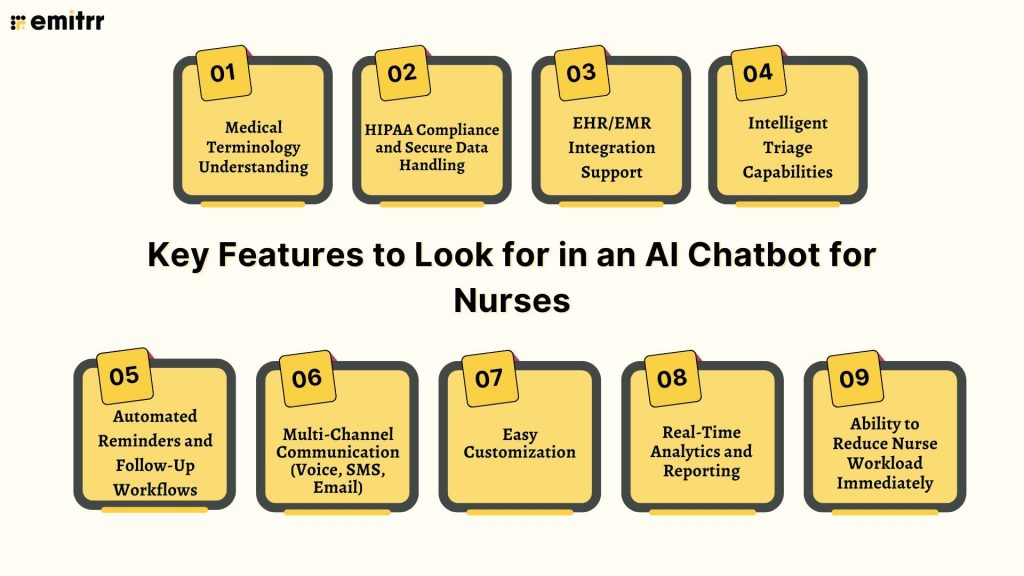
Choosing the right AI chatbot for nurses requires evaluating features that directly support clinical workflows, ensure compliance, and reduce administrative strain. The right solution should enhance efficiency, improve communication, and seamlessly integrate into daily nursing operations.
Medical Terminology Understanding
A strong medical AI chatbot must accurately understand clinical terms, symptoms, and care-related language. This ensures correct patient interactions, reliable data collection, and meaningful support for nurses without misinterpretation or communication errors.
HIPAA Compliance and Secure Data Handling
The chatbot must meet HIPAA requirements, including encrypted data storage, secure communication channels, access controls, and audit logs. This protects sensitive patient information and ensures regulatory compliance in all nursing interactions.
EHR/EMR Integration Support
Seamless integration with EHR and EMR systems allows patient data captured by the chatbot to flow directly into clinical records, reducing duplicate entry, improving accuracy, and saving nurses valuable documentation time.
Intelligent Triage Capabilities
Intelligent triage enables the chatbot to collect symptoms, assess urgency, and route patients appropriately. This supports faster decision-making, better patient prioritization, and reduced triage workload for nursing teams.
Automated Reminders and Follow-Up Workflows
Automated reminders for appointments, medications, and follow-ups ensure consistent patient communication. These workflows reduce missed visits, improve adherence, and eliminate the need for nurses to manually track follow-up tasks.
Multi-Channel Communication (Voice, SMS, Email)
Multi-channel support allows patients to interact through their preferred communication methods. Nurses benefit from unified messaging across voice, SMS, and email, ensuring consistent engagement without managing multiple platforms.
Easy Customization
Customizable workflows allow the chatbot to adapt to specific nursing protocols, departments, and care pathways. This flexibility ensures the chatbot supports real-world nursing needs rather than forcing teams to change processes.
Real-Time Analytics and Reporting
Real-time analytics provide insights into patient interactions, response times, and workflow efficiency. These reports help nursing leaders optimize operations, identify gaps, and continuously improve care delivery.
Ability to Reduce Nurse Workload Immediately
The chatbot should deliver instant value by automating high-volume tasks from day one. Immediate workload reduction helps nurses reclaim time for patient care without lengthy setup or complex training.
Integration & Compliance Requirements
For an AI chatbot to be effective in nursing environments, it must integrate smoothly with existing healthcare systems while meeting strict compliance standards. Seamless integration improves workflow efficiency, while strong security and regulatory adherence protect sensitive patient data and maintain trust across healthcare operations.
EHR/EMR Platforms (Epic, Cerner, Athena)
Integration with EHR and EMR systems ensures patient information collected by the chatbot is automatically updated in clinical records. This reduces duplicate data entry, improves accuracy, and allows nurses to access complete patient histories without switching systems.
Hospital Communication Tools
The chatbot should integrate with hospital communication platforms used for internal messaging, alerts, and patient coordination. This enables nurses to receive timely updates, manage conversations centrally, and ensure consistent communication across departments.
Practice Management Software
Connecting with practice management systems allows the chatbot to support scheduling, billing, and operational workflows. This integration streamlines administrative processes, reduces manual coordination, and ensures nursing teams work with accurate, real-time operational data.
HIPAA Compliance and Security Standards
A healthcare AI chatbot must support HIPAA Compliance through encrypted data transmission, secure cloud infrastructure, role-based access controls, and detailed audit logs. These safeguards ensure patient confidentiality, regulatory compliance, and secure handling of sensitive health information.
How to Choose the Right AI Chatbot for Nurses
Selecting the right AI chatbot requires careful evaluation of usability, clinical relevance, and long-term value. Nursing leaders should prioritize solutions that integrate easily, support real nursing workflows, and deliver measurable efficiency without disrupting patient care.
Easy Implementation
The chatbot should be quick to deploy with minimal technical complexity. Short training times ensure nurses can adopt the system quickly without disrupting daily operations or requiring extensive IT involvement.
Nursing-Specific Workflows
Look for chatbots designed around real nursing tasks such as triage, follow-ups, patient communication, and documentation. Purpose-built workflows ensure the chatbot supports nurses rather than forcing process changes.
Triage Accuracy
Accurate symptom assessment and automation depth are critical. The chatbot should reliably collect and analyze patient inputs, prioritize urgency, and support nurses with structured, clinically relevant information.
System Compatibility
The chatbot must integrate seamlessly with hospital systems like EHRs, communication tools, and practice management software to prevent workflow fragmentation and data silos.
Reliability and Support
High uptime and responsive vendor support are essential in healthcare environments. Reliable performance ensures uninterrupted patient communication and consistent support for nursing teams.
Scalability and Pricing
Choose a solution that scales with patient volume and organizational growth. Transparent pricing helps nursing leaders manage budgets without unexpected costs.
Healthcare Experience
Vendors with proven healthcare expertise understand compliance, clinical workflows, and patient expectations, ensuring the chatbot meets real-world nursing and regulatory requirements.
Top 10 AI Chatbots for Nurses
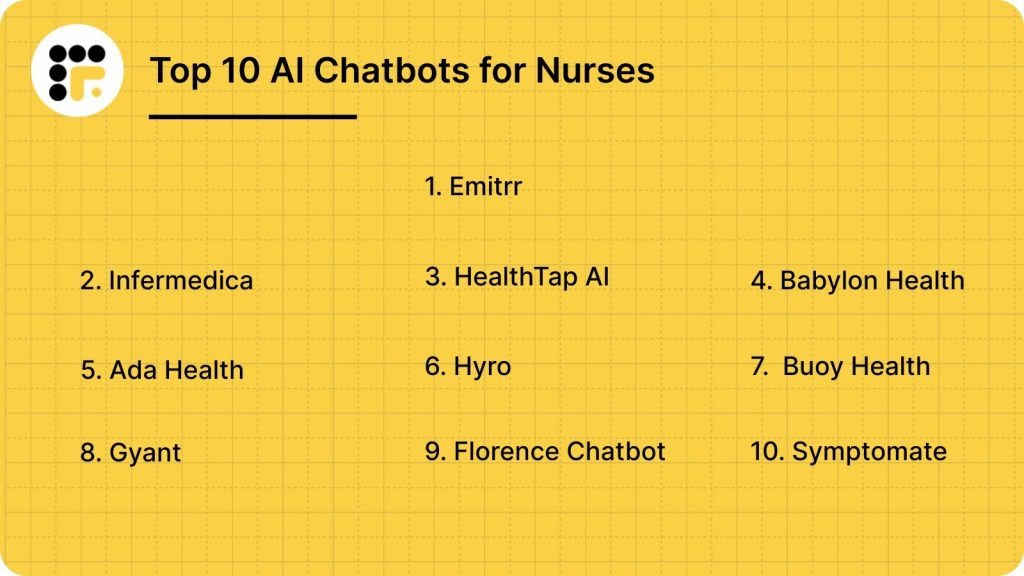
AI chatbots are becoming essential nurse tools, helping streamline communication, support triage, and reduce administrative workload. Below are the top AI chatbots designed to support nursing workflows and improve patient care efficiency.
- Emitrr
- Infermedica
- HealthTap AI
- Babylon Health
- Ada Health
- Hyro
- Buoy Health
- Gyant
- Florence Chatbot
- Symptomate
1. Emitrr
What Is Emitrr?
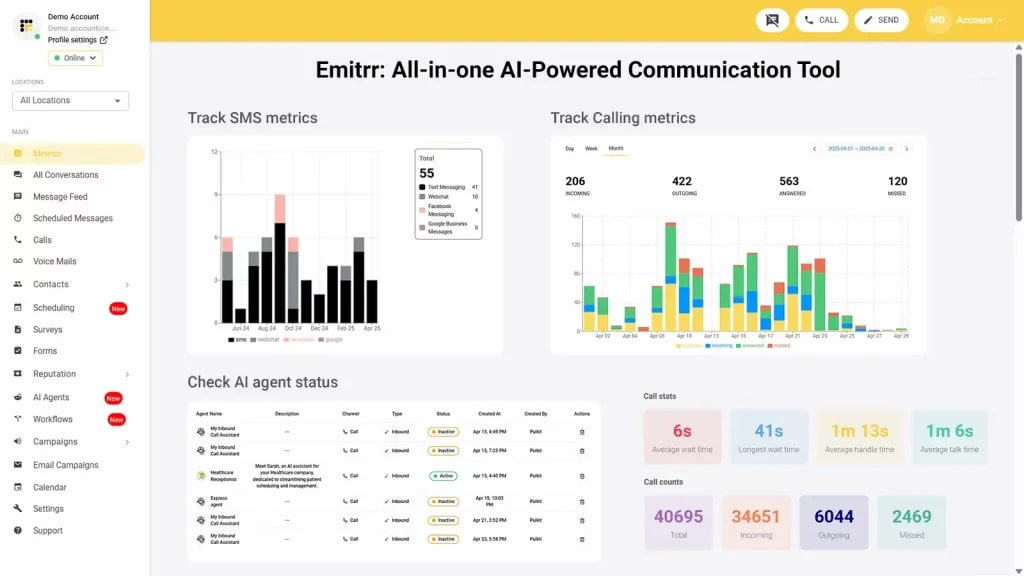
Emitrr is a powerful AI chatbot for healthcare and nursing teams designed to reduce administrative workload and enhance patient communication. It automates appointment scheduling, reminders, intake forms, follow-ups, AI-based triage, and secure two-way messaging, enabling nurses to spend less time on repetitive tasks while focusing more on patient care, compliance, and operational efficiency.
Key Features
- HIPAA-Compliant AI Call Handling: Intelligently answers, routes, and manages patient calls while ensuring HIPAA Compliant Chatbots. This reduces call overload for nurses and ensures patients receive fast, secure responses without delays.
- AI Virtual Receptionist: Handles appointment bookings, rescheduling, cancellations, and routine patient inquiries 24/7, minimizing front-desk dependency and reducing interruptions for nursing staff.
- Two-Way Texting: Enables real-time communication for appointment confirmations, reminders, care instructions, and urgent updates, reducing phone calls and improving patient engagement.
- Workflow Automation: Automates intake forms, follow-ups, reminders, and administrative workflows, reducing manual data entry, errors, and repetitive tasks commonly handled by nurses.
- AI Triage: Collects symptoms, assesses urgency, and prioritizes patients effectively, helping nurses identify critical cases faster and manage patient flow efficiently.
- Analytics & Reporting: Provides real-time insights into call volume, response times, patient engagement, and workflow performance, enabling nursing leaders to optimize operations and staffing.
Pros
- 24/7 AI support for continuous patient communication
- Significantly reduces repetitive administrative tasks for nurses
- Customizable workflows aligned with nursing and clinical processes
Cons
- Some advanced capabilities continue to evolve as new features are introduced
Pricing
- Standard Plan ($20/user/month): HIPAA-compliant scheduling, reminders, secure texting for nurses, and call handling for nursing teams and small healthcare practices.
- Professional Plan ($35/user/month): Includes AI triage, advanced analytics, and deeper workflow automation for hospitals and larger clinical environments.
Ratings
Support Options
- Email support, Help Desk, Knowledge Base, FAQs, Community Forum, Phone Support, and 24/7 Live Chat
Watch this video on customer reviews about Emitrr:
2. Infermedica

What Is Infermedica?
Infermedica is a medical AI chatbot focused on symptom assessment and clinical triage. It helps nursing teams collect patient symptoms, assess urgency levels, and guide patients toward appropriate care pathways, supporting faster decision-making and more efficient patient prioritization.
Key Features
- AI Symptom Assessment: Uses clinically validated algorithms to collect symptoms and analyze patient inputs, supporting nurses with accurate pre-assessment data before direct interaction.
- Intelligent Triage Support: Categorizes cases by urgency and recommends next steps, helping nurses prioritize critical patients and manage high patient volumes more efficiently.
- Medical Knowledge Engine: Powered by a continuously updated medical knowledge base that aligns with clinical standards, ensuring reliable and consistent patient evaluations.
- Multi-Channel Deployment: Can be deployed across web, mobile apps, and digital platforms, allowing patients to complete symptom checks before arriving at care facilities.
- EHR Integration Capabilities: Supports integration with existing healthcare systems, enabling seamless data transfer and reducing manual documentation for nursing teams.
Pros
- Strong clinical accuracy and evidence-based assessments
- Reduces manual triage workload for nurses
- Improves patient prioritization and care routing
Cons
- Limited focus on administrative automation compared to full workflow platforms
Pricing
- Pricing is not publicly available and varies based on deployment scope and integration requirements.
Ratings
Support Options
- Dedicated account management, technical support, documentation, and integration assistance
3. HealthTap AI
What Is HealthTap AI?
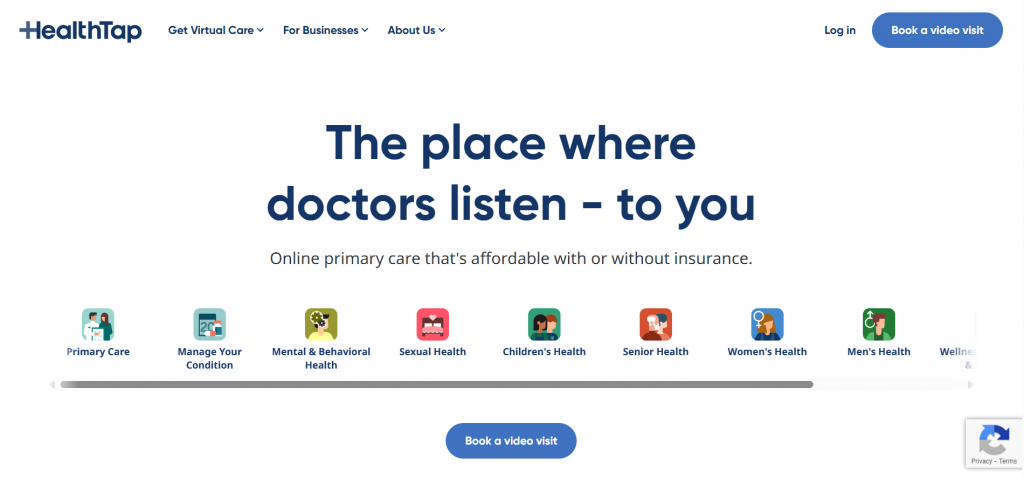
HealthTap AI is an AI-powered medical chatbot designed to support nurses and healthcare teams through virtual consultations, symptom assessment, and patient guidance. It helps triage patient concerns, delivers personalized health information, and improves access to care while reducing unnecessary in-person visits.
Key Features
- Virtual Consultations: Enable patients to connect with licensed doctors via chat or video, supporting nursing teams by reducing patient backlogs and improving care accessibility.
- AI Symptom Checker: Analyzes patient-reported symptoms and suggests possible conditions with recommended next steps, assisting nurses with early assessment and prioritization.
- Personalized Health Guidance: Provides tailored care recommendations based on patient input and medical context, helping nurses deliver consistent, informed guidance.
- Two-Way Interaction: Allows patients to ask follow-up questions and receive clarifications, reducing repeat inquiries and improving patient understanding.
- Analytics & Reporting: Tracks patient engagement, symptom patterns, and usage metrics, offering insights to help healthcare teams optimize service delivery.
Pros
- Direct access to licensed doctors for patients
- Reliable symptom triage and personalized guidance
- Reduces unnecessary clinic visits and nurse workload
Cons
- Limited EMR/EHR integration for nursing workflows
- Some advanced features require paid access
Pricing
- HealthTap offers insurance copay visits with 90-day texting, a membership option at $44 per visit with unlimited texting, or $129 per visit with 90-day texting access.
Ratings
Support Options
- Email support, Knowledge Base, FAQs, online chat, and phone support
4. Babylon Health
What Is Babylon Health?
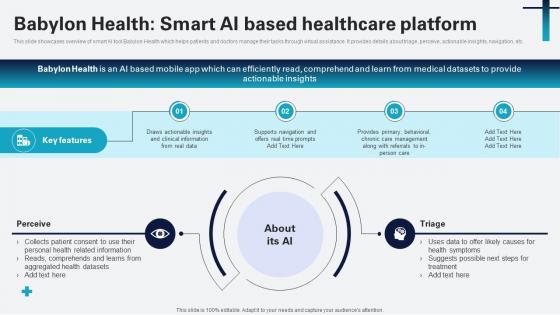
Babylon Health is an AI-powered healthcare chatbot that supports nurses and clinical teams through symptom assessment, digital triage, and virtual care services. It helps evaluate patient conditions, guide care decisions, and improve access to healthcare while reducing the workload on nursing staff.
Key Features
- AI Symptom Checker: Collects patient symptoms and uses clinical algorithms to assess possible conditions, supporting nurses with structured pre-assessment information.
- Digital Triage Support: Categorizes patients based on urgency and directs them to appropriate care pathways, enabling faster prioritization and efficient patient flow.
- Virtual Consultations: Connects patients with healthcare professionals through digital channels, reducing in-person visit demand and easing nurse workloads.
- Patient Health Monitoring: Supports ongoing health tracking and follow-ups, helping nurses monitor patient progress and intervene when needed.
- Data Insights and Reporting: Provides analytics on patient interactions and symptom trends, helping healthcare teams improve care delivery and operational efficiency.
Pros
- Strong AI-driven triage and symptom assessment
- Improves patient access to digital healthcare services
- Reduces pressure on nursing and clinical teams
Cons
- Limited customization for nursing-specific workflows
- Availability and features may vary by region
Pricing
- Pricing is not publicly disclosed and depends on deployment scale and healthcare organization requirements.
Ratings
- Ratings currently unavailable on G2.
Support Options
- Customer support, technical assistance, documentation resources, and enterprise onboarding support
5. Ada Health
What Is Ada Health?
Ada Health is an AI-powered medical chatbot that assists nurses and healthcare teams with symptom assessment, patient self-evaluation, and care navigation. It collects structured patient inputs, suggests appropriate next steps, and supports early triage, helping reduce unnecessary clinic visits while improving efficiency and patient decision-making.
Key Features
- AI Symptom Checker: Evaluates patient-reported symptoms using medical logic and provides possible conditions or recommended actions, supporting nurses with reliable pre-assessment information.
- Personalized Health Guidance: Delivers tailored recommendations based on symptoms and user inputs, helping patients understand their condition and follow care instructions more effectively.
- Virtual Health Assistant: Guides patients to appropriate care options, clinics, or digital consultations, improving access and reducing misdirected visits.
- Two-Way Interaction: Allows patients to ask follow-up questions and clarify concerns, improving understanding while reducing repetitive inquiries for nursing staff.
- Analytics & Reporting: Tracks symptom patterns, engagement metrics, and usage trends, helping healthcare teams identify common concerns and optimize care delivery.
Pros
- Accurate and clinically validated symptom assessments
- Helps reduce unnecessary clinic and emergency visits
- Improves patient awareness and engagement
Cons
- Limited EMR/EHR integration for nursing workflows
- Focused more on self-assessment than full operational automation
Pricing
- Pricing is available upon request and varies based on features, usage volume, and organizational needs.
Ratings
Support Options
- Email support, Help Center, Knowledge Base, FAQs, and live online chat assistance
6. Hyro
What Is Hyro?
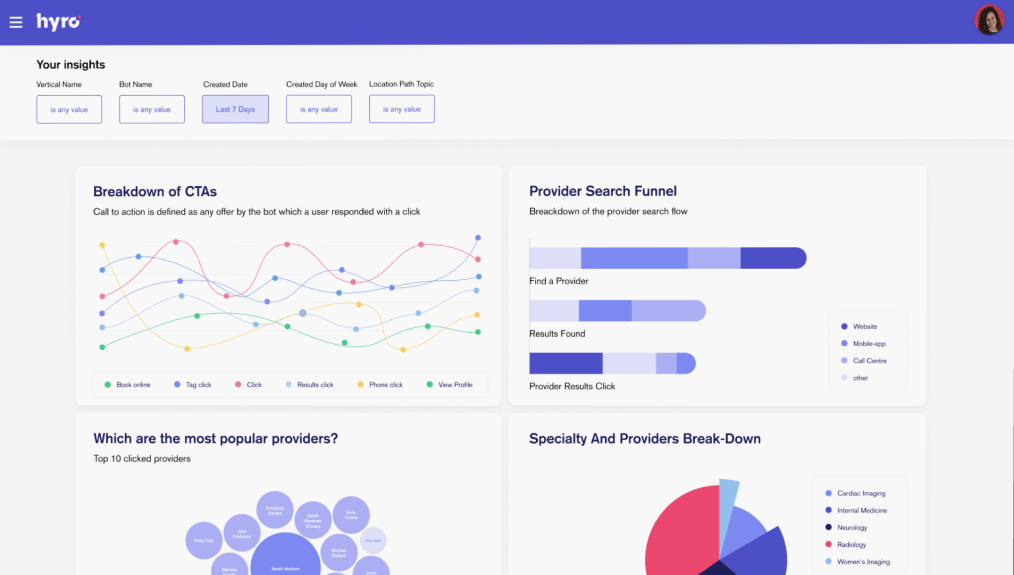
Hyro is a conversational AI platform designed for healthcare organizations to improve patient access, navigation, and communication. It supports nurses by automating patient inquiries, routing requests, and guiding patients to the right services, reducing call volumes and administrative workload.
Key Features
- Conversational AI for Patient Navigation: Understands natural language and guides patients to appointments, departments, or information, helping nurses manage patient requests efficiently.
- Voice and Chat Automation: Automates incoming calls and digital chats, answering FAQs and routing complex cases to the right care teams without manual intervention.
- Healthcare System Integration: Integrates with hospital systems, contact centers, and scheduling platforms to ensure seamless workflow continuity.
- Intent Recognition and Routing: Identifies patient intent accurately and directs requests to appropriate services, improving resolution speed and patient satisfaction.
- Analytics and Insights: Provides insights into patient behavior, call drivers, and interaction trends, helping healthcare teams optimize operations.
Pros
- Strong natural language understanding for patient interactions
- Reduces call center and front-desk workload
- Improves patient access and self-service
Cons
- Less focused on clinical triage compared to symptom-based tools
- Customization may require technical setup
Pricing
- Pricing is not publicly available and depends on organization size and deployment requirements.
Ratings
Support Options
- Dedicated customer success teams, technical support, documentation, and onboarding assistance
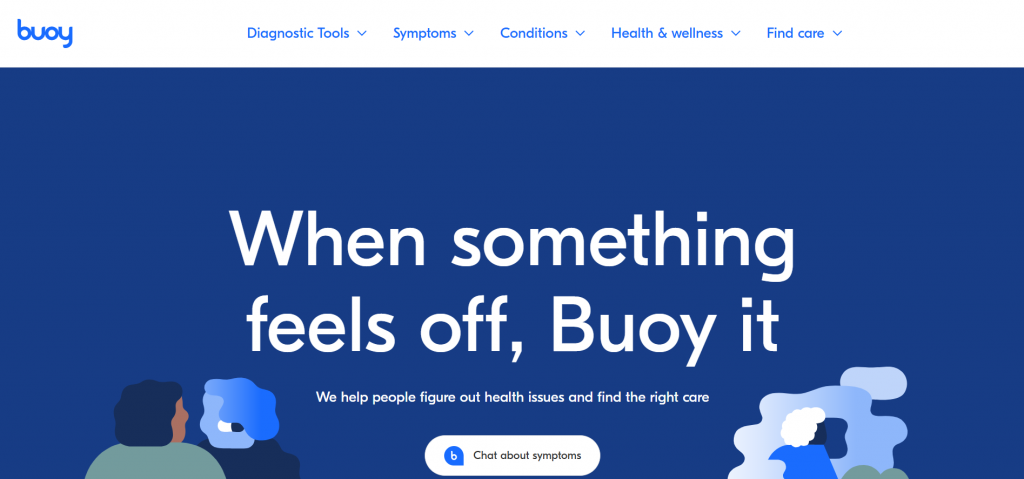
7. Buoy Health
What Is Buoy Health?
Buoy Health is an AI-powered medical chatbot that supports nurses and healthcare teams by enabling patients to self-assess symptoms, receive personalized guidance, and connect with appropriate care efficiently. It improves triage accuracy, reduces unnecessary visits, and enhances patient decision-making and access to healthcare services.
Key Features
- Symptom Checker AI: Patients enter their symptoms, and the chatbot analyzes them to provide possible conditions and recommended next steps, helping nurses prioritize cases effectively.
- Personalized Care Recommendations: Offers guidance tailored to patient inputs and medical best practices, improving patient understanding and supporting informed care decisions.
- Virtual Health Assistant: Guides patients to appropriate healthcare services, including online scheduling for nurses appointments or consultations, reducing nurse workload and improving patient flow.
- Two-Way Communication: Allows patients to ask follow-up questions and clarify concerns, enhancing understanding and reducing repetitive queries for nursing teams.
- Data Analytics: Tracks patient interactions, symptom trends, and engagement metrics, providing insights to optimize clinical workflows and improve healthcare outcomes.
Pros
- Accurate symptom assessment with actionable guidance
- Reduces unnecessary clinic and emergency room visits
- Empowers patients to manage their health proactively
Cons
- Limited integration with EMR/EHR systems
- Primarily focused on patient self-assessment rather than full practice automation
Pricing
- Contact Buoy Health for enterprise-level pricing, which varies based on usage, features, and integration requirements.
Ratings
- Ratings are currently unavailable on G2
Support Options
- Email support, Help Desk, Knowledge Base, FAQs, and live chat assistance
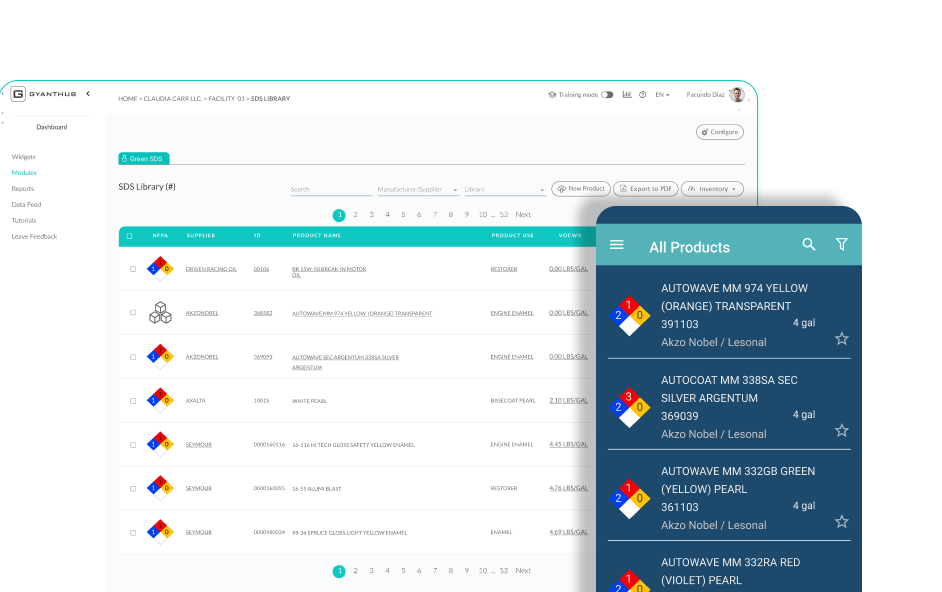
8. Gyant
What Is Gyant?
Gyant is an AI-powered medical chatbot designed for nurses and healthcare teams to streamline symptom assessment, care navigation, and appointment management. It supports triage, patient engagement, and personalized guidance, reducing administrative workload and improving clinical workflow efficiency.
Key Features
- Symptom Checker AI: Collects patient-reported symptoms and provides personalized guidance, helping nurses prioritize cases and support early triage effectively.
- Virtual Health Assistant: Guides patients through appropriate care pathways, improving navigation and reducing misdirected visits while supporting nursing workflows.
- Appointment Scheduling: Automates booking, rescheduling, and cancellations, ensuring smoother patient flow and minimizing manual scheduling tasks for nursing staff.
- Two-Way Communication: Allows patients to ask follow-up questions and clarify concerns, reducing repetitive inquiries and improving understanding between patients and nurses.
- Analytics & Reporting: Tracks patient interactions, symptom trends, and operational insights, enabling healthcare teams to optimize processes and improve overall care delivery.
Pros
- Improves patient engagement and health literacy
- Provides accurate symptom triage and care guidance
- Reduces unnecessary visits and enhances workflow efficiency
Cons
- Integration with EMR/EHR systems may require technical setup
- Some advanced features need staff training for optimal use
Pricing
- Pricing is available upon request and depends on clinic size, usage, and feature requirements.
Ratings
Support Options
- Email support, Help Center, FAQs, online chat, and phone assistance
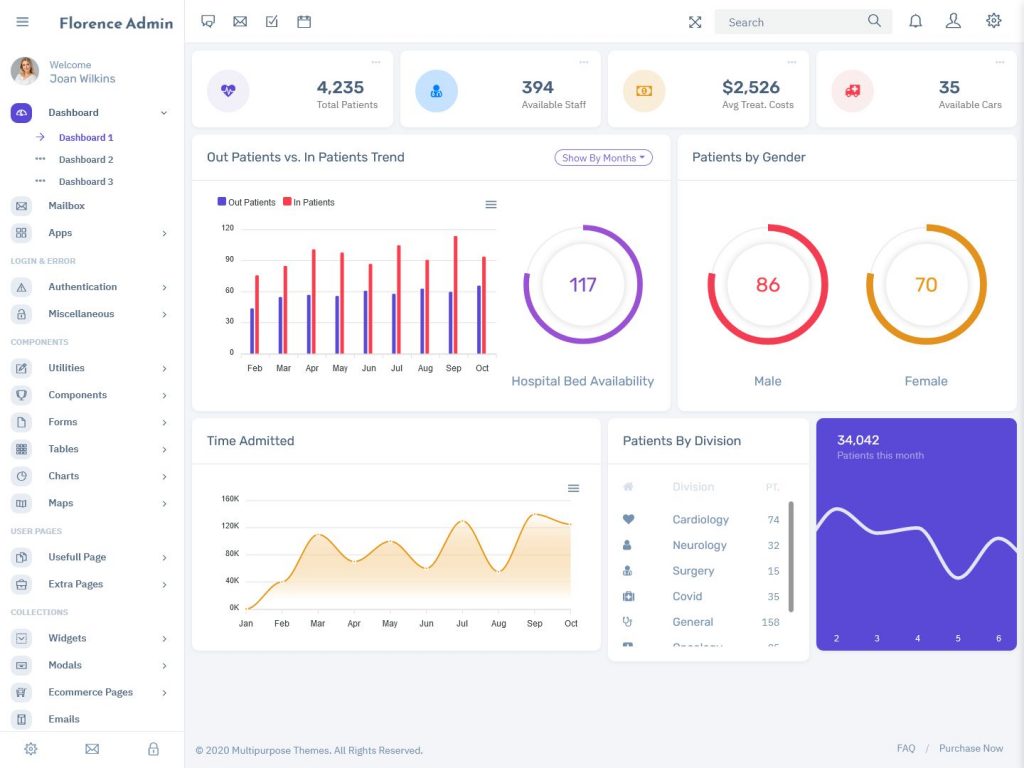
9. Florence
What Is Florence?
Florence is a personal health assistant AI for nurses chatbot designed for nurses and healthcare teams to help patients manage medications, appointments, and basic health tasks. It enhances adherence, promotes consistent care, and improves patient engagement in a simple, user-friendly manner.
Key Features
- Medication Reminders: Sends timely notifications to patients for taking medications, helping nurses ensure adherence and supporting better health outcomes.
- Appointment Tracking: Keeps patients informed about upcoming doctor visits and important health check-ups, reducing missed appointments and administrative follow-ups for nursing staff.
- Patient Engagement: Provides easy-to-understand guidance and prompts to encourage consistent health management and proactive care.
- Two-Way Interaction: Allows patients to confirm appointments, update their health status, and communicate questions, improving interaction efficiency and reducing repetitive nurse inquiries.
- Notifications & Alerts: Sends reminders for medications, appointments, and other important health tasks, supporting patient compliance and improving workflow efficiency for nursing teams.
Pros
- Simple, user-friendly interface suitable for all patients
- Improves medication adherence and appointment management
- Encourages proactive health management
Cons
- Limited AI-driven diagnostic capabilities
- Focused primarily on reminders and tracking, not full clinical automation
Pricing
- Available upon request, based on clinic size, patient volume, and selected premium features.
Ratings
Support Options
- Email support, Help Center/Knowledge Base, FAQs, and online chat for assistance
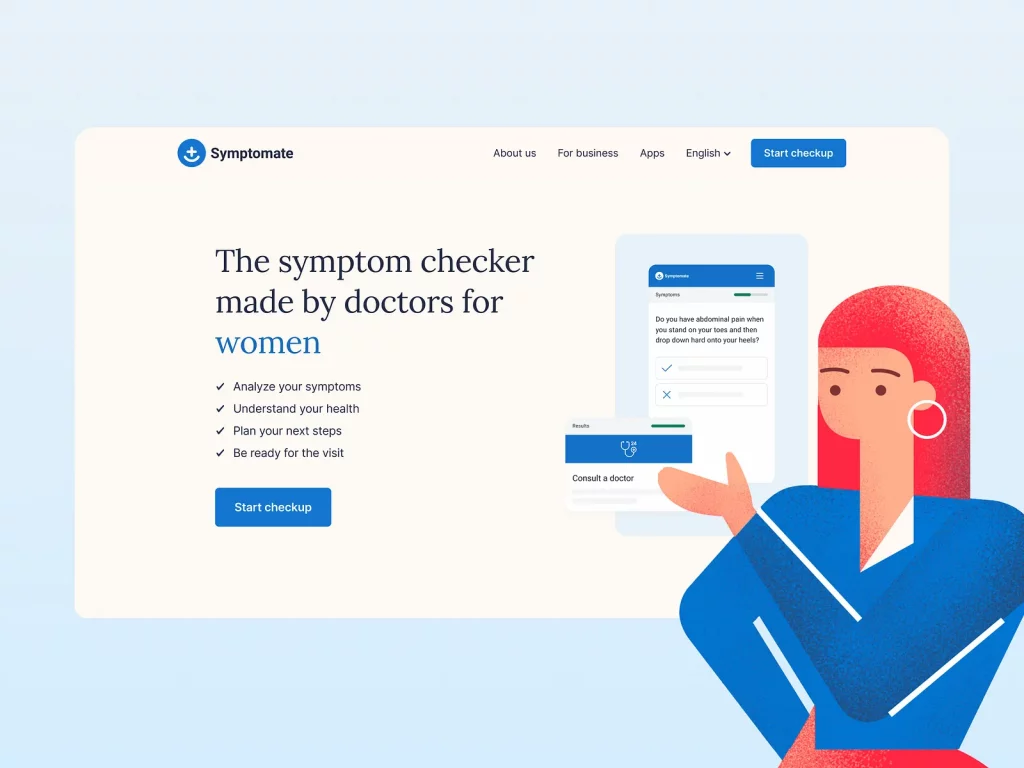
10. Symptomate
What Is Symptomate?
Symptomate is an AI-powered medical chatbot designed for nurses and healthcare teams to help patients assess symptoms, understand potential conditions, and receive personalized guidance. It supports early triage, patient education, and informed decision-making, reducing unnecessary clinic visits and easing nursing workloads.
Key Features
- AI Symptom Checker: Patients input their symptoms, and the chatbot provides possible conditions and recommended next steps, helping nurses prioritize care efficiently.
- Personalized Health Guidance: Offers tailored advice based on patient-reported symptoms and medical best practices, empowering patients to make informed health decisions.
- Virtual Health Assistant: Guides patients to appropriate care options, including clinics or virtual assistant for nurses consultations, improving patient navigation and reducing misdirected visits.
- Two-Way Interaction: Allows patients to ask follow-up questions and clarify concerns, enhancing understanding while decreasing repetitive inquiries for nursing teams.
- Analytics & Reporting: Tracks patient interactions, symptom trends, and engagement metrics, providing insights for healthcare teams to optimize workflows and patient care delivery.
Pros
- Accurate symptom assessment with actionable guidance
- Supports early triage and informed patient decisions
- Reduces unnecessary clinic visits and nurse workload
Cons
- Limited integration with EMR/EHR systems
- Focused mainly on symptom assessment rather than full practice automation
Pricing
- Available upon request, depending on features, usage, and healthcare organization requirements.
Ratings
- Ratings are currently unavailable on G2
Support Options
- Email support, Help Center, Knowledge Base, FAQs, and live chat assistance
Why Emitrr Is the Best AI Chatbot for Nurses
Emitrr is a powerful virtual nursing assistant designed to reduce administrative burden while improving patient communication and care efficiency. Built specifically for healthcare, Emitrr combines automation, compliance, and conversational AI to support nurses across scheduling, triage, follow-ups, and daily patient interactions—without replacing the human element of nursing care.
- AI-Powered Call Handling: Emitrr answers and routes patient calls instantly, reducing wait times and missed calls. Nurses receive accurate call summaries and relevant patient information, allowing them to respond faster without handling every incoming inquiry manually.
- AI Virtual Receptionist (24/7): The AI virtual receptionist supports patients around the clock by handling scheduling requests, FAQs, and basic guidance. This ensures continuous patient access while relieving nurses from after-hours communication responsibilities.
- AI-Driven Texting: Emitrr automates text-based reminders, follow-ups, and care instructions. This reduces manual outreach, improves appointment adherence, and ensures patients receive timely communication without constant nurse involvement.
- Automated Workflows: Custom workflows eliminate repetitive administrative steps such as confirmations, reminders, and data collection. Nurses benefit from streamlined processes that save time and reduce operational friction.
- Two-Way Texting: Real-time two-way texting enables nurses and patients to communicate efficiently. Patients can ask questions, share updates, and receive responses quickly, improving engagement and reducing phone call volume.
- AI Triage Capabilities: Emitrr collects symptoms, assesses urgency, and routes patients appropriately. Nurses receive structured pre-assessment data, allowing faster prioritization and more effective clinical decision-making.
- Appointment Automation: From booking to rescheduling and reminders, Emitrr automates the entire appointment lifecycle. This ensures accurate scheduling, fewer no-shows, and smoother patient flow throughout the day.
- Deep Analytics and Performance Tracking: Emitrr provides real-time insights into call volume, response times, patient engagement, and workflow efficiency. These analytics help nursing leaders identify gaps, optimize operations, and continuously improve care delivery.
Learn more about what Emitrr AI can do:
Frequently Asked Questions
Yes, medical AI chatbots are safe when they are HIPAA-compliant, use secure encryption, follow healthcare regulations, and are specifically designed to protect sensitive patient information.
AI chatbots in healthcare are conversational systems that automate patient communication, support triage, answer routine questions, and streamline administrative workflows for clinical and nursing teams.
Emitrr is one of the most comprehensive medical AI chatbots, offering compliant automation, patient communication, triage support, and workflow optimization for nursing and clinical teams.
The best AI tools for healthcare combine regulatory compliance, automation, system integration, and healthcare-specific workflows to support clinicians without disrupting patient care.
AI supports nursing by assisting with appointment scheduling, symptom collection, triage, patient communication, documentation, follow-ups, and reducing repetitive administrative tasks.
Jobs requiring human judgment, emotional intelligence, empathy, and complex clinical decision-making—such as nursing—cannot be replaced by AI, only supported through intelligent tools.
Conclusion
AI chatbots are redefining how nursing teams manage daily operations by significantly reducing administrative workload, improving patient communication, and enabling faster, more efficient care delivery. From appointment scheduling and triage to follow-ups and patient education, chatbots help nurses focus on what matters most—providing quality patient care. As chatbots in healthcare continue to evolve, adopting the right AI solution is no longer optional but essential for modern nursing environments. A well-designed chatbot improves efficiency, enhances patient satisfaction, and supports compliance without replacing the human touch nurses bring to care. Book a demo with Emitrr.