
 4.9 (400+
reviews)
4.9 (400+
reviews)
Introduction
The road to modern medical care runs through radiology. From CT scans and MRIs to X-rays and ultrasounds, radiologists are responsible for interpreting massive volumes of imaging data while maintaining precision, speed, and patient safety. But growing patient volumes, staffing shortages, administrative demands, and patients’ rising expectations have pushed radiology practices to their operational limits.
This is where AI for radiology is game-changing. Aside from interpreting images, chatbots that use AI are transforming how radiological departments handle patient communication, scheduling, triaging patients, billing, and conducting follow-ups. An AI chatbot for radiologists acts as a digital front desk, clinical assistant, and communication layer, ensuring seamless workflows while reducing burnout.
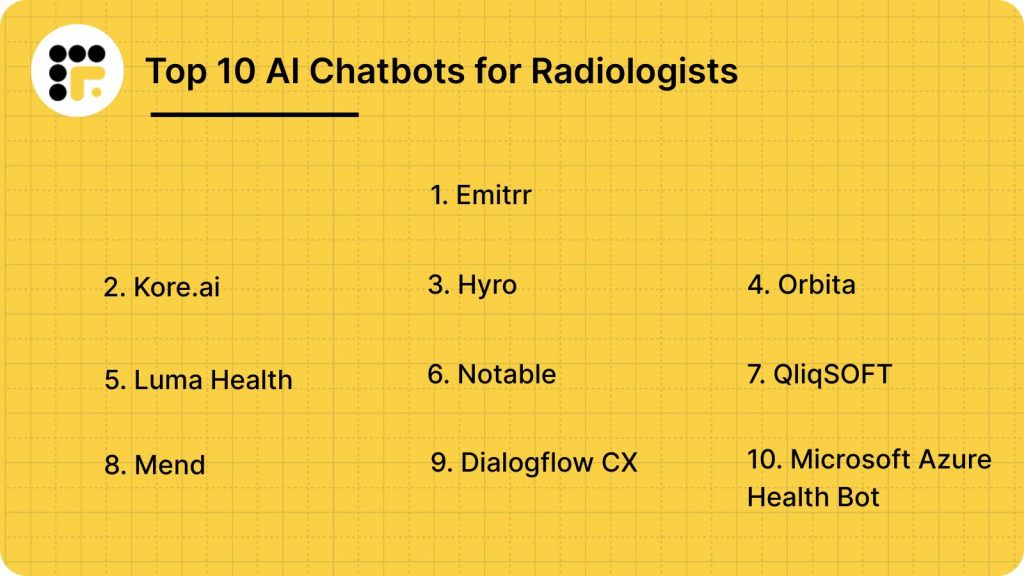
In this guide, we cover what an AI chatbot for radiologists is, why radiologists need them, the various types available, and the top 10 AI chatbots for radiology practices, with Emitrr leading the list.
What is an AI Chatbot for Radiology?
A radiology AI chatbot is an intelligent, conversational software that is purpose-built to serve radiology processes. Unlike the mundane chatbots, these solutions are knowledgeable about healthcare terminology, imaging procedure steps, and appointment flow layout, including patient preparation and compliance regulations such as HIPAA.
Chatbots today are not as basic as the original FAQs. They serve as an AI radiology assistant, scheduling appointments, capable of scheduling exams, answering patient questions, triaging urgent imaging needs, managing reminders, supporting billing inquiries, and integrating with EHR, RIS, and PACS platforms.
While AI radiology interpretation focuses on analyzing scans, chatbots complement that capability by managing communication and operational efficiency, making them indispensable in advanced radiology environments.
Why Do Radiologists Need an AI Chatbot?
Radiology professionals have special problems that conventional systems do not address.
Increased Call Volume and Missed Patient Calls
Radiology units receive a steady stream of calls for scheduling, preparation instructions, report status, and insurance questions. Missed calls translate to delays, frustration , and lost revenue.
Administrative Overload
Radiologists and workflow are drowning in non-clinical work, scheduling, following up, reminders about appointments, and billing communication.
No-show Appointments
Missed imaging appointments can ruin a patient’s schedule, increase cost, and defer diagnosis.
Complex Patient Communication
Patients frequently require clear prep instructions, reminders, and post-exam advice; failure here impacts outcomes and satisfaction.
Compliance and Security Concerns
Healthcare communication must be HIPAA-compliant, encrypted, and auditable.
This is where AI in the field of radiology excels. An AI chatbot streamlines repetitive communication, provides 24/7 access to information (reducing no-shows), enhances the patient experience, and doesn’t replace radiologists. It supports radiology teams and is in line with advanced AI for radiology strategies.
Types of AI Chatbots for Radiology
While one robust platform might cover multiple bases, it helps to understand the specific functionalities required in radiology.
AI Appointment Scheduling Chatbot
- About: This bot manages the whole booking experience. It is an intuitive platform that instantly and automatically pulls your RIS calendar to display holes between studies available in real time.
- Use Cases: A patient wishes to book a routine mammogram. The bot confirms their identity, locates a slot that is available, reserves it, and sends confirmation.
- Benefits: Fills in gaps between appointments, allows booking around the clock (even when you’re asleep), and increases appointment volume.
AI Triage and Intake Chatbot
- About: This isn’t medical diagnostic triage, it’s administrative routing. It collects early information to make sure people book the right type of appointment or flag urgent requests. It serves as an intake AI radiology aide.
- Use Cases: A radiologist received an ultrasound request in a hurry for an emergency patient. The bot inquires about symptoms and referral status, then directs the request to a human scheduler right away if it is urgent. It also gathers digital intake forms in advance.
- Benefits: Facilitates patient check-in, better control of who we believe are being taken care of (i.e., not an incorrect order entry), and fewer data entry errors.
AI Patient Communication Chatbot (Prep & Results)
- About: The primary function here is information dissemination and two-way engagement regarding procedure specifics.
- Use Cases: A patient wonders, “Can I drink water before my CT abdomen?” The bot identifies the type of procedure and gives up-to-the-minute NPO guidelines. It can also inform patients when results are available on the portal.
- Benefits: Significantly reduces cancellation rates for inadequate preparation and saves time on “Are my results even ready yet? Phone calls.
AI Insurance and Billing Chatbot
- About: Manages the financial side of the patient journey, usually the most dissatisfying part for patients.
- Use Cases: “Is a chest X-ray covered by Blue Cross?” a patient inquires. Depending on the organization’s decision, the bot can screen in real time for eligibility or give an estimate of cost from chargemaster data. It can even process bill payments through a secure link.
- Benefits: Enhances price transparency, speeds up collections, and lessens the administrative burden on billing.
Key Features to Look for in an AI Chatbot for Radiology
When assessing AI applications in radiology, make sure they have these key attributes:
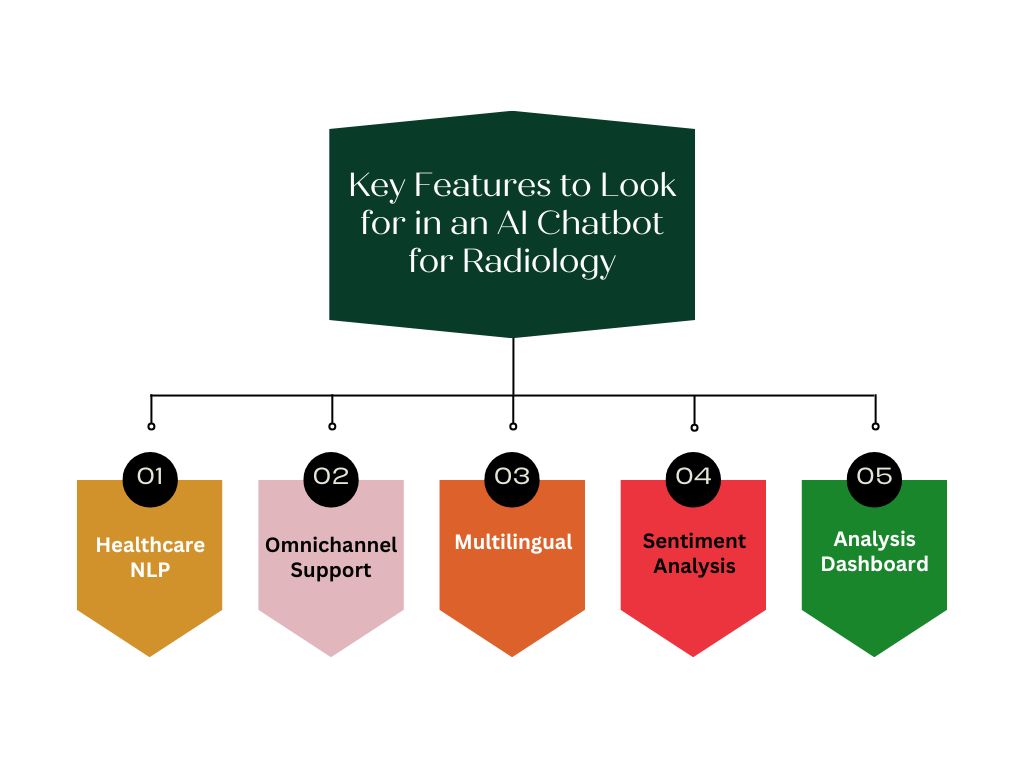
Healthcare NLP
Your bot should not have trouble distinguishing between modality, contrast, NPO, and different kinds of scans. It must understand radiology-specific terminology and patient phrasing accurately to avoid scheduling errors and ensure patients receive correct exam instructions every time.
Omnichannel Support
It has to work across web chat, SMS, and voice channels. This ensures patients can reach your practice on their preferred platform while maintaining consistent communication and unified conversation history across all touchpoints.
Multilingual
It should support real-time translation to serve the diverse patient population. Multilingual capabilities help radiology practices improve accessibility, reduce misunderstandings, and deliver equitable patient experiences regardless of language barriers.
Sentiment Analysis
The AI must be able to identify frustrated patients and transition them smoothly to human staff. By detecting tone and urgency, the chatbot prevents escalation issues and ensures sensitive or complex cases receive immediate human attention.
Analysis Dashboard
You want access to what patients are inquiring about, your top chat times, and scheduling conversions. A robust analytics dashboard helps practices identify communication gaps, optimize staffing, and improve operational efficiency through data-driven decisions.
Integration & Compliance Requirements
This is non-negotiable in healthcare. An AI for radiologist support tool is useless if it isn’t secure.
Compliance
The chatbot vendor must sign a Business Associate Agreement (BAA). All data in transit and at rest must be encrypted according to HIPAA standards. SOC 2 Type II certification is highly desirable.
Integration
Your bot should be integrated into your current tech stack (the one you already have) deeply through HL7 or FHIR Standards. It has to “speak” to your EHR/RIS (i.e., Epic, Cerner, Centricity) for schedule reads and appointment writes, maybe even your PACS for workflow triggers.
How to Select the Right AI Chatbot for Radiology?
Assess Your Biggest Pain Point
Is it missed calls, no-shows, or billing inquiries? Identify the single issue that impacts your radiology operations the most and choose a chatbot that is specifically built to solve that problem first. Addressing the primary bottleneck delivers faster ROI before expanding to secondary use cases.
Verify RIS/EHR Integration
Don’t just take their word for it. Ask for documented case studies or real-world examples showing integration with your exact RIS or EHR vendor. This ensures smoother implementation, accurate data syncing, and avoids workflow disruptions after deployment.
Test the “Brain”
Hand it a few radiology-specific examples to see if it understands clinical context or merely matches keywords. A strong AI should recognize imaging terminology, appointment nuances, and patient intent rather than providing generic or irrelevant responses.
Scalability
Evaluate how well the chatbot performs in high-volume environments across multiple imaging centers and locations. The right solution should maintain speed, accuracy, and reliability even as call volumes, patient load, and practice locations grow.
Top 10 AI Chatbots for Radiology
- Emitrr
- Kore.ai (HealthAssist)
- Hyro
- Orbita
- Luma Health
- Notable
- QliqSOFT (QliqChat)
- Mend
- Dialogflow CX (Google Cloud)
- Microsoft Azure Health Bot
1. Emitrr
Overview:
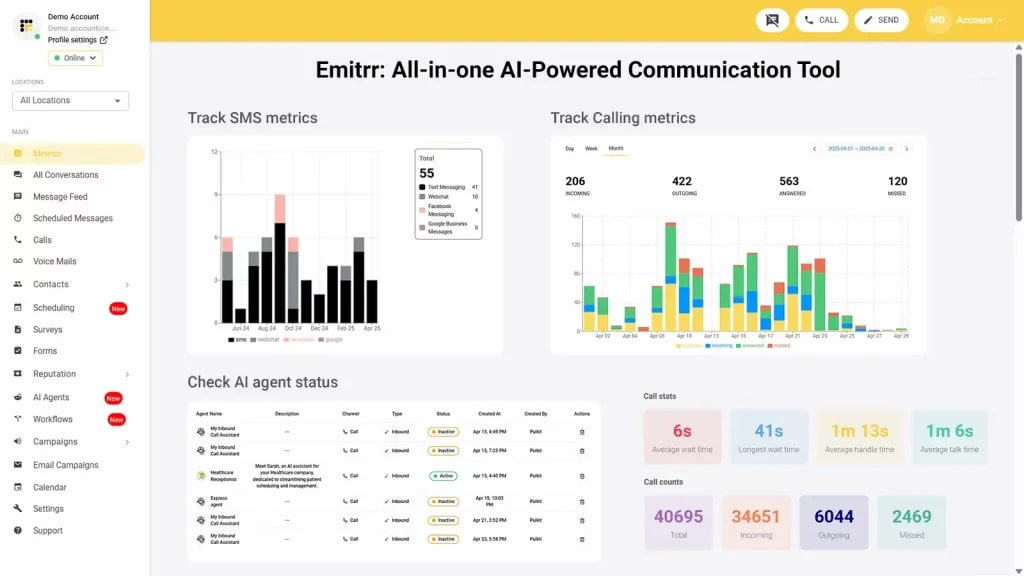
Emitrr is an AI-integrated communication platform for healthcare practices, built for HIPAA (It is compliant) as well. It automates patient communications, including calls, texts, voicemails, and web chats with 24/7 access to scheduling, reminders, triage services, and secure messaging. Integrating directly with the hospital EHR/PACS systems, Emitrr helps to optimize operations, increase patient interaction, and simplify communication for multi-site radiology practices.
Emitrr Key Features:
- 24/7 Support: Service inquiries and appointments from patients for all time zones are answered.
- Automatic Reminders: Appointment confirmations, text templates, preparation details, and follow-ups minimize patient no-shows.
- Multi-Language: Supports communication in many different languages for wider availability.
- EHR/PACS Integration: Easily integrates with your current health system, ensuring that the patient records are up to date.
- HIPAA-Compliance Secure Messaging: All patient communication is end-to-end encrypted and fully HIPAA compliant.
Emitrr Pros:
- Decreases the number of missed calls and no-shows, so patients are continuously notified and scheduled appropriately.
- Improves patient satisfaction by responding timely with customized communications after every visit.
- Reduces administrative burden on employees, allowing them to concentrate their time on higher-level tasks more effectively.
- Enhances practice productivity by helping automate common communication workflows on all paths to patients.
Emitrr Cons:
- Some advanced features are still in process and will be live soon.
Emitrr Pricing:
- Basic Plan ($20/user/month): HIPAA-compliant scheduling, automated reminders, secure two-way texting, and essential integrations – perfect for small to medium-sized clinics.
- Professional Plan ($35/user/month): Advanced analytics, predictive insights, emergency triage support, and deeper integrations for growing practices in need of greater automation.
Emitrr Ratings:
4.8/5
Emitrr Support Channels:
Provides 24/7 customer support, chat, email, and telephone support.
Emitrr Reviews:
“Emitrr has completely transformed how we handle patient calls and reminders.”
“Excellent automation for healthcare communication with strong compliance.”
Source: G2

2. Kore.ai (HealthAssist)
Overview:
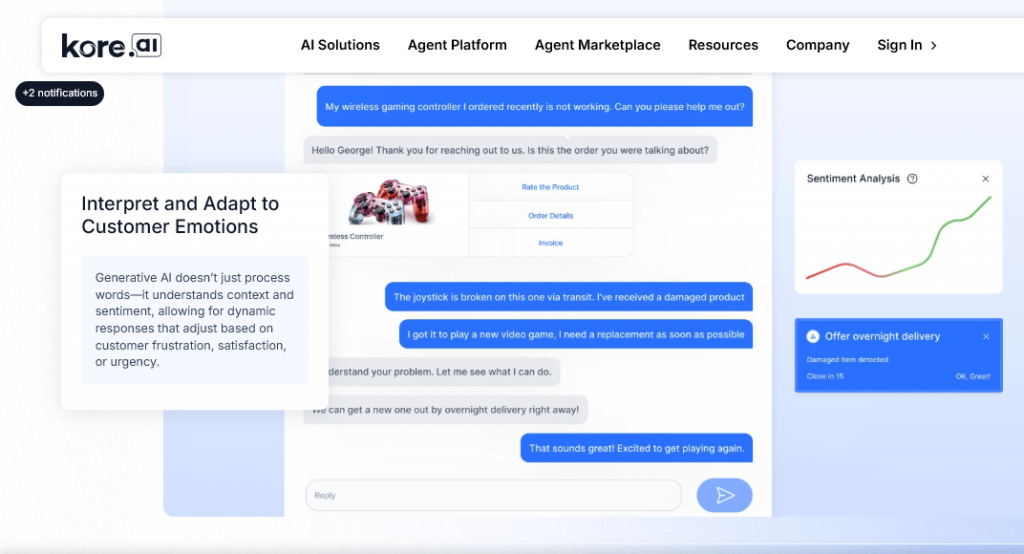
Kore. ai provides an enterprise-level conversational AI platform. Their Health Assist offering comes pre-trained on healthcare vernacular and workflows, and can manage complicated radiology scheduling, insurance verification, as well as patient FAQs across voice and digital channels.
Kore.ai Key Features:
- Pre-built Healthcare Bots: Includes domain-trained models for accelerating deployment in healthcare.
- Omnichannel Use: It operates on web, Mobile SDKs, as well as SMS and IVR (voice).
- Smart Agent Transfer: Pass off intricate queries to the human team with complete contextual understanding.
- Sophisticated Analytics: In-depth understanding of conversational flows and patient intent.
Kore.ai Pros:
- Highly configurable for enterprise hospital systems and multi-site radiology practices.
- Heavy emphasis on security and compliance certifications.
- Strong NLP for nuanced patient queries.
Kore.ai Cons:
- It can be difficult to initiate and may need large developer resources if custom integrations are necessary.
- Pricing is usually on the level of enterprise and may be expensive for smaller independents.
Kore.ai Pricing:
Pricing: The solution is charged based on usage and type of deployment (Contact Vendor).
Kore.ai Ratings:
4.7/5
Kore.ai Support Channels:
24/7 Support portal, documentation, community forum , and dedicated account management for Enterprise customers.
Kore.ai Review:
“Robust healthcare chatbot framework.”
“Strong enterprise capabilities.”
Source: G2
3. Hyro
Overview:
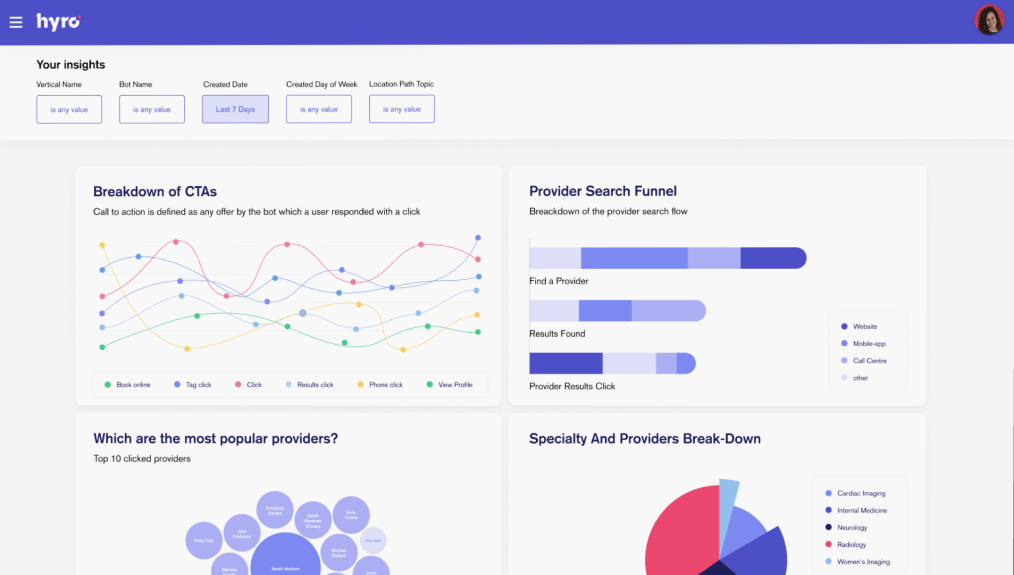
Hyro defines itself as an Adaptive Communications Platform. It leverages conversational AI to assist healthcare organizations in automating workflows, such as scheduling and FAQs. It is perhaps best known for being relatively quick to deploy, as it ingests data that you already have (such as websites and databases) so that it can quickly build a knowledge base.
Hyro Key Features
- Adaptive AI: Learns directly from your already existing organizational data instead of months of intense manual training.
- Voice & Text Automation: Manages inbound calls through AI voice bots and web chat.
- Real-time Insights: Offers dashboards on what patients are asking for and where there is a bottleneck.
- Powered by GPT: Employs big language models to improve the naturalness & dynamism of generated responses.
Hyro Pros:
- Faster speed-to-value compared to manually intensive training platforms.
- Great for deflecting the mundane calls from reception.
- Heavy emphasis on healthcare applications.
Hyro Cons:
- Custom work may be needed for tight integration into legacy RIS systems.
- Though “adaptive,” it does involve monitoring to maintain medical accuracy in responses.
Hyro Pricing:
Pricing by quote according to the number of calls/chats and features.
Hyro Ratings:
4.6/5
Hyro Support Channels:
Email support, KBs, and dedicated customer success managers.
Hyro Reviews:
“Hyro significantly reduced call center volume.”
“Great conversational AI for healthcare systems.”
Source: Capterra
4. Orbita
Overview:
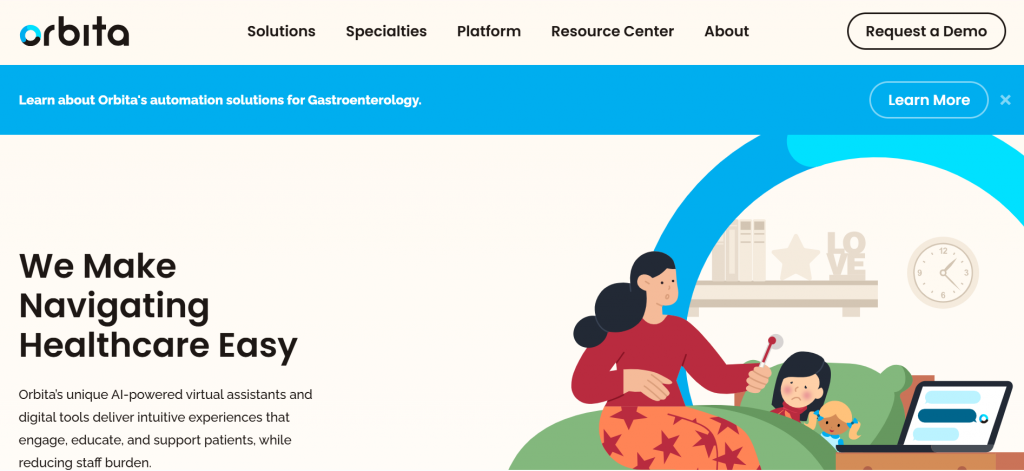
Orbita is the provider of the only enterprise-grade, HIPAA-Compliant conversational AI platform for healthcare and life sciences. It supports virtual assistants purpose-built for patient engagement, post-procedure follow-up, and care coordination, so it’s a great pick for AI for radiology practices that focus on the patient journey.
Orbita Key Features:
- Solution Blueprints: Packaged modules addressing common healthcare needs such as scheduling and symptom checking.
- Omnichannel Voice & Chat: Great coverage across voice tech (smart speakers, phone), in addition to text interfaces.
- FHIR-capable Integration: Intuitive integration with industry standards for health data exchange to connect to your EHR easily.
- No-code/Low-code Studio: Allows non-technical staff to adjust conversational flows.
Orbita Pros:
- Rich healthcare domain expertise is baked into the platform.
- Powerful tools for reaching out to patients proactively \(e.g., prep reminders).
- Excellent compliance features.
Orbita Cons:
- For smaller practices that only need basic scheduling, the feature set can be daunting.
- Impossible for small businesses to justify the price.
Orbita Pricing:
Custom enterprise pricing.
Orbita Ratings:
4.5/5
Orbita Support Channels:
Technical support, online academy and professional services.
Orbita Reviews:
“Orbita’s AI voice is impressive.”
“Strong healthcare focus.”
Source: Capterra
5. Luma Health

Overview:
Luma Health is the Total Patient Success platform. It’s not just a “chatbot,” but its machine learning background model is based on intelligent auto conversational UI via SMS& secure chat for patient access coordination, scheduling, and communication.
Luma Health Key Features:
- Smart Waitlists & Scheduling: Automates filling canceled slots via text message outreach.
- Improved Patient Follow-Up: Reminder texts that can be responded to instantly, for confirmations and scheduling changes.
- Secure Patient Chat: Two-way messaging, staff to patient (HIPAA-compliant).
- Pre-Appointment Workflows: Route digital forms and prep instructions based on appointment type.
Luma Health Pros:
- Great for combating no-shows and keeping radiology schedules full.
- Very user-friendly, for both staff and patients (SMS-first approach = high-engagement).
Robust integration capabilities with all leading EHR/PM solutions.
Luma Health Cons:
- Not “Abstract Q&A bot” but one with conversational structure and workflow.
- Pricing model can become costly as you continue adding modules.
Luma Health Pricing:
Pricing: Customized according to the number of providers and modules.
Luma Health Ratings:
4.7/5
Luma Health Support Channels:
Chat support, help center, and dedicated implementation specialists.
Luma Health Reviews:
“Luma has completely transformed our scheduling process. The smart waitlist feature alone fills gaps we used to lose revenue on. Our no-show rate plummeted.”
“The automated reminders and secure chat are fantastic. Patients love being able to text us, and it saves our front desk hours every day.”
Source: G2
6. Notable
Overview:
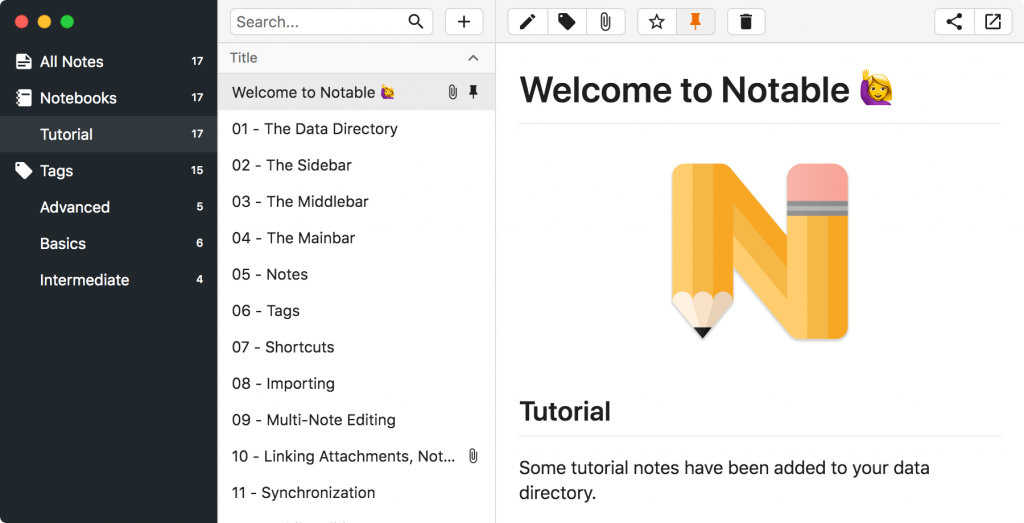
Notable is a smart automation platform for health care. It does so by deploying AI that reads EHRs and automates workflows. Its conversational AI feature drives patient engagement for intake, scheduling, and payment, hoping to reduce manual work from radiology administration.
Notable Key Features:
- AI-Powered Digital Intake: Bots gather patient history and insurance information pre-visit and write it back to the EHR.
- Automated Scheduling & Outreach: Proactively contacts patients who are due for a screening (e.g., mammography) to schedule it.
- Pay Automation: Automated prompt call and collects co-pays, balances through secured digital channels.
- RPA (Robotic Process Automation): Behind the scenes, it does things like make repetitive mouse clicks and type in data for staff.
Notable Pros:
- Real end-to-end automation, not chatbots in a box.
- Massively decreases data entry errors for patients and staff.
- Customizability for a better fit to radiology workflows.
Notable Cons:
- Roll-out can be comprehensive because the automation and integration are deep.
- Best for mid-sized practices or health systems prepared for the digital shift.
Notable Pricing:
Contact the vendor for pricing.
Notable Ratings:
4.8/5
Notable Support Channels:
Dedicated customer success and technical support team.
Notable Reviews:
“Notable’s ability to automate the intake process and write data back to the chart is a game-changer. It saves our techs time on every patient.”
“Great platform for streamlining patient registration and payments. The AI accurately captures insurance information.”
Source: G2
7. QliqSOFT (QliqChat)
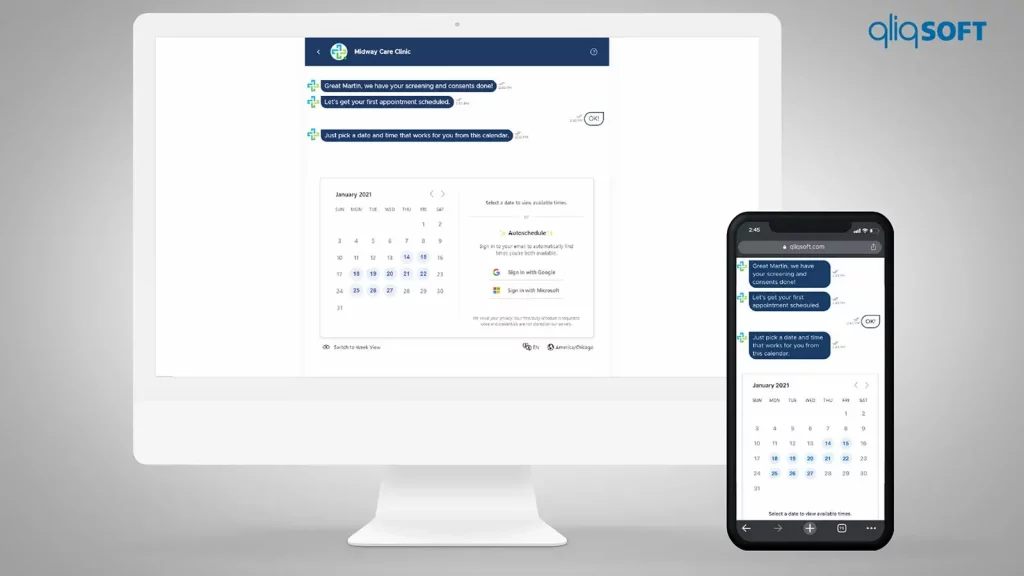
Overview:
QliqSOFT is a secure clinical communication and patient engagement platform. QliqChat platform features chatbot support that strengthens the secure connection of patients and clinical teams, an outstanding pre- and post-procedure communication AI radiology assistant tool.
QliqSOFT Key Features:
- Chatbot Templates: Ready-to-go bots for scheduling appointments, filling prescriptions, and checking symptoms.
- Secure Texting: HIPAA-compliant messaging backbone for all communications.
- Virtual Visits: Integrated telehealth capabilities.
- Campaign Management: Broadcast messaging for patient population engagement (i.e., screening reminders).
QliqSOFT Pros:
- Focus on security and HIPAA complaint.
- Internal messaging for staff combined with patient-facing bots.
- Standard chatbot templates that are easily deployable.
QliqSOFT Cons:
- The user interface may seem a little dated when compared to those of new kids on the block.
- The AI features are rules-based rather than sophisticated generative AI models.
QliqSOFT Pricing:
Price: The product is available at tiered pricing based on features and the number of users (Contact the vendor).
QliqSOFT Ratings:
4.5/5
QliqSOFT Support Channels:
24/7 US-based customer service, online knowledge base.
QliqSOFT Reviews:
“QliqChat is excellent for secure communication. We use their bots for basic patient intake, and it works flawlessly with our compliance requirements.”
“Solid platform for secure messaging. The chatbot features help manage inbound patient requests efficiently.”
Source: G2
8. Mend

Overview:
Mend is best known as a full-service telehealth and patient engagement platform. It employs AI and machine learning to predict no- shows and automate scheduling and reminders to ensure that radiology utilization remains high.
Mend Key Features:
- AI Predictive No-Show Algorithms: Able to flag patients who are likely not show up so that staff can intervene.
- Automatic Scheduling & Reminders: Smart systems to automatically confirm appointments via text and email.
- Digital Intake Forms: Automatically sends modality-specific forms to patients before they arrive
- Integrated Telemedicine: For consultations before or after imaging procedures.
Mend Pros:
- No-show predictive analytics is a powerful and unique tool for the radiology bottom line.
- All-in-one platform for intake, scheduling, and telehealth.
- The facility is high volume to help ease your administrative burden.
Mend Cons:
- It’s less of a free-form conversational chatbot and more of a structured engagement platform.
- The price may seem steep for smaller clinics that do not require the telehealth portions.
Mend Pricing:
Quote-based cost depending on practice size and volume.
Mend Ratings:
4.3/5
Mend Support Channels:
Chat, email, and phone support; customer success manager for enterprise plans.
Mend Reviews:
“Mend radically dropped our no-show rate. The automated reminders are persistent but polite, and patients appreciate the digital forms.”
“A very robust platform for patient access. The integration was challenging initially, but the payoff in efficiency has been huge.”
Source: Capterra
9. Dialogflow CX (Google Cloud)
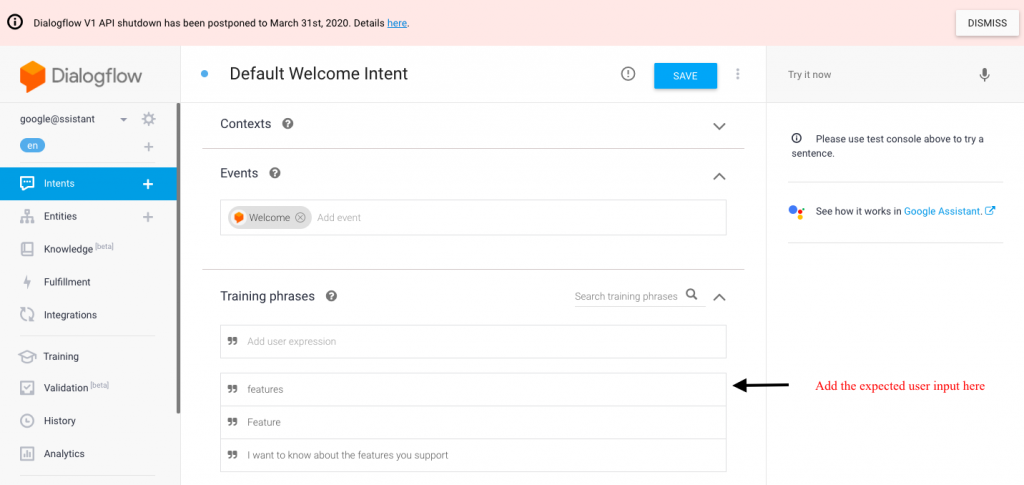
Overview:
Dialogflow CX is Google Cloud’s new family of utilities for developing conversational AI. Although it requires some development work (or a partner) to build into a radiology practice, it comes with state-of-the-art NLU (Natural Language Understanding) and powers a slew of custom healthcare bots. This is a strong backbone to develop AI solutions in radiology.
Dialogflow CX Key Features:
- Advanced NLU: Leverages Google’s newest AI research for understanding complex intent and context.
- Visual Flow Builder: Drag-and-drop interface to design intricate conversation paths.
- Healthcare NLP API Integration: It is supported to attach to Google’s dedicated healthcare APIs for parsing medical entities from text.
- Omnichannel: Deploy on phones (Contact Center AI), through the web, and in mobile apps.
Dialogflow CX Pros:
- Very powerful and very flexible; able to use for almost any conversational flow you imagine.
- Runs in Google Cloud with all the infrastructure and security that implies (HIPAA compliant when set up properly on GCP).
- Scales to handle massive volumes.
Dialogflow CX Cons:
- Not an out-of-the-box solution; requires significant development expertise to build and maintain a radiology-specific bot.
- Total cost of ownership, involving time to develop and cloud rates.
Dialogflow CX Pricing:
Pay-as-you-go based on the number of requests and audio duration.
Dialogflow CX Ratings:
4.5/5
Dialogflow CX Support Channels:
Google Cloud support, comprehensive developer documentation, and industry-standard community forums.
Dialogflow CX Reviews:
“The NLU in Dialogflow CX is best-in-class. We built a very complex scheduling assistant with it. It requires a learning curve, but the results are powerful.”
“Great flexibility for designing complex conversations. You need a good developer team to leverage it fully in a regulated environment like healthcare.”
Source: G2
10. Microsoft Azure Health Bot
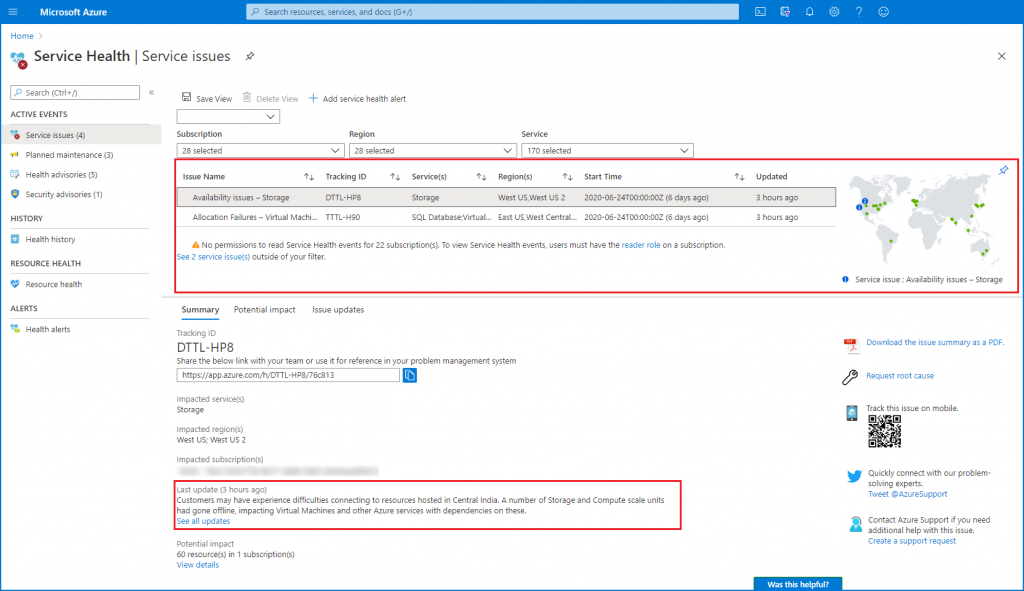
Overview:
Like Dialogflow, this is a cloud platform for developers, but specifically built by Microsoft for the health industry. It offers pre-built medical knowledge and compliance structures, so bots can be built for triage, scheduling, and information faster.
Microsoft Azure Health Bot Features:
- Medical Knowledge Included: Symptom checking routines, medical data, and terminology.
- Compliance/Security: Developed on Azure to be compliant with HIPAA and HITRUST certified.
- Visual Designer: Low code for dialogue flow (full screen).
- Integration: With other Microsoft tools (Teams, Dynamics 365) and with external EHRs via FHIR.
Microsoft Azure Health Bot Pros:
- Excellent head start from pre-loaded medical content, which means less time spent on training.
- Microsoft-level security and scale for business-grade needs.
- Nice choice if your company is already using the Microsoft family of products.
Microsoft Azure Health Bot Cons:
- As with Google, this is a framework for creating bots, not something ready to be put right into use by a radiology practice.
- Needs technical loads when being adopted and integrated.
Microsoft Azure Health Bot Pricing:
Pricing based on usage (per message/minute) using an Azure subscription.
Microsoft Azure Health Bot Ratings:
4.4/5
Microsoft Azure Health Bot Support Channels:
Azure support plans, extensive technical documentation, and developer communities.
Microsoft Azure Health Bot Reviews:
“The built-in healthcare templates saved us months of development time. It’s a secure and scalable way to build patient-facing bots.”
“Powerful platform if you have the development resources. The integration with the rest of the Azure stack is seamless.
Source: G2
Why is Emitrr the Best AI Chatbot for Radiologists?
Radiology groups demand a solution for secure, HIPAA-compliant, and smart communication. Emitrr is an AI answering service for radiologists by streamlining automation, integrations, and patient-first workflows to drive practice efficiency and satisfaction.
AI-Powered Call Handling
Emitrr makes use of revolutionary technology, AI & NLP to answer the incoming calls, smartly distribute the queries, and receive many calls all at once. This reduces waiting times, prioritizes urgent cases, and provides valid responses without overburdening their staff.
Virtual Receptionist Tailored for Healthcare
Emitrr’s virtual receptionist is purpose-built for healthcare environments. Fully HIPAA-compliant, it ensures secure handling of patient information and sensitive conversations, allowing radiology teams to manage calls confidently while meeting regulatory standards.
Automated Workflow + Appointment Scheduling
The platform automates appointment scheduling, FAQs, and follow-ups after missed calls. Integration directly into current scheduling systems ensures up-to-date calendars, a better patient experience overall, and seamless prep instructions, all with less administrative burden for radiology teams.
Patient Reminders, Follow-Ups, and Triage
Send automatic SMS reminders/follow-ups, and answer patient queries without lifting a finger with Emitrr. This cuts down on no-shows by providing timely prep guidance and triaging urgent imaging requests, in essence functioning as a virtual administrative AI radiology assistant.
Integration with Hospital Systems (CRM/EHR/EMR)
Emitrr connects to 500+ EHR, PMS, and CRM systems for real-time scheduling updates, syncing of patient records, and strong communication throughout departments, as well as different imaging modalities.
Scalable and Cost-Effective
Emitrr scales easily to multiple locations and makes handling large call volumes easy for a radiology practice. By taking over functionalities for automatic communication with 24/7 availability, it reduces staffing costs and is an affordable option when looking for the top chatbot for radiologists.
Frequently Asked Questions
Yes. There are mainly two categories of AI: Clinical AI, radiology interpretation (helping to analyze images), and operational AI for radiology (automating everything from scheduling, patient communication, and billing).
Yes. Today, a lot of AI chatbots that are specialized for healthcare are available. Unlike generic bots, these are trained on medical terminology, designed for clinical workflows, and built to be HIPAA-compliant.
No, AI will not replace radiologists. Rather, radiologists who embrace advanced AI for radiology will outperform those who don’t. AI can help in decision-making and perform mundane, repetitive tasks so clinicians can focus on diagnosis and patient care.
Yes. AI radiology interpretation tools scan CT scans, MRIs, and X-rays to flag potential abnormalities, allowing radiologists to triage the most urgent cases faster and diagnose conditions more quickly.
The best AI is case-specific. Tools like Aidoc and Viz. AI leads the way in image analysis, while Emitrr is the top chatbot for radiologists in practice operations, patient communication, scheduling, and healthcare automation.
Conclusion
The use of AI for radiology is moving from a differentiator to an operational necessity. Given the large volume of imaging, and that patients (quite rightly) are used to each other expecting instantaneous digital communication, it’s not sustainable by hand. When you deploy the appropriate type of AI chatbot, one that is HIPAA-compliant, links to your RIS, and can accommodate complex workflows, you aren’t just buying software; you are hiring a 24/7 AI radiology assistant that never gets tired.
Though there are many good options available, the answer lies in solutions like Emitrr, which combine voice, text, and deep automation all tailored for healthcare to offer the most direct path to reducing burnout and improving the patient experience. Book a demo today.