
 4.9 (400+
reviews)
4.9 (400+
reviews)
Introduction
The demand for mental health support has grown rapidly, putting enormous pressure on therapists and practice owners. With increasing caseloads, rising patient expectations, and the need for quicker responses, traditional workflows often fall short. This has pushed mental health practices to explore smarter, technology-driven solutions to improve efficiency and patient care.
One of the most impactful innovations is the rise of AI therapy chatbot tools designed not to replace therapists but to support them. These systems help manage communication, scheduling, intake, triage, and ongoing patient engagement, enabling practices to provide faster and more consistent support.
This blog explores what an AI chatbot for therapists is, why mental health professionals need one, and the top platforms available today. It also highlights why Emitrr stands out as the most comprehensive automation solution for therapy practices.
What Is an AI Chatbot for Therapists?
An AI chatbot for therapists is a smart, automated communication system designed specifically to support mental health professionals in managing day-to-day tasks. Instead of providing therapy or acting as a clinician, these chatbots assist with administrative and patient engagement activities that typically consume a large portion of a therapist’s time.
These systems use natural language processing (NLP) and workflow automation to understand patient messages, respond conversationally, and complete tasks such as online appointment scheduling, patient triage, sending reminders, collecting intake forms, answering FAQs, and keeping patients engaged between sessions.
It’s important to differentiate between clinical therapeutic AI and administrative AI.
- Clinical Therapeutic AI: Clinical therapeutic AI is designed to mimic supportive conversations, emotional guidance, and basic mental health exercises. Its purpose is to complement emotional support, not diagnose, treat, or manage clinical mental health conditions.
- Administrative AI: Administrative AI such as Emitrr focuses exclusively on operational support for therapists. It manages communication, online scheduling for therapists, reminders, intake, and workflow automation without providing clinical advice.
Why Do Therapists Need an AI Chatbot?
Therapists face growing administrative pressure, rising patient demands, and limited time. AI chatbots help automate routine tasks, improve response speed, enhance patient experience, and reduce burnout, allowing therapists to focus more on delivering quality care.
Administrative Overload
Therapists often spend hours handling scheduling, reminders, intake forms, and follow-ups. An AI chatbot automates these repetitive tasks, ensuring nothing is missed. By removing manual work, practices become more efficient, patient onboarding becomes smoother, and therapists can dedicate more time to clinical care rather than paperwork.
High No-Show Rates
Missed appointments impact revenue and disrupt treatment plans. AI chatbots automatically send reminders, confirmations, and rescheduling prompts to reduce no-shows significantly. This consistent follow-up keeps patients accountable, improving appointment attendance and helping therapists maintain a predictable, stable workflow.
Inconsistent Patient Communication
Therapists cannot always respond instantly, but patients expect timely updates. AI chatbots ensure every inquiry—whether about sessions, forms, or instructions—receives an immediate reply. This creates a smoother communication experience and builds trust without requiring therapists to stay glued to their phones.
Compliance and Secure Communication
Therapists must maintain HIPAA Compliant Chatbot, protect patient data, and ensure accurate documentation. AI chatbots support secure messaging, encrypted data handling, and reliable record-keeping. This minimizes compliance risks and ensures sensitive conversations and forms are managed safely without manual intervention.
Demand for 24/7 Support
Patients expect quick replies and round-the-clock availability, which is impossible for therapists to manage alone. An AI chatbot provides reliable 24/7 virtual assistance for therapists—answering FAQs, sending resources, and capturing inquiries—ensuring patients feel supported even outside office hours.
Therapist Burnout
Managing full caseloads, administrative tasks, and constant communication can cause burnout. AI chatbots reduce this pressure by taking over routine operational work. Therapists can maintain healthier boundaries, focus on meaningful sessions, and regain time for preparation, rest, and professional growth.
Types of AI Chatbots for Therapists
AI chatbots for therapists automate key tasks like scheduling, triage, patient communication, and billing. They streamline workflows, reduce administrative workload, and enhance patient engagement, allowing therapists to focus on delivering high-quality mental health care.
AI Appointment Scheduling Chatbot
An AI appointment scheduling chatbot automates booking, confirmations, reminders, cancellations, and follow-ups without requiring manual involvement. It manages calendars, therapist availability, patient preferences, and schedule changes in real time—ensuring seamless appointment coordination while reducing administrative workload across the entire mental health practice.
Use Cases
- New Appointment Requests: Automatically captures new patient inquiries, collects required information, and schedules appointments instantly, reducing wait times and improving patient onboarding.
- Rescheduling Workflows: Handles reschedule requests by offering updated available slots and confirming changes without staff intervention, ensuring minimal disruption to the therapist’s calendar.
- No-Show Prevention: Sends automated reminders, confirmation prompts, and last-minute alerts to significantly reduce missed appointments and strengthen patient accountability.
Benefits
- Lower Admin Workload: Automates time-consuming scheduling tasks, enabling front-desk teams and therapists to focus on patient care instead of calendar management.
- 24/7 Scheduling Access: Allows patients to book or modify sessions anytime, increasing convenience and reducing dependency on office hours.
- Higher Patient Satisfaction: Provides instant responses and easy scheduling, improving patient experience and reducing frustration from long waiting times.
AI Triage Chatbot
An AI triage chatbot screens patients before appointments, helping identify concerns, assess urgency, and collect essential background information. It streamlines initial evaluations, routes critical cases appropriately, and equips therapists with better context, ensuring each session begins with accurate and timely insights.
Use Cases
- Identify Patient Concerns: Analyzes messages for keywords related to stress, anxiety, depression, or emotional changes to categorize patient needs before the session.
- Crisis Routing: Recognizes crisis indicators and redirects patients to emergency support or appropriate channels while maintaining safety protocols.
- Pre-Session History Collection: Gathers previous experiences, symptoms, or session goals to help therapists prepare effectively and maximize session value.
Benefits
- Faster Evaluations: Accelerates initial assessment by collecting essential information upfront, reducing time spent on pre-session discovery.
- Urgency Prioritization: Helps therapists identify which cases need immediate attention, improving patient safety and workflow organization.
- Better Session Preparation: Allows therapists to enter sessions with context, making conversations more focused and productive.
AI Patient Communication Chatbot
An AI patient communication chatbot manages conversational interactions through SMS, website chat, and messaging tools. It answers routine questions, sends forms, shares instructions, and offers non-clinical resources, ensuring patients always receive timely information without requiring constant therapist or staff availability.
Use Cases
- Answer FAQs: Responds instantly to common questions about services, session timings, pricing, or policies, reducing repetitive inquiries handled by staff.
- Aftercare Instructions: Sends personalized, non-clinical post-session guidance to help patients follow recommended steps and improve treatment continuity.
- Share Mental Health Resources: Delivers supportive educational content, self-help material, and practice guidelines without offering therapy or clinical advice.
Benefits
- Enhanced Engagement: Keeps patients informed and connected between sessions, improving retention and satisfaction.
- Faster Response Times: Provides immediate answers, reducing delays and boosting overall communication efficiency.
- Consistent Messaging: Ensures patients always receive accurate, standardized information.
AI Insurance & Billing Chatbot
An AI insurance and billing chatbot automates eligibility checks, billing questions, co-pay details, invoice delivery, and payment reminders. It reduces administrative bottlenecks, improves financial transparency for patients, and ensures therapists get paid faster without constant manual follow-ups.
Use Cases
- Insurance Eligibility Check: Verifies coverage details automatically and informs patients of eligibility before their sessions.
- Co-Pay & Deductible Updates: Provides patients with accurate cost estimates, reducing confusion and preventing billing disputes.
- Invoice Sending: Delivers invoices instantly, ensuring patients receive financial documents on time.
Benefits
- Less Financial Admin Work: Reduces time spent verifying insurance, following up on payments, and resolving billing questions.
- Reduced Billing Errors: Minimizes manual mistakes and ensures consistent financial accuracy.
- Faster Revenue Cycles: Speeds up payments, improving cash flow for therapy practices.
Key Features to Look for in an AI Chatbot for Therapists
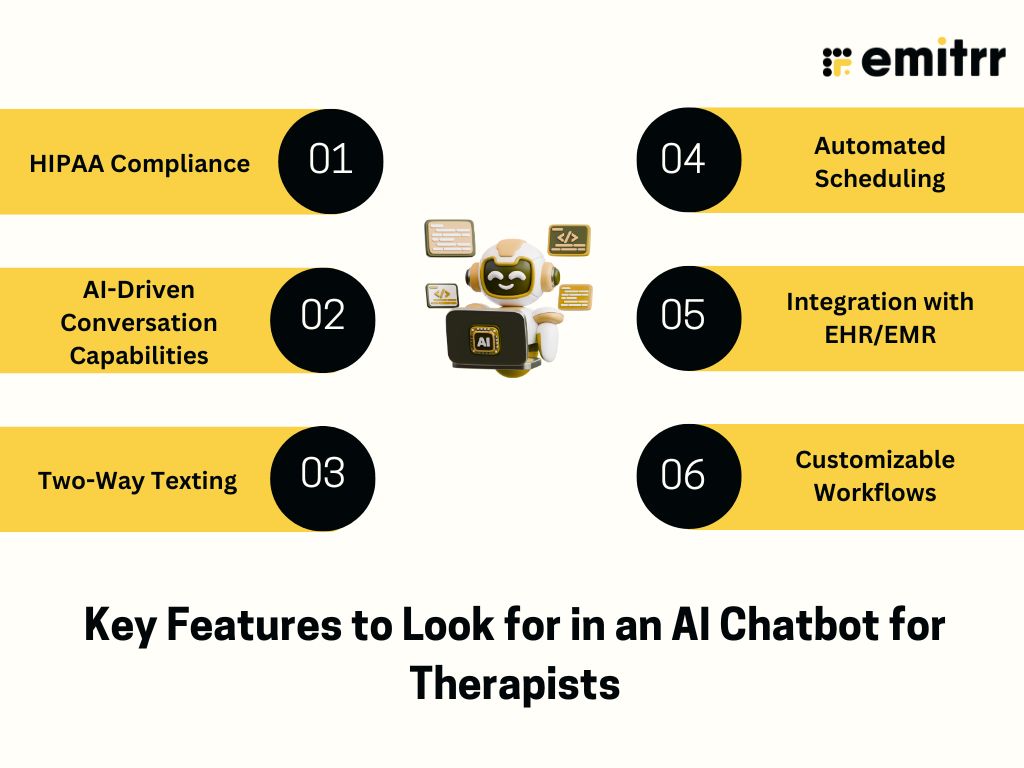
Choosing the right AI chatbot requires attention to features that enhance efficiency, patient experience, and compliance. The best platforms combine HIPAA-ready security, workflow automation, communication tools, and analytics to support therapists without replacing clinical care.
HIPAA Compliance
A chatbot must adhere to HIPAA regulations to ensure patient privacy and secure communication. It should handle protected health information (PHI) safely, encrypt data, and maintain audit logs, minimizing legal risks and safeguarding sensitive patient interactions.
AI-Driven Conversation Capabilities
The chatbot should understand and respond naturally to patient queries using AI and natural language processing. This allows realistic, helpful interactions for FAQs, pre-session intake, and follow-ups, enhancing engagement and reducing the burden on staff.
Two-Way Texting
Two-way texting enables direct, real-time communication between therapists and patients. Chatbots can send reminders, respond to inquiries, and maintain ongoing engagement, improving patient satisfaction while reducing the need for manual follow-up by office staff.
Automated Scheduling
The chatbot should handle appointment booking, confirmations, cancellations, and rescheduling automatically. This reduces administrative work, prevents scheduling conflicts, ensures 24/7 availability, and improves patient convenience without requiring constant staff attention.
Integration with EHR/EMR
Integration with platforms like SimplePractice or TherapyNotes ensures smooth data flow between the chatbot and patient records. This keeps information accurate, updates schedules, tracks intake forms, and supports streamlined clinical workflows.
Customizable Workflows
Therapists should be able to configure chatbot workflows to fit their practice needs. Custom scripts, logic, and automations allow the bot to handle intake, follow-ups, reminders, or billing in ways that match unique operational requirements.
Integration & Compliance Requirements
When selecting a therapy chatbot, compliance and secure integration are critical to protect patient data, maintain regulatory standards, and ensure smooth practice operations. A compliant chatbot ensures that sensitive information is handled safely while supporting operational efficiency.
HIPAA-Ready Communication
The chatbot must comply with HIPAA regulations, ensuring all patient interactions are secure and confidential. This includes encrypted messaging, secure storage of patient information, and adherence to privacy guidelines to protect sensitive mental health data.
Secure Encryption
All data exchanged between patients and the chatbot should be encrypted both in transit and at rest. Strong encryption protects against unauthorized access, data breaches, and ensures confidential handling of intake forms, messages, and other sensitive information.
Data Access Logs
Comprehensive logging tracks who accesses patient information, when, and for what purpose. This provides transparency, accountability, and audit-ready documentation to meet regulatory standards and maintain the integrity of sensitive healthcare data.
PHI Handling Standards
The chatbot must safely handle Protected Health Information (PHI), including personal, medical AI chatbot, and session-related data. Proper access controls, storage policies, and processing rules prevent misuse and ensure compliance with healthcare regulations.
How to Choose the Right AI Chatbot for Therapists
Selecting the right AI chatbot is essential for enhancing efficiency, patient experience, and compliance. Therapists should evaluate features, reliability, integration, and support to ensure the chatbot fits their practice needs without compromising patient care.
Task Automation Needs
Identify which tasks the chatbot should handle—such as triage, intake forms, patient communication, or appointment scheduling. Clear definition of requirements ensures the AI aligns with workflow priorities and reduces unnecessary manual effort.
HIPAA Compliance
Ensure the chatbot complies with HIPAA regulations. Secure messaging, data storage, and privacy safeguards are critical to protecting patient information and maintaining legal and ethical standards in mental health practices.
EHR Integration
Check compatibility with your existing EHR/EMR systems (e.g., SimplePractice, TherapyNotes). Seamless integration automates data syncing, reduces manual entry, and supports accurate record-keeping.
AI Accuracy and Reliability
Evaluate the chatbot’s ability to understand and respond accurately to patient inquiries. Reliable AI ensures high-quality communication, reduces errors, and maintains patient trust.
Workflow Automation Needs
Determine which processes—reminders, follow-ups, or billing—can be automated. A chatbot that aligns with your workflow maximizes efficiency and allows therapists to focus on care delivery.
Pricing Model
Compare subscription, usage-based, or tiered pricing to ensure affordability. Consider the cost relative to practice size, patient volume, and features offered.
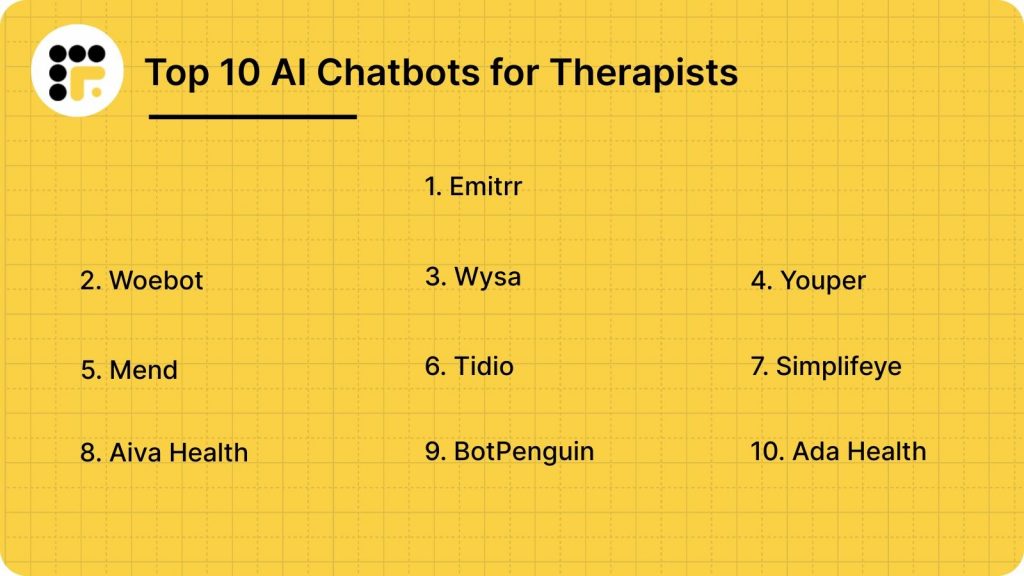
Top 10 AI Chatbots for Therapists
Below is a curated list of the top AI chatbots designed for therapists. Each platform offers unique features, from patient communication and appointment management to workflow automation, helping mental health professionals improve efficiency and deliver better care.
- Emitrr
- Woebot
- Wysa
- Youper
- Mend
- Tidio for Healthcare
- Simplifeye
- Aiva Health
- BotPenguin
- Ada Health
1. Emitrr
What is Emitrr?
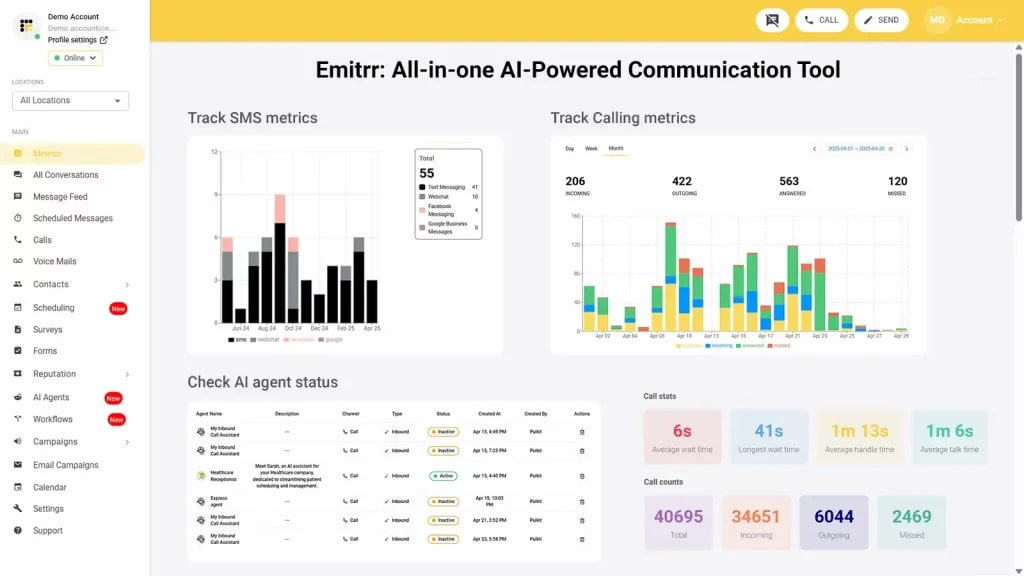
Emitrr is a powerful AI chatbot for therapists and mental health practices, designed to streamline clinic workflows and improve patient engagement. It automates appointment scheduling, reminders, intake forms, patient follow-ups, symptom triage, and secure two-way communication, reducing administrative workload and enhancing the overall therapy experience.
Key Features
- HIPAA-Compliant AI Call Handling: Answers and routes patient calls intelligently while maintaining HIPAA compliance, reducing staff workload, and ensuring secure, efficient communication between therapists and patients.
- AI Virtual Receptionist: Handles appointment bookings, patient inquiries, and routine questions automatically, improving operational efficiency and creating a smoother onboarding experience for new and returning patients.
- Two-Way Texting: Confirms appointments, sends reminders, and facilitates urgent communication, enabling real-time engagement and stronger connections between therapists and patients.
- Workflow Automation: Automates intake forms, follow-ups, and administrative tasks, reducing errors, saving staff time, and streamlining overall clinic operations.
- AI Triage: Prioritizes patient needs based on urgency, helping therapists identify critical cases quickly and enhance patient safety.
- Analytics & Reporting: Provides insights on patient interactions, response times, and workflow efficiency, enabling therapists to optimize practice performance and make data-driven decisions.
Pros
- Provides 24/7 AI support, ensuring patients receive instant assistance anytime.
- Automates repetitive tasks, allowing therapists to focus on clinical care.
- Customizable workflows tailored to the unique needs of therapy practices.
Cons
- Advanced features are continually being added and improved.
Pricing
- Standard Plan ($20/user/month): HIPAA-compliant scheduling, reminders, and secure texting for therapists and small to mid-sized practices.
- Professional Plan ($35/user/month): Adds AI triage, advanced analytics, and deeper workflow automation for larger practices.
Ratings
Support Options
- Email, Help Desk, Knowledge Base, Forum, FAQs, Phone Support, and 24/7 Live Chat
Watch this video on customer reviews about Emitrr:

2. Woebot Health
What is Woebot Health?
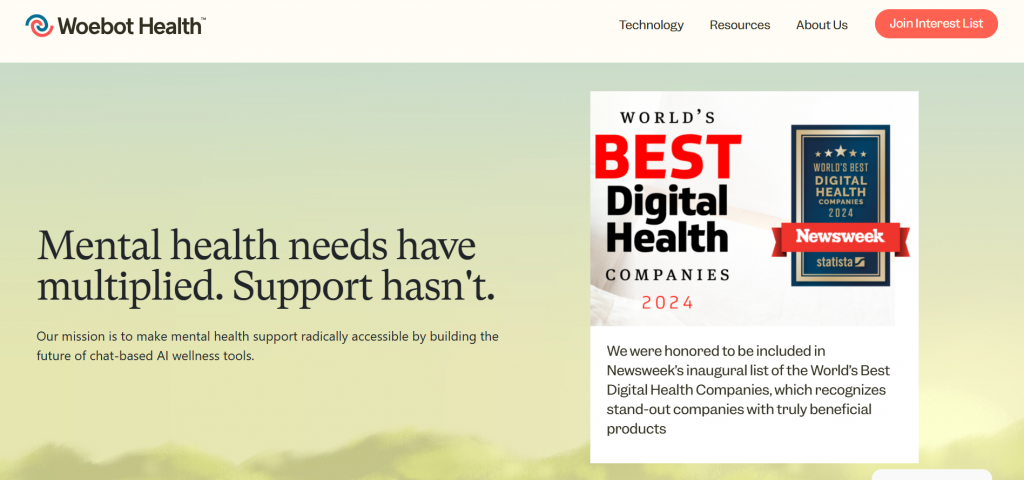
Woebot Health is an intelligent mental health chatbot designed to support emotional well-being through evidence-based techniques. It delivers CBT exercises, personalized guidance, and mood tracking, enabling patients to manage stress, anxiety, and emotional health while complementing traditional therapy.
Key Features
- Mental Health Coaching: Provides cognitive behavioral therapy (CBT) exercises, coping strategies, and emotional support, helping patients proactively manage stress, anxiety, and other mental health challenges.
- Mood Tracking: Monitors patient mood patterns to personalize interactions and recommendations, helping therapists and patients identify trends, triggers, and progress over time.
- Two-Way Interaction: Enables natural conversational engagement, allowing patients to ask questions, share concerns, and receive supportive responses in real-time.
- Personalized Insights: Delivers tailored guidance and suggestions based on user interactions, emotional patterns, and mental health needs, supporting self-awareness and behavior improvement.
- Analytics & Reporting: Tracks engagement, mood trends, and program effectiveness, providing insights for therapists to monitor patient progress and optimize care strategies.
Pros
- Provides accessible, evidence-based mental health support anytime.
- Encourages proactive management of emotional well-being.
- Enhances patient engagement, self-awareness, and mindfulness.
Cons
- Not a replacement for licensed, in-person therapy.
- Limited integration with clinical EHR/EMR systems.
Pricing
- Available upon request, depending on usage, selected features, and practice needs.
Reviews
- Ratings currently unavailable on G2.
Support Options
- Email support, Help Center, Knowledge Base, FAQs, and online chat assistance.
3. Wysa
What is Wysa?
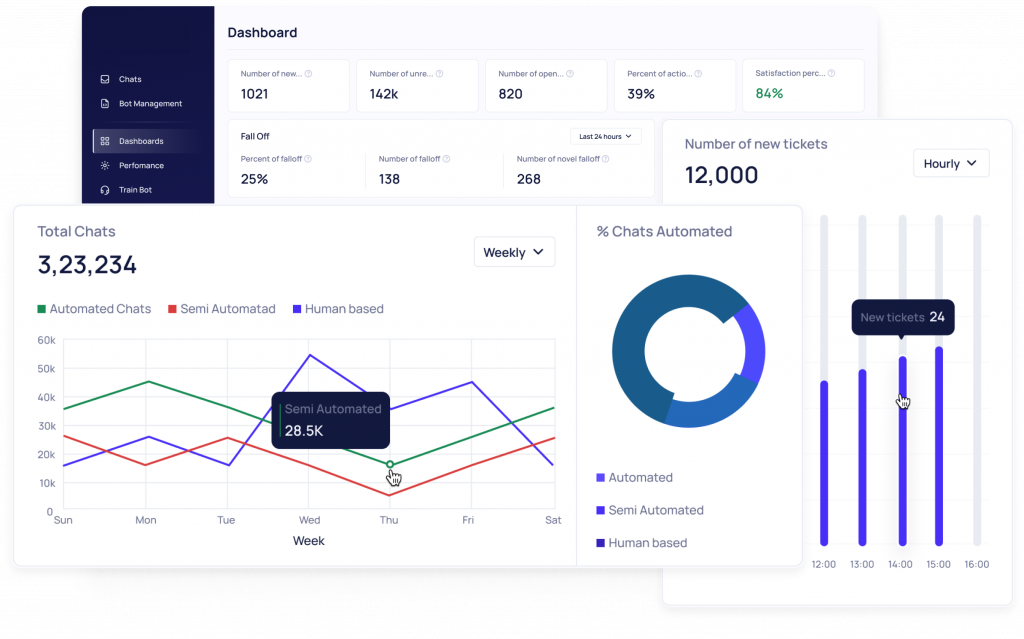
Wysa is an AI-powered mental health chatbot designed to provide emotional support, guided self-help exercises, and stress management tools. It complements therapy by promoting mindfulness, resilience, and mental well-being while engaging users through personalized conversations.
Key Features
- Emotional Support Exercises: Offers guided self-help exercises and therapeutic techniques to help patients manage stress, anxiety, and mood challenges effectively.
- Mood Tracking: Monitors daily emotions and behaviors, providing insights to patients and therapists on emotional trends and potential triggers.
- Conversational AI: Enables natural, interactive dialogue with patients, allowing them to share thoughts, receive guidance, and track progress over time.
- Personalized Recommendations: Delivers tailored coping strategies, mindfulness exercises, and resources based on individual interactions and emotional patterns.
- Analytics & Insights: Tracks engagement and emotional trends to help therapists understand patient progress and optimize support strategies.
Pros
- Accessible anytime, promoting consistent mental health support.
- Encourages proactive self-care and emotional awareness.
- Enhances engagement through interactive, personalized AI coaching.
Cons
- Cannot replace licensed therapists or provide clinical treatment.
- Limited integration with professional EHR/EMR systems.
Pricing
- Pricing varies based on usage, features, and organizational requirements; details available upon request.
Reviews
- Ratings are currently unavailable on G2.
Support Options
- Email support, Help Center, FAQs, and in-app assistance.
4. Youper
What is Youper?
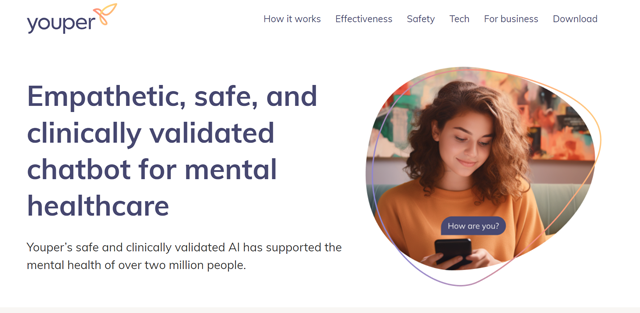
Youper is an AI-powered mental health chatbot that supports emotional well-being through personalized conversations, mood tracking, and therapeutic exercises. It helps patients manage anxiety, depression, and stress while complementing professional therapy, promoting self-awareness, resilience, and proactive mental health care in a safe and accessible manner.
Key Features
- Emotional Health Monitoring: Tracks patient moods, feelings, and emotional patterns to provide personalized insights and support progress over time.
- AI Conversations: Engages patients in natural, interactive dialogue to encourage reflection, emotional awareness, and proactive mental health management.
- Therapeutic Exercises: Offers CBT-based techniques, mindfulness exercises, and self-help tools tailored to individual emotional needs.
- Personalized Recommendations: Provides actionable guidance, coping strategies, and wellness tips based on user interactions and mood patterns.
- Analytics & Reporting: Generates insights on patient engagement, mood trends, and activity patterns to help therapists monitor progress and optimize care.
Pros
- Supports accessible, continuous mental health guidance.
- Promotes self-awareness, mindfulness, and emotional resilience.
- Encourages proactive engagement with mental health routines.
Cons
- Cannot replace licensed therapists or clinical interventions.
- Limited integration with professional EMR/EHR systems.
Pricing
- Pricing depends on usage, features, and practice requirements; available upon request.
Reviews
- Ratings currently unavailable on G2.
Support Options
- Email support, Help Center, FAQs, and in-app guidance.
5. Mend

What is Mend?
Mend is an AI-driven mental health support platform that enhances patient engagement and therapy management. It automates appointment reminders, follow-ups, and secure messaging, helping therapists maintain consistent communication, reduce administrative workload, and streamline clinic workflows. By supporting patient adherence and engagement, Mend allows therapists to focus more on delivering high-quality care and improving overall therapy outcomes.
Key Features
- Automated Appointment Reminders: Sends timely notifications to patients, reducing no-shows and improving adherence to therapy schedules.
- Secure Messaging: Facilitates HIPAA-compliant communication between therapists and patients for updates, questions, and follow-ups.
- Patient Engagement Tools: Provides resources, check-ins, and guided exercises to maintain active participation in therapy programs.
- Workflow Automation: Automates administrative tasks such as scheduling, intake, and follow-up messages to reduce staff workload.
- Analytics & Reporting: Tracks engagement, response rates, and workflow efficiency to optimize therapy practice operations.
Pros
- Enhances patient engagement and adherence to therapy.
- Reduces administrative workload for therapists and staff.
- HIPAA-compliant secure communication ensures patient privacy.
Cons
- Not a replacement for in-person therapy sessions.
- Limited advanced AI therapeutic capabilities compared to clinical-focused chatbots.
Pricing
- Available upon request, depending on features and practice size.
Reviews
Support Options
- Email support, Help Center, FAQs, and live chat assistance.
6. Tidio for Healthcare

What is Tidio for Healthcare?
Tidio is an AI-powered chatbot platform for healthcare, enhancing patient communication, engagement, and administrative efficiency. It manages appointments, answers FAQs, and provides secure messaging, helping therapists streamline workflows, reduce manual tasks, and maintain consistent patient interactions, ultimately improving practice efficiency and patient satisfaction.
Key Features
- Automated Chat Responses: Handles patient inquiries 24/7, providing instant answers to common questions and reducing staff response time.
- Appointment Scheduling: Supports online booking, confirmations, and reminders to minimize no-shows and improve patient adherence.
- Two-Way Messaging: Enables real-time, HIPAA-compliant communication with patients for updates, follow-ups, and guidance.
- Customizable Workflows: Allows therapists to tailor chatbot interactions and automations to match practice needs and policies.
- Analytics & Insights: Tracks chat performance, patient engagement, and workflow efficiency to inform practice improvements.
Pros
- Provides instant, automated patient communication.
- Reduces administrative workload and response delays.
- Customizable workflows enhance practice efficiency and patient satisfaction.
Cons
- Limited clinical or therapeutic AI features.
- Requires integration with other tools for full workflow automation.
Pricing
- Starter Plan – $24.17/month: Ideal for small practices. Includes 100 billable conversations, live chat and ticketing, live visitor list, operating hours, and basic analytics. Offers a 7-day free trial to test core features.
- Growth Plan – $49.17/month: Designed for growing practices. Includes everything in Starter plus advanced analytics, user permissions, automatic chat assignment, automatic replies, live typing, viewed pages history, and macros. Supports 250+ billable conversations with a 7-day free trial.
- Plus Plan – $749/month: For larger teams. Includes all Growth features plus departments, multiproject support, custom branding, ticketing automations, live chat support, dedicated success manager, OpenAPI access, custom limits, custom seats, and larger attachments.
- Premium Plan – Contact for Pricing: Enterprise solution. Includes all Plus features plus 3,000+ Lyro AI conversations, guaranteed 50% AI resolution rate, pay-per-resolution billing, mobile SDK, AI insights & CSAT, advanced Copilot, super admin role, security & compliance, Slack support, and SSO.
Reviews
Support Options
- 24/7 email, live chat, phone support, and a comprehensive knowledge base for assistance.
7. Simplifeye
What is Simplifeye?
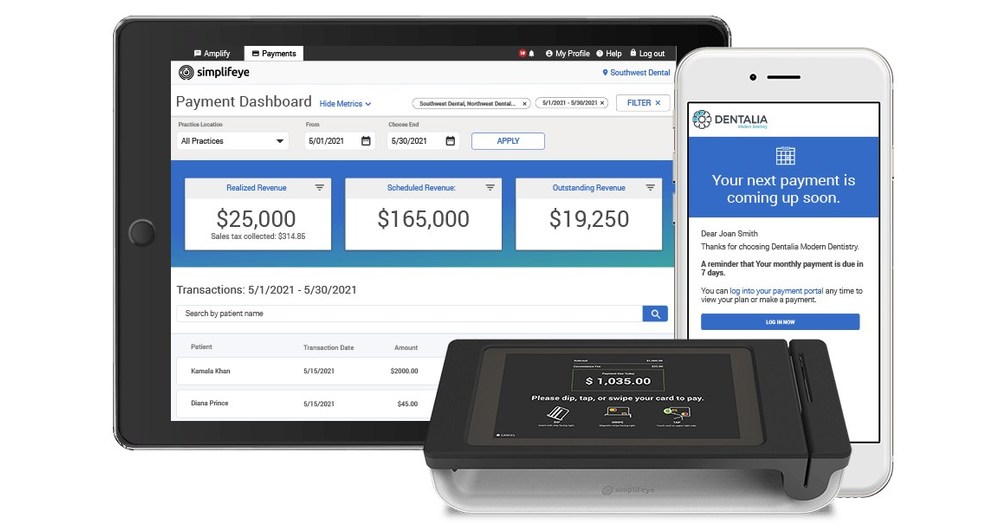
Simplifeye is an AI-powered practice management and communication platform designed for healthcare and therapy practices. It streamlines appointment scheduling, patient check-ins, reminders, and secure messaging, helping therapists improve operational efficiency and enhance patient engagement.
Key Features
- Automated Appointment Scheduling: Handles bookings, confirmations, and reminders, reducing no-shows and ensuring patients stay on track with therapy sessions.
- Secure Messaging: Facilitates HIPAA-compliant communication between therapists and patients for updates, follow-ups, and general inquiries.
- Patient Check-In Management: Automates check-in processes, collecting necessary forms and information to streamline session preparation.
- Workflow Automation: Reduces administrative tasks, such as reminders, follow-ups, and documentation, freeing therapists to focus on care delivery.
- Analytics & Reporting: Provides insights into patient engagement, appointment adherence, and practice workflow efficiency for better management decisions.
Pros
- Enhances patient communication and engagement.
- Reduces administrative workload for therapy practices.
- HIPAA-compliant secure messaging ensures privacy.
Cons
- Not a substitute for in-person therapy.
- Limited advanced AI therapeutic features compared to clinical-focused chatbots.
Pricing
- Available upon request; varies based on features, practice size, and workflow needs.
Reviews
- Ratings are currently unavailable on G2.
Support Options
- Email support, Help Center, FAQs, live chat assistance, and dedicated account management depending on the plan.
8. Aiva Health
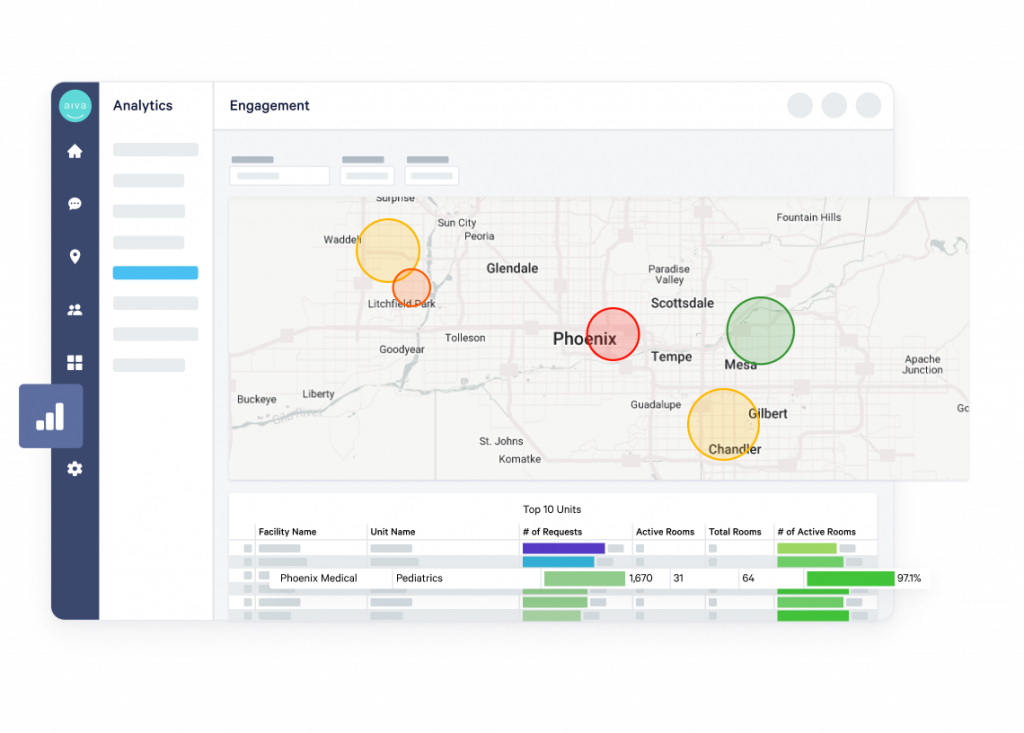
What is Aiva Health?
Aiva Health is an AI-powered voice and chatbot platform for healthcare and therapy practices. It enhances patient engagement, streamlines communication, and automates routine tasks such as reminders, check-ins, and workflow management for improved operational efficiency.
Key Features
- Voice & Chat Interaction: Enables patients to communicate via voice or text, providing seamless support and engagement.
- Appointment & Reminder Automation: Schedules sessions, sends reminders, and manages follow-ups to reduce no-shows and improve adherence.
- Patient Engagement Tools: Supports check-ins, educational content, and wellness prompts to keep patients informed and engaged.
- Workflow Automation: Automates administrative tasks such as form collection, documentation, and follow-ups, reducing staff workload.
- Analytics & Reporting: Tracks patient engagement, workflow efficiency, and operational performance to optimize practice management.
Pros
- Enhances patient engagement through voice and chat.
- Reduces administrative workload for therapy practices.
- Improves appointment adherence and overall workflow efficiency.
Cons
- Not a replacement for licensed therapists.
- Limited advanced clinical AI capabilities compared to therapy-focused chatbots.
Pricing
- Available upon request; depends on features, practice size, and deployment needs.
Reviews
Support Options
- Email support, Help Center, FAQs, live chat assistance, and dedicated account support.
9. BotPenguin
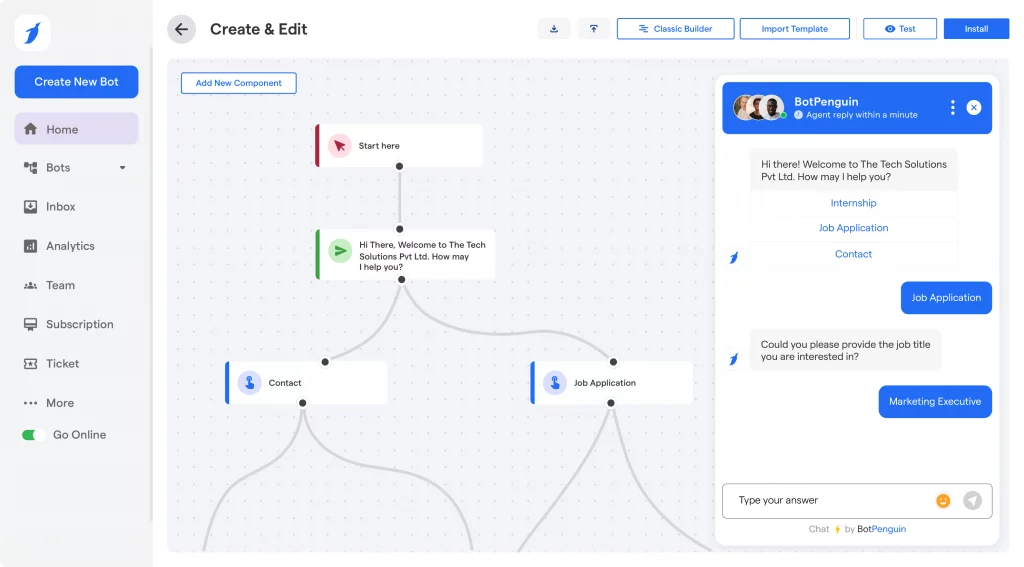
What is BotPenguin?
BotPenguin is an AI chatbot and conversational AI platform that supports healthcare and therapy practices by automating patient communication, scheduling, FAQs, and engagement. It helps therapists streamline workflows while maintaining HIPAA-compliant interactions.
Key Features
- Automated Chat Responses: Handles patient inquiries 24/7, providing instant answers and reducing staff response time.
- Appointment Management: Supports scheduling, confirmations, and reminders to improve patient adherence and session management.
- Two-Way Communication: Facilitates secure messaging between patients and therapists for updates, follow-ups, and guidance.
- Custom Workflows: Allows therapists to configure chatbot interactions, automations, and response flows to match practice requirements.
- Analytics & Reporting: Monitors engagement, conversation trends, and workflow efficiency to optimize patient interactions and practice operations.
Pros
- Provides instant automated patient communication.
- Reduces administrative workload for therapy practices.
- Customizable workflows improve efficiency and patient satisfaction.
Cons
- Lacks advanced therapeutic AI features.
- Requires integration with other tools for full workflow automation.
Pricing
- Baby Plan – Free: Includes 1 chatbot with 1,000 messages/month and 100 conversations/month. Supports Website, WhatsApp, Facebook, Instagram, and Telegram. Offers ChatGPT integration, AI personality setup, multilingual support, unified inbox, live chat, reports, and secure 2048-bit SSL connection.
- Little Plan – $15/month: Supports 5 chatbots, 3,000 messages, and 3,000 conversations/month. Features include email lead notifications, appointment booking, customer segmentation, drip campaigns, CRM for therapists, ticketing integrations, mobile apps, order/shop management, and over 30 integrations for workflow automation.
- King Plan – $50/month: Provides unlimited chatbots, 12,000 messages, 12,000 conversations/month, and 10 agents. Includes MS Teams integration, AI training, trigger actions for unusual chats, role-based access, API integration, Zapier, Google Calendar, Simplybook, Bitrix, Zoho, and 50+ additional integrations.
- Enterprise Plan – Contact for Pricing: Unlimited bots and custom messages/conversations based on enterprise needs. Offers full scalability, advanced integrations, dedicated support, and tailored solutions to optimize patient engagement, communication, and administrative workflows.
Reviews
Support Options
- Email support, Help Center, FAQs, live chat, and in-app guidance.
10. Ada Health
What is Ada Health?
Ada Health is an AI-powered medical and mental health chatbot that enables patients to assess symptoms, receive personalized guidance, and understand potential health conditions. It supports symptom triage, self-assessment, and care navigation, helping users connect with appropriate healthcare services efficiently while improving engagement and informed decision-making.
Key Features
- Symptom Checker AI: Evaluates patient-reported symptoms and provides possible conditions or next steps for care, enhancing timely and accurate self-assessment.
- Personalized Health Guidance: Delivers tailored recommendations based on patient inputs, history, and current symptoms, empowering patients to manage their well-being proactively.
- Virtual Health Assistant: Guides patients to the most appropriate care options, clinics, or therapy sessions, improving access and navigation within healthcare systems.
- Two-Way Interaction: Allows patients to ask follow-up questions, clarify concerns, and engage in more detailed conversations for better understanding and guidance.
- Analytics & Reporting: Tracks user interactions, symptom trends, and engagement metrics, providing valuable insights to healthcare providers for optimizing services and patient care.
Pros
- Provides accurate symptom assessment with personalized guidance.
- Reduces unnecessary clinic visits and emergency department load.
- Empowers patients to proactively manage their health.
Cons
- Limited integration with EMR/EHR systems.
- Focused on self-assessment rather than full therapy practice automation.
Pricing
- Available upon request; depends on features, usage, and practice requirements.
Reviews
Support Options
- Email support, Help Center, Knowledge Base, FAQs, and live online chat assistance.
Why Emitrr Is the Best AI Chatbot for Therapists
Emitrr is the ultimate AI chatbot for mental health practices, offering secure, HIPAA-ready automation. With features like HIPAA-compliant texting for therapists, Emitrr streamlines scheduling, communication, triage, and workflows, while enhancing patient engagement, improving operational efficiency, and allowing therapists to focus on delivering high-quality care.
AI Call Handling
Automatically answers and routes incoming calls, ensuring patients reach the right therapist or department without delay. Reduces missed calls, improves office efficiency, and creates a seamless communication experience for patients.
Virtual Receptionist
Manages patient intake, appointment scheduling, and confirmations through automated workflows. This reduces administrative burden, keeps calendars organized, and ensures smooth onboarding of new and returning patients.
AI Texting
Sends reminders, FAQs, and follow-up messages automatically. Patients receive timely updates, improving engagement, reducing no-shows, and ensuring consistent communication without requiring therapists or staff to respond manually.
Two-Way Texting
Enables real-time, interactive conversations with patients. Therapists can maintain personal communication at scale, respond promptly, and ensure questions or concerns are addressed efficiently while the AI manages routine messaging.
AI Triage Tools
Identifies urgent or high-priority cases and routes them appropriately. This helps therapists prioritize critical situations, ensures patient safety, and enhances overall practice responsiveness.
Multi-Channel Support
Supports SMS, phone calls, and web chat, providing patients multiple ways to communicate. This flexibility increases accessibility, engagement, and satisfaction while keeping all interactions secure and organized.
Automated Review Generation
Encourages patients to leave reviews after sessions automatically. Improves online reputation, provides valuable feedback, and supports marketing efforts without requiring manual follow-up from staff.
Communication Analytics
Tracks patient interactions, response times, and engagement patterns. Provides actionable insights to optimize workflows, improve patient experience, and measure the effectiveness of communication strategies.
Healthcare-Focused Design
Built specifically chatbot for healthcare and therapy practices, ensuring workflows, compliance, and communication are tailored to the needs of mental health professionals.
Learn more about what Emitrr AI can do:
Frequently Asked Questions
AI chat tools like Wysa and Woebot provide emotional support, self-help exercises, and mental wellness guidance. However, they are not substitutes for licensed therapists and do not deliver clinical care.
No. AI can assist with administrative tasks or provide emotional support, but it cannot replace a licensed therapist, deliver clinical treatment, or make professional mental health decisions.
AI chatbots like Wysa, Woebot, and Emitrr provide mental health support. Their functions range from emotional check-ins to practice automation, depending on whether the focus is therapy or workflow management.
No. Therapy chatbots complement care by supporting engagement and emotional well-being. They cannot replace human therapists, diagnose conditions, or provide professional therapy sessions.
For practice management and operational automation, Emitrr is the top AI chatbot for therapists. It handles scheduling, reminders, triage, and secure communication efficiently while remaining HIPAA-compliant.
While several EHRs offer therapy note-taking capabilities, AI primarily aids workflow automation like forms, reminders, and communication—not creating clinical documentation or replacing professional note-taking practices.
Conclusion
AI therapy chatbots have become indispensable for modern mental health practices. They streamline scheduling, automate reminders, manage patient communication, and reduce administrative burden, allowing therapists to focus on delivering high-quality care. While AI cannot replace a licensed therapist, it enhances efficiency, patient engagement, and overall practice productivity.
Emitrr stands out as the most comprehensive, HIPAA-compliant, and healthcare-focused AI chatbot, offering multi-channel communication, workflow automation, and secure data handling tailored for mental health practices.
Experience the benefits firsthand. Schedule a demo today and see how Emitrr can transform your therapy practice.