

Introduction
Managing patient referrals is one of the most critical yet complex operational tasks for healthcare practices. From receiving referrals from physicians to triaging cases, scheduling appointments, and maintaining communication, the process often involves multiple stakeholders and systems.
Without a structured workflow, practices risk delayed patient care, administrative overload, and lost referral opportunities. Healthcare referral management software helps streamline referral intake, automate communication, and improve collaboration between referring providers, specialists, and patients.
With automation, centralized dashboards, and integration capabilities, these platforms ensure healthcare practices capture, process, and track referrals efficiently. In this blog, we will explore healthcare referral management software, its benefits, key features, and the best platforms available for healthcare practices.
What Is Referral Intake Software for Healthcare Practices?
Referral intake software is a healthcare referral management software that helps practices digitally receive, process, and manage patient referrals from providers, hospitals, or patients.
It supports workflows by capturing referrals through electronic forms, fax integrations, or provider networks, then automatically triaging them based on urgency, specialty, or provider availability. The software also tracks referral progress and enables seamless communication between staff, patients, and referring physicians through automated notifications and updates.
Why Does Your Healthcare Practice Need Referral Intake Software?
Healthcare practices handle increasing referral volumes, complex coordination, and higher patient expectations. Referral intake software streamlines workflows, reduces manual workload, improves communication, and ensures efficient referral tracking while enhancing care continuity. Here are the key reasons why practices need referral intake software.
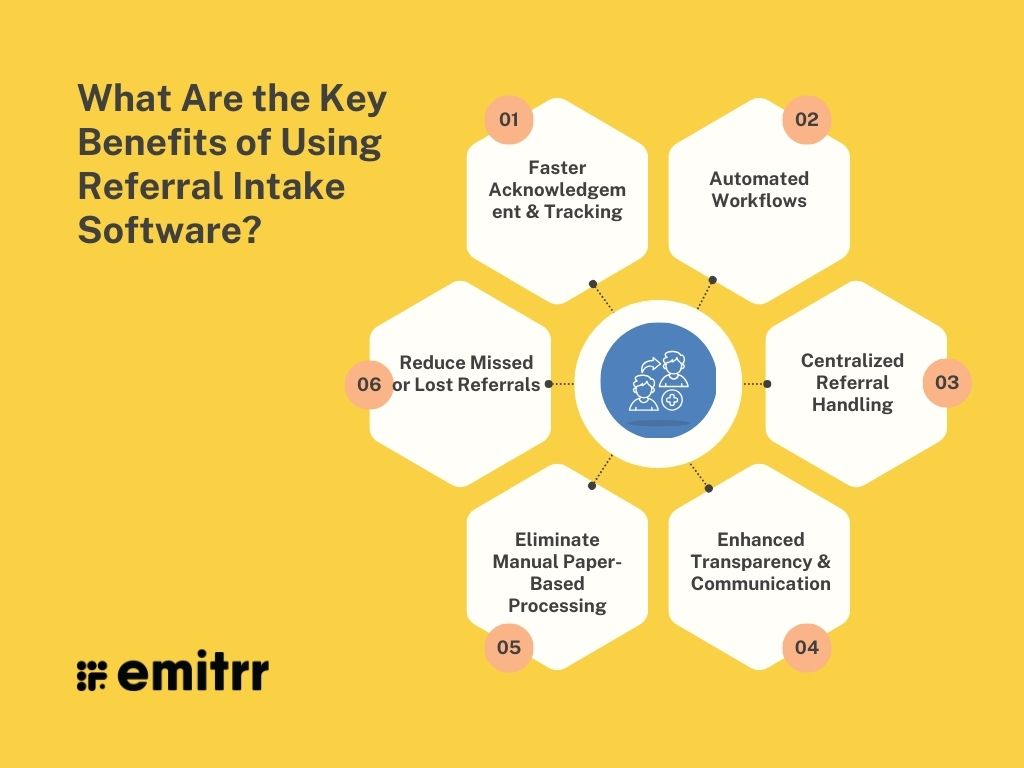
Faster Acknowledgement & Tracking
Referral intake software instantly captures incoming referrals and acknowledges them automatically, reducing processing delays. A medical referral tracking system provides real-time visibility into referral status, allowing staff to monitor progress, follow up promptly, and ensure patients are scheduled quickly without communication gaps.
Automated Workflows
Automated workflows route referrals to appropriate providers or departments based on specialty, urgency, and availability. The system eliminates manual coordination, reduces processing time, and ensures referrals move efficiently through intake, verification, and scheduling stages, helping practices handle high referral volumes smoothly.
Centralized Referral Handling
Referral intake software provides a unified dashboard where practices can manage all incoming referrals. Centralized handling ensures consistent tracking, organized patient data, and quicker access to referral information, enabling staff to respond faster and provide coordinated care throughout the referral journey.
Enhanced Transparency & Communication
The software enables automated notifications and updates for patients and referring providers. It improves transparency by keeping all stakeholders informed about referral status, appointment scheduling, and care progress, which strengthens provider relationships and enhances patient trust and engagement.
Eliminate Manual Paper-Based Processing
Digital referral intake replaces paper forms, faxes, and manual data entry, significantly reducing administrative workload. Automated data capture ensures accuracy, minimizes documentation delays, and allows healthcare staff to focus more on patient care rather than repetitive administrative tasks.
Reduce Missed or Lost Referrals
Referral intake software tracks every referral from submission to completion. Automated alerts notify staff about pending or incomplete referrals, ensuring timely follow-ups. This reduces referral leakage, improves patient conversion rates, and helps practices maximize referral opportunities while maintaining operational efficiency.
What Are the Key Benefits of Using Referral Intake Software?
Referral intake software plays a crucial role in improving referral coordination and operational efficiency for healthcare practices. Here are the key benefits of using referral intake software that help practices enhance patient care, streamline workflows, and improve referral management outcomes.
Faster Referral Acknowledgment
Referral intake software automatically captures and acknowledges incoming referrals, reducing delays caused by manual processing. Instant confirmation helps staff prioritize cases quickly and ensures referring providers and patients receive timely updates, improving overall referral response times and scheduling efficiency.
Better Communication With Referring Physicians
The software enables automated updates and secure communication channels with referring physicians. It ensures providers receive referral status updates, patient progress information, and appointment confirmations, strengthening collaboration, improving trust, and enhancing coordinated patient care across healthcare networks.
Centralized Dashboard & Reporting
Referral intake platforms provide a single dashboard to manage referrals, patient interactions, and performance metrics. Reporting tools offer insights into referral trends, conversion rates, and turnaround times, helping practices identify workflow gaps and make data-driven operational improvements.
Increased Referrals Captured
Digital referral intake ensures every referral is logged and tracked, reducing referral leakage. Automated workflows help practices respond quickly to incoming referrals, improving conversion rates and enabling healthcare providers to capture and manage higher referral volumes efficiently.
Reduced Admin Workload
Automation eliminates repetitive tasks like manual data entry, paperwork processing, and referral follow-ups. By reducing administrative burden, healthcare staff can focus on patient care, improving productivity while maintaining accurate and streamlined referral management workflows.
Improved Operational Efficiency
Referral intake software standardizes processes, automates routing, and improves communication across teams. This reduces bottlenecks, accelerates scheduling, and ensures referrals move smoothly through the care journey, helping practices operate more efficiently and scale referral operations effectively.
Enhanced Patient Retention and Care Continuity
Automated communication, timely scheduling, and referral tracking help ensure patients complete their treatment journey. A closed loop referral management approach takes this a step further by tracking referrals through each stage, from initial intake and scheduling to completed care and follow-up, helping prevent patients from falling through the cracks. Improved coordination between providers strengthens care continuity, enhances patient satisfaction, and increases the likelihood of long-term patient retention within healthcare practices.

Which Features Should You Look for in Referral Intake Software?
Selecting the right referral intake software is essential for improving efficiency, reducing manual workload, and enhancing patient coordination. Here are the key features you should look for in referral intake software to ensure streamlined workflows and better referral management.
Real-time Status Updates
A strong medical referral tracking system provides real-time updates on referral status from submission to treatment completion. This visibility helps staff monitor progress, identify delays, and ensure referrals move efficiently through scheduling, verification, and patient care stages.
Single Dashboard
Centralized dashboards allow staff to access patient referrals, communication history, and performance analytics from one platform. This unified view improves workflow organization, reduces confusion, and enables faster decision-making for managing referral intake and patient coordination effectively.
Improved Workflows
Integration with EMR and practice management systems streamlines referral workflows by allowing seamless data exchange between platforms. This reduces manual coordination, improves data accuracy, and ensures healthcare teams can access patient referral information quickly and efficiently.
Reduced Double Entry
Medical referral tracking software automatically synchronizes patient data across systems, eliminating duplicate data entry. This improves documentation accuracy, reduces administrative workload, and ensures consistent patient information is available across healthcare and referral management workflows.
Staff Notifications
Automated alerts notify staff about new, pending, or urgent referrals requiring immediate action. These notifications help healthcare teams prioritize cases, prevent delays, and maintain efficient referral intake and scheduling workflows across departments.
Patient Communication
Patients receive automated appointment confirmations, reminders, and follow-up messages. This improves engagement, reduces missed appointments, and ensures patients stay informed throughout their referral journey, enhancing overall patient experience and satisfaction.
Specialty-Specific Intake
Referral intake software should allow practices to design customized intake forms based on medical specialties. Tailored forms help capture relevant patient and clinical information, improving referral accuracy and ensuring providers receive complete details before consultations.
Workflow Customization
Custom referral routing rules allow healthcare practices to align referral workflows with organizational processes. Automated routing ensures referrals reach appropriate departments or providers based on urgency, specialty, or availability, improving workflow efficiency and coordination.
Referral Performance Insights
Analytics tools help practices track referral volume, conversion rates, and turnaround time. These insights help healthcare providers evaluate referral performance, identify trends, and optimize referral management strategies for improved patient care delivery.
Operational Improvement Metrics
Reporting dashboards highlight workflow bottlenecks, delays, and operational inefficiencies. Healthcare teams can use these insights to refine referral processes, improve coordination, and enhance overall efficiency in referral intake and patient scheduling operations.
Watch how businesses like yours save time and costs with Emitrr AI –
What Are the Top Referral Intake Software for Healthcare Practices in 2026?
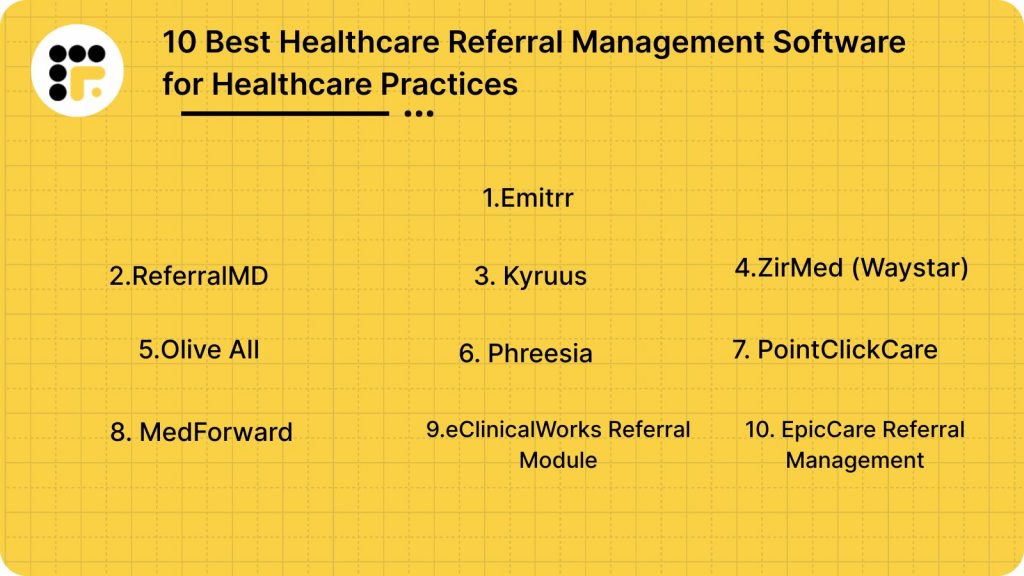
Healthcare practices require reliable and efficient tools to manage referral intake, improve coordination, and enhance patient scheduling. Below are the top referral intake software solutions that help streamline referral workflows, automate communication, and improve overall healthcare referral management efficiency.
- Emitrr
- ReferralMD
- Kyruus
- ZirMed (Waystar)
- Olive AI
- Phreesia
- PointClickCare
- MedForward
- eClinicalWorks Referral Module
- EpicCare Referral Management
1.Emitrr
What is Emitrr?
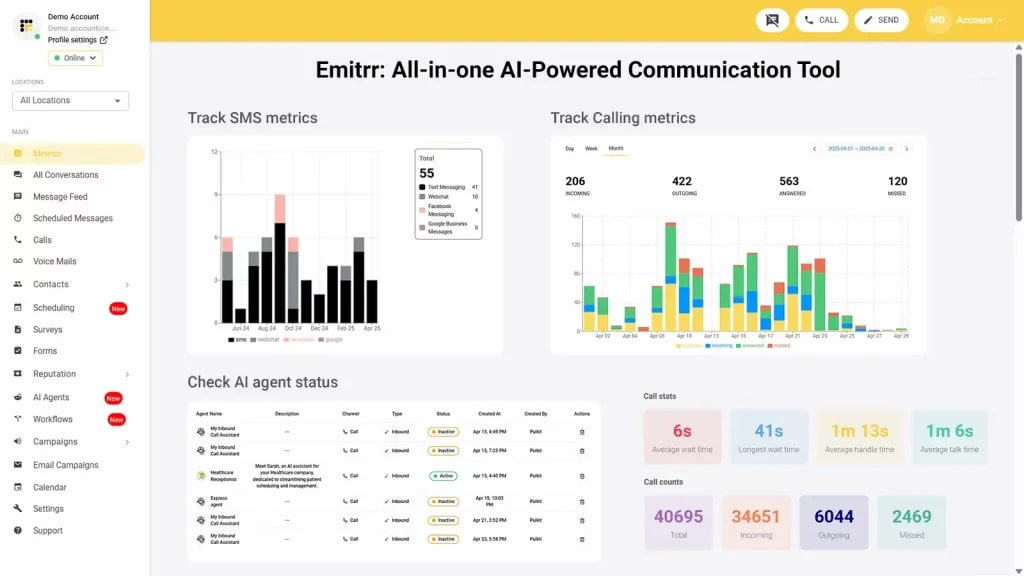
Emitrr is a healthcare referral management software designed to automate referral intake, patient communication, and appointment scheduling for healthcare practices. It helps providers capture referrals from multiple channels, streamline patient onboarding, and reduce administrative workload through AI-driven automation and secure communication workflows.
Key Features
- Multi-Channel Referral Intake: Captures referrals from fax, SMS, email, phone calls, and voicemails while integrating directly with EHR systems to ensure centralized referral tracking.
- AI-Powered Appointment Scheduling: Automatically contacts patients through SMS to schedule appointments based on availability, patient preferences, and location.
- Smart Referral Filtering and Validation: Verifies referral completeness by checking patient details such as address, phone number, and insurance eligibility before scheduling.
- Automated Provider Assignment: Assigns providers automatically based on specialty, location, and availability to streamline referral routing.
- Automated Patient Communication: Supports appointment confirmations, reminders, follow-ups, and two-way messaging to improve patient engagement and reduce no-shows.
- Referral Status Notifications: Sends automated referral status updates and confirmation messages to referring providers, improving collaboration and reducing follow-up calls.
- EHR and Practice Management Integration: Integrates with major healthcare systems to synchronize patient data, reduce duplicate entry, and streamline referral workflows.
- HIPAA-Compliant Messaging: Ensures secure communication with encrypted messaging and compliance-ready workflows for patient data protection.
Pros
- Strong AI-driven referral intake and scheduling automation
- Supports multi-channel referral capture and patient communication
- Reduces administrative workload and manual coordination
- Seamless EHR integration and centralized referral tracking
- HIPAA-compliant communication and secure patient data handling
Cons
- More advanced features are being added continuously.
Pricing
- Standard Plan ($20/user/month): Ideal for small to mid-sized healthcare practices looking to streamline referral intake and patient communication. Includes online appointment scheduling, automated reminders, secure HIPAA-compliant messaging, essential EHR integrations, and basic patient engagement tools. Helps reduce missed appointments, improve referral coordination, and simplify daily administrative workflows.
- Professional Plan ($35/user/month): Designed for larger practices, specialty clinics, and multi-location healthcare organizations managing high referral volumes. Includes advanced analytics, AI-powered referral intake and scheduling automation, enhanced patient communication workflows, advanced CRM capabilities, and deeper system integrations. Helps improve referral conversion, increase patient retention, and optimize operational efficiency across locations.
Rating
Support Channels
- Phone Support, Email Support, Live Chat, Knowledge Base, Training Resources, Onboarding Assistance, and Implementation Support
2.ReferralMD
What is ReferralMD?
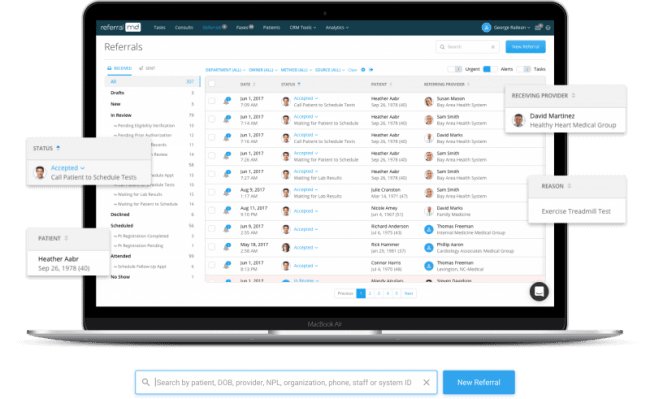
ReferralMD is a comprehensive medical referral management software that streamlines referral intake, tracking, and provider collaboration across healthcare organizations. It enhances coordination between referring physicians, specialists, and administrative teams through digital intake forms, automated routing, and secure communication, improving care continuity and operational productivity.
Key Features
- Digital Referral Intake: Captures referrals electronically from multiple channels, reducing dependency on paper, fax, and manual entry.
- Automated Referral Routing: Intelligently routes referrals to the appropriate provider or specialist based on specialty, availability, and patient needs.
- Two-Way Secure Messaging: Enables secure communication between referring physicians, specialists, and administrative staff to share updates, documents, and instructions.
- Centralized Referral Dashboard: Provides a unified view of all incoming and active referrals, helping staff monitor status and progress with ease.
Pros
- Smooth digital intake and automated referral routing
- Improves collaboration between referring and receiving providers
- Centralized dashboard for full visibility into referral pipelines
- Real-time alerts and status updates for faster processing
- EHR integrations reduce manual data entry and streamline workflows
Cons
- Some advanced features may require training to fully leverage
- Customization options can vary based on practice size and needs
Pricing
- ReferralMD typically offers tiered subscription plans based on the number of users, referral volume, and required features. Pricing details are available upon direct consultation with the vendor.
Rating
Support Channels
- Phone Support, Email Support, Live Chat, Help Center, Knowledge Base, Training Webinars, and Customer Success Assistance.
3.Kyruus
What is Kyruus?
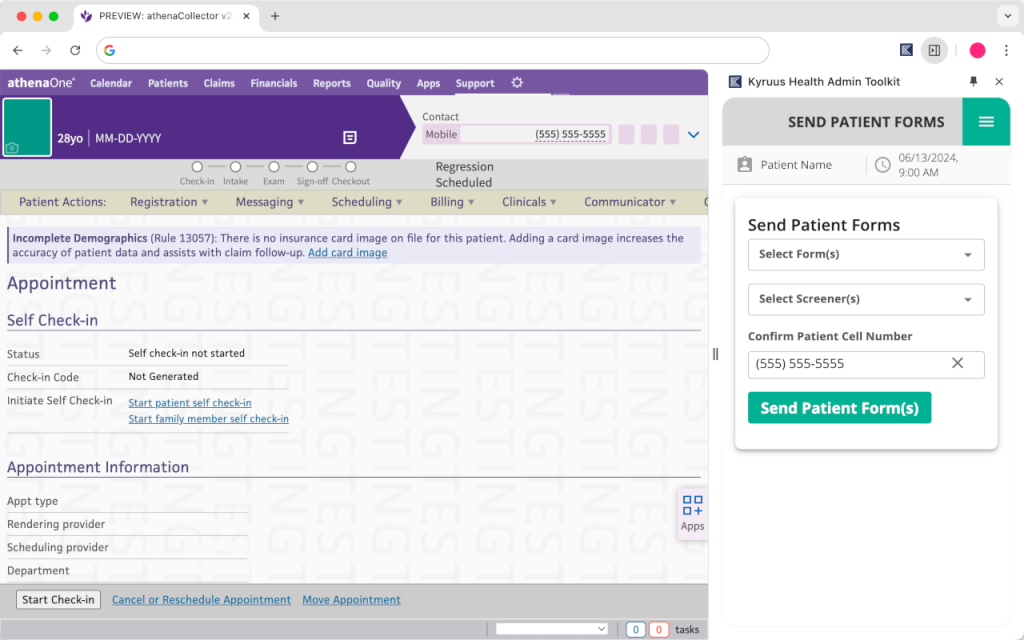
Kyruus is a healthcare referral management software designed to improve patient access, provider matching, and referral coordination. It helps healthcare organizations efficiently connect patients with the right specialists by leveraging data-driven provider directories, intelligent search tools, and centralized referral workflows that improve operational performance and patient experience.
Key Features
- Provider Matching & Search:Advanced algorithms match patients with the most appropriate providers based on clinical needs, location, insurance coverage, and availability.
- Centralized Referral Platform: Offers a unified interface for managing inbound referrals, tracking progress, and monitoring referral outcomes.
- Real-Time Referral Status Tracking: Provides visibility into each referral’s journey, enabling staff to monitor progress and ensure timely follow-ups.
- Patient Access & Scheduling Support: Improves patient access to care by simplifying appointment scheduling and reducing wait times.
Pros
- Intelligent provider matching improves referral quality
- Centralized referral tracking enhances visibility
- Supports scheduling and patient access optimization
- Robust analytics for performance insights
- Integrates with key clinical systems to streamline workflows
Cons
- Implementation and configuration may require vendor support
- Some advanced features may have a learning curve for staff
Pricing
- Kyruus offers customized pricing based on the size of the healthcare organization, required modules, users, and integration needs. Prospective customers should consult Kyruus for detailed pricing information.
Rating
- On G2 rating is unavailable
Support Channels
- Phone Support, Email Support, Live Chat, Help Center, Knowledge Base, Implementation Assistance, and Customer Success Support.
4.ZirMed (Waystar)
What is ZirMed (Waystar)?
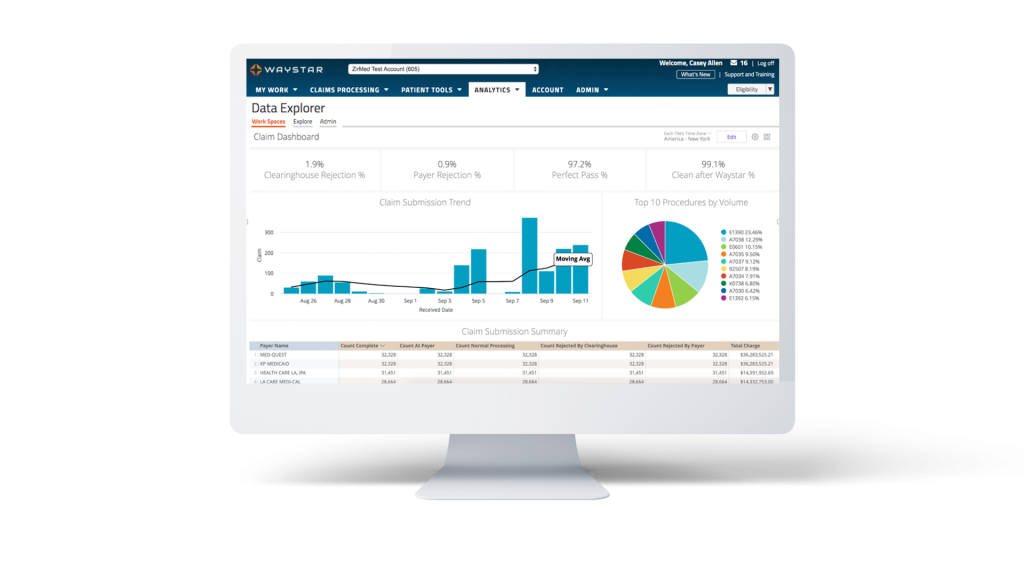
ZirMed, now part of Waystar, is a healthcare revenue cycle and referral management software that helps practices manage claims, billing, insurance eligibility, and financial transactions.
While primarily known for revenue cycle management, it also supports referral processing workflows by integrating clinical and administrative data, helping practices coordinate information across systems. Waystar unifies tools from the former ZirMed and Navicure platforms to streamline operations and simplify healthcare practice workflows.
Key Features
- Revenue Cycle and Claims Management: Handles claims submission, tracking, correction, and resubmission, helping practices address billing and referral-related financial workflows.
- Insurance Eligibility Verification: Checks patient insurance coverage and eligibility, reducing errors and ensuring accurate referral processing and scheduling.
- Remittance Management: Supports processing of remittance advice and tracking payment status, aiding financial operations and referral documentation.
- Document and Error Tracking: Provides visibility into claim errors and rejections, enabling practices to correct issues quickly and maintain referral-related records.
Pros
- Widely used and familiar in clinical billing environments, supporting large provider networks.
- Integrates claims, eligibility, and financial workflows in one system.
- Real-time visibility into billing errors and remittances.
Cons
- Not focused solely on referral intake, so core referral automation features may be limited.
- Some users report customer service challenges and complex contract terms.
- Integration and customization can require additional configuration and support.
Pricing
- Waystar (ZirMed) typically does not publish transparent pricing online. Costs depend on practice size, revenue cycle needs, and configuration options. Prospective customers must contact Waystar sales for detailed pricing information.
Rating
Support Channels
- Phone Support, Email Support, Help Center, Customer Success Teams, Implementation Assistance, and Training Resources. (Availability may vary by contract and service package.)
5.Olive AI
What is Olive AI?
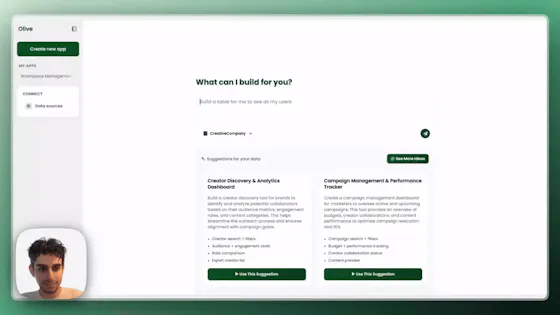
Olive AI is a healthcare automation and workflow optimization platform designed to reduce administrative burden, improve referral coordination, and streamline operational processes.
It uses artificial intelligence and automation to handle repetitive healthcare tasks such as referral processing, eligibility verification, and scheduling coordination, helping healthcare organizations improve efficiency and patient access.
Key Features
- AI-Driven Workflow Automation: Automates repetitive administrative tasks including referral processing, documentation management, and patient onboarding workflows to reduce manual staff workload.
- Referral Coordination Automation: Supports healthcare referral management by routing referrals, verifying patient and insurance details, and tracking referral progress across healthcare systems.
- Meeting and Documentation Intelligence: Provides automated meeting transcription, AI-generated summary notes, and video recording to improve care coordination, staff collaboration, and documentation accuracy.
- AI-Powered Insights and Coaching Tools: Offers performance scorecards, coaching insights, and real-time AI assistance to improve team productivity and communication workflows.
Pros
- Strong automation capabilities for reducing administrative workload
- Advanced AI insights and real-time workflow intelligence
- Automated documentation and meeting transcription features
- Supports integration with CRM and operational healthcare systems
- Scalable automation suitable for large healthcare organizations
Cons
- May require onboarding and workflow customization for full implementation
- Some advanced AI insight features require additional add-on packages
- Pricing structure can vary depending on selected modules and integrations
Pricing
- Oliv Notetaker ($19/user/month): Includes unlimited meeting transcription, automated video recording, real-time transcription, AI-generated summary notes, CRM auto-save functionality, smart playlists, AI automation tools, and multilingual insight support. Users can also continue using existing meeting recorders like Fireflies, Gong, Avoma, Otter, and Fathom.
- Meeting Insights Add-On ($29/user/month):Includes custom AI meeting scorecards, coaching insights, smart playlists, global AI meeting search, interaction analysis, AI call scoring, real-time answer assistant, topic intelligence tracking, and keyword tracking automation.
- Deal Insights Add-On ($29/user/month): Provides AI sales methodology tracking, win-loss deal analysis, pipeline review managementpatient experience dashboards, deal health scoring, lifecycle tracking, forecasting insights, and two-way CRM integration.
Rating
Support Channels
- Phone Support, Email Support, Help Center, Knowledge Base, Implementation Support, Customer Success Team, and Training Resources
6.Phreesia
What is Phreesia?
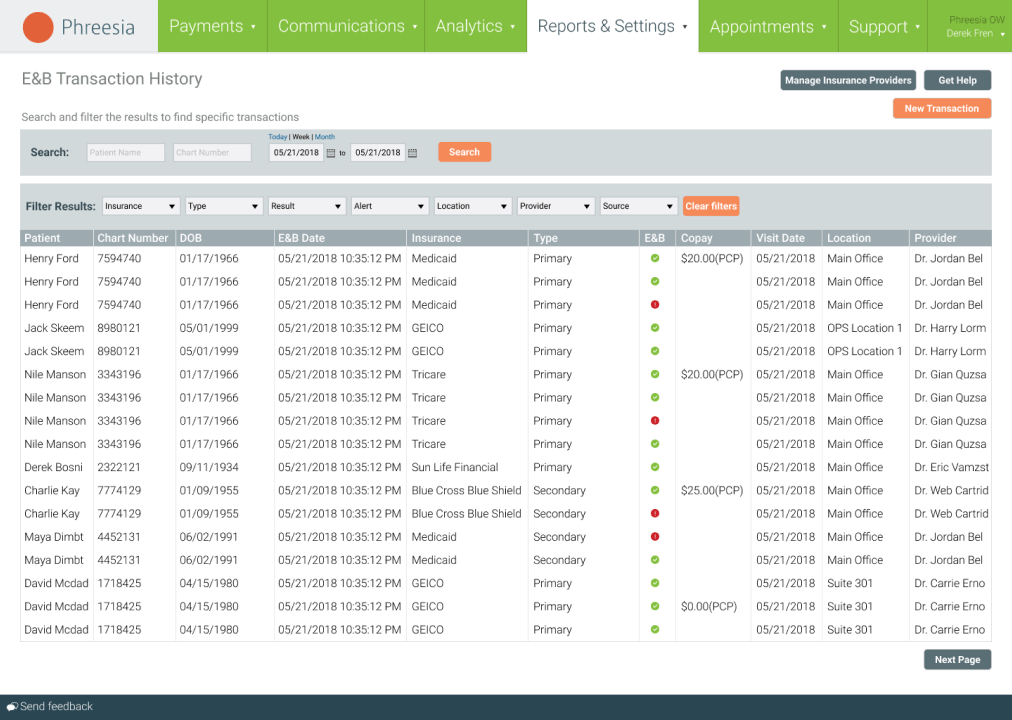
Phreesia is a comprehensive patient intake and referral management software that helps healthcare organizations streamline registration, referral handling, scheduling, insurance verification, and patient engagement. It centralizes referral workflows, digitizes intake processes, and empowers patients and staff with automated tools that boost operational efficiency and care coordination.
Key Features
- Centralized Referral Management: Organize, prioritize, and track referrals—even faxed ones—on a unified platform that reduces manual tracking and accelerates appointment scheduling.
- Automatic Referral Transcription: The system transcribes referrals from paper and e-faxes, ensuring all referral information is captured and actionable without manual typing.
- Insurance Eligibility Verification: Automatically checks referred patients’ insurance eligibility and benefits before scheduling, reducing errors and delays.
- Real-Time Analytics & Reporting: Provides insights into referral volumes, turnaround times, and operational performance metrics to help optimize workflows.
Pros
- Centralized referral dashboard simplifies tracking and action.
- Automatic transcription of faxed referrals saves staff time.
- Comprehensive intake and engagement tools enhance patient experience.
- Strong analytics support operational insights and decision-making.
Cons
- Pricing requires direct consultation and may vary by practice size.
- Some users report a learning curve due to the platform’s extensive features.
- Integration setup with existing systems may require time and support.
Pricing
- Phreesia does not list transparent pricing online; costs are customized based on practice size, selected modules, and integration needs. Practices must contact Phreesia for a personalized quote.
Rating
Support Channels
- Phone Support, Email Support, Help Center, Knowledge Base, Implementation Assistance, Training Resources, and Customer Success Support.
7.PointClickCare
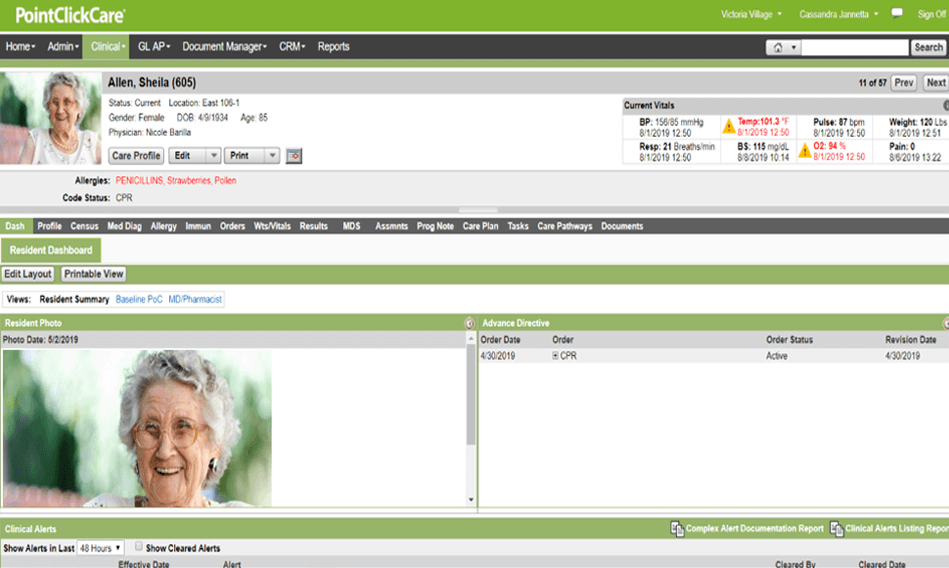
What is PointClickCare?
PointClickCare is a cloud-based healthcare software platform designed primarily for long-term care, skilled nursing facilities, and post-acute care providers. It combines electronic health records (EHR), care coordination tools, financial management, and referral management capabilities to streamline clinical, administrative, and operational workflows. Its centralized platform supports referral intake, occupancy tracking, and decision-making with real-time data and analytics.
Key Features
- Referral Management & CRM Tools: PointClickCare’s CRM tracks referrals, admissions leads, and outreach activity, helping providers assess referral suitability, coordinate move-ins, and manage referral pipelines.
- AI-Powered Referral Advisor: An AI solution built into the system consolidates inbound referrals, extracts clinical and financial data, and delivers actionable insights to speed referral review and admissions decisions.
- Centralized EHR Integration: All referral, clinical, and administrative data flows into a unified EHR, reducing double entry and improving visibility across care teams.
- Real-Time Analytics & Reporting: Dashboards and reports provide insights into referral sources, occupancy trends, and performance metrics for data-driven decision-making.
Pros
- Robust platform for skilled nursing and post-acute care workflows.
- Referral Advisor uses AI to reduce manual referral processing time.
- Integrates EHR, CRM, and analytics into one centralized system.
- Real-time visibility into referral pipelines and occupancy trends.
Cons
- Pricing and implementation costs can be high for smaller facilities.
- Onboarding and configuration require significant training and support.
Pricing
- PointClickCare does not publish fixed pricing publicly. Costs vary based on facility size, selected modules, number of residents, and deployment scope. Industry insights suggest monthly fees can range from a few hundred to several thousand dollars, often with substantial setup and training costs.
Rating
Support Channels
- Phone Support, Email Support, Help Center/Knowledge Base, Implementation Assistance, Training Resources, and Customer Success Support.
8. MedForward
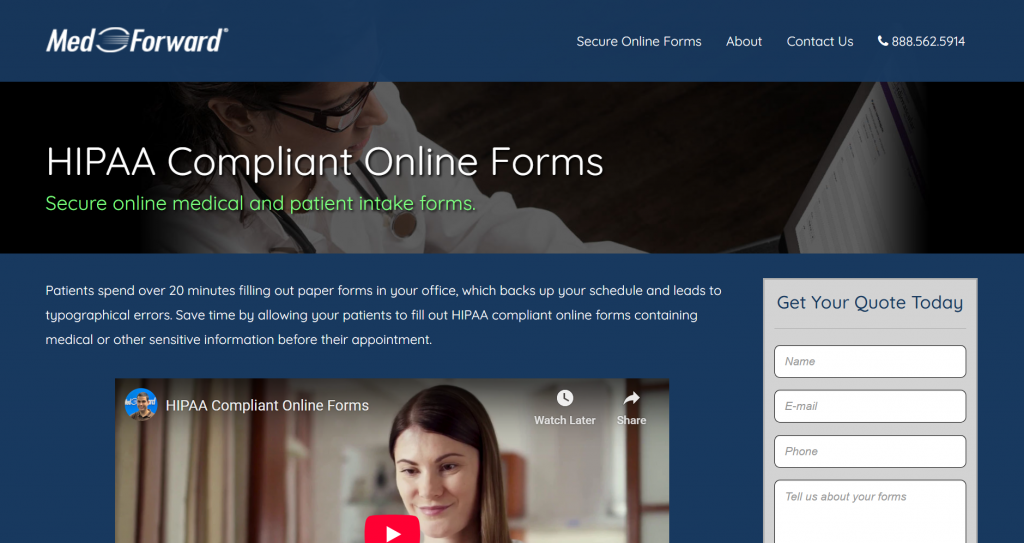
What is MedForward?
MedForward is a healthcare referral management software designed to streamline referral intake, patient engagement, and care coordination. It helps practices automate referral workflows, improve communication with patients and providers, and track referral progress from submission to appointment completion; all within a centralized platform.
Key Features
- Digital Referral Intake: Captures referrals electronically from multiple sources, reducing manual data entry and ensuring every referral is logged and tracked.
- Automated Patient Communication: Sends automated appointment reminders, confirmations, and follow-up messages via SMS or email to improve patient engagement and reduce no-shows.
- Referral Status Tracking: Provides real-time visibility into referral progress, helping staff monitor referral stages and ensure timely scheduling.
- EMR/EHR Integration: Integrates with existing EHR and practice management systems to synchronize patient information, reduce duplication, and streamline workflows.
Pros
- Easy referral intake with digital capture and tracking
- Automated patient communication reduces manual follow-ups
- Customizable intake forms support specialty needs
- Real-time tracking improves operational visibility
- Integrates with EHR systems to reduce duplicate entry
Cons
- Limited publicly available pricing transparency
- May require additional setup for advanced customization
- Some users report onboarding takes time due to feature complexity
Pricing
- MedForward pricing is typically customized based on practice size, features selected, and integration needs. Prospective customers should contact MedForward’s sales team for detailed pricing information.
Rating
- On G2 rating is unavailable
Support Channels
- Phone Support, Email Support, Live Chat, Help Center, Knowledge Base, Training Resources, and Customer Success Assistance.
9. eClinicalWorks Referral Module
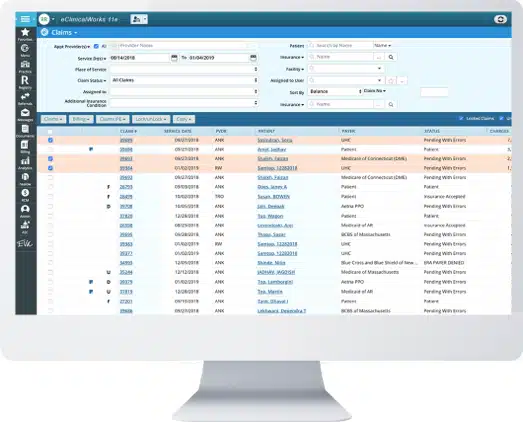
What is eClinicalWorks Referral Module?
The eClinicalWorks Referral Module is a component of the eClinicalWorks electronic health record (EHR) system designed to streamline referral intake, tracking, and coordination within the provider’s native clinical workflow.
It helps practices manage referrals, communicate with referring providers, track referral progress, and reduce administrative burden—all without switching between separate systems.
Key Features
- Seamless EHR Integration: Built directly into the eClinicalWorks system, the referral module eliminates data duplication and supports unified patient record workflows.
- Referral Intake & Routing: Captures inbound referrals and intelligently routes them to the appropriate care team or specialist within the practice.
- Real-Time Status Updates: Provides visibility into referral progress and appointment scheduling, helping staff monitor each referral’s lifecycle.
- Messaging and Collaboration Tools: Allows secure communication between referring providers, specialists, and administrative staff within the EHR environment.
Pros
- Native integration within eClinicalWorks EHR improves workflow efficiency
- Reduces double data entry since all information resides in the same system
- Real-time referral status and communication tools improve coordination
- Centralized documentation simplifies compliance and reporting
Cons
- Only available to practices using the eClinicalWorks EHR system
- Advanced reporting features may require additional configuration or training
- Referral workflows can vary based on EHR version and customization
Pricing
- EHR Only – $449/month per provider: Includes Electronic Medical Records (EMR), Referral Management, Patient Portal, Document Management, ePrescribing, reporting dashboards, secure messaging, mobile access, cloud hosting, disaster recovery, maintenance, and 24×7 support with unlimited training webinars and videos.
- EHR with Practice Management – $599/month per provider: Includes all EHR features plus Practice Management (PM), billing implementation services, enhanced operational workflows, scheduling, financial management tools, and integrated reporting to improve practice performance and administrative efficiency.
- RCM as a Service – 2.9% of Practice Collections: Includes claim processing, denial and rejection management, appeals handling, billing rules automation, referral management, reporting dashboards, private cloud hosting, and billing implementation services with full revenue cycle optimization support.
Rating
Support Channels
- Phone Support, Email Support, Live Chat, Help Center/Knowledge Base, Training Resources, Implementation Assistance, and Customer Success Support.
10.EpicCare Referral Management
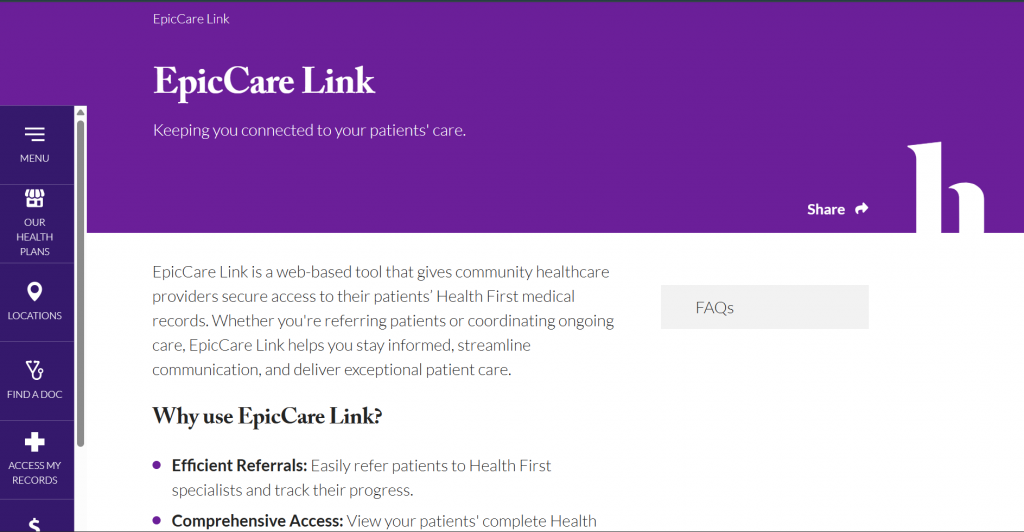
What is EpicCare Referral Management?
EpicCare Referral Management is a referral intake and coordination module within the Epic electronic health record (EHR) platform, widely used by large health systems, hospitals, and multispecialty practices.
It centralizes referral intake, status tracking, and communication within the Epic ecosystem, helping providers manage referrals efficiently without switching between multiple platforms.
Key Features
- Integrated Referral Intake: Captures and processes incoming referrals directly within Epic, ensuring patient and referral data flows seamlessly into the clinical workflow.
- Real-Time Referral Status Tracking:
Provides visibility into referral progress, appointment scheduling, and outcomes, helping care teams monitor referrals from submission to completion. - Secure Messaging & Collaboration: Enables secure provider-to-provider communication and clinical messaging within the EpicCare environment.
- Referral Documentation & Attachments: Maintains all referral-related documents, notes, attachments, and patient history in the same record for compliance and audit readiness.
Pros
- Native integration within Epic’s EHR ecosystem increases workflow efficiency
- Eliminates data duplication and supports consistent clinical documentation
- Robust referral tracking and communication tools improve team coordination
- Comprehensive audit trails and reporting for operational insights
Cons
- Only available to health systems and practices using Epic EHR
- Implementation and customization may require significant IT support
- Advanced configuration often needs specialized training
Pricing
- Epic does not publish standard pricing for EpicCare Referral Management publicly. Pricing typically depends on the size of the practice or health system, number of providers, modules implemented, and level of integration required. Interested customers must contact Epic sales for a customized quote.
Rating
Support Channels
- Phone Support, Email Support, Customer Portal, Knowledge Base, Implementation Training, Onsite Consulting, and Dedicated Account Support Teams through Epic.
Automate Referral Intake and Scheduling With Emitrr AI
Emitrr AI enhances healthcare referral management software by automating referral intake, patient communication, and appointment scheduling once a patient chart is created in the EHR. It reduces manual coordination, improves referral turnaround time, and ensures patients are scheduled efficiently while keeping referring providers informed throughout the referral journey.
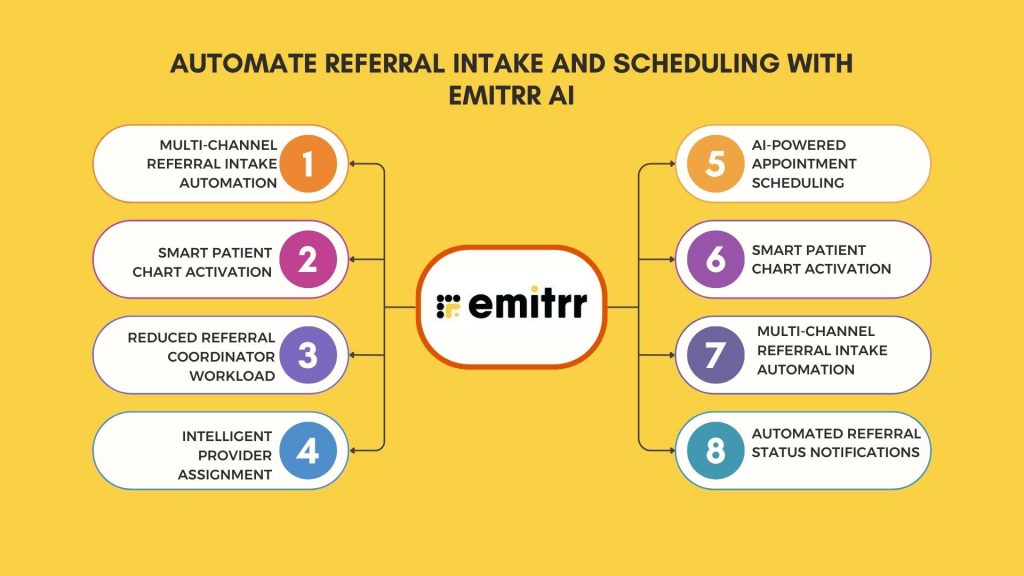
Multi-Channel Referral Intake Automation
Emitrr supports referrals received through fax, SMS, email, phone calls, and voicemails. It integrates with EHR systems to capture referral information and ensures every referral is tracked without manual monitoring across communication channels.
Smart Patient Chart Activation
Once a referral coordinator creates a patient chart in the EHR, Emitrr AI automatically analyzes patient data. The system only initiates communication when essential details such as address, phone number, and active insurance are available, ensuring accurate and complete referral processing.
AI-Powered Appointment Scheduling
Emitrr AI directly communicates with patients to schedule appointments using automated SMS-based conversations. The system asks for preferred locations, offers the earliest available appointment slots, and suggests alternative slots if patients are unavailable, reducing scheduling delays.
Intelligent Provider Assignment
Based on patient location and selected appointment time, Emitrr automatically assigns the most appropriate provider. This reduces manual decision-making and ensures referrals are routed to suitable specialists efficiently.
Reduced Referral Coordinator Workload
Emitrr eliminates the need for referral coordinators to manually contact patients for scheduling. Once the patient chart is created, the AI manages appointment coordination, allowing staff to focus on higher-value administrative and patient care responsibilities.
Referral Completeness Validation
Emitrr AI filters incomplete referrals by verifying required patient and insurance information before scheduling. This ensures coordinators only process valid referrals and reduces delays caused by missing or incorrect data.
AI-Driven Scheduling Instead of Phone Dependency
Emitrr replaces time-consuming phone-based appointment scheduling with automated messaging workflows. Patients can confirm or reschedule appointments through SMS, improving engagement while reducing call volume and staff workload.
Automated Referral Status Notifications
Emitrr automatically sends referral status updates and confirmation messages to referring providers after scheduling is completed. This eliminates manual follow-ups, strengthens provider relationships, and improves referral transparency across healthcare networks.
By automating referral intake and scheduling workflows, Emitrr AI helps healthcare practices capture more referrals, reduce administrative burden, improve patient communication, and streamline overall referral management processes.
Take a look at what the Emitrr AI agent can do:
Key Takeaways
- Referral intake software accelerates referral processing and improves care continuity.
- Centralized tracking and automation reduce admin errors and boost efficiency.
- Integration with EMR/EHR and communication tools is critical.
- Modern platforms balance usability, automation, and interoperability.
- Choosing the right tool depends on practice size, referral volume, and workflow needs.
Frequently Asked Questions
Referral intake software digitizes and automates patient referral workflows, capturing referrals, tracking progress, and facilitating communication between providers and patients.
It reduces manual data entry, automates communication, streamlines scheduling, and improves referral tracking visibility across healthcare teams.
Most healthcare referral management software integrates with EMR and practice management systems to synchronize patient data and streamline workflows.
Most modern platforms include encryption, secure messaging, and compliance tools to protect patient data and meet HIPAA requirements.
Costs vary depending on features, practice size, and integration requirements. Pricing typically follows subscription-based models.
Yes. Automated communication, faster scheduling, and improved care coordination help improve patient experience and retention.


 4.9 (400+
reviews)
4.9 (400+
reviews)