

Introduction
A day at a podiatry clinic can feel very different depending on the systems you’re working with.
Without the right setup, the front desk is buried in paperwork, phones won’t stop ringing, and providers are squeezing in documentation wherever they can. Wound photos sit in one place, X-rays in another, and follow-ups are easy to miss when the schedule gets tight. By the end of the day, everyone’s tired and wondering how things got so hectic.
Now think about a clinic running on the right EMR for podiatry. Check-ins move smoothly. Charting feels structured, not rushed. Imaging, billing, and follow-ups stay connected instead of scattered. The team knows what’s coming next, and patients feel reassured that their care is organised and handled properly. Doesn’t that sound like a better day?
That’s what the right podiatry EMR changes. Here’s a clear look at how it works, which platforms stand out, and how Emitrr keeps your patient communication on track.
What Is an EMR for Podiatry?
An EMR for podiatry is what keeps your clinic from feeling all over the place. It pulls patient records, clinical notes, imaging, billing, scheduling, and insurance details into one clear, organised system. Instead of switching between screens or searching for information, your team always knows where to find what they need.
As we all know, podiatry care isn’t limited to quick check-ups. It often involves detailed exams, X-rays, wound tracking, procedures, and follow-ups that span multiple visits. For surgical podiatrists, there’s also pre-op planning and post-op care to manage.
A podiatry-specific HIPAA-compliant EMR is built for all of this. It supports detailed charting, keeps images and notes together, and helps billing run quietly in the background. Most importantly, it can really help your clinic stay in control, even on the busiest days!
Benefits of Using the Best EMR for Podiatry Practices
Running a podiatry clinic isn’t just about patient care. It’s paperwork, procedures, staff coordination, and constant follow-ups all happening at once. The right EMR helps bring order to busy days and makes everything feel more manageable.
Faster patient intake and charting
When patient intake and charting are slow, everything else backs up. A good EMR speeds things up by letting patients complete forms digitally instead of filling out paperwork by hand. Information gets entered once and follows the patient throughout the visit. Providers don’t have to retype the same details again and again. Charting becomes quicker and more focused. This helps appointments stay on schedule instead of running behind.
Improved clinical documentation for foot and ankle conditions
Podiatry care is detailed by nature, and missing small details can matter. EMRs built for podiatry come with templates for common foot and ankle conditions, making documentation easier. Providers don’t have to start from a blank screen for every patient. Notes stay structured and consistent across visits and providers. This makes it easier to track progress over time. It also helps when planning future treatments or reviewing older cases.
Better imaging and diagnostic documentation
Images play a huge role in podiatry decision-making. A strong EMR lets providers upload X-rays, wound photos, and diagnostic notes directly into the patient record. Everything stays organised in one place instead of scattered across systems. Providers can quickly compare images from past visits. This improves clinical clarity during appointments. It also supports more confident decisions and better follow-ups.
Improved compliance and data security
Patient data is not something any clinic can take lightly. Podiatry EMRs are built with security in mind from the start. Information is stored securely, and access is based on staff roles. This means people only see what they need to see. Activity is tracked automatically through audit trails and logs. Compliance feels built in, not like extra work.
Streamlined billing and podiatry-specific coding
Billing in podiatry can get complicated, especially with procedures and surgeries involved. An EMR designed for podiatry supports the right codes from the start. Charges are captured during documentation instead of being added later. This reduces mistakes and missed charges. Claims go out cleaner and faster. Over time, billing feels more predictable and less stressful.
Improved coordination between the front desk and clinical staff
A lot of delays come from simple miscommunication. An EMR keeps the front desk and clinical team working from the same information. Everyone can see appointments, procedures, and follow-ups clearly. The front desk knows what’s coming next. Clinicians know who’s waiting and why. The clinic flows better when everyone stays aligned.
Reduced administrative workload for podiatry teams
Administrative tasks quietly eat up hours every week. A strong EMR automates many of these repetitive steps. Documentation prompts, billing workflows, and reports run in the background. Staff don’t have to manually piece things together. Less clicking and switching between screens makes a real difference. Over time, this reduces fatigue and burnout.
Better patient communication and post-treatment follow-ups
Podiatry care more often than not continues well after the patient leaves the clinic. Patients may need recovery instructions, reminders, or follow-up guidance. EMRs that support communication help make this process smoother. Instructions go out on time instead of being forgotten. Follow-ups feel planned, not rushed. Patients feel supported even between visits.

Key Features to Look for in the Best EMR for Podiatry
A good podiatry EMR should handle the details without slowing you down. Here’s what you should look out for to keep busy days running smoothly:
HIPAA-compliant data storage and role-based access
Patient information needs to stay safe at all times. No exceptions. A strong podiatry EMR uses encryption software to protect data and controls who can see what. Your front desk, clinicians, and billing teams only access information relevant to their role. This keeps sensitive details secure without slowing anyone down. Everything stays protected quietly in the background.
Support for imaging and diagnostic documentation
Images are a big part of podiatry care. X-rays, wound photos, and diagnostic notes should be easy to upload and view. A good EMR keeps everything right inside the patient record, so your team isn’t jumping between systems during visits. When past images are easy to pull up and compare with new ones, clinical decisions become much clearer and treatment planning more confident.
Integrated scheduling for procedures and follow-ups
Podiatry schedules are not always simple. You must be managing exams, procedures, post-op visits, and ongoing follow-ups. An EMR should handle all of this without confusion. Scheduling must stay flexible instead of being rigid. Staff should be able to see what’s coming next at a glance. This way, patients also get clearer expectations around their visits.
Reporting and performance analytics for podiatry practices
Data helps clinics understand what’s really happening day-to-day. Reporting tools show patient volume, revenue trends, and operational efficiency. Leaders can spot patterns early. Staffing and scheduling decisions become easier. Growth feels more planned and less reactive. Over time, this leads to a stronger practice.
Built-in billing and coding for podiatry services
Billing in podiatry can get tricky, especially when procedures are involved. A podiatry EMR helps you get the codes right as care is being documented. This means fewer missed charges and less back-and-forth with claims. Things move through the system more smoothly. Over time, billing starts to feel far more predictable.
Insurance eligibility and claims management
Insurance issues also slow clinics down when they show up late. Real-time eligibility checks catch problems early, before the visit begins. Staff know exactly what’s covered and what’s not. Claims are generated automatically using visit data. This reduces manual follow-ups and denials. Billing teams save hours every week.
E-prescribing and pharmacy integration
Prescriptions are part of everyday podiatry care. E-prescribing allows providers to send medications directly to pharmacies. This removes handwritten scripts and phone calls. Errors drop significantly. Patients get their medications faster. The entire process feels smoother and more reliable.
Patient communication and reminder capabilities
Missed appointments and forgotten follow-ups hurt both care and schedules. EMRs that support messaging make it much easier to stay in touch with patients. Reminders go out automatically for visits and procedures. Patient follow-up messages reinforce care instructions. This can make your patients feel cared for instead of confused, all without extra effort.
Top 10 EMRs for Podiatry Practices: Detailed Analysis
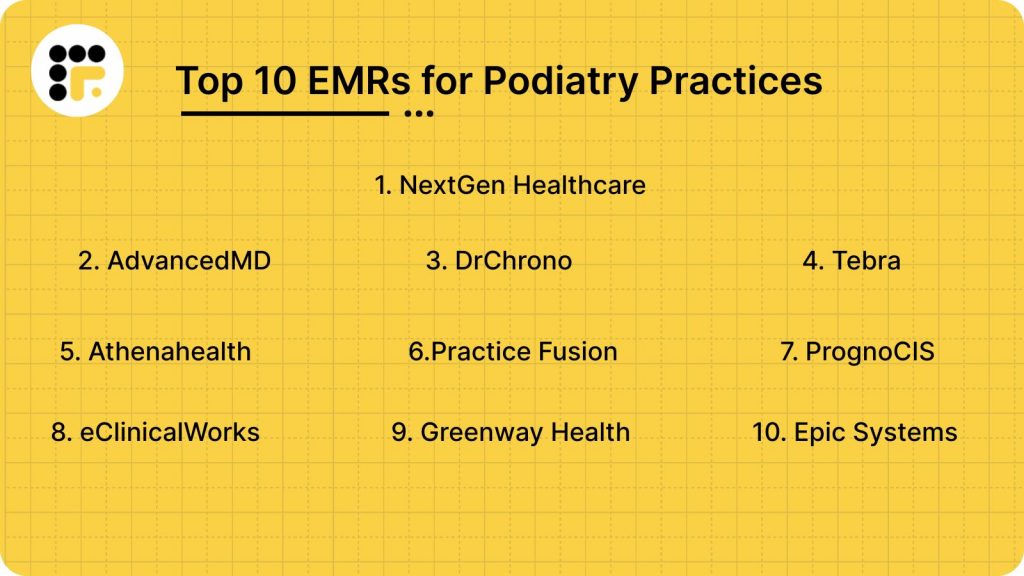
Every podiatry clinic needs a structure to keep things moving effortlessly. The EMRs below are popular because they handle detailed podiatry care while keeping your daily work simple. They support routine visits, procedures, and follow-ups without adding extra hassle to your day.
Take a look at this detailed breakdown of the top EMRs used by podiatry practices today:
- NextGen Healthcare
- AdvancedMD
- DrChrono
- Tebra
- Athenahealth
- Practice Fusion
- PrognoCIS
- eClinicalWorks
- Greenway Health
- Epic Systems
1. NextGen Healthcare: Best for Complex Podiatry Workflows
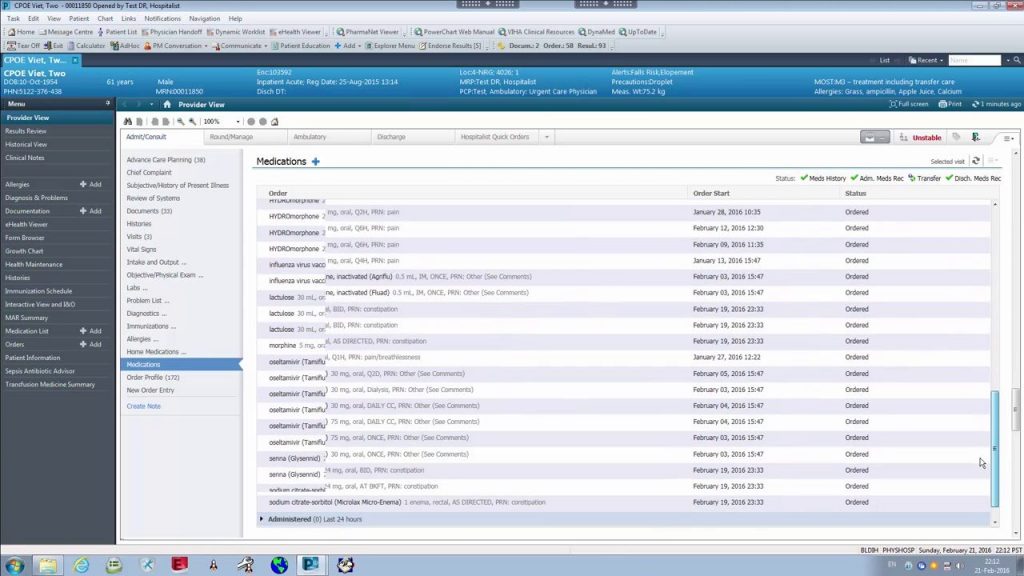
NextGen Healthcare Overview
NextGen Healthcare works well if your podiatry clinic handles detailed exams, imaging, procedures, and ongoing care plans. It’s built for specialty practices, so it doesn’t feel limited when your cases get more complex. This means you can document detailed foot and ankle assessments, attach images, and track long-term treatment plans without jumping between systems. It’s especially helpful if your clinic is growing or adding providers.
NextGen Healthcare Features
- Specialty-focused documentation templates: Supports detailed foot and ankle charting without starting from scratch.
- Integrated imaging support: Stores X-rays and wound photos directly inside patient records.
- Customisable workflows: Adapts to how you and your team actually practise.
- Built-in revenue cycle tools: Captures charges while you document care.
- Advanced reporting dashboards: Helps you track productivity and revenue trends.
- Lab and referral integrations: Connects easily with external providers.
Pros & Cons of NextGen Healthcare
| Pros | Cons |
| Strong support for complex specialty care | Learning curve for new users |
| Highly customisable workflows | Implementation can take time |
| Scales well with growth | Higher cost than lightweight EMRs |
| Detailed reporting tools | Interface may feel dense initially |
NextGen Healthcare Pricing
Custom pricing based on provider count and selected modules.
NextGen Healthcare Reviews
“The workflows are good and ever improving. Reporting, interfaces and interoperability are strong.”
“So overall, it’s a solid and reliable system. While it has some usability issues, its flexibility and integration capabilities make it a valuable tool for our practice.”
Source: Capterra
2. AdvancedMD: Best for Flexible Multi-Provider Clinics
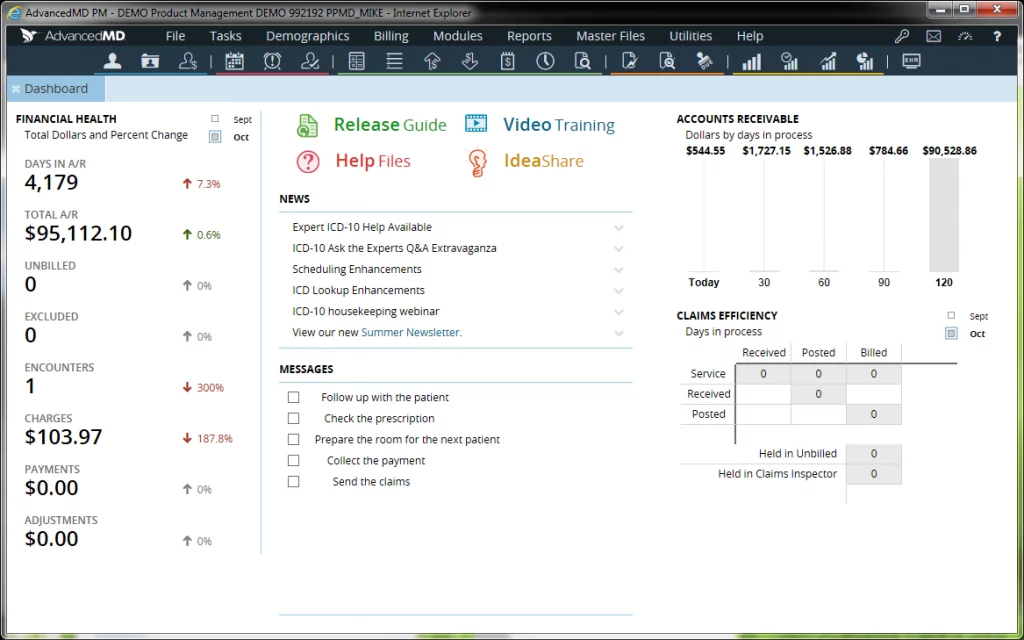
AdvancedMD Overview
AdvancedMD allows teams to customise message templates and workflows so the system matches how they actually work. Scheduling, billing, and reporting are fully integrated, which reduces day-to-day friction. Providers can document care efficiently while billing runs in the background. Practice leaders get access to detailed reports that show patient flow and financial performance. This makes it easier to spot issues early. This makes AdvancedMD really well-suited for multi-provider or growing podiatry practices.
AdvancedMD Features
- Customisable charting templates: Matches how you examine and treat foot conditions.
- Integrated scheduling and billing: Keeps your front desk and clinical team aligned.
- Revenue cycle management tools: Reduces billing errors and missed charges.
- E-prescribing integration: Sends prescriptions directly to pharmacies.
- Performance reporting dashboards: Shows you financial and operational insights.
- Cloud-based accessibility: Lets you access records securely from anywhere.
Pros & Cons of AdvancedMD
| Pros | Cons |
| Flexible and adaptable | Customisation can require setup time |
| Strong billing integration | Interface may feel complex at first |
| Good reporting visibility | Not podiatry-specific out of the box |
| Suitable for growing clinics | May cost more for smaller practices |
AdvancedMD Pricing
Subscription-based pricing depending on modules and providers.
AdvancedMD Reviews
“The graphics are a little outdated but the softwares functionality out weighs that by far.”
“I have been using AdvanceMD for 6 years now. It is well integrated and has all of the software that I need in running my solo medical practice. It contains PM, Reporting, Messaging, Faxing, Patient Portal, EMR and E-prescribing. It is very customizable.”
Source: Capterra
3. DrChrono: Best for Simplicity and Ease of Use
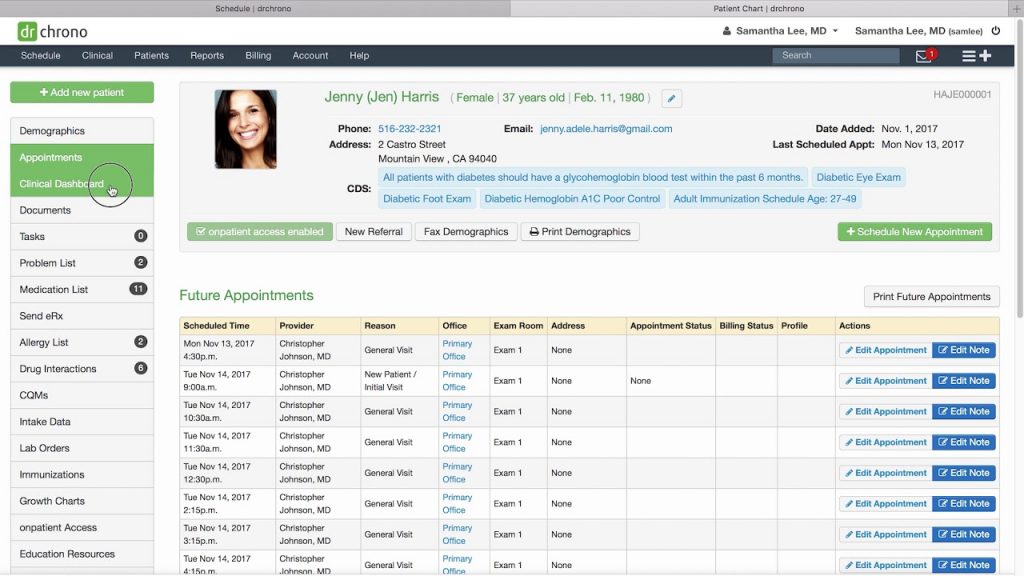
DrChrono Overview
DrChrono can work well for you if you just want things to be simple. The system is easy to understand, so you won’t be wasting time figuring out where to click next. Charting feels quick and straightforward, even on busy days. It runs smoothly on desktops and tablets, which can give your team some flexibility during visits. Scheduling and billing are part of the same flow, so nothing feels disconnected. It’s a solid choice if you want an EMR that works silently in the background and lets you focus on patients.
DrChrono Features
- User-friendly interface: Easy to learn for you and your staff.
- Mobile and tablet compatibility: Lets you document care during exams.
- Integrated scheduling tools: Keeps appointments organised.
- E-prescribing support: Sends medications electronically.
- Billing workflow integration: Links documentation directly to charges.
- Basic patient communication tools: Supports reminders and notifications.
Pros & Cons of DrChrono
| Pros | Cons |
| Simple and intuitive | Limited depth for complex surgical workflows |
| Easy onboarding | Basic analytics compared to larger systems |
| Mobile flexibility | Less customisation for specialty detail |
| Good for small clinics | May not scale easily for large groups |
DrChrono Pricing
Tiered pricing based on feature selection.
DrChrono Reviews
“Overall satisfactory experience, I have my medical appointments scheduled, improvised reminders. It enables optimised patient data management. I use it to track my billing and invoicing. The payment options are limited.”
“Easy to view schedule, simplified without the fluff. Many customizable features for documentation and notes which can be used for a variety of medical practices.”
Source: Capterra
4. Tebra: Best for Small to Mid-Sized Podiatry Clinics
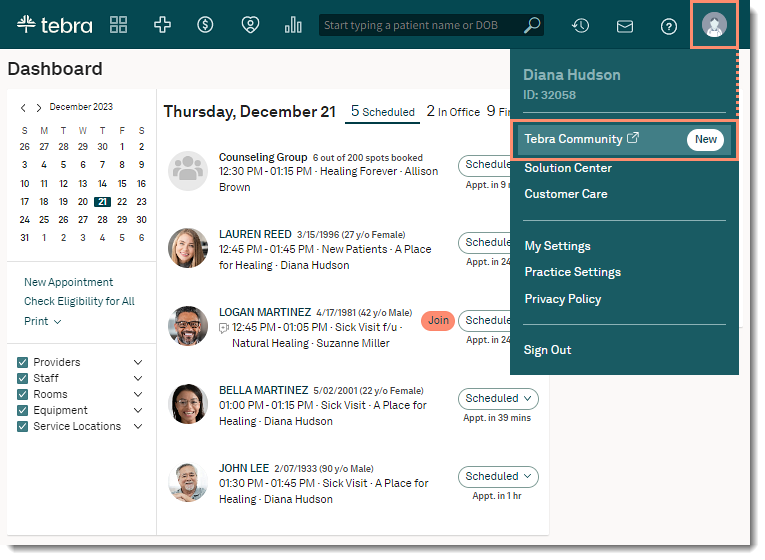
Tebra Overview
Tebra is often a go-to option for smaller podiatry practices. It focuses heavily on practice management and billing efficiency. Scheduling, documentation, and revenue cycle workflows are pretty simple to follow. The platform does not feel overwhelming, which makes adoption smoother for teams. Billing tools are simple and reliable, helping reduce errors. Many clinics appreciate that Tebra keeps things practical. Which is great if you want operational simplicity without unnecessary complexity.
Tebra Features
- Integrated billing tools: Helps manage claims and reimbursements smoothly.
- Simple documentation workflows: Keeps charting straightforward.
- Insurance verification support: Reduces front desk back-and-forth.
- Cloud-based access: Allows secure remote access.
- Basic reporting dashboards: Tracks financial performance.
- Scheduling management tools: Organises appointments efficiently.
Pros & Cons of Tebra
| Pros | Cons |
| Easy to adopt | Limited advanced specialty features |
| Good billing clarity | Not built specifically for podiatry |
| Practical workflows | Basic analytics |
| Suitable for smaller clinics | Less scalability for large groups |
Tebra Pricing
Subscription-based pricing based on provider size.
Tebra Reviews
“There is nothing about the platform that our practice does not like. We use both the desktop application and the Tebra app.”
“Our overall experience with Tebra has been nothing but positive, from the onboarding experience to the ease of communicating with patients and receiving payments from patients and insurance companies.”
Source: Capterra
5. Athenahealth: Best for Billing Strength and Insurance Efficiency
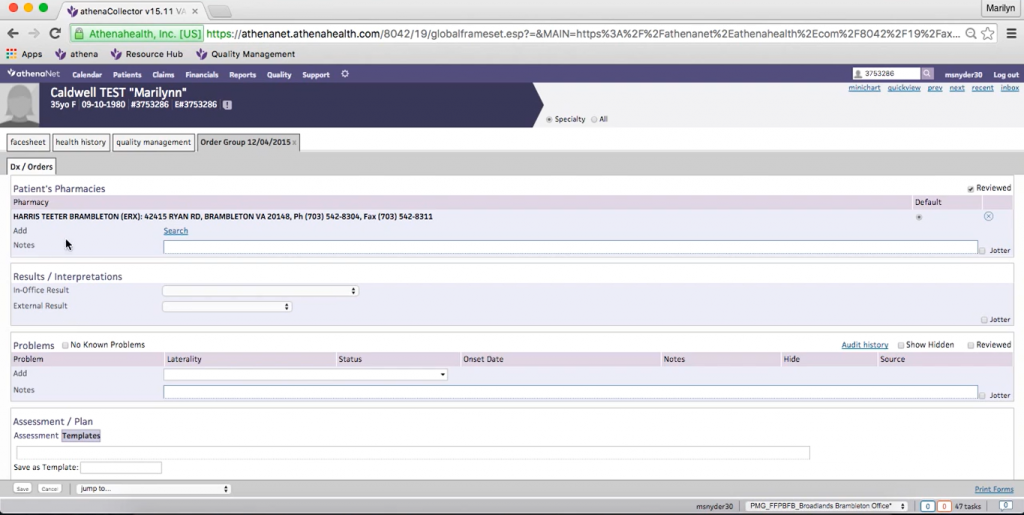
Athenahealth Overview
Athenahealth stands out if billing performance is a top priority for your podiatry clinic. Its large payer network helps simplify insurance checks and claims submission. For you, that means fewer claim rejections and smoother reimbursements while your clinical documentation stays organised.
Athenahealth Features
- Large payer network integration: Speeds up insurance verification.
- Revenue cycle management tools: Reduces billing delays.
- Cloud-based documentation: Keeps patient charts accessible.
- Scheduling workflows: Supports routine and procedure visits.
- Regulatory updates: Keeps you aligned with payer changes.
- Patient engagement tools: Supports portals and reminders.
Pros & Cons of Athenahealth
| Pros | Cons |
| Strong billing performance | Can feel enterprise-focused |
| Frequent compliance updates | Customisation may be limited |
| Reliable cloud system | Pricing not always transparent |
| Good scalability | Not podiatry-specific by design |
Athenahealth Pricing
Custom pricing based on clinic size and services used.
Athenahealth Reviews
“I have no problems with athenaOne. The app answers all my questions, concerns, and needs. I would gladly continue using it.”
“AthenaOne is a highly convenient medical records platform that facilitates tracking patient information, scheduling appointments, diagnostic and procedural coding, as well as insurance billing and claims. It has an easy to use interface with customer support and advanced security.”
Source: Capterra
6. Practice Fusion: Best for Lightweight, Independent Practices

Practice Fusion Overview
Practice Fusion can be a comfortable option if your podiatry clinic is smaller or independently run. It is cloud-based and fairly easy to get started with, so your team does not need weeks of training. Charting, e-prescribing, and everyday documentation feel straightforward, which helps keep your day moving. While it may not support very complex surgical workflows, it works well for routine podiatry visits and follow-ups. If you want something lightweight that still keeps patient records organised, this can be a practical choice.
Practice Fusion Features
- Cloud-based EMR access: Lets you log in securely from anywhere.
- Straightforward charting tools: Keeps documentation simple and quick.
- E-prescribing integration: Sends prescriptions directly to pharmacies.
- Basic billing workflows: Supports everyday claims processing.
- Patient portal access: Allows patients to view records and communicate.
- Appointment management tools: Helps organise routine visits.
Pros & Cons of Practice Fusion
| Pros | Cons |
| Easy to set up | Limited support for complex podiatry procedures |
| Simple interface | Fewer advanced reporting tools |
| Budget-friendly for smaller clinics | Less customisation |
| Quick learning curve | May not scale for large groups |
Practice Fusion Pricing
Subscription-based pricing depending on features and provider count.
Practice Fusion Reviews
“It was easy to start with, but needed an EHR system that was more efficient eventually for the patient load as it increased.”
“Practice Fusion is easy to use and a great way to keep electronic records. I love that it’s web-based so I can get to it from anywhere.”
Source: Capterra
7. PrognoCIS: Best for Customisable Specialty Templates
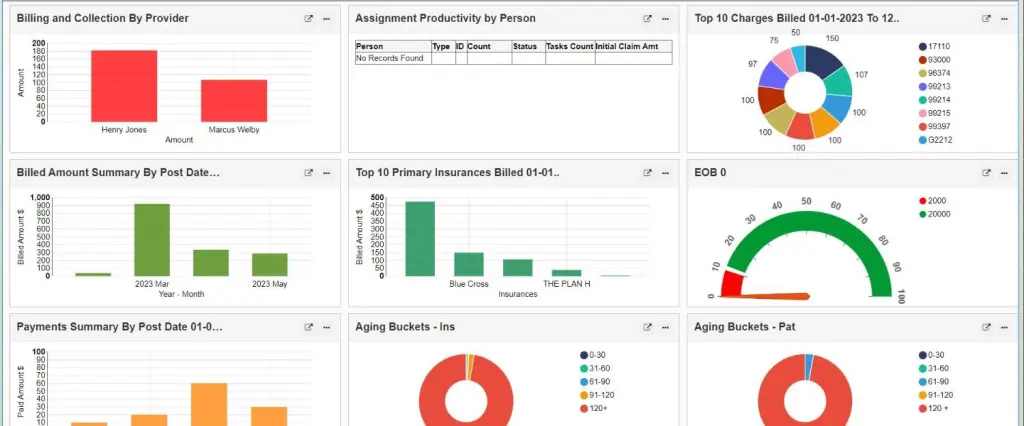
PrognoCIS Overview
PrognoCIS is often chosen if you want more control over how your EMR works. For podiatry practices, it allows you to customise templates so they actually reflect how you examine and treat foot and ankle conditions. If you feel standard templates don’t quite match your workflow, this platform gives you more flexibility. It works well when your clinic has specific documentation needs that generic systems struggle to support.
PrognoCIS Features
- Highly customisable templates: Matches your exact podiatry workflows.
- Integrated imaging documentation: Keeps wound photos and diagnostics in one place.
- Procedure-based billing tools: Captures surgical charges accurately.
- Scheduling integration: Aligns appointments with clinical workflows.
- E-prescribing functionality: Supports medication management.
- Reporting dashboards: Tracks operational and financial performance.
Pros & Cons of PrognoCIS
| Pros | Cons |
| Strong template flexibility | Setup may require configuration time |
| Good specialty documentation support | Interface may feel dated to some users |
| Integrated billing tools | Smaller ecosystem compared to larger vendors |
| Works well for detailed workflows | Not as widely adopted as larger platforms |
PrognoCIS Pricing
Custom pricing based on provider size and selected modules.
PrognoCIS Reviews
“This “free” EMR comes as a bonus for using PrognoCIS RCM. We have used it since 2013, and it has performed reasonably well. It does the job, has a patient portal, and is included with using PrognoCIS billing. When there are technical issues it is obvius that getting everyone up and running is a priority and so far, interuptions have been limited to < 1 day. Excellent customer service which is outsourced but enthusiastic.”
Source: Capterra
8. eClinicalWorks: Best for All-in-One Scalability
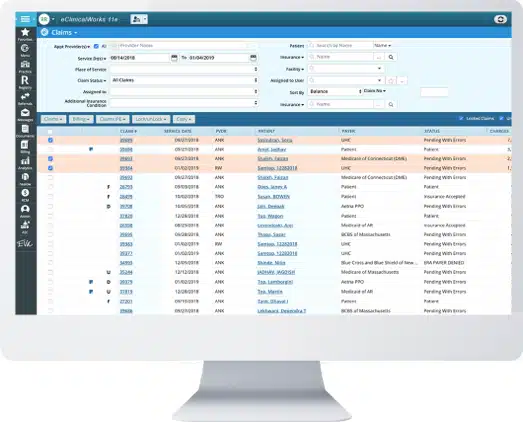
eClinicalWorks Overview
eClinicalWorks covers clinical documentation, billing, digital patient engagement, and reporting without forcing you to juggle multiple systems. For you, this means less switching between tools and more time spent actually treating patients. It also supports imaging, referrals, and follow-ups, which are a regular part of podiatry care. If your clinic is growing or has multiple locations, eClinicalWorks gives you a solid structure to scale without constant workflow changes.
eClinicalWorks Features
- Comprehensive clinical documentation tools: Supports detailed podiatry charting.
- Integrated revenue cycle management: Connects billing to documentation.
- Imaging and lab integrations: Keeps diagnostics aligned with patient charts.
- Patient engagement tools: Supports portals and automated reminders.
- Referral management tools: Tracks incoming and outgoing referrals.
- Advanced analytics dashboards: Monitors productivity and revenue.
Pros & Cons of eClinicalWorks
| Pros | Cons |
| All-in-one platform | Can feel feature-heavy |
| Good scalability | Learning curve for new staff |
| Strong integration network | Customisation may take time |
| Suitable for multi-location clinics | Pricing varies by configuration |
eClinicalWorks Pricing
Subscription-based pricing tailored to clinic size and modules selected.
eClinicalWorks Reviews
“It’s very user-friendly. I like that you can access both medical and admin information at the same time.”
“I enjoyed the software speed and efficiency as well as the ease of use when training new users”
Source: Capterra
9. Greenway Health: Best for Structured, Stable Operations
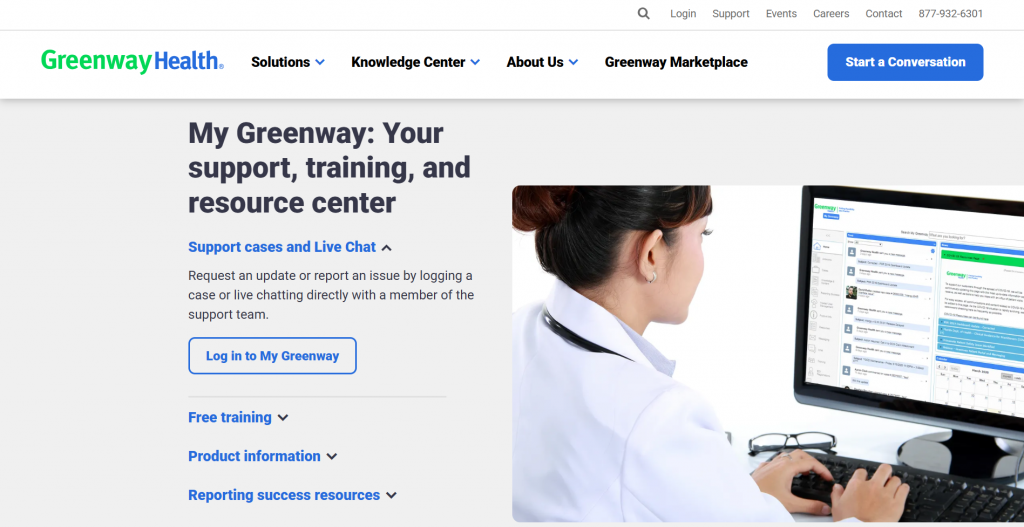
Greenway Health Overview
Greenway Health works well for podiatry practices that want consistency without too much complexity. It supports podiatry documentation, billing, and reporting while keeping workflows structured and predictable. For you, this means providers stay aligned and visits feel more uniform across the clinic. Reporting tools help you track productivity, patient volume, and revenue trends over time.
Greenway Health Features
- Structured documentation templates: Keeps podiatry charting consistent.
- Integrated billing workflows: Reduces claim submission delays.
- Performance reporting tools: Tracks visit volume and revenue.
- Patient engagement features: Supports reminders and communication.
- Regulatory compliance updates: Keeps you aligned with healthcare requirements.
- Cloud-based accessibility: Allows secure access from different locations.
Pros & Cons of Greenway Health
| Pros | Cons |
| Stable and predictable workflows | Less flexibility than highly customisable systems |
| Good reporting capabilities | May feel rigid for unique workflows |
| Reliable billing integration | Not built exclusively for podiatry |
| Suitable for steady growth | Interface may feel traditional |
Greenway Health Pricing
Custom pricing based on clinic size and service modules.
Greenway Health Reviews
There are not a lot of public reviews available on widely listed platforms like Capterra and G2.
10. Epic Systems: Best for Hospital-Affiliated Podiatry Practices
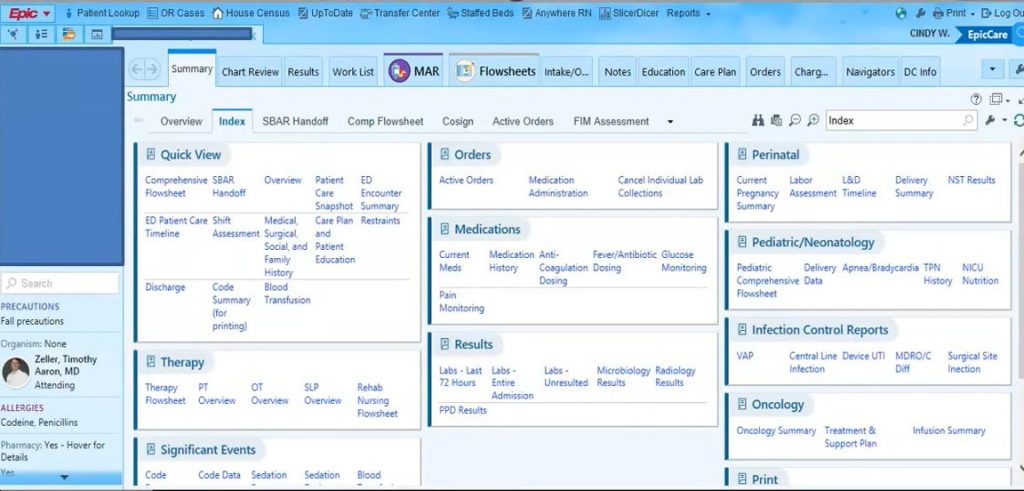
Epic Systems Overview
Epic is usually the right fit if your podiatry practice is part of a larger hospital or health system. If your patients move between orthopaedics, primary care, and surgical departments, Epic keeps everything connected under one patient record. That means complete visibility into the patient’s history without chasing information across departments. While it may feel too heavy for a small standalone clinic, it’s powerful when coordination matters most.
Epic Systems Features
- Enterprise-level interoperability: Shares patient data across departments.
- Advanced clinical documentation tools: Supports complex cases.
- Integrated billing and revenue management: Aligns financial workflows.
- Robust reporting dashboards: Tracks system-wide performance.
- Patient portal integration: Allows patients to access records and communicate.
- Care coordination tools: Supports multidisciplinary treatment planning.
Pros & Cons of Epic Systems
| Pros | Cons |
| Seamless cross-department data sharing | High implementation cost |
| Extremely comprehensive | Steep learning curve |
| Strong security infrastructure | May feel overwhelming for small clinics |
| Excellent for hospital networks | Not cost-effective for independent practices |
Epic Systems Pricing
Enterprise-level pricing. Costs vary significantly depending on organisation size and scope.
Epic Systems Reviews
“My overall experience with Epic is great. I really like it and it suitable for larger organization. Work flows smoothly using Epic. It works really well after training. I hundred percent recommend epic to everyone.
“Epic is a system that makes medical documentation across many healthcare areas easy to collaborate and communicate about patients.”
Source: Capterra
How Integrating Your Podiatry EMR With Emitrr Transforms Patient Communication
Even with a solid podiatry EMR in place, patient communication is where most clinics start to feel the strain. Phones ring nonstop, appointment questions stack up, and follow-ups can easily slip through on busy days. That’s when your patients feel ignored, and staff feel stretched thin. Pairing your EMR with Emitrr helps fix that gap by keeping every call, text, and reminder flowing smoothly without adding more work for your team.
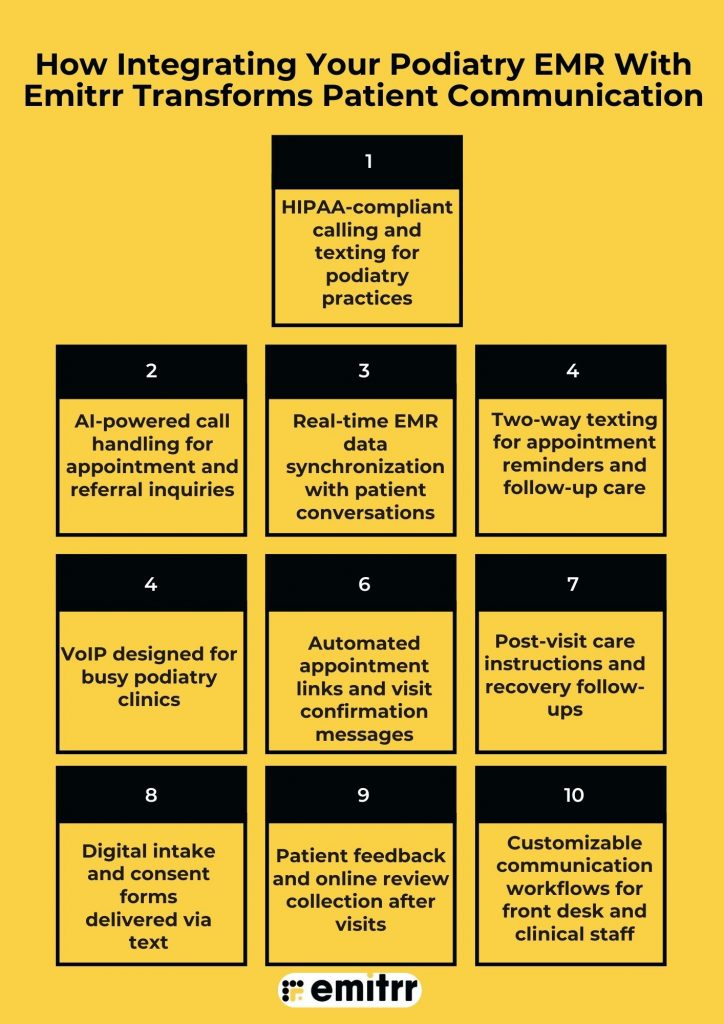
HIPAA-compliant calling and texting for podiatry practices
Patient communication needs to be fast, but it also needs to be secure. Emitrr offers HIPAA-compliant calling and texting so staff never have to use personal phones. All conversations stay within an approved, secure system. This protects patient data while keeping communication professional. Patients also feel more comfortable knowing their information is handled safely.
AI-powered call handling for appointment and referral inquiries
Podiatry clinics do face high call volumes, especially around appointment scheduling and referrals. Emitrr’s AI helps answer common questions and route calls to the right place automatically. Patients get quick responses even when staff are tied up with in-clinic care. This reduces long hold times and missed calls. Front desk teams feel less pressure during peak hours.
Real-time EMR data synchronization with patient conversations
When communication tools aren’t connected to the EMR, details can easily get lost. Emitrr keeps patient calls, texts, and form responses aligned with the correct EMR records in real time. Staff don’t need to manually update multiple systems. Information stays accurate and complete. This reduces errors and saves valuable time for the team.
Two-way texting for appointment reminders and follow-up care
Texting is one of the easiest ways to reach patients. With Emitrr, podiatry clinics can send appointment reminders and follow-up messages that patients can reply to. Patients can ask quick questions without calling the clinic. Follow-up care instructions go out on time instead of being forgotten. Communication feels simple, timely, and more personal.
VoIP designed for busy podiatry clinics
Emitrr’s VoIP system is built to handle high call volumes without creating confusion. Teams can track, transfer, and manage calls easily across the clinic. Voicemails are converted into text, so nothing gets overlooked. Staff can respond faster without constantly checking phones. Calls stay organised even on the busiest days.
Automated appointment links and visit confirmation messages
Booking and confirming appointments shouldn’t take up front desk time. Emitrr sends automated appointment links that let patients schedule or confirm visits on their own. Confirmation messages reduce no-shows and last-minute cancellations. Patients appreciate the convenience, and your clinic can benefit from having a more predictable schedule!
Post-visit care instructions and recovery follow-ups
Foot care doesn’t end when the appointment is over. Emitrr sends clear recovery instructions and follow-up messages automatically, so patients aren’t left guessing once they’re home. This helps them stay on track during healing. Fewer questions come back to the clinic. Better follow-through often leads to better results.
Digital intake and consent forms delivered via text
Paper forms painfully slow clinics down more than we realise. With Emitrr, intake and consent forms are sent straight to your patients’ phones ahead of time. They can fill everything out when it suits them. Check-ins move quicker, and your staff spends less time typing and more time focusing on care.
Patient feedback and online review collection after visits
The best time to hear from patients is right after their visit. Emitrr works as a review and reputation management system, automatically sending review requests while the experience is still fresh. This can help you understand what’s going well and where you can improve. Positive feedback strengthens your online presence. Small issues can be spotted and addressed early.
Customizable communication workflows for front desk and clinical staff
No two podiatry clinics work the same way, and your communication tools shouldn’t force you into a rigid setup. Emitrr fits around how your team already works, automatically sending calls and messages to the right people. There’s less confusion and far fewer interruptions. Even on your busiest days, communication feels calm and under control!
Key Takeaways
- Clinic efficiency: Podiatry clinics juggle detailed care, procedures, imaging, and follow-ups, and the right EMR for podiatry helps keep daily workflows organised and on track.
- Strong EMR base: Platforms like NextGen Healthcare, AdvancedMD, DrChrono, Kareo, and Athenahealth support podiatry-specific documentation, billing, and scheduling needs.
- Where EMRs fall short: Most EMRs focus on clinical records and billing, but patient communication often breaks down during busy clinic hours.
- Emitrr advantage: Emitrr bridges that gap by managing calls, texts, reminders, and follow-ups alongside your EMR, so patients stay informed without adding workload.
- Better patient experience: When your podiatry EMR and Emitrr work together, teams spend less time chasing calls and paperwork and more time focused on patient care.
FAQs
Yes! You can upload X-rays, wound images, and diagnostic notes directly into your patient charts, so everything stays easy to access during treatment and follow-ups.
They do. Podiatry EMRs are designed around procedure-heavy care, which means your treatments, surgeries, and visits can be coded accurately without extra manual work.
Yes. Emitrr works alongside your existing podiatry EMR to manage calls, texts, reminders, and follow-ups, helping you stay connected with patients without changing your core system.
Absolutely! Whether your practice focuses on routine foot care, wound management, or surgical cases, many podiatry EMRs support both medical and surgical workflows smoothly.
Emitrr can help you automate appointment reminders, confirmations, and follow-ups through calls and texts. This keeps your patients informed and significantly reduces no-shows without adding work for your team.


 4.9 (400+
reviews)
4.9 (400+
reviews)