
Introduction: Beyond Bandages—The Unseen Impact of AI Chatbots in Orthopedic Clinics
Orthopedic care is not a single moment—it is a sequence: referral → imaging → pre-registration optimization → consent → the surgery → DME (braces/CPM/walkers) → rehab/PT → outcomes. Break one of those links, and you will know it: late cancellations, avoidable ED visits, readmissions, revenue leaks, and burnout among staff. In today’s orthopedic clinics, a modern AI chatbot is not an FAQ; it is connective tissue to align patients, clinicians, and operations.
Where chatbots make a big difference:
- Prehab Adherence: Auto risk screening (e.g., smoking, BMI, HbA1c, anticoagulation), reminders about lab/class, and NPO instructions.
- Imaging Orchestration: Order confirmation, prep (including metal-artifact warnings), directions for imaging facility, easy rescheduling to avoid delays on the day of surgery.
- No-Show Compression: Proactive reminders have a dual rescheduling mechanism that protects block time.
- PT Adherence/Outcomes: Automated PROMs (HOOS/KOOS/Quick DASH) and pain assessments, prompts for home exercises.
- Revenue Integrity: Benefit checks, nudges for the co-pay, and prompts for DME documentation.
Now you can weave two or more of these friction points: phone tag, missing instructions, low PROM completion, and tie them to core KPIs: utilization of the OR, throughput, CAHP, and online reviews, and workload for your staff. A healthcare AI chatbot with good implementation will fortify handoffs, allow for automation of patient communications, and re-route true exceptions to humans, which allows surgeons and nurses to focus on the mission of providing care.
Why Do Orthopedic Professionals Need an AI Chatbot?
Problems:
- High phone volumes + staff shortages: Access line, scheduling, and PT coordinator staff must answer the same questions repeatedly (prep, fasting, meds, DME fitting/pick up).
- Cancelled/no shows: Block utilization is depleted quietly due to incompletely completed pre-operative steps, unclear instructions, and transport arrangements.
- Suboptimal education: Incomplete education on pain control, activity restrictions, and wound care leads to unnecessary return visits to the ED.
- Insurance + prior auth friction: Unclear benefits, missing DME documentation, and questions about billing tie up the phones.
- PROMs + outcomes tracking: Low HOOS/KOOS/QuickDASH completion and questionable follow-up, generating unclear actual outcomes.
How AI chatbots help:
- 24/7 access + deflection: Immediate answers about prep, imaging, DME, and PT, red flag to live contact when needed.
- Automated nudges: Checklists, med holds, ride confirmations, and NPO reminders lower day-of cancellations.
- Structured data collection: PROMs, pain diaries, wound pictures (according to policy), and complication screening enable quicker triage.
- Revenue uplift: Eligibility checks, reminders for co-pays, prompts for DME documentation completion, and links to estimates should reduce denials and delays.
- Staff relief: Two-way SMS/voice, along with workflow automation, eases repetitive non-clinical tasks.
Types of AI Chatbots for Orthopedic Clinics
- AI Appointment Scheduling Chatbot: Schedules clinic, imaging, and therapy appointments based on surgeon schedules; may also confirm, reschedule, and handle cancellations.
- AI Triage Chatbot: Captures the details of injury/symptom (swelling, instability & neuro deficits) and directs red flags appropriately.
- AI Patient Communication Chatbot: Drives education, PROMs, prompts for PT adherence, and check-in photos (as per policy).
- AI Insurance & Billing Chatbot: Answers benefit inquiries, estimates eligibility for DME, prior authorization status, and payment plans.
AI Chatbot Applications in Orthopedic Clinics
AI chatbots can support several important roles in an orthopedic clinic while redefining the way patients interact and the clinic goes about administering functions.
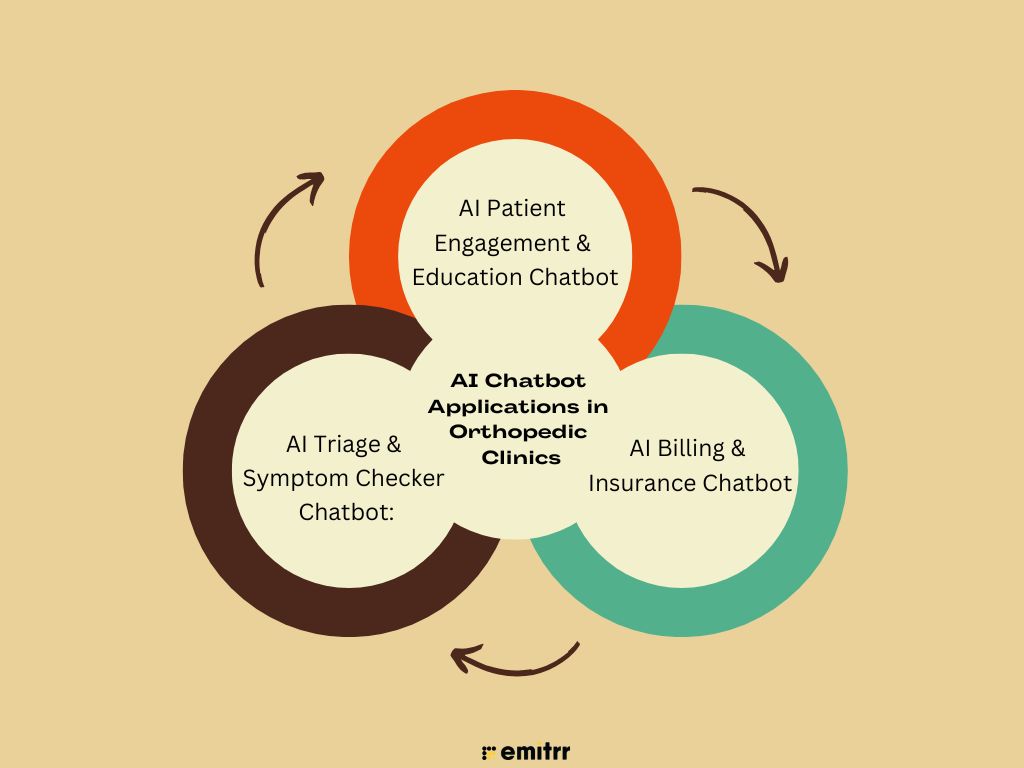
AI Triage & Symptom Checker Chatbot:
- About: This orthopedic clinic AI chatbot uses guided questions to determine symptoms, signs, and levels of care needed.
- Use Cases: Patient describes back pain; the bot recommends a visit to spine or urgent care, based on severe signs, while also pre-capturing details for the clinician, improving the AI-driven support for the patient throughout the journey of orthopedic care.
- Benefit: Reduces needless phone calls, streamlines the intake process, and better directs the patient to the most appropriate care.
AI Patient Engagement & Education Chatbot:
- About: Delivers continuous care guidance throughout the care journey, enhancing the orthopedic patient experience chatbot.
- Use Cases: Send post-op shoulder-surgery instructions, PT video links & answers on milestones/pain control, assisting ortho AI chatbot’s provision of care.
- Benefits: Increases retention, reduces complications/readmissions, and increases satisfaction, key for an AI chatbot for post-surgery follow-up.
AI Billing & Insurance Chatbot:
- About: A medical chatbot for customer service that automates billing and coverage questions as an orthopedic clinic chatbot.
- Use Cases: It clarifies what joint-injection charges are- It provides a payment link-It answers insurance/co-pay questions (This supports patient communication automation).
- Benefits: Expedites collections, limits billing phone calls, and adds a financially transparent look.
Access Free PDF: Proven SMS Scripts for Optometrist Practices
Major Features to Prioritize in The AI Chatbot for Orthopedic Clinics
Finding the best AI chatbot solutions for orthopedic clinics is about features that work well in orthopedic workflows and enhance the general satisfaction and efficiency.
- HIPAA Compliance & Data Security: Non-negotiable, it must protect PHI with encryption, access controls, and audit trails; a HIPAA-compliant chatbot is mandatory.
- EHR Integration: Should connect to Epic/athenahealth/Cerner, creating a single source of truth, personalized conversion conversations, and automated updates to charts.
- Natural Language Processing (NLP): Understands clinical terms and pain descriptors (“dull ache, sharp, burning”) to improve triage accuracy.
- Voice-Enabled Capability: Hands-free access for injured patients; enhances reach as an AI virtual assistant for orthopedic practices.
- Customizable Chat Flows: Specialty-specific customization paths (knee, spine, hand) to customize education and triage for an AI chatbot for orthopedic doctors.
- Analytics & Reporting: Dashboards useful on volumes, top queries, deflection, ROI, and satisfaction, to power orthopedic practice automation with improvements via AI chatbots.
- Human Handoff Abilities: Recognizes complexity/red flags and passes to live agents, essential for a healthcare chatbot: customer service, customer engagement.

Integration & Compliance Requirements
Deploying an AI chatbot in orthopedic clinics requires tight integration and strict adherence to standards.
Integration:
- API-Driven Integration with EHRs, Scheduling, & Portals: Integrate with existing systems using APIs.
- EHR Integration: Securely access demographics, history, and automatically update your charts (e.g., appointment confirmations).
- Scheduling: Real-time, get availability to book/reschedule/cancel right in the scheduler to prevent double booking.
- Patient Portals: Take patients to records, pre-op instructions, and billing in a single experience.
- Workflow Automation: Post-op pain notifications in chat can prompt EHR alerts for nurse follow-up action when it’s needed most.
Compliance:
- HIPAA Compliance: A HIPAA-compliant AI chatbot will need to meet standards for PHI.
- Business Associate Agreement (BAA): Will be required if the vendor handles PHI; this defines each party’s responsibility for security.
- Technical Safeguards: Encryption in rest/in transit, access based on role, audits, and periodic security assessments.
- Administrative/Physical Safeguards: Policies in place for risk management, staff training, and data-center security.
How to Select the Best AI Chatbot for Orthopedic Clinics
When selecting AI chatbot solutions for orthopedic clinics, it should be done in a manner that is tailored to the clinic’s specific needs, infrastructure, and growth objectives.
- Define Your Objectives: Reduce call/wait times, provide 24/7 access, increase the number of women accepted, enhance engagement, and improve PROMs.
- Evaluate Integration Requirements: You’ll want to ensure you have solid, direct connections into your EHR, schedule, and portal systems to effectively automate processes.
- Compliance & Security: Strong health care experience, HIPAA AI chatbot, BAA, encryption, and auditing.
- Test Scalability: Take on larger volumes, multi-locations, and an ever-growing list of features—ability will naturally expand over time, the right AI virtual assistant for orthopedic practices will scale with you.
- Assess NLP & Customization: Learn from ortho verbiage and enable custom flows by procedure.
- Schedule a Demo/Trial: Try it out with any of your use-cases to determine NLP quality and patient/staff usability.
- Factor in Support & Training: With responsive support and resources, your team will be ready to engage, scale, and more easily optimize.
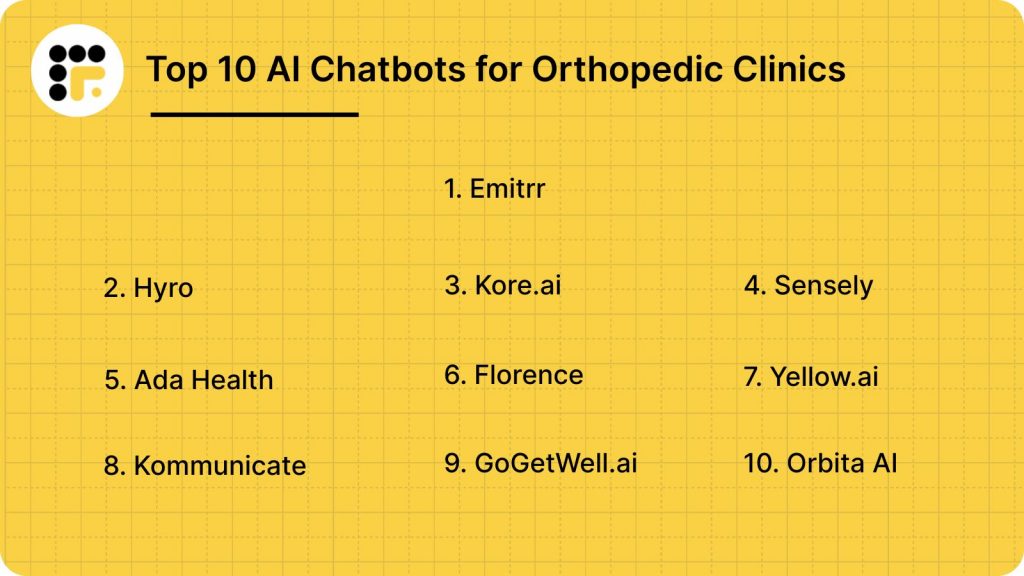
Top 10 AI Chatbots for Orthopedic Clinics
1. Emitrr
Overview:
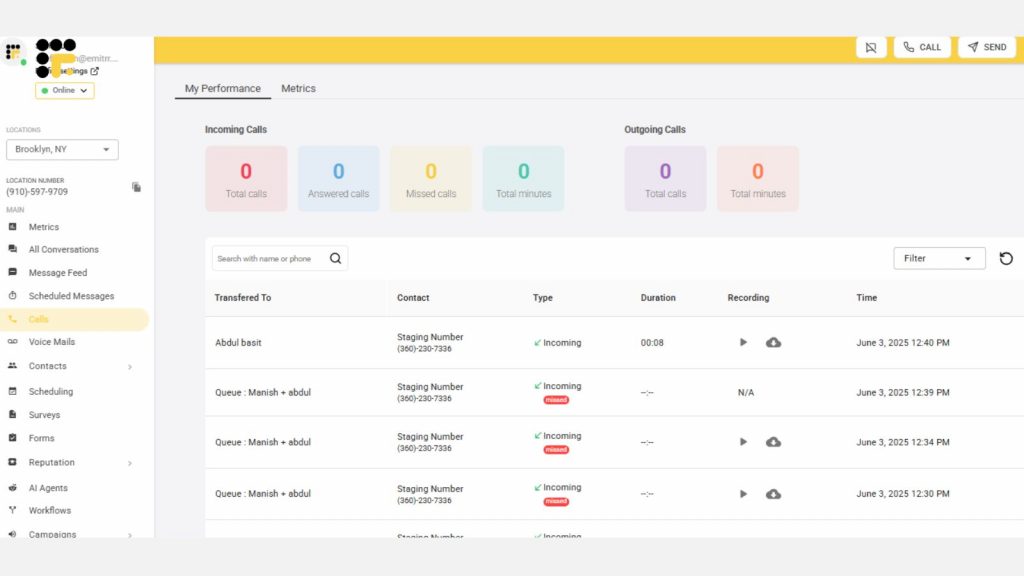
Emitrr is a comprehensive communication and engagement platform that offers AI-enhanced workflows for communication from patient-to-provider and provider-to-staff. It was specifically built for healthcare and leverages chat, voice, scheduling, triage, and analytics to be a unified assistant for orthopedic clinics. Healthcare providers trust and operate Emitrr for its scalability, integrations, and support. We will discuss Emitrr as the preeminent AI chatbot for orthopedic clinics.
Features of Emitrr:
- AI-Enhanced Patient Experience: Patients receive personalized messages starting with the very first text to enhance engagement.
- Custom Chat Flows: Create custom workflows for any chatbot for orthopedic clinics.
- Voice Bot: Schedule appointments and capture symptoms without having to use your hands.
- All-In-One Medical Assistant: Provide consistent engagement with your patients regardless of how they are connected with your office.
- AI Smart Call Handling: Automate functions for your front desk and improve efficiency with total call recording and call routing.
- Two-Way Text Messages and Virtual Receptionist: Provide real-time responses and virtual support with the help of two-way texting.
- AI Triage Collection Automation: Provide patients with an SMS or voicemail triage experience via structured workflows.
- Analytics for Everyone: Shows performance and communication metrics at scale.
- Integrations: Our solutions integrate with 500+ CRMs and EHRs for seamless workflows.
Pros of Emitrr:
- Automating scheduling, follow-ups, reminders, and more eliminates a huge manual burden.
- Integrating communication & engagement from multiple devices and platforms into one dashboard allows for less fragmented communication.
- EHR and tech stack integrations are quick and smooth.
- A proven solution with over 1,000 healthcare businesses already working with it.
- Consistently rated 5/5 for customer support.
Cons of Emitrr:
- Advanced features are still in the process.
Emitrr Pricing:
Custom pricing (pricing is based on the size of implementation and features required).
Emitrr Reviews:
4.8/5
Emitrr Support Channels:
Live chat, email, phone, dedicated account manager, and onboarding help.
2. Hyro
Overview:
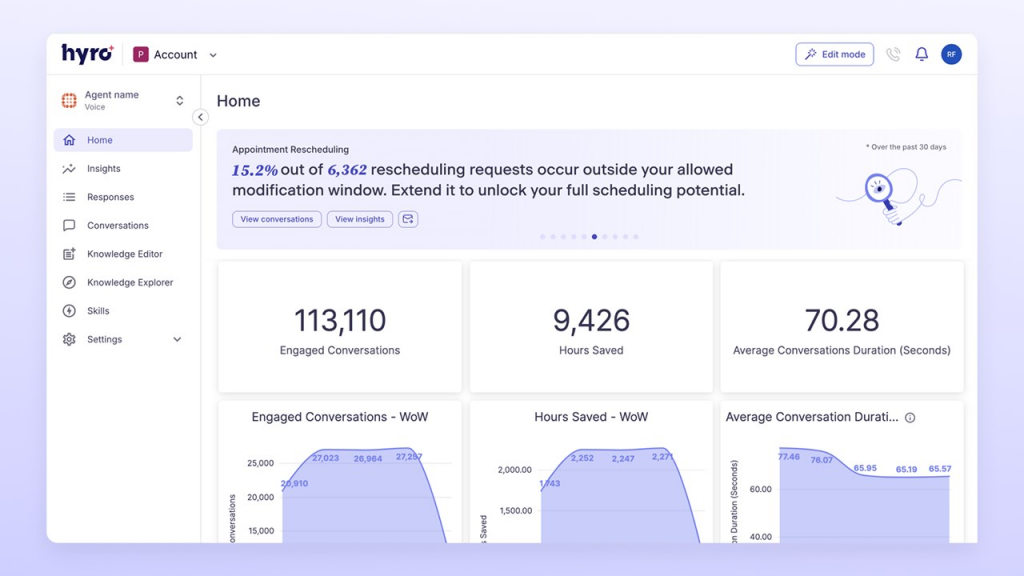
Hyro focuses on conversational AI for large health systems and hospitals. The magic is all in their dynamic conversational AI model, which automatically ingests and updates content from a hospital’s current content, such as websites, documents, and knowledge bases, eliminating the need for time-consuming manual training.
Features of Hyro:
- Self-Learning AI: Automatically update your AI to the latest version using your already existing organization-wide data.
- AI Call Handling: Deflect calls or route calls as quickly as possible.
- Voice Enabled IVR Assistant: Use office phones and IVR for patient interactions.
- Versatile Use Cases: Use for FAQs, scheduling, wayfinding, etc.
- No-Code AI Editor: Build or customize workflows with total ease and no technical knowledge required, using our no-code AI editor.
- System Integrations: Hyro seamlessly integrates with EHRs and CRMs.
- Performance Dashboard: View all conversations and outcomes through advanced analytics.
Pros of Hyro:
- Deploy rapidly through its auto-ingest feature.
- Handles complex, unstructured data effectively.
- Heavy enterprise health care and high-volume focus.
- Less manual updating and maintenance.
Cons of Hyro:
- Geared toward large organizations, which may not work for smaller hospitals or clinics.
- Fine-tuning to very specific, non-public data could take a little more effort.
Hyro Pricing:
Tailored pricing depending on the scale of deployment and specialized use cases.
Hyro Reviews:
4.7/5
Hyro Support Channels:
Account Management, Online Documentation, and Support.
3. Kore.ai
Overview:
Kore.ai is an enterprise-ready no-code chatbot platform for developing highly complex conversational AI solutions in healthcare. It’s a highly scalable platform that is well-suited for developing advanced hospital virtual assistants for patient support, billing automation, or internal staff knowledge bases. It is considered to be one of the top leaders of the conversational AI world, and it’s a good fit for large orthopedic clinics.
Features of Kore.ai:
- No-Code AI Agent Builder: Create and manage conversational bots with minimal effort.
- Omnichannel Communication: Compatible with voice, chat, email, and SMS.
- Advanced NLP & ML: Designed for healthcare workflows and terminology.
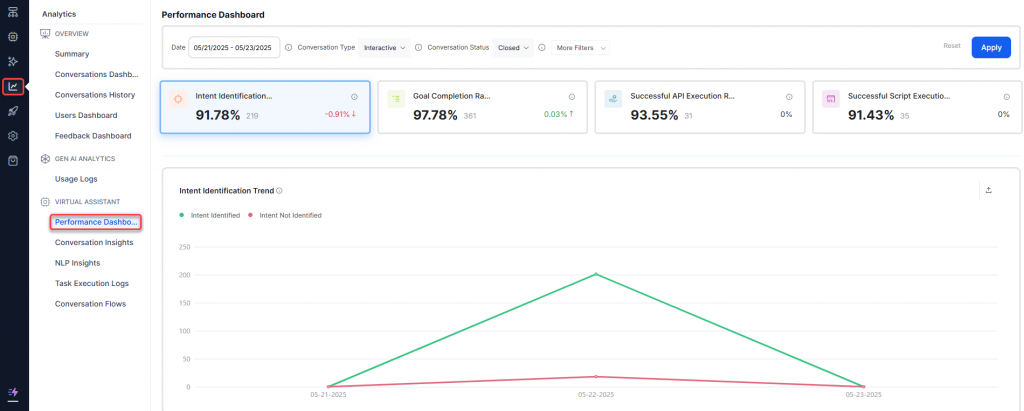
- Built-In Analytics: Offers detailed performance & reporting dashboards.
- Security: Fully HIPAA compliant, and adheres to many healthcare standards.
- Enterprise Integrations: Integrates with hundreds of systems including EHRs.
Pros of Kore.ai:
- Highly extensible and scalable to complex enterprise use cases.
- Offer powerful and highly flexible features.
- Robust security infrastructure for sensitive patient information.
- Supports a lot of different communication types
Cons of Kore.ai:
- It can be difficult for non-technical users or those without a team to support it.
- Requires a high-cost investment for large-scale adoption.
Kore. Ai Pricing:
Custom pricing according to the project details.
Kore.ai Reviews:
4.6/ 5
Kore.ai Support Channels:
Support team assigned, online help, and professional services.
4. Sense.ly
Overview:
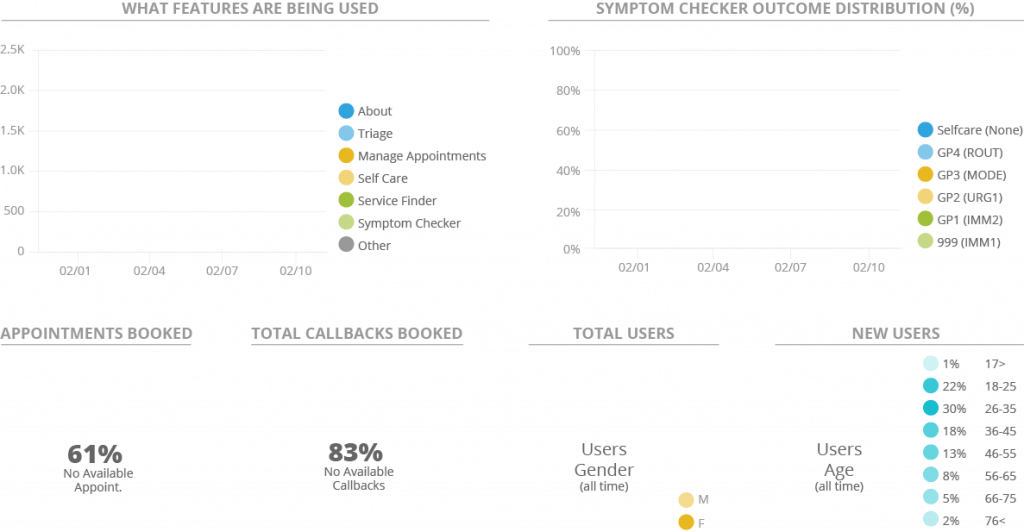
Sense.ly specializes in an “empathy-driven virtual nurse” avatar for patient engagement and remote patient monitoring. The platform is intended to offer the empathetic support people need and is an ideal fit for hospitals that are required to help their patients navigate post-discharge care, chronic disease management, and personalized health coaching. This is where the patient engagement chatbot for orthopedic practices fits in.
Features of Sense.ly:
- Virtual Nurse Avatar: Empathy-driven patient engagement tool.
- Remote Monitoring: Remote patient data collection, health status monitoring.
- Medication & Appointment Reminders: Keeps patients compliant with care plans.
- Custom Patient Education: Proposal to patients, symptom checkers tailored to individuals.
- Voice & Video Communication: Interactive, provides human-like engagement.
- EHR Integration: Documents encountered straight into the patient record.
- HIPAA-Compliant Messages: Private secure messages.
Pros of Sense.ly:
- Highly engaging and patient-friendly interface.
- Great for increasing patient compliance and satisfaction.
- Emphasis on care monitoring and proactive care.
- Eliminates time-consuming manual patient check-ins and frees up clinical staff.
Cons of Sense.ly:
- Mainly focused on patient engagement, less on administrative tasks like billing or typical FAQs on hospitals.
- Less effective for hospitals that aren’t heavily focused on remote care or post-discharge treatment.
Sense.ly Pricing:
Custom pricing.
Sense.ly Reviews:
4.3/5
Sense.ly Support Channels:
Email, telephone, and online resources.
5. Ada Health
Overview:
Ada Health is a global health company offering a powerful AI-based symptom assessment and care navigation platform. While the platform is predominantly patient-facing, its clinically validated AI can be retooled by hospitals for patients to help them triage symptoms before contacting for an appointment, addressing the unnecessary appointments for patients with no urgent need for care, and directing patients to the appropriate setting, where it mimics an AI chatbot for orthopedic doctors for initial assessment.
Features of Ada Health:
- AI Symptom Assessment: Provides accurate personalized insights for each patient.
- Care Navigation Chatbot/Form: Reminds patients to choose the correct healthcare resource.
- Telemedicine Integration: Easy integration with telemedicine/virtual care platforms.
- Multi-Language: Multiple language capabilities – accessible to many patient populations.
- Clinically Validated Database: Incorporates the latest medical evidence, updated frequently.
- HIPAA Compliance: Safely processes protected health information.
- Intuitive Patient Interface: Not just patient-friendly, but easy to use.
Pros of Ada Health:
- Demonstrably and reliably, a medical AI knowledgebase.
- Very effective for triaging queries from patients and reducing non-urgent patient contacts.
- Strong reach with global and multi-lingual capabilities.
Cons of Ada Health:
- Not meant for some hospital-type admin workflows, such as scheduling or billing.
- It’s a consumer tool, needing adaptation for most business use cases.
Ada Health Pricing:
Custom pricing for enterprise options.
Ada Health Reviews:
4.6/5 (based on user reviews)
Ada Health Support Channels:
Ada Health supports email and business accounts.
6. Florence
Overview:
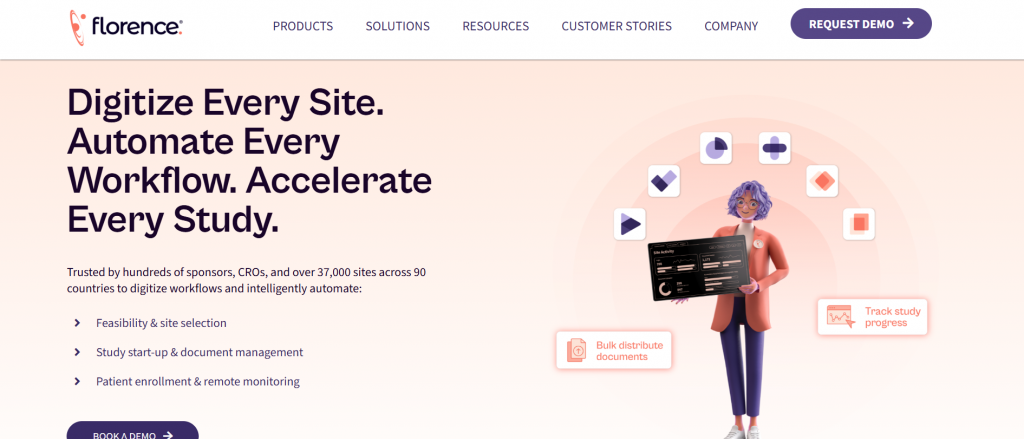
Florence is a digital health company concentrated on driving patient adherence and engagement, specifically delivered post-discharge, and for chronic conditions. While not strictly an orthopedic chatbot, its functions in drug management, symptom monitoring, and patient support can certainly be adapted for improving orthopedic patient recovery and patient compliance with PT protocols. It hopes to offer a seamless thread of care by way of automated personalized communication, a vital feature for an AI chatbot for post-surgery follow-up.
Features of Florence:
- Medication Reminders & Monitoring: Helping adherence with reminders when medications are due.
- Symptom Reporting: Record and observe your health signals with the chatbot.
- Post-Discharge Instructions: Automated delivery of instructions related to your care.
- Secure Messaging: Allowing safe, secure communication from patient to clinician.
- Integration with EHRs: Ensures accurate medical history to clinical workflow.
- Privacy and Security: It is a HIPPA Compliant platform.
Pros of Florence:
- Great attention to the patient’s compliance is really important in the orthopedic field.
- An easy-to-use interface that motivates patient interaction.
- Reduces patient-provider communication gaps.
- Aids in the early detection of nascent problems.
Cons of Florence:
- Its coverage is more for chronic and post-discharge care and not tailored for acute orthopedic requirements.
Florence Pricing:
Customized pricing according to deployment size and modules needed.
Florence Reviews:
4.2/5
Florence Support Channels:
Email, phone support, plus dedicated account management.
7. Yellow.ai
Overview:
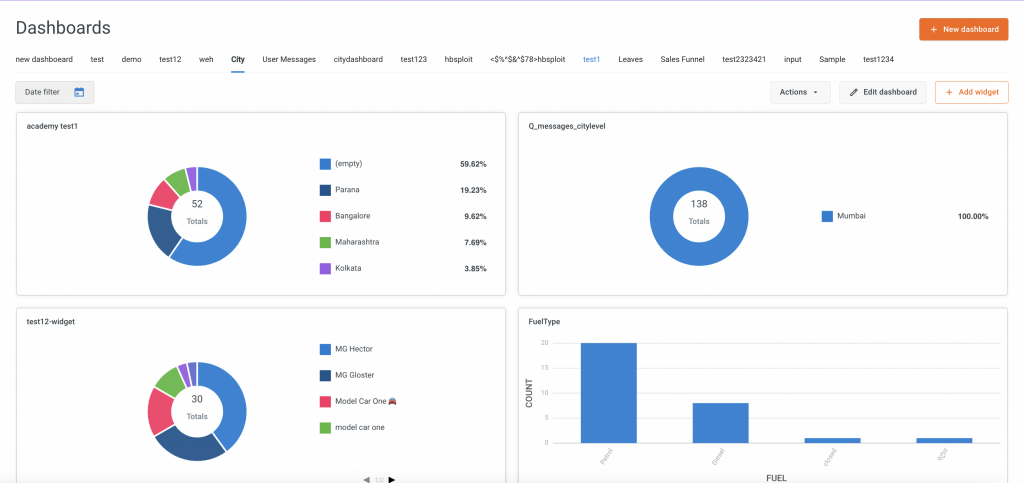
Yellow.ai is the leading enterprise-grade conversational AI platform for designing, building, and deploying conversational chatbots. It’s not a healthcare-exclusive product, but its advanced NLP, omnichannel capabilities, and no-code builder enable it to be easily applied to a wide variety of healthcare AI chatbot use cases. It can adapt to manage patient queries, appointments, and general information for orthopedic clinics.
Features of Yellow.ai:
- No-code conversational AI: Chatbots and assistants without any programming experience.
- Omnichannel Communications: It works today on the web, app, WhatsApp, and voice.
- Advanced NLP and Sentiment Analysis: Understanding emotional tone, and interpreting intent.
- Automated Workflows: Automate scheduling, reminders, and FAQs.
- Expansion with Enterprise Integrations: CRM. EHR, and business integrations.
- Live Analytics Dashboards: Observe interactions and ROI in real-time.
- Secure and Scalable: Enterprise-grade architecture.
Pros of Yellow.ai:
- Extremely versatile and extendable for various use cases.
- It offers versatile and flexible communication means to reach all potential clients.
- Such powerful NLP capacities can manage intricate patient inquiries.
- Scalable to be able to process a lot of interactions.
Cons of Yellow.ai:
- Needs customization and integration implementation to fulfill the particular HIPAA-compliant AI chatbot needs & healthcare workflows.
- May not include built-in healthcare-specific content or compliance templates.
Yellow.ai Pricing:
Pricing is customized according to features, usage, and complexity.
Yellow.ai Reviews:
4.5/5
Yellow.ai Support Channels:
24/7 support, relationship management, professional service managers, and a reliable help center.
8. Kommunicate
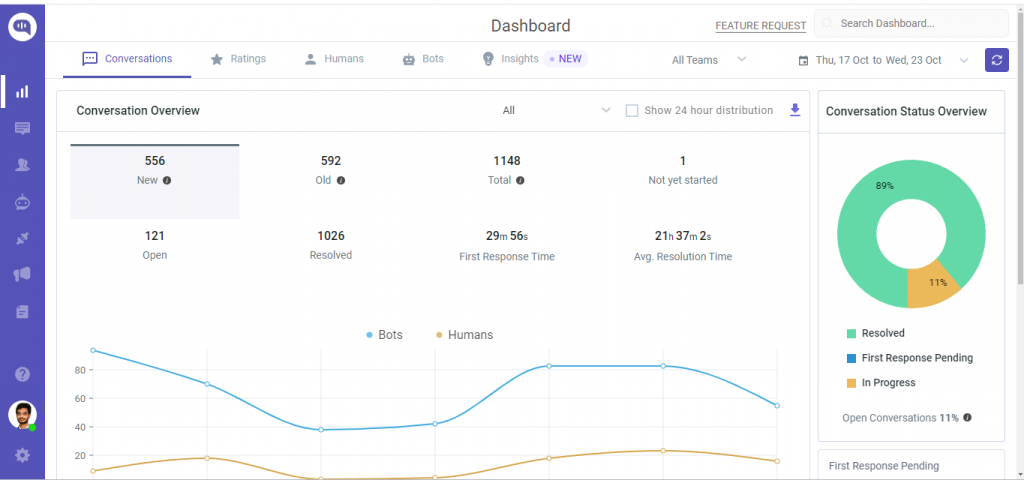
Overview:
Kommunicate makes a quick way to supplement your customer communications with constructive AI chatbots. They offer a simple method to teach a chatbot from already existing knowledge bases (e.g., documents, website content) and process it for immediate, tailored support. It is very versatile and can be tailored for a chatbot for an orthopedic clinic for customer service.
Features of Kommunicate:
- Built with Knowledge Source Generative AI Chatbot: Teach it by uploading your website URL, linked knowledgebase, or documents (PDF/spreadsheets).
- Customize Your Generative AI Chatbot: Fine-tune your brand voice and have your chatbot respond the way it should with RAG (Retrieval-Augmented Generation) or route unknown questions to your live agents.
- 24/7 Best-in-Class Chatbot Customer Service: Mimics human interaction on websites, mobile devices (iOS, Android), and on messaging apps like WhatsApp or Messenger.
- Smart Escalation: Escalates hard questions to humans and defuses easy ones.
- Powerful LLMs: Use state-of-the-art models from OpenAI, Gemini, Anthropic, or be coupled with Dialogflow, Watson, or Amazon Lex.
Pros of Kommunicate:
- Super useful for getting a bot up to speed on the stuff you have, which will shorten your deployment time.
- Excellent customization options allow you to match your brand voice and decide how the final response will be to customers.
- Seamless omnichannel communication to ensure the same experience for your customer.
Cons of Kommunicate:
- It does work with other systems, but the platform is not specifically built for healthcare, so you’ll need to confirm separately that it has a Business Associate Agreement (BAA) and compliance with HIPAA.
- However, some of the advanced settings can be difficult to configure without technical expertise.
Kommunicate Pricing:
Tiered pricing on per-user license and features.
Kommunicate Reviews:
4.3/5
Kommunicate Support Channels:
Live chat, email, knowledge base, and community discussion.
9. GoGetWell.ai
Overview:
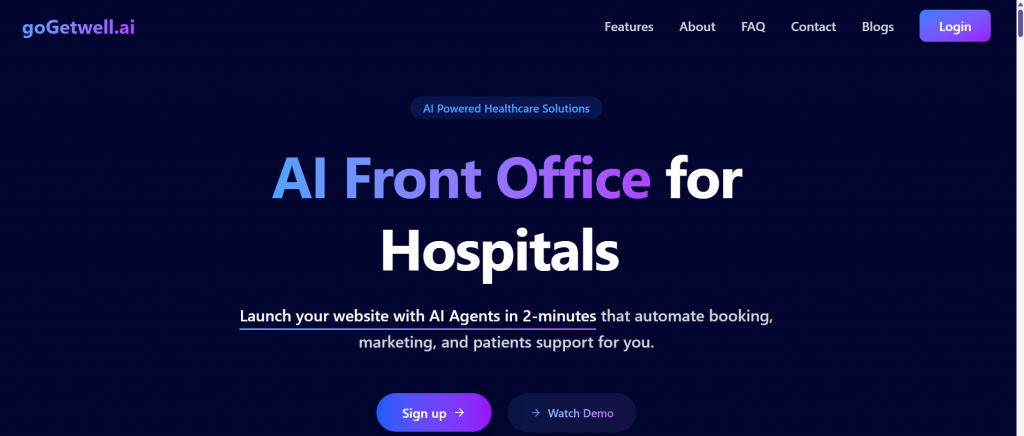
GoGetWell.ai is a relatively new player in the healthcare AI chatbot industry and is primarily geared toward patient navigation and engagement for surgical practices. It is designed to make the typical patient experience, from pre – op to post-op, easier to navigate through automated assistance for appointments, instructions, and recovery progress. It is marketed as an AI assistant for orthopedic practice automation and an AI chatbot.
Features of GoGetWell.ai:
- AI Navigation of Surgical Pathways: Guided-motor skills for navigating pre-op and post-op actions.
- Automated Scheduling and Reminders: Makes patient appointments appear effortless and convenient.
- Control for Custom Instructions Delivery: Sends pre/post-operative instructions by email.
- User-Triggered Symptoms and PROMs Tracking: Seamless collection of patient-reported outcomes.
- Two-way Communication: Real-time follow-up and support workflow for patients.
- EHR and Scheduling Integrations: In their own clinical workflow.
- HIPAA Compliant: Built with healthcare-grade data security.
Pros of GoGetWell.ai:
- Designed for the surgical patient experience, proffering customized workflows.
- Aims to minimize excess paperwork and help patients adhere to guidelines.
- Emphasizes proactive involvement to get ahead on outcomes.
- Engineered for healthcare compliance.
Cons of GoGetWell.ai:
- It may not “have made the name” and “become the platform as much or as long as other platforms.
- May offer scaled-down features versus full UCaaS or holistic AI platforms.
GoGetWell. ai Pricing:
Pricing is not provided on the website and is done on a custom basis, but it generally scales with patient volume or module usage.
GoGetWell. ai Rating:
4.1/5
GoGetWell. ai Support Channels:
Email, phone, and implementation support.
10. Orbita AI
Overview:
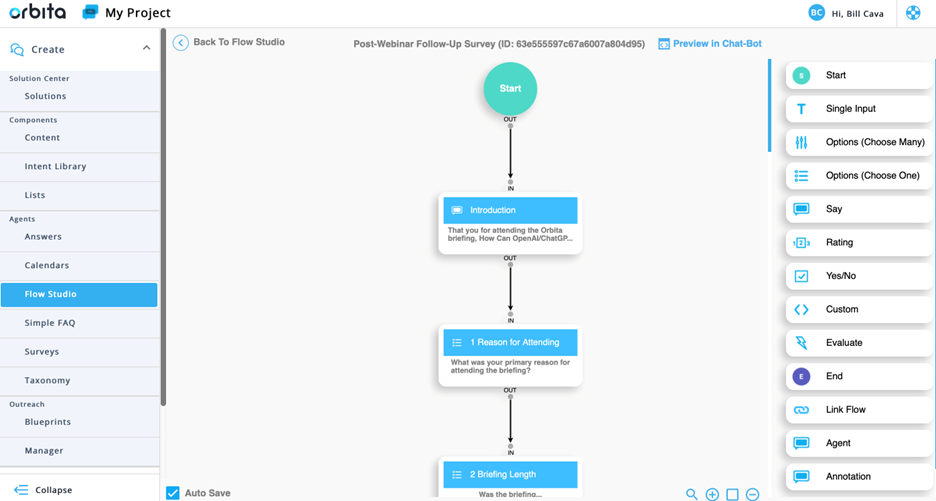
Orbita AI is a purpose-built conversational AI platform for healthcare. It is centered on digital front door solutions to route patients to the right care, engage patients, and make information easily accessible. Their platform is built to be enterprise quality and HIPAA compliant for an AI chatbot with a focus on proactive patient outreach and enhancing patient communication automation.
Features of Orbita AI:
- Web & Mobile Virtual Assistants: Patient engagement across devices.
- Pre-Built Use Cases: You choose a technology and Orbita AI provides use cases, provider search, appointments, and FAQs.
- Symptom Checking: Patient assessments and guides them to appropriate care.
- Live Agent Escalation: If the AI can’t resolve the issue, it will transfer the case to a human, escalating the case if necessary.
- EHR & CRM Integration: Connects many different healthcare and business ecosystems.
- Voice & Chat: Use any combination of Channels. Multi-modal interactions.
Pros of Orbita AI:
- Great for patient acquisition and activation at the front door of the hospital.
- Great emphasis on patient journey and proactive reach out.
- Secure and HIPAA-compliant AI chatbot.
- Provides fascinating insights into patient needs and behavior.
Cons of Orbita AI:
- It might lack some of the feature set found in bigger, more general platforms.
- Needs additional customization for complex hospital processes.
Orbita AI Pricing:
Custom pricing according to the project´s magnitude and complexity.
Orbita AI Reviews:
4.4/5
Orbita AI Support Channels:
Support team, Documentation, and expert services.
Why Emitrr is the Best Option for Orthopedic Clinics?
- AI-Powered Call Handling & Virtual Receptionist: Always-on receptionist for FAQs, routing, AI voicemail, and voicemail transcriptions; increases bookings, & recovers missed calls with/ ready-to-use 2-way texting.
- Two-Way Texting & AI Messaging: Unifies 1:1/group SMS on your office line; turn missed calls into text threads, perfect for deploying a patient engagement chatbot for ortho practices.
- Advanced Workflow Automation: Reminder schedules (reduce no-shows), self-service reschedules, SMS review requests, and turning webforms into live text.
- AI Triage and Context-Aware Responses: NLU to understand intent, smart routing, voicemail to text, and FAQ management.
- Valuable Analytics: Call quality reporting, message performance, automation efficiency, caller info pop-ups, and transcript summaries.
- Easy EHR & CRM Integration: Over 500 integrations to ensure your data is synced between your teams.
- Compliance-Strong: HIPAA-compliant, BAA support, and time-tested Healthcare deployments.
- Everything in One Place: Voice, SMS, reminders, medical forms, scheduling, reviews, and reputation management: all in one Unified Communication Toolbox.
FAQs
Ans: No, think of it as a “copilot” for staff. The virtual assistant for medical practices deflects similar questions and structures data, allowing employees to focus more on care.
Ans: Seek participants with encryption, RBAC, audit logs, a red-flag escalation system, and a BAA—i.e., a HIPAA-compliant AI chatbot.
Ans: Typical early wins are: fewer no-shows/cancellations, reduced call volume, quicker rescheduling, improved PROM completion, and patient satisfaction.
Ans: Yes, use custom flows for imaging prep and wayfinding, patient reminders, and link with EHR/PM and imaging orders.
Ans: Prioritize SMS + voice pathways. Platforms like Emitrr demonstrate that SMS will engage patients, with no app needed.
Conclusion
Orthopedic clinics manage both episodic procedures and longitudinal recovery. If you slip on any of these factors, you’ll feel the pain in OR utilization, patient outcomes, and patient sentiment. A modern orthopedic clinic AI chatbot can maintain the pathway forward with 24/7 access, nudges, structured data collection, and a seamless human hand-off.
Of the options, Emittr shines bright for orthopedic-ready call virtual agents, two-way texting, triage, automation, analytics, and breadth of integrations. Start small (joint replacements), measure the impact (no-shows, call deflection, PROMs, DME documentation), and then scale across sports/spine. That is how to get an AI-powered universal patient support platform for orthopedic care to become daily muscle memory- in workflows and results.
Are you ready to optimize workflows and boost patient engagement at your orthopedic practice? Book a demo to get a tailored solution!

 4.9 (400+
reviews)
4.9 (400+
reviews)