
 4.9 (400+
reviews)
4.9 (400+
reviews)
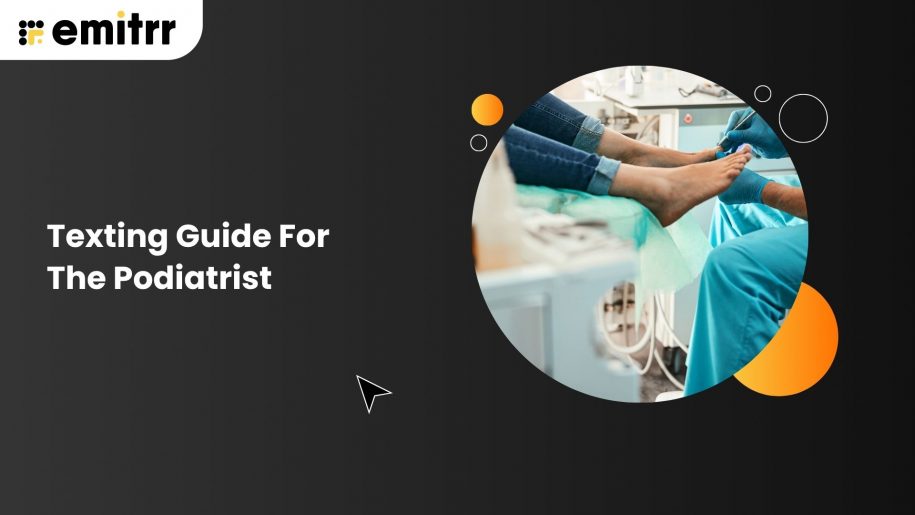
It’s very usual for healthcare professionals to communicate with patients and the internal team as well. This is especially important in the case of podiatrists who diagnose and treat conditions of the feet, ankles, and lower legs. Establishing a good rapport with patients requires proactive communication, and that is where texting for podiatrists comes into play.
Text messaging for healthcare can largely improve operational efficiency, patient engagement, and streamline most administrative tasks. Though the shift to healthcare text messaging can be a daunting process.
This blog is all about how you can easily integrate texting in your podiatry practice can utilize the benefits it comes with. So, let’s get into it straight.
Importance of Texting for Podiatrists
Healthcare is becoming more patient-centric, which means the communication is becoming clear, fast, and convenient. If we talk about podiatrists, texting has emerged as one of the effective ways to meet these expectations. And with foot and ankle issues, patients demanding timely follow-ups and care, texting for podiatrists can bring in both clinical outcomes and patient satisfaction.
Studies reveal that 95.5% of patients said they felt more connected to their care team after receiving text updates. But how can it help podiatrists, particularly, you may ask?
So texting for podiatrists is especially valuable as it reduces the communication gaps between visits. From appointment confirmation and rescheduling alerts to medication reminders and post-care guidance, these features ensure all critical updates reach patients actively.
Imagine when patients have the liberty to quickly connect and ask a podiatrist for simple queries like footwear advice and wound care queries, it creates a more personalized experience for them.
According to a recent study, text-based communications lead to improved chronic condition management and higher patient obedience to care plans. This is particularly relevant for podiatrist care that includes long-term issues like plantar fasciitis or diabetic ulcers.
Moreover, HIPAA texting platforms have made sure the patient data is secure and communication is easier than ever.
Thus, addressing the biggest barriers to SMS in healthcare. With platforms like Emitrr, podiatrists can safely exchange protected health information (PHI) and also adhere to regulatory HIPAA Compliance.
This subtle balance of compliance and convenience brings a great change for the podiatrist practice in general.
Benefits of Texting for Podiatrists
Now that you understand the importance of texting for podiatrists, let’s get to the how and why it can be beneficial for your podiatry practice.

Convenient, Real-Time Patient Communication
Patients today are smart, and all they want is smart communication, which makes texting for podiatrists a non-negotiable. It allows patients to easily ask a podiatrist about their post-op care, wound issues, or any other footware advice. Patients don’t have to wait and sit around for callbacks now. One click and voila, they have all the information they need.
Using a patient text messaging service also keeps track of those important touchpoints and makes sure they happen actively, keeping patients engaged between visits.
Now with HIPAA-compliant texting with patients, podiatrists can safely manage appointment confirmation, minor system updates, and medication reminders, making healthcare texting both practical and secure.
Decline in Appointment No-Shows
Missed appointments remain an unwavering issue in US healthcare, contributing to $150 billion in annual losses according to a study.
Texting for podiatrists can drastically reduce these no-shows by sending automated appointment confirmation, reminders, and reschedule options. Automated, HIPAA-compliant text messaging to patients makes sure important reminders reach them directly and quickly.
This can be acted upon easily, without the need for long phone calls or mailed notices. So, you see, there’s a reason why more practices now rely on healthcare text messaging platforms like Emitrr.
Increased Practice Efficiency and Workflow Management
For healthcare professionals, especially for podiatrists, managing multiple patient cases and procedures can be overwhelming. Thus, streamlining front desk operations is a pretty important task.
A patient texting system cuts down call volume, voicemail backlogs, and manual appointment confirmations. And if you have features like bulk outreach, pre-set templates, and HIPAA texting security, you can manage everything together. No juggling here and there.
Higher Patient Satisfaction and Retention
Healthcare consumers just want one thing: to “connect with my podiatrist” when it matters the most. When your patients are largely engaged, heard, and actively checked upon, they are well pleased with your services.
Whether it’s a pre-op checklist, medication questions, or wound care updates, patient texting offers the activity that patients seek. In fact, patients are 2x more likely to respond to a text than a phone call.
Improved Care Coordination and Follow-Up
Things done within the given timeframe show better results. This is especially true in the case of healthcare. Timely post-procedure care is a must in podiatry. Now, whether it’s checking on a bunion surgery patient or a diabetic foot ulcer.
Texting in healthcare is proven to be highly effective for post op wound care communication, pain assessments, and follow-up reminder texts.
This, in turn, improves results, reduces any complications, and ensures there are seamless care transitions.
Cost-Effective Communication Solution
If we compare healthcare text messaging to staffing call centers or sending printed reminders, what do you think is more affordable? Of course, healthcare text messaging.
Many healthcare organizations saw a 50% increase in payment collection rates using text payment reminders over the traditional calling method. Automated texting is believed to reduce administrative workload, phone expenses, and overtime hours.

Use Cases of Texting for Podiatrists
If you are thinking that texting is about reminding patients about their appointments, it’s more than that. It’s actually become one of the simplest yet most effective ways for podiatrists to stay connected with their patients. Here’s how podiatry clinics are putting it to work in everyday practice.
Appointment Confirmations, Reminders, and Cancellations
We have all had days when patients often forget about appointments, call at the last minute, or reschedule. But a quick reminder text, sent a day or two before, can fix this issue and cut down on missed slots. Plus, if you are giving patients the freedom to cancel or confirm via text, it saves your front desk staff a ton of phone time.
For example,
“Hi Maria, friendly reminder about your visit with my podiatrist this Thursday at 4.00 PM. Reply C to confirm or R to reschedule.”
You see, it’s a simple, subtle way to remind patients so that they can appreciate having that message pop up instead of waiting for phone calls.
Patient Education and Preventive Care Updates
Most foot problems, like ingrown toenails or diabetic foot ulcers, can be managed better with timely advice. That’s where patient texting makes a difference. Sending short, preventive tips or seasonal foot care reminders can help patients avoid complications and feel like their provider is actually looking out for them.
For instance,
“Hi Tom, as the temperature drops this week, keep your feet dry and check for any cracks or cuts if you have diabetes. Need help? Just text “ASK’ to ask a podiatrist.
Two-Way HIPAA Compliant Patient Communication
There are situations where a patient just needs to quickly check for something, like whether they can wear a compression sock after surgery or if a blister looks concerning. These little problems can be better addressed through text messages rather than long phone calls.
Because a patient doesn’t need to call their healthcare services every time for minor issues. AI texting app lets them reach out without blocking up the phone lines. HIPAA compliant texting with patients, practices can safely answer these non-urgent concerns in real time, actively addressing patients, and also keeping the info secure.
Example,
“Good morning, Mr. Lee, it’s fine to change your dressing today. Keep an eye out for redness, and let us know if you have any issues.”
So, no lengthy phone calls, just a text message can offer a lot.
Post-Operative Instructions and Follow-Up Checks
Podiatry is a kind of practice that involves a lot of post-surgical follow-up. Texting here makes it easy to send reminders about wound care, signs to watch out for, and when to come back in. A quick check in a couple of days after surgery helps identify any issues early and reassures your patient that you are still looking out for them.
An example of this can be:
“Hi James, how’s your feet feeling today after surgery? Text back if you notice swelling or pain increases.”
This kind of patient texting keeps the communication channel open without making the patient feel like a bother.
Emergency Notifications for Urgent Cases
Sometimes, patients require emergency access with urgent care instructions. Whether it’s a sudden infection, severe pain, or a diabetic foot ulcer that’s getting worse, texting lets you send alerts and instructions on time.
For example,
“Hi Sarah, if your pain continues beyond tonight, please head to the urgent care we discussed. Stay off your foot and elevate in the meantime.”
Billing Reminders and Payment Collection
No one loves talking about bills, yet it is an important point of discussion. Reminder texts make it an awful lot less awkward, though. A polite nudge about upcoming or overdue payment helps patients stay on track without feeling pressure over the phone.
Example:
“Hi Kim, your copay for last week’s visit is now due. You can settle it during your next appointment or reply if you’d like to pay by phone.”
Now, using a patient text messaging service for this keeps things discreet and convenient.
Patient Feedback and Satisfaction Surveys
After an appointment or a procedure, it’s always great to check in to see how your patient is doing. Texting makes this super simple. A short message asking for feedback helps you catch any concerns early and also shows patients that you care about their experience.
For instance:
“Thanks for visiting my podiatrist today! If you have a moment, we’d love your feedback: [survey link].”
It’s a low-pressure way to collect insights while also staying connected to your patient community.
Best Practices for Texting in Nursing
As more clinics adopt healthcare text messaging, it’s equally important for podiatrists to follow thoughtful and legally sound practices. We have tried to jot down some of the practical, research-supported guidelines to help podiatrists run a secure and patient-friendly texting practice.

Focus on HIPAA Compliant Texting with Patients
Regular SMS apps aren’t really built to meet the privacy standards of healthcare communication. So, you can’t just use any platform or app for sharing messages containing protected health information (PHI). Appointment details, test results, or surgical instructions must be sent through a HIPAA-compliant texting app to patient platforms.
You should know that the US Department of Health and Human Services (HHS) has strict guidelines, and non-compliance can lead to fines up to $50,000 per violation.
Make sure that your patient texting platforms encrypt messages, offer secure access controls, and keep a set record of message history for your files.
Always Get Written or Digital Patient Consent
Before you hit the send button on any patient texting messaging service texts, get a clear, documented consent from your patients. It’s one of the best practices and also a legal requirement under HIPAA.
It’s wise to include texting consent in your intake paperwork or digital patient forms, explaining what types of messages they can actually expect. This can include appointment reminders, billing notices, or preventive care tips. Patients should also have the option to opt out anytime.
Set Clear Boundaries on What Can Be Texted
Remember, not every medical communication belongs to a text message. Always keep in mind:
- Use text for appointment updates, simple post op instructions, and basic symptom check-ins
- Avoid discussing diagnosis, test results, or treatment changes via text, as these are better managed in person or through secure patient portals.
Focus on preparing internal policies outlining what your staff can and cannot discuss through healthcare messaging. This will make sure there is consistency across messaging and will protect both your patients and your practice norms.
Be Mindful of Message Timing and Frequency
While most patients appreciate text reminders and updates, no one wants to be bombarded with messages. That is kind of annoying. According to a US healthcare consumer survey, patients prefer healthcare texts during daytime hours and only when necessary.
So, aim to send appointment reminders a day or two before a visit and follow-ups within stipulated time windows. Reserve emergency or urgent services for emergencies. Avoid sending promotional or non-essential messages unless explicitly requested.
Keep a Record of All Patient Texting
For medicolegal and care continuity reasons, it’s smart to archive all text message interactions. Your HIPAA-compliant texting with patients system should automatically log conversations and store them securely, ideally with easy integrations into your EHR or patient management software.
This is important because it can protect your practice in case of any disputes and ensure you can keep track of ongoing care conversations. Now, whether it’s about post op issue or a scheduling change, everything must be recorded properly.
Regularly Review and Update Your Texting Policy
Healthcare regulations and patient expectations keep changing. So, it’s crucial to review your texting practice guidelines annually or after any HIPAA policy updates. Train your team accordingly and make sure they follow the latest protocols, including how to handle sensitive conversations, respond actively, and manage opt-outs easily.
You can use occasional patient feedback surveys asking if they find your text updates helpful or if they’d prefer other contact options. This keeps your communication patient-centered and relevant to the core.
Challenges of Texting for Podiatrist
While texting in healthcare has greatly changed how podiatrists connect with their patients, it’s not without its challenges. Between managing privacy concerns, patient expectations, and operational workflows, there are certain hiccups clinics need to address before fully getting into healthcare text messaging.
Here’s what experienced providers and communication experts recommend watching out for:
Keeping HIPAA-Compliant Text Conversations
The biggest challenge that podiatrists face is making sure that every text that involves protected health information (PHI) complies with HIPAA regulations.
Unlike a phone call, text messages can sit unread on unlocked phones or be seen by family members, increasing the risk of privacy breaches.
Expert tip: The American Podiatric Medical Association (APMA) suggests practices use encrypted, secure patient texting software that archive messages and control staff access. You must avoid standard SMS apps or personal devices for patient communication.
Managing Patient Consent and Expectations
Before you begin texting appointment reminders or post-surgery care instructions, the patient needs to formally opt in. Consent isn’t just a legal formality; it’s a wise way to manage expectations around what types of texts they get and when.
As noted in HMP Global’s Podiatry Today article, it’s smart to inform patients about how your texting practice works and what issues still require a phone call or in-person visit.
Many clinics also share a detailed texting policy sheet at intake or digitally through their patient portal.
Setting Clear Boundaries for Medical Advice Over Text
One risk that usually gets overlooked is the urge for patients to use texting for clinical advice that’s better managed in person or over a call.
Texting is obviously great for reminders and quick checks, but it’s not the place for complex medical decisions or new symptom checks.
According to Dr. David Armstrong, a podiatric surgeon and communication safety advocate, “Texts should supplement and not replace clinical conversations. You simply cannot diagnose a diabetic foot ulcer in a text message thread.” Makes sense, right?
Balancing Texting Volume with Staff Workload
Once patients realize they can reach out via text, message volumes can blow up. Without clear structures in place, it’s easy for messages to pile up, get missed, or be answered inconsistently.
According to expert recommendations, set dedicated staff roles to keep an eye on HIPAA texting platforms throughout the day and make response time guidelines.
Some practices build a simple protocol sheet outlining which messages need urgent attention and which can wait until the end of clinical hours.
Choosing the Right Texting Platform for Your Clinic
Another challenge? The market’s crowded with patient text messaging services, and not all are designed with small specialty clinics like podiatry in mind. If we go beyond pricing, a solution that integrates smoothly with your scheduling and patient management system can offer reliable encryption.
Choose a platform that matches your patient population’s preferences and your clinic workflow. Not every platform fits every practice. So, remember to choose wisely.
How To Set Up SMS For Podiatrist Using Emitrr
Using a secure, efficient texting system can truly enhance your clinic’s patient communication. Texting has become a go-to way for patients to stay connected. With Emitrrr’s HIPAA-compliant medical texting platforms, setting up a secure, reliable system is surprisingly simple. Here’s how you can start:
Import Your Patient Contacts
The first step is to bring your patient list and appointment schedules into Emirr’s platforms by importing contacts or syncing with your existing practice management system or CRM. Emitrr integrates with over 500+ software platforms, so you don’t have to start from scratch.
Automate Appointment Reminders and Rescheduling
Once your contacts are in place, you can go on and set up automated appointment confirmation and reminders with our appointment scheduling software. These texts go out ahead of time to help patients stay on track and give them the option to reschedule directly by text if needed.
Send Personalized, Secure Follow-Ups
Post-treatments, especially post-operative care or wound checks, and timely follow-ups matter a lot. Emitrr understands this need and allows you to create editable, HIPAA-compliant text templates so you can send personalized check-ins or share reminders about dressing changing or activity restrictions.
And if you need to send paperwork, Emitrr allows HIPAA-compliant forms to be shared by text. This makes it easy for patients to complete forms securely on their phones.
Protect Patient Privacy with Built-In Safeguards
Security is a non-negotiable aspect in healthcare texting. Emitrr offers end-to-end encryption, secure patient portals, and two-factor authentication (2FA) to make sure sensitive conversations stay private.
So, that means you can confidently share appointment details and follow up without stressing about HIPAA violations. This level of built-in security is much safer than relying solely on standard SMS apps or personal phones for patient conversations.
Track What’s Working with Real-Time Analytics
Emitrr also gives you a clear picture of how your messages are actually performing. You can monitor appointment confirmation rates, track follow-up engagement, and spot and reduce no-show trends with real-time analytics. This is definitely an easy way to adjust your outreach strategy based on what and how your patients respond.
Plan Multi-Touch SMS Campaigns for Patient Education
Beyond just individual messages, you can build multi-touch campaigns. Yes, it includes sending out diabetic foot care reminders before winter or following up after sports season for injury prevention checks. Coordinated campaigns help you stay in regular touch with your patients without overwhelming them too much.
Conclusion
Texting has simply become one of the greatest ways for [odiatrists to stay connected with their patients. Today, it’s more of an expectation than a nice extra. From quick appointment reminders to post op check in, it’s the small, timely messages that help build trust within the patients and the healthcare community.
The key here is to do it securely and smartly so no one falls behind. A platform like Emitrr makes it easy for clinics to send HIPAA-compliant, automated, and personal texts without adding to your staff’s workload. It’s a small yet wise shift that can make a big difference in how your patients experience your practices.
Frequently Asked Questions
Podiatrists can use texting for appointment reminders, post op checks-ins, billing notes, patient education, and quick follow-ups. It’s a great way, as established above, for patients to ask a podiatrist simple, non-urgent queries without waiting for long hours on a call.
They must use a HIPAA-compliant texting platform with encryption and patient consent. If you are thinking of using regular apps for those, it’s not really a good idea. These aren’t secure enough, so it’s smart to stick to healthcare-approved platforms like Emitrr.
It is ideal to respond within 1-3 hours during office hours. After hours, a reply the next business day works fine. An automated response can also help manage expectations in the meantime.
Patients usually worry about privacy, slow replies, or not knowing what’s okay to text and ask about. Setting clear texting guidelines directly makes them feel safer and better informed.
Yes, of course. Many older adults text on a daily basis. Just keep messages clear, avoid unnecessary jargon, and offer phone calls as a backup for those who feel less comfortable with tech.