
 4.9 (400+
reviews)
4.9 (400+
reviews)
Introduction
If you run an optometry practice, you know how busy the front desk can get. Phones are ringing, patients are asking to book or reschedule appointments, and questions about prescriptions or insurance often arise simultaneously. Even with a good team, it’s easy to fall behind.
Patients feel this too. They don’t always have time to call during office hours or wait on hold. They just want quick answers and an easy way to book an appointment. When that doesn’t happen, appointments get missed, enquiries go unanswered, and people get frustrated.
That’s where AI chatbots can actually help optometry clinics in a very practical way. They take care of simple, repetitive tasks like answering common questions, helping patients book appointments, or sending basic follow-ups.
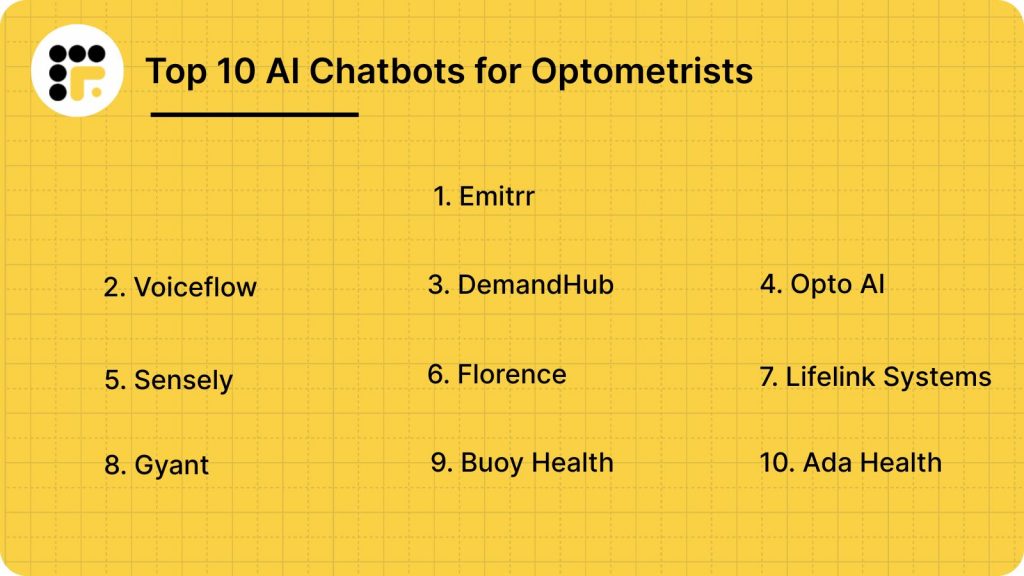
In this blog, we’ll explore the top 10 AI chatbots for optometrists and answer the most common questions to help you decide which solution is right for your practice.
What is an AI Chatbot for Optometrists?
An AI chatbot for optometrists is basically a smart digital helper that talks with patients and answers their questions at any time of day. It can help people schedule online appointments, explain services, send automated reminders, and guide them through simple eye-care needs, without making them wait on hold or call the clinic.
For optometry practices, this kind of tool takes pressure off the front desk, cuts down on repetitive tasks, and keeps patients informed and supported. It’s an easy way to make communication smoother, save time, and deliver a better experience for everyone who visits your clinic.
Why do Optometrists need an AI Chatbot?
Let’s understand the major challenges that optometrists face and their solutions using an AI Chatbot for optometrists’ Practices:
Challenge 1: Too Many Calls and Not Enough Staff
Most eye clinics get nonstop calls, patients asking about eye exams, insurance, prices, or when they can come in. The front desk can only handle so much at once, which leads to long hold times and stressed staff.
Solution:
An AI chatbot for optometrists acts like a helpful digital assistant that answers common questions right away. It takes pressure off the team, gives patients instant support, and helps the clinic stay organized without adding extra staff.
Challenge 2: Appointment Scheduling Bottlenecks
Patients often try to book appointments during busy hours or after the clinic closes. When they can’t reach anyone, they either get frustrated or never schedule at all.
Solution:
With AI scheduling for optometrists, patients can book, change, or cancel appointments anytime through an easy chat system. This keeps the schedule full, reduces back-and-forth calls, and makes booking more convenient for everyone.
Challenge 3: High No-Show Rates
No-shows interrupt the clinic’s flow and lead to lost revenue. Staff often spend too much time manually calling patients to remind them.
Solution:
An AI chatbot for eye clinics automatically sends reminders and confirmations so patients don’t forget their visit. This simple automation helps reduce no-shows and keeps the day running smoothly.
Challenge 4: Repetitive Patient Questions
Staff answer the same questions every day, how long the exam takes, what insurance is accepted, or whether the clinic has certain lenses or frames. It eats up time that could be spent helping patients in person.
Solution:
An optometry AI chatbot handles these FAQs instantly and consistently. Patients get clear answers right away, and the team can focus on tasks that truly need human attention.
Challenge 5: Limited After-Hours Support
Many patients look for help in the evening or on weekends. If no one is available to respond, they might delay care or go to another clinic that replies faster.
Solution:
A chatbot for eye care clinics gives patients 24/7 access to information and appointment requests. It keeps communication open even when the office is closed, improving patient experience and preventing lost opportunities.
Challenge 6: Heavy Administrative Work
The number of follow-ups, reminders, basic data collection, and insurance questions takes up a huge portion of staff time. It’s important work, but it slows everything down.
Solution:
With optometry practice automation, an AI assistant for optometrists handles many of these routine tasks automatically. This helps the clinic run more efficiently and gives the team more time to focus on patient care.
Types of AI Chatbots for Optometrists
Optometry clinics use different kinds of AI chatbots to handle everything from scheduling to patient communication questions and insurance support. Each type is designed to solve a specific problem and make daily operations easier for both patients and staff. Below are the main types of AI chatbots that help optometrists streamline their workflow and improve the overall patient experience.
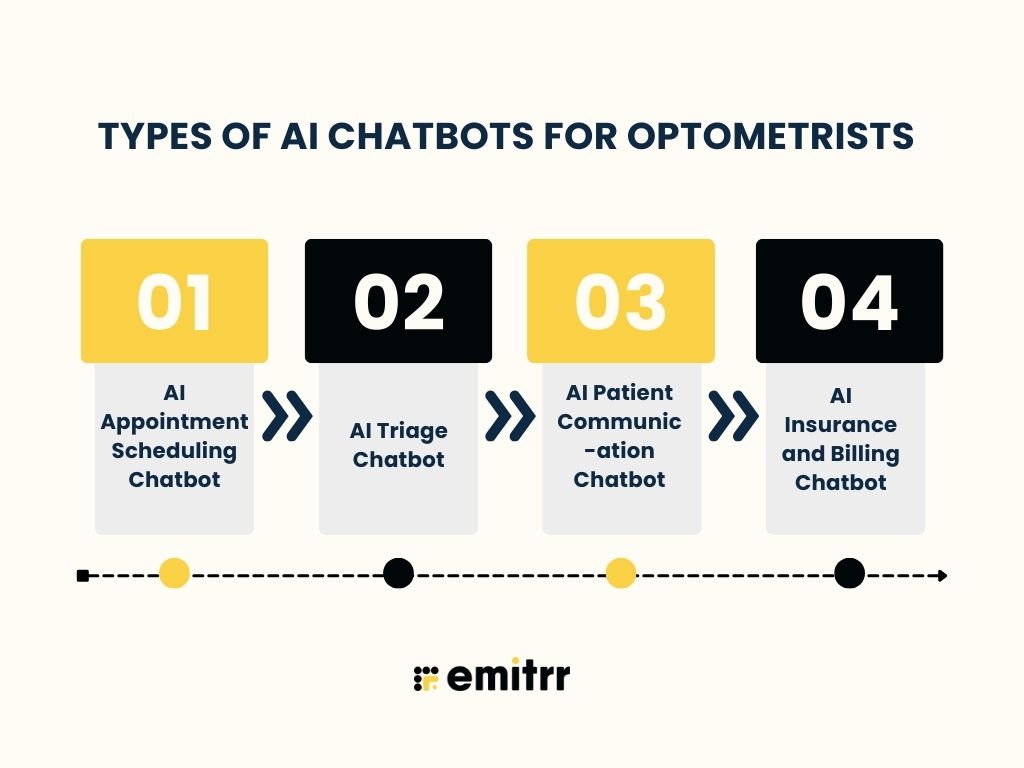
AI Appointment Scheduling Chatbot
An AI appointment scheduling chatbot is built to help eye clinics manage bookings without relying on phone calls or front-desk availability. It works like a simple, friendly assistant that lets patients check openings, book a visit, or make changes through a quick chat, anytime they need.
Use Cases:
- Patients booking an eye exam late at night when the clinic is closed.
- Busy parents reschedule appointments without calling in.
- New patients are checking availability for contact lens fittings or eyewear consultations.
- Reduce missed calls during peak hours by offering instant scheduling through your website.
Benefits:
- Saves staff time by automating most scheduling tasks.
- Keeps the optometrist’s calendar full and organized.
- Eliminates phone tag and reduces long hold times.
- Gives patients 24/7 access to appointment booking, improving convenience and satisfaction.
AI Triage Chatbot
An AI triage chatbot helps patients figure out what kind of care they need before coming in. It asks simple questions about symptoms and guides them toward the right type of visit, routine, urgent, or informational.
Use Cases:
- Patients are unsure whether eye redness or irritation needs immediate care.
- Someone experiencing blurry vision wants quick guidance.
- New patients need help choosing the right type of exam.
- Sorting urgent cases from routine ones so the clinic can prioritize effectively.
Benefits:
- Reduces unnecessary clinic visits and phone calls.
- Helps optometrists see urgent cases faster.
- Gives patients quick, reassuring guidance when they’re unsure what to do.
- Supports smoother workflow inside optometry offices by pre-screening basic symptoms.
AI Patient Communication Chatbot
An AI patient communication chatbot acts like a friendly, always-available assistant that answers common questions and guides patients through their eye-care journey. It supports everything from prep instructions to after-visit advice.
Use Cases:
- Patients ask about clinic hours, insurance, or how long an exam will take.
- Someone wants frame or lens information.
- First-time visitors are wondering what to bring to their appointment.
- Post-visit questions about contact lens care or follow-up steps.
Benefits:
- Reduces repetitive calls and frees up front-desk time.
- Gives patients fast, accurate answers 24/7.
- Helps improve patient satisfaction by offering constant support.
- Makes communication smoother across the entire optometry practice.
AI Insurance and Billing Chatbot
An AI insurance and billing chatbot helps patients understand their insurance coverage, billing details, payment options, and expected costs, without needing to call the clinic.
Use Cases:
- New patients are checking if their insurance is accepted.
- Someone is asking about the cost of an eye exam or contact lens fitting.
- Patients need payment instructions or clarification on their bill.
- Helping patients understand which portion of their visit insurance will cover.
Benefits:
- Makes insurance and billing information clear and easy to understand.
- Reduces the time staff spend answering payment-related questions.
- Helps patients plan their visit with cost transparency, reducing cancellations.
- Builds trust by offering simple, accurate explanations through a helpful optometry AI chatbot.
Key features to look for in an AI Chatbot for Optometrists
Let’s understand the key features one should look for in an AI chatbot for optometrists:
24/7 Automated Scheduling
A good AI chatbot for optometrists should handle scheduling around the clock. Patients can book, reschedule, or cancel appointments without needing to call the front desk. This keeps your calendar full, reduces missed calls, and makes your clinic more accessible, especially for people who prefer booking after hours.
Smart Triage Assistance
An AI triage tool helps patients figure out what kind of visit they need by asking simple questions about symptoms like blurry vision, redness, or irritation. By guiding them to the right type of appointment as it reduces unnecessary visits and helps staff prioritize urgent cases, something especially helpful in busy optometry offices.
Instant Patient FAQ Responses
An optometry AI chatbot should instantly answer common questions about services, insurance, exam times, fees, and more. This saves staff from answering the same questions all day and gives patients quick, reliable information anytime they need it.
Insurance & Billing Support
An AI chatbot for eye clinics can explain accepted insurance plans, expected costs, copays, and billing procedures. This feature cuts down confusion, reduces calls to the front desk, and helps patients feel more confident and prepared before their visit.
EHR/Practice Management Integration
To get the most out of your AI chatbot for optometry practices, it should connect directly with your clinic’s EHR or practice management software. This keeps appointments, notes, and patient info synced automatically, reducing manual work and avoiding scheduling errors.
Automated Reminders & Follow-Ups
A strong chatbot system sends reminders for upcoming visits, eyewear pickups, or follow-up exams. This reduces no-shows and keeps patients engaged with your practice. Automated follow-ups also help reinforce care instructions after appointments.
Multi-Channel Communication (Website, SMS, Social)
Patients interact in different ways, so your chatbot should be available on your website, via mass text messaging, and on social media. This flexibility makes the optometry appointment chatbot easy for patients to reach, no matter where they are.
Personalized Patient Interactions
A modern AI assistant for optometrists does more than give generic answers. It tailors responses based on past visits, preferences, and patient history. This creates a more human, connected experience and helps patients feel understood.
HIPAA-Compliant Data Handling
Since eye clinics deal with protected health information, the chatbot must follow HIPAA guidelines. This ensures patient data is encrypted, secure, and handled properly, giving your clinic and patients peace of mind.
Easy Setup & Customization
Every practice has its own workflow, so your optical clinic chatbot should be easy to set up and adjust. You should be able to customize responses, hours, services, and tone so the bot feels like part of your brand.
Analytics & Reporting Tools
The best chatbots offer insights like peak booking times, common patient questions, and chat trends. This helps optometrists make smarter decisions about staffing, services, and communication improvements.
Multi-Language Support
A diverse patient base needs a chatbot that can speak their language. Offering multilingual support makes your clinic more welcoming and ensures patients clearly understand instructions and appointment details.
Secure Patient Data Collection
An AI patient communication tool should collect information like symptoms, insurance details, or appointment needs safely and send them to the clinic in an organized way. This reduces manual data entry and improves accuracy.
Workflow Automation Tools
From reminders to post-visit instructions, an optometry practice automation system frees up your staff by handling repetitive tasks automatically. This keeps operations running smoothly and reduces burnout.

Integration & Compliance Requirements in AI Chatbot for Optometrists
Here is the list of integration and compliance requirements for an AI chatbot for eye clinics:
Integrations
- EHR/EMR System Integration
- Practice Management Software Integration
- Appointment Calendar Sync
- Secure API Connectivity
- Multi-Location System Support
- CRM Integration
- Website & Patient Portal Integration
- SMS & Email Platform Integration
- Payment Gateway Integration
Compliance Requirements
- HIPAA Compliance
- Data Encryption & Secure Storage
- Patient Consent Management
- Role-Based Access Control
- Audit Trails & Activity Logs
- Compliance with Healthcare Data Standards
- Privacy Policy & Data Handling Transparency
- Secure Data Transmission Protocols
- Regular Security & Compliance Audits
How to choose the right AI Chatbot for Optometrists?
Choosing the right AI chatbot for optometrists’ practices can feel overwhelming with so many options available. To make the decision easier, here are the key things to look for when selecting a solution that truly fits your clinic’s needs:
Choose a chatbot built specifically for optometry
Not all chatbots understand the unique needs of an eye clinic. A good AI chatbot for optometrists should handle things like eye-exam questions, frame and lens guidance, symptom triage, and insurance basics. If it’s designed for general healthcare or retail, it won’t communicate the way your patients expect or support your clinic’s daily flow.
Make sure it integrates smoothly with your existing systems
A strong AI chatbot for optometry practices should connect directly to your EHR, practice management software, and appointment calendar. This prevents double booking, avoids data entry mistakes, and saves your team a lot of time. The smoother the integration, the easier it is for your clinic to automate tasks.
Look for great patient communication features
Your chatbot should feel like a friendly, knowledgeable assistant, not a robotic script. A good optometry AI chatbot can answer FAQs, explain services, give pre-visit instructions, and support patients after appointments. The goal is to improve communication and reduce the number of calls your front desk needs to handle.
Check for HIPAA compliance and strong security
Because optometry clinics work with sensitive health information, the chatbot must be fully HIPAA-compliant. Look for data encryption, secure storage, and strict access controls. A safe AI patient communication tool protects both your practice and your patients.
Pick a chatbot that’s easy to set up and customize
Your clinic should be able to adjust responses, tone, and workflow without hiring a developer. A good optical clinic chatbot lets you personalize how it talks, what it covers, and how it routes patient questions, so it feels like part of your actual team.
Look for automation features that reduce staff workload
The right chatbot should take over routine tasks: appointment reminders, follow-ups, simple triage, and collecting basic patient intake. This kind of optometry practice automation relieves your front desk and gives staff more time for real patient care.
Make sure it works across multiple patient channels
Patients contact your clinic in all kinds of ways, such as website, text, and social media. A good optometry appointment chatbot should be available wherever your patients prefer to communicate. This improves accessibility and reduces missed interactions.
Think about the patient experience
Does the chatbot feel natural? Does it provide clear answers? Patients should feel supported, not frustrated. A high-quality AI assistant for optometrists creates a smooth, friendly experience that reflects positively on your clinic.
Choose a chatbot with strong analytics and reporting
You should be able to see what patients ask most often, when they prefer to book appointments, and where communication gaps appear. These insights help your clinic improve service and make smarter decisions.
Look for reliable support and ongoing updates
AI changes quickly, so your chatbot provider should offer continuous improvements and real customer support. You want a tool that grows with your practice, not one that becomes outdated in a year.
Top 10 AI Chatbots for Optometrists
1. Emitrr
Emitrr Overview
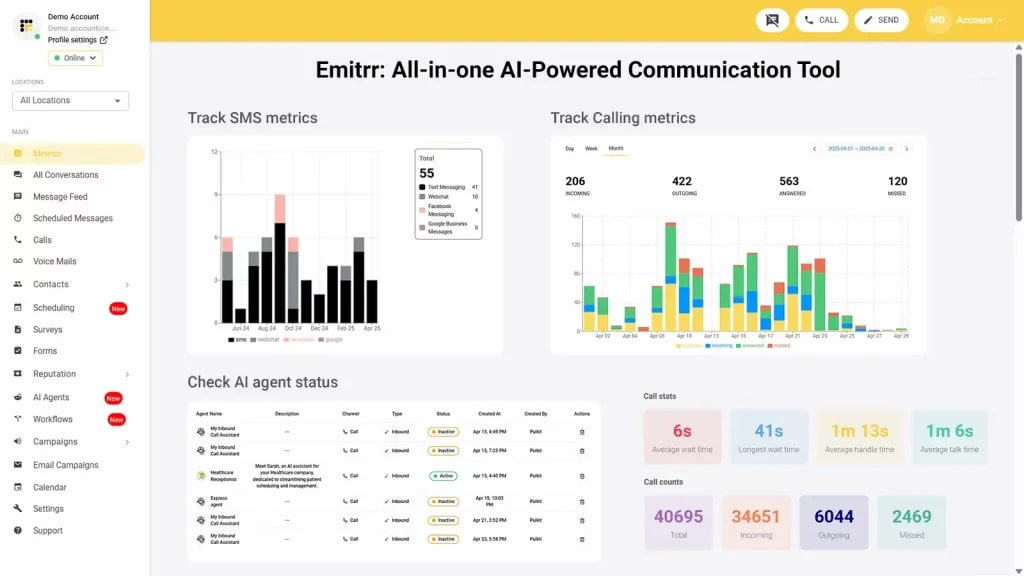
Emitrr is a powerful AI assistant built for optometry practices and eye care clinics, designed to simplify daily operations and improve patient communication. Acting as an AI chatbot for optometrists and optometry practices, it automates appointment scheduling, patient follow-ups, insurance-related messages, basic symptom guidance, and two-way communication.
By supporting AI scheduling for optometrists and optometry practice automation, Emitrr helps reduce administrative workload, improve efficiency, and keep patients engaged. The result is smoother clinic workflows, better communication, and a more organized, friendly patient experience across AI for optometry offices.
Emitrr Features
- HIPAA-Compliant AI Call Management: Intelligently answers and routes patient calls while maintaining strict HIPAA compliance, reducing staff workload and ensuring secure, efficient communication.
- AI Virtual Receptionist: Handles patient inquiries, appointment scheduling, and routine questions automatically, improving front-desk efficiency and patient experience.
- Secure Two-Way Text Messaging: Sends appointment confirmations and reminders while enabling urgent, real-time communication between patients and providers.
- Automated Workflow Management: Streamlines follow-ups, documentation, and administrative processes to minimize errors and save staff time.
- AI-Powered Patient Triage: Automatically identifies and prioritizes urgent symptoms, enabling faster responses and improved patient safety.
- Advanced Analytics & Reporting: Delivers actionable insights into patient interactions, workflow performance, and operational trends to support data-driven decisions.
Emitrr Pros
- Emitrr provides a round-the-clock AI agent, ensuring patients receive instant assistance anytime.
- It automates repetitive tasks, freeing staff to focus on patient care and improving satisfaction.
- It tailors workflows and features to meet the unique needs of healthcare practices.
Emitrr Cons
- More advanced features are being added continuously.
Emitrr Pricing
- Standard Plan ($20/user/month): Basic HIPAA-compliant scheduling, reminders, secure texting, ideal for small to mid-sized clinics.
- Professional Plan ($35/user/month): Adds advanced analytics, AI triage, and deeper workflow integrations for larger clinics.
Emitrr Integrations
Emitrr offers 500+ integrations across different industries such as dental, recruiting, real estate, etc. with tools like:
- eClinicalWorks
- AthenaHealth
- Zapier
- Salesforce
- HubSpot
- Denticon
- And more!
Emitr Support Options
- Email, Help Desk, Knowledge Base, Forum, FAQs, Phone Support, 24/7 Live Chat
Emitrr Ratings
Watch this video on customer reviews about Emitrr:
2. Voiceflow
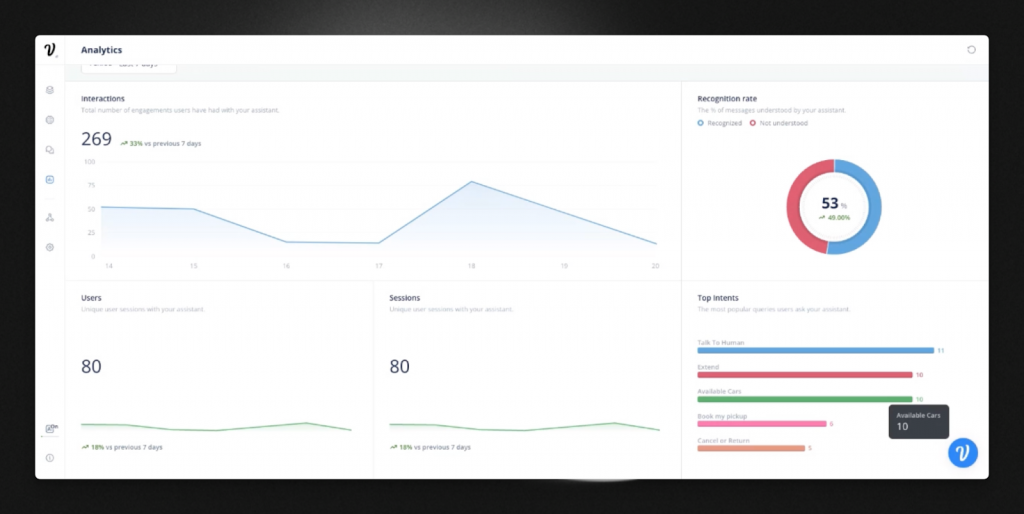
Voiceflow Overview
Voiceflow is a no-code/low-code conversational AI platform that allows teams to design, build, and deploy AI chatbots and voice assistants without heavy engineering work. It’s widely used to create chatbots for websites, mobile apps, internal tools, and customer support, as well as voice experiences for assistants.
Voiceflow Features
- Visual Conversation Builder: Create chatbot flows using an intuitive, drag-and-drop interface.
- AI & LLM Integration: Power conversations with advanced language models for natural, human-like responses.
- Knowledge Base Support: Use documents, FAQs, and content to train the assistant.
- API & Webhook Integrations: Connect with external tools, CRMs, and databases.
- Multi-Channel Deployment: Launch assistants across websites, apps, messaging platforms, and voice.
- Team Collaboration: Work together with shared projects, comments, and version control.
- Testing & Versioning: Safely test and refine conversations before going live.
Voiceflow Pros
- Easy for non-technical users to design and manage bots.
- Speeds up prototyping and deployment of AI assistants.
- Delivers more natural and engaging user interactions.
- Supports both simple chatbots and complex AI assistants.
Voiceflow Cons
- Complex use cases may require technical knowledge.
- Large projects can become harder to manage over time.
- May be costly for small teams or early-stage businesses.
Voiceflow Pricing
- Starter Plan: Free ($0/month)
- Pro Plan: $60/month
- Business Plan: $150/month
- Enterprise Plan: Custom pricing
Voiceflow Integrations
- Amazon Alexa, Google Assistant, Web Chat, WhatsApp, SMS, Twilio, Slack, Facebook Messenger, Discord, Intercom, Zendesk, Salesforce, REST APIs, Webhook.
Voiceflow Support Channels
- Email Support, Help Center, Documentation, Community Forum, Discord, GitHub, Webinars, Tutorials
Voiceflow Ratings
- No ratings are available.
Voiceflow Reviews
- No reviews are available.
3. DemandHub

DeamandHub Overview
DemandHub is a customer communication platform that helps businesses stay connected with their customers in a simple, organized way. It brings texting, calling, appointment reminders, and follow-ups into one place, making it easier for teams to respond quickly and keep conversations from falling through the cracks.
DeamandHub Features
- Unified Communication Hub: Manage text messages, calls, and customer conversations from one dashboard.
- Automated Text Messaging: Send appointment reminders, confirmations, and follow-ups automatically.
- Online Scheduling: Allow customers to book appointments anytime without calling.
- Review & Reputation Management: Request and manage online reviews to build trust and credibility.
- Two-Way Messaging: Communicate with customers in real time through text message.
DeamandHub Pros
- Makes it easy to stay connected with customers and patients.
- Automated reminders help keep schedules full.
- Simple interface that requires minimal training.
- Reduces front-desk workload and manual follow-ups.
DeamandHub Cons
- Messaging workflows may not be deeply customizable.
- Focuses more on communication automation than advanced AI logic.
- Costs can increase as usage or features expand.
- Effectiveness relies heavily on text-based communication.
DeamandHub Pricing
- To get the exact quote, contact their support.
DeamandHub Integrations
- Dentrix, Open Dental, Eaglesoft, Curve Dental, Carestream, Salesforce, Twilio, Zapier, Google Calendar, Microsoft Outlook
DeamandHub Support Channels
- Email Support, Phone Support, Live Chat, Help Center / Knowledge Base
DeamandHub Ratings
4.9 stars out of 5.
DeamandHub Reviews
“DemandHub is Great!”
“Easy to use for clients and office! “
Source: Capterra
4. Opto AI
Opto AI Overview
Opto AI is an artificial intelligence platform built specifically for optometry practices and eye care clinics to improve how they communicate with patients and manage daily operations. It acts like a virtual assistant for optometrists, helping handle appointment scheduling, patient questions, reminders, and follow-ups in a natural, conversational way.
Opto AI Features
- AI Virtual Assistant for Optometry: Designed specifically for optometry practices and eye care clinics.
- Automated Appointment Scheduling: Helps patients book, reschedule, and confirm eye exams.
- AI Patient Communication: Answers common patient questions and provides timely updates.
- Symptom Guidance: Supports basic eye-related symptom assessment and next-step guidance.
- 24/7 Availability: Assists patients outside regular office hours.
- Practice Automation: Reduces front-desk workload by handling routine tasks.
Opto AI Pros
- Tailored specifically to eye care workflows and patient needs.
- Faster responses and easier appointment booking.
- Automates repetitive communication tasks.
- Scheduling reminders help keep appointments on track.
- Supports small clinics and multi-location offices.
Opto AI Cons
- Primarily focused on optometry, not broader healthcare needs.
- May offer fewer customization options than general chatbot platforms.
- Effectiveness relies on compatibility with existing systems.
Opto AI Pricing
- To get the exact quote, contact their support team.
Opto AI Integrations
- Epic, Cerner (Oracle Health), MEDITECH, Allscripts, athenahealth, Salesforce Health Cloud
Opto AI Support Channels
- Email Support, Help Center, Documentation, Community Forum, Discord, GitHub, Webinars, Tutorials
Opto AI Ratings
No ratings are available.
Opto AI Reviews
No reviews are available.
5. Sensely
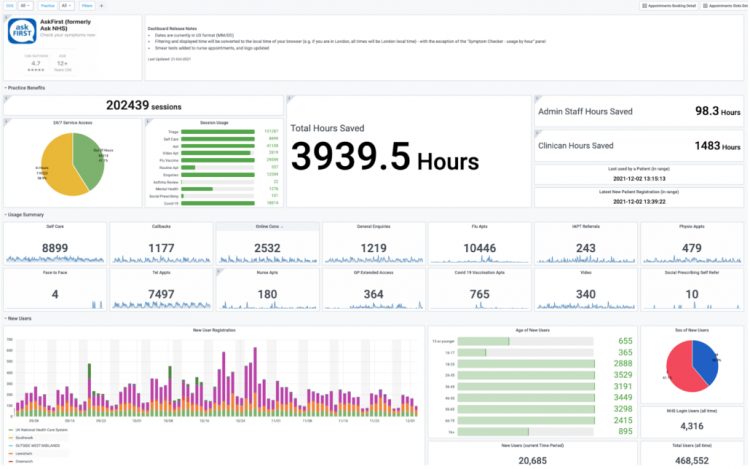
Sensely Overview
Sensely is an AI-powered virtual assistant for optometry practices and eye care clinics that combines a guided, nurse-like experience with intelligent symptom assessment and care guidance. It supports optometry practice automation by helping patients understand eye-related symptoms, determine next steps, and connect with the appropriate level of care
Sensely Features
- AI-Powered Symptom Assessment: Evaluates symptoms in real time and delivers preliminary care guidance to support accurate triage.
- Automated Appointment Scheduling: Enables easy booking, rescheduling, and cancellations while reducing front-desk workload.
- Secure Two-Way Messaging: Facilitates follow-ups and clarifications through conversational, compliant communication.
Sensely Pros
- Boosts patient engagement with an intuitive, visually interactive interface.
- Provides dependable symptom triage and timely care direction.
- Helps reduce avoidable clinic visits and improves patient experience.
Sensely Cons
- Initial onboarding and staff training may be required.
- Advanced features can require additional configuration or customization.
Sensely Pricing
- Pricing is tailored to clinic size, selected features, and integration requirements. Providers can request a personalized quote directly from Sensely.
Sensely Integrations
- Epic, Cerner (Oracle Health), Allscripts, MEDITECH, athenahealth, eClinicalWorks, Salesforce, Health Cloud, Microsoft Azure
Sensely Support Channels
- Email, Help Desk, Knowledge Base, FAQs, Chat Support
Sensely Ratings
No ratings are available.
Sensely Reviews
No reviews are available.
6. Florence
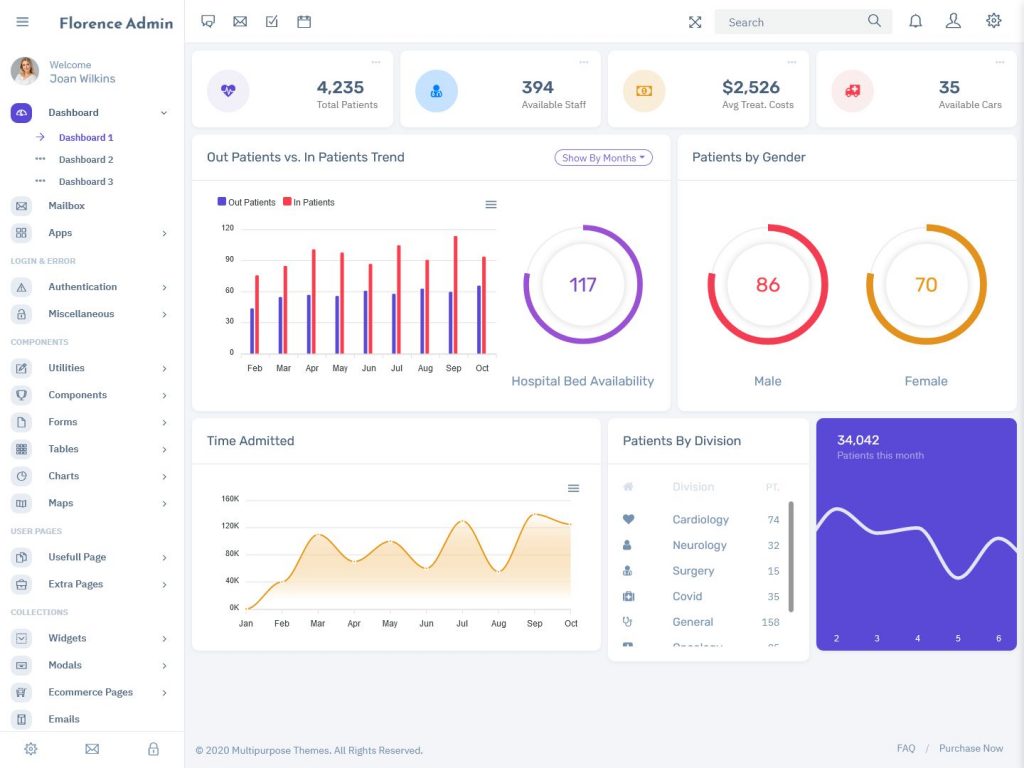
Florence Overview
Florence is an AI-powered virtual assistant designed to support optometry practices and eye care clinics by helping patients stay on track with their care routines. Acting as an optometrist virtual assistant AI, it assists with appointment tracking, reminders, and basic eye care follow-ups, improving consistency and patient engagement.
Florence Features
- Automated Medication Reminders: Send timely alerts to ensure patients take medications as prescribed.
- Appointment & Check-Up Tracking: Keeps patients informed about upcoming doctor visits and routine health check-ups.
- Patient Engagement Support: Uses simple prompts and guidance to encourage consistent health compliance.
- Two-Way Patient Interaction: Allows patients to confirm appointments and share basic health updates.
- Smart Notifications & Alerts: Delivers reminders for medications, appointments, and essential health tasks.
Florence Pros
- User-friendly and intuitive interface suitable for patients of all ages.
- Improves medication adherence and appointment attendance.
- Encourages proactive and consistent health management behaviors.
Florence Cons
- Limited AI-driven diagnostic or clinical decision-making capabilities.
- Primarily designed for reminders and tracking, not full clinical workflow automation.
Florence Pricing
- Pricing is available on request and varies based on clinic requirements and selected premium features.
Florence Integrations
- SMS, WhatsApp, Facebook Messenger, Web Chat, iOS Apps, Android Apps, REST APIs, FHIR APIs, HL7 Interfaces
Florence Support Channels
- Email support, Help Center/Knowledge Base, FAQs, and online chat for user assistance.
Florence Ratings
4.5 stars out of 5.
Florence Reviews
“It may be helpful to manage all functionality via a mobile app”
“Amazing product”
Source: G2
7. Lifelink Systems
Lifelink Systems Overview
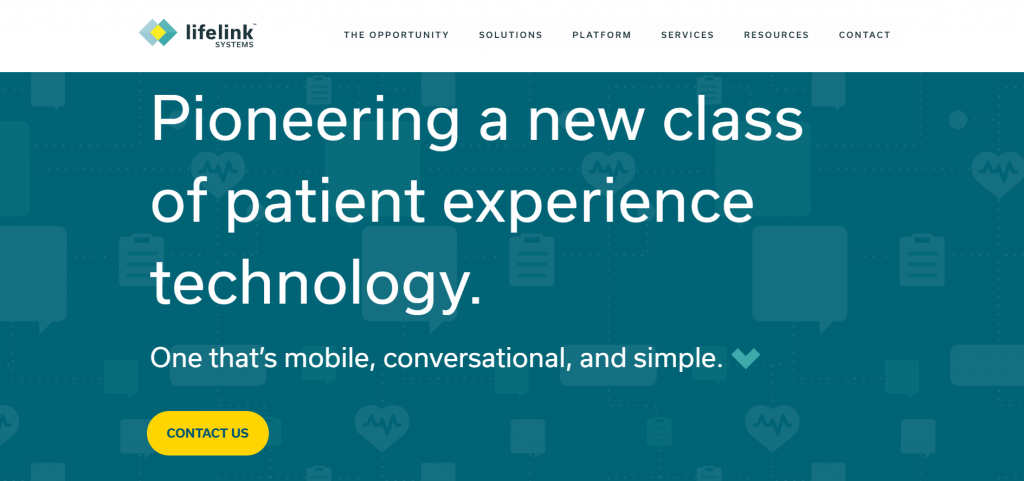
Lifelink Systems is an AI-powered virtual assistant built for optometry practices and eye care clinics to improve patient engagement and simplify everyday communication. It supports AI patient communication for optometrists by handling routine conversations, answering common questions, sharing important updates, and keeping patients informed throughout their eye care journey.
Lifelink Systems Features
- Intelligent Symptom Prioritization: Analyzes patient-input symptoms and highlights urgent cases for faster clinical action.
- Smart Appointment Automation: Manages bookings, reschedules, and reminders to reduce missed visits.
- Interactive Two-Way Messaging: Enables patient follow-ups and clarifications to support better care compliance.
- Operational Workflow Automation: Automates administrative processes, records, and alerts to improve clinic efficiency.
- Performance Analytics & Reporting: Delivers insights into patient engagement, symptom trends, and operational metrics.
Lifelink Systems Pros
- Strengthens patient engagement and overall experience.
- Lowers administrative overhead and streamlines daily workflows.
- Ensures timely attention for high-priority patient cases.
Lifelink Systems Cons
- Limited compatibility with some EMR/EHR systems.
- May require onboarding and training to unlock advanced features.
Lifelink Systems Pricing
- Available upon request based on clinic size, features, and usage requirements.
Lifelink Systems Integrations
- Epic, Cerner (Oracle Health), MEDITECH, Allscripts, athenahealth, Salesforce Health Cloud, Amazon Web Services (AWS), Microsoft Azure, FHIR APIs, HL7 Interfaces,
Lifelink Systems Support Channels
- Email support, Help Center, Knowledge Base, FAQs, phone, and online chat assistance.
Lifelink Systems Ratings
Ratings are not available.
Lifelink Systems Reviews
Reviews are not available.
8. Gyant
Gyant Overview
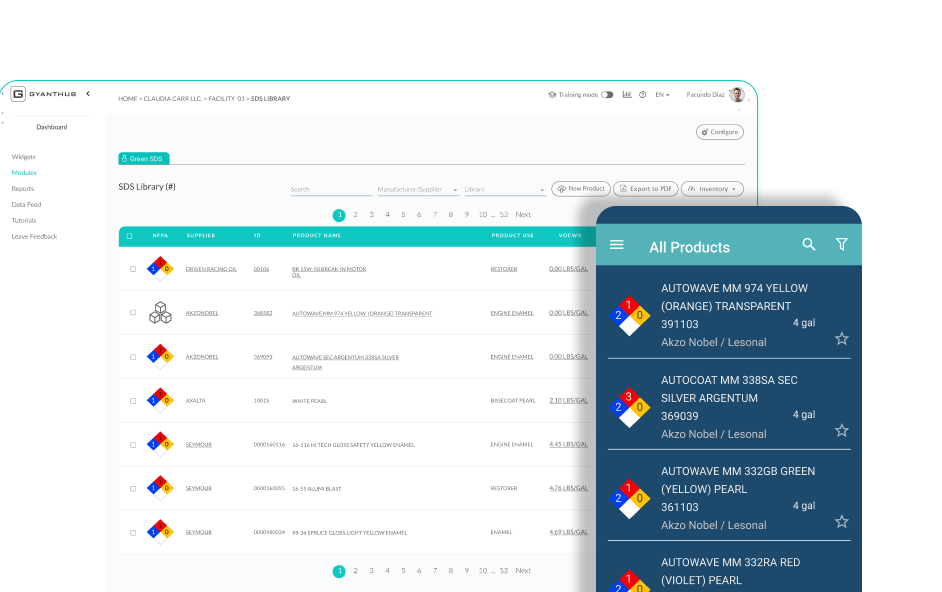
Gyant is an AI-powered virtual assistant designed for optometry practices and eye care clinics that helps guide patients through symptom assessment, care navigation, and appointment scheduling. Acting as an optometry AI chatbot, it supports optometry practice automation by asking structured questions, helping patients understand eye-related concerns, and directing them to the right next step, whether that’s self-care guidance, follow-up information, or booking an appointment
Gyant Features
- Intelligent Symptom Assessment: Interprets patient-input symptoms to deliver tailored guidance and support early triage.
- Virtual Care Assistant: Helps patients understand care options and directs them to the most appropriate services.
- Automated Appointment Management: Enables easy scheduling, rescheduling, and cancellations to reduce administrative effort.
- Two-Way Patient Messaging: Allows patients to ask follow-up questions and receive clarifications in real time.
- Insights & Reporting Dashboard: Monitors patient engagement, symptom trends, and operational efficiency.
Gyant Pros
- Increases patient engagement and strengthens health awareness.
- Supports accurate, AI-led symptom triage and care direction.
- Decreases avoidable in-person visits while improving clinic productivity.
Gyant Cons
- Initial integration with EMR/EHR platforms may take time.
- Staff onboarding may be required to fully utilize advanced features.
Gyant Pricing
- Pricing is available on request and depends on clinic size, usage volume, and selected features.
Gyant Integrations
- Epic, Cerner (Oracle Health), athenahealth, Epic MyChart, Salesforce, Microsoft Teams, Slack, Twilio, Amazon Web Services (AWS), FHIR APIs, HL7 Interfaces
Gyant Support Channels
- Email support, Help Center, FAQs, online chat, and phone assistance for users.
Gyant Ratings
4.5 stars out of 5.
Gyant Reviews
“Reduce support staff workload”
“Connecting Doctors and AI”
Source: G2
9. Buoy Health
Buoy Health Overview
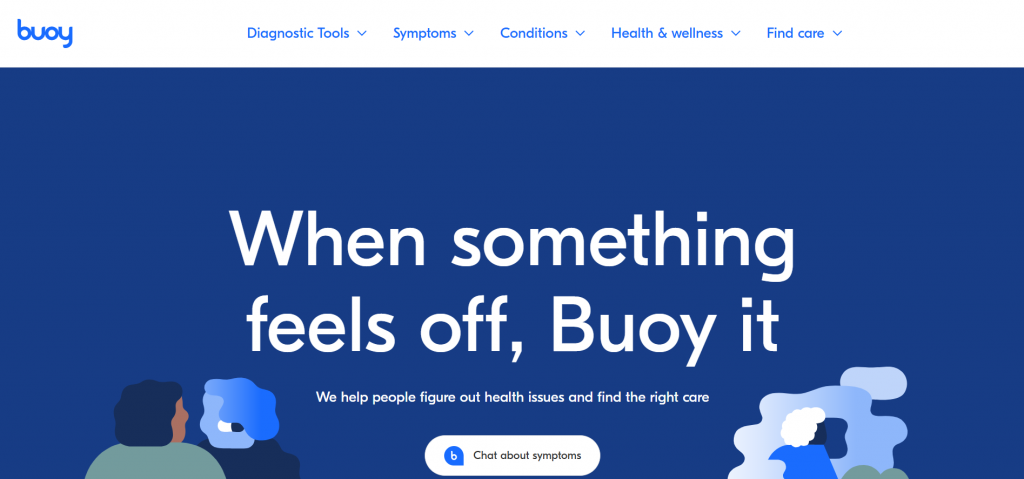
Buoy Health is an AI-powered virtual assistant for optometry practices and eye care clinics that helps patients self-assess eye-related symptoms and receive personalized care guidance. Acting as an optometry AI chatbot, it supports optometry practice automation by guiding patients through symptom-based questions and helping determine the most appropriate next step, whether that’s self-care advice or scheduling an eye exam.
Buoy Health Features
- Personalized Care Guidance: Provides customized advice based on patient inputs and established medical guidelines.
- Virtual Care Navigator: Directs users to the right healthcare services and assists with appointment scheduling.
- Interactive Two-Way Messaging: Supports follow-up questions and clarifications for better patient understanding.
- Insightful Data Analytics: Monitors user engagement, symptom trends, and interaction data for healthcare teams.
Buoy Health Pros
- Delivers dependable symptom insights and clear care direction.
- Reduces unnecessary clinic and emergency room visits.
- Empowers patients with better health awareness and literacy.
Buoy Health Cons
- Limited out-of-the-box integration with EMR/EHR systems.
- Focused mainly on self-assessment rather than end-to-end practice automation.
Bouy Health Pricing
- Enterprise pricing is available on request and depends on usage volume and integration requirements.
Bouy Health Integrations
- Epic, Cerner (Oracle Health), athenahealth, Salesforce Health Cloud, Amazon Web Services (AWS), Microsoft Azure, FHIR APIs, HL7 Interfaces, REST APIs.
Bouy Health Support Channels
- Email, Help Desk, Knowledge Base, FAQs, Chat Support
Bouy Health Ratings
Ratings are not available.
Bouy Health Reviews
Reviews are not reviews.
10. Ada Health
Ada Health Overview
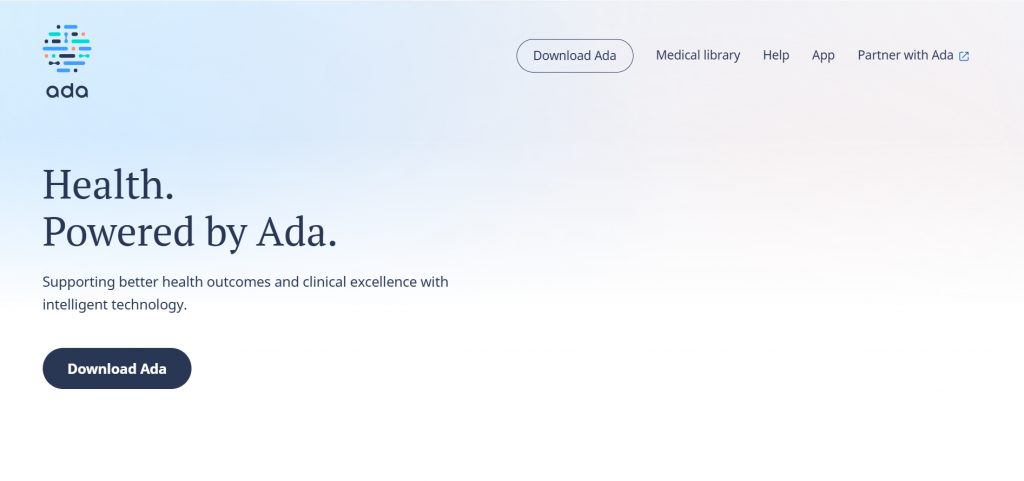
Ada Health is an AI-powered virtual assistant designed for optometry practices and eye care clinics that helps patients assess eye-related symptoms, receive personalized guidance, and better understand potential vision or eye health concerns.
Ada Health Features
- Smart Symptom Assessment AI: Reviews patient-input symptoms and identifies potential conditions to guide next steps.
- Customized Health Insights: Provides personalized recommendations using patient responses and available health data.
- Virtual Care Navigator: Directs patients to suitable care pathways, providers, or services.
- Interactive Two-Way Engagement: Supports follow-up questions to improve clarity, confidence, and involvement.
- Data & Analytics Reporting: Delivers visibility into patient interactions, symptom trends, and engagement levels.
Ada Health Pros
- Offers precise symptom evaluation with tailored health guidance.
- Lowers unnecessary clinic and emergency room visits.
- Promotes patient confidence and proactive healthcare decisions.
Ada Health Cons
- Limited support for deep EMR/EHR integrations.
- Designed mainly for self-assessment rather than full clinical workflow automation.
Ada Health Pricing
- Pricing is provided on request and varies based on selected features and usage volume.
Ada Health Integrations
- Epic, Cerner (Oracle Health), Salesforce Health Cloud, Microsoft Azure, Amazon Web Services (AWS), FHIR APIs
Ada Health Support Channels
- Email support, Help Center, Knowledge Base, FAQs, and online chat for assistance.
Ada Health Ratings
3 out of 5 stars.
Ada Health Reviews
“Ada is a great triage solution”
Source: G2
Why is Emitrr the Best AI Chatbot for Optometrists?
Emitrr is designed specifically for modern optometry practices that want to communicate better, work smarter, and save time. With powerful automation and intelligent communication tools, this AI chatbot for optometrists helps eye care clinics handle calls, texts, and workflows effortlessly while delivering a smooth, patient-friendly experience.
AI-Powered Call Handling
Emitrr’s AI-powered call handling ensures no patient call goes unanswered. As an AI chatbot for optometrists, it automatically answers, routes, and captures call details, reducing front-desk pressure. This helps optometry practices stay responsive even during busy hours. It’s a smart way to improve patient experience in AI for optometry offices.
AI Virtual Receptionist
The AI virtual receptionist acts like a full-time front-desk assistant for eye care clinics. It greets patients, answers common questions, and helps with appointment requests. As an optometrist virtual assistant AI, it keeps communication smooth without adding staff workload. Ideal for an AI chatbot for optometry practices and optical clinics.
AI Triage for Optometrists
Emitrr’s AI triage helps optometry practices understand patient concerns before they ever speak to staff. As an AI chatbot for optometrists, it asks structured, easy-to-answer questions to identify symptoms and urgency, then guides patients to the right next step, such as booking an appointment or getting follow-up information. This improves AI patient communication for optometrists, reduces front-desk workload, and helps AI for optometry offices deliver faster, more organized care
AI-Driven Texting Capabilities
Emitrr uses AI-driven texting to communicate with patients quickly and clearly. It sends reminders, confirmations, and follow-ups automatically, supporting AI patient communication for optometrists. This feature helps reduce no-shows and keeps patients informed. A must-have for optometry practice automation.
Two-Way Texting
With two-way texting, patients can reply, ask questions, and get real-time responses from your optometry AI chatbot. This makes conversations feel personal while staying efficient. It strengthens relationships and improves engagement for an AI chatbot for eye clinics. Simple, fast, and patient-friendly.
Frequently Asked Questions
The top AI chatbots for optometrists are platforms like Emitrr, Opto AI and more are designed specifically for eye care clinics to manage patient communication, scheduling, and automation. They focus on improving efficiency and patient experience in optometry offices.
An AI chatbot for optometry practices helps clinics respond faster, automate routine tasks, and stay available 24/7. This leads to better patient satisfaction and smoother daily operations.
Yes, most top optometry appointment chatbots include AI scheduling for optometrists, allowing patients to book, reschedule, or confirm appointments automatically.
Many leading AI chatbots for eye clinics offer call handling, two-way texting, and automated reminders, improving AI patient communication for optometrists.
Conclusion
AI chatbots are quickly becoming essential for optometry practices that want to stay efficient and patient-focused. The right solution can simplify communication, reduce front-desk workload, and improve the overall patient experience.
Among all options, Emitrr stands out as the best AI chatbot for optometrists. With AI-powered call handling, an AI virtual receptionist, two-way texting, workflow automation, and AI triage, Emitrr brings everything together in one easy-to-use platform, helping eye care clinics communicate better and work smarter.