

Introduction
Are you a physical therapist looking to elevate your patient experience, streamline your practice, and boost your clinic’s success? In today’s digital age, patient engagement software has become an indispensable tool for forward-thinking physical therapy clinics. But with so many options on the market, how do you choose the best one for your unique needs? This comprehensive guide will walk you through everything you need to know, from understanding what patient engagement software is to identifying the features that truly matter and exploring some of the top contenders available today.
The landscape of healthcare is rapidly evolving, and patient expectations are at an all-time high. Patients are no longer content with simply receiving treatment; they want to be active participants in their recovery journey. They expect convenience, clear communication, and personalized care. This is where robust patient engagement software shines. It acts as a bridge, connecting your clinic with your patients before, during, and after their appointments, fostering a stronger, more collaborative relationship.
For physical therapy clinics, in particular, this type of software offers a wealth of benefits. It can help reduce no-shows, improve adherence to home exercise programs, gather valuable feedback, and ultimately lead to better patient outcomes. By embracing the right technology, you can not only enhance the patient experience but also optimize your clinic’s operations, saving time and resources.
Let’s dive deep into the world of patient engagement software and discover how it can revolutionize your physical therapy practice.
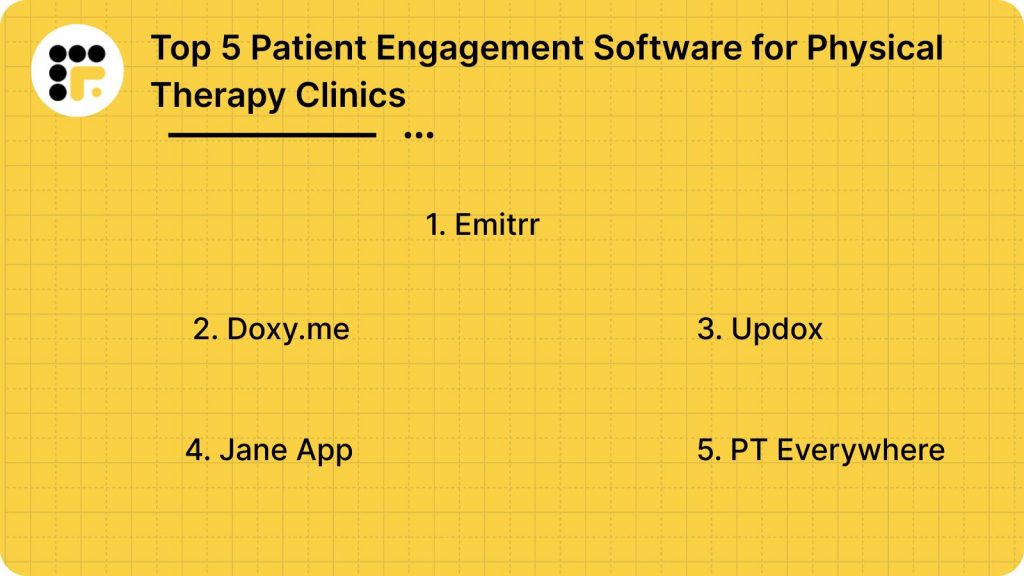
What Exactly is Patient Engagement Software for Physical Therapy?
At its core, patient engagement software is a digital platform designed to facilitate communication, education, and interaction between a healthcare provider and their patients. For physical therapy clinics, this translates into a suite of tools that empower patients to take a more active role in their rehabilitation and provide clinics with efficient ways to manage and support their patient population.
Think of it as a digital extension of your clinic’s care. It’s not just about sending appointment reminders; it’s about creating a holistic experience that supports the patient throughout their entire journey. This can include features like:
- Secure Messaging: Allowing patients to ask questions and receive responses from their therapists in a HIPAA-compliant manner.
- Appointment Management: Online booking, rescheduling, and automated reminders to reduce no-shows.
- Home Exercise Programs (HEP): Delivering personalized exercise instructions, often with video demonstrations, directly to the patient’s device.
- Patient Education Resources: Providing access to articles, videos, and other materials relevant to their condition.
- Outcome Tracking: Allowing patients to report on their progress and pain levels, giving therapists valuable data.
- Surveys and Feedback: Gathering insights into patient satisfaction and identifying areas for improvement.
- Telehealth Integration: Offering virtual consultations and follow-ups.
The goal of this software is to empower patients by giving them the tools and information they need to succeed in their recovery, and to streamline operations for the clinic by automating repetitive tasks and improving communication efficiency. As noted by the National Academy of Medicine, patient engagement is a critical component of high-quality healthcare, leading to improved health outcomes and patient satisfaction.
Why is Patient Engagement Crucial for Physical Therapy Clinics?
Physical therapy is inherently a partnership. The therapist provides expertise and guidance, but the patient’s commitment to their treatment plan, especially outside of clinic hours, is paramount to achieving lasting results. This is where the concept of patient engagement becomes not just beneficial, but essential.
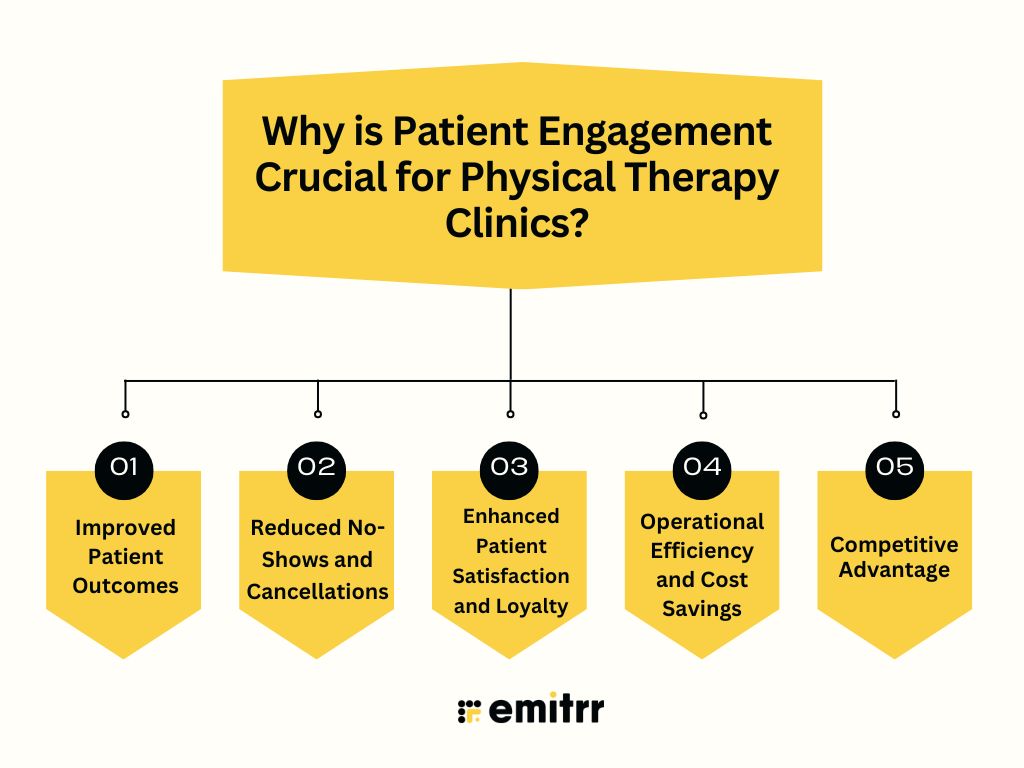
Here’s why focusing on patient engagement is a game-changer for physical therapy clinics:
1. Improved Patient Outcomes
This is, without a doubt, the most significant benefit. When patients are engaged, they are more likely to:
- Adhere to Home Exercise Programs (HEPs): This is a cornerstone of physical therapy. With easy access to clear instructions, videos, and reminders, patients are far more likely to perform their exercises correctly and consistently. A study published in the Journal of Medical Internet Research found that digital HEPs significantly improved patient adherence and satisfaction compared to traditional paper-based methods.
- Understand Their Condition and Treatment Plan: Educated patients are empowered patients. When they understand why they are doing certain exercises or following specific advice, they are more motivated and invested in their recovery.
- Communicate Effectively: Open lines of communication allow therapists to address concerns promptly, adjust treatment plans as needed, and build trust. This proactive approach can prevent minor issues from escalating into major setbacks.
- Report Progress Accurately: Tools that allow patients to track their pain levels, functional improvements, and adherence provide therapists with real-time data to inform their clinical decisions.
2. Reduced No-Shows and Cancellations
Missed appointments are a significant drain on a physical therapy clinic’s revenue and efficiency. Patient engagement software tackles this head-on through:
- Automated Reminders: Timely SMS or email reminders significantly reduce the likelihood of patients forgetting their appointments.
- Easy Rescheduling Options: Allowing patients to reschedule online with a few clicks can prevent a cancellation from becoming a complete no-show.
- Pre-Appointment Check-ins: Gathering information like updated symptoms or insurance details before the appointment can save time during the actual visit.
3. Enhanced Patient Satisfaction and Loyalty
In a competitive market, exceptional patient experience is a key differentiator. Engaged patients feel valued, heard, and supported, leading to:
- Increased Trust and Rapport: Consistent, clear communication and personalized attention build a strong relationship between the patient and therapist.
- Positive Word-of-Mouth Referrals: Happy patients are your best advocates. They are more likely to recommend your clinic to friends and family.
- Higher Patient Retention: When patients feel well-cared for and see positive results, they are more likely to return for future needs or recommend your services.
4. Operational Efficiency and Cost Savings
Automating many of the manual, time-consuming tasks associated with patient communication and management frees up your staff to focus on providing care. This can lead to:
- Reduced Administrative Burden: Less time spent on phone calls for reminders, scheduling, and answering basic questions.
- Optimized Scheduling: Better appointment adherence means a more predictable and efficient schedule.
- Streamlined Documentation: Some software integrates with Electronic Health Records (EHRs), simplifying data entry and access.
- Data-Driven Insights: Analytics provided by the software can help identify trends, measure the effectiveness of interventions, and inform business decisions.
5. Competitive Advantage
Clinics that embrace technology and prioritize patient engagement are often perceived as more modern, efficient, and patient-centered. This can give you a significant edge over competitors who rely on traditional methods.
The benefits are clear: better outcomes, fewer no-shows, happier patients, and a more efficient practice. But what specific features should you look for when choosing the right software?

Key Features to Look for in Patient Engagement Software
Not all patient engagement software is created equal. When selecting a platform for your physical therapy clinic, it’s crucial to identify the features that will have the most significant impact on your practice and your patients. Here’s a breakdown of essential functionalities:
1. Communication Tools
- Secure Messaging: This is non-negotiable. HIPAA-compliant messaging allows patients to communicate with their therapists securely, asking questions about their exercises, pain, or appointments without the risks associated with unsecured email or text. Look for features that allow for attachments (like photos or short videos) and clear notification systems for both patient and therapist.
- Automated Reminders: Essential for reducing no-shows. These should be customizable for timing (e.g., 48 hours before, 24 hours before, 1 hour before) and delivery method (SMS, email, or both).
- Appointment Scheduling & Management: The ability for patients to view availability, book appointments, and even request reschedules online can be a huge convenience. Integration with your existing clinic schedule is ideal.
2. Home Exercise Program (HEP) Delivery
- Customizable HEP Creation: Therapists should be able to easily create personalized exercise programs, selecting from a library of exercises or uploading their own.
- Video Demonstrations: High-quality video examples are crucial for ensuring patients perform exercises correctly. The software should offer a robust library or allow easy integration of your own videos.
- Progress Tracking for HEPs: Patients should be able to mark exercises as completed, rate their difficulty, and provide feedback. This data is invaluable for therapists.
- Gamification/Motivation: Features that encourage adherence, such as progress tracking, streaks, or rewards, can be very effective.
3. Patient Education
- Content Library: Access to a library of educational materials (articles, videos, infographics) on common conditions, anatomy, injury prevention, and wellness.
- Personalized Content Delivery: The ability to assign relevant educational materials to specific patients based on their diagnosis or treatment plan.
4. Outcome Tracking and Feedback
- Standardized Questionnaires (e.g., PROMs): Integration with validated outcome measures (like the Oswestry Disability Index, LEFS, DASH) allows for standardized tracking of patient progress.
- Customizable Surveys: Ability to create your own surveys to gather feedback on specific aspects of care or patient experience.
- Patient-Reported Data: Simple ways for patients to log pain levels, functional status, and adherence between visits.
5. Telehealth Capabilities
- Integrated Video Conferencing: If you offer or plan to offer telehealth services, having a built-in, HIPAA-compliant video platform is a significant advantage.
- Secure Virtual Waiting Rooms: For a professional telehealth experience.
6. Usability and Accessibility
- Intuitive Interface: Both therapists and patients should find the software easy to navigate and use. A clunky interface will hinder adoption.
- Mobile Responsiveness: The platform must work seamlessly on smartphones and tablets, as most patients will access it this way.
- Multi-Language Support: If you serve a diverse patient population, this can be a critical feature.
7. Integration Capabilities
- EHR/EMR Integration: The ability to connect with your existing Electronic Health Record or Electronic Medical Record system can save significant time on data entry and ensure continuity of care. This is a major factor for efficiency.
- Billing Software Integration: Streamlining the administrative process.
8. Security and Compliance
- HIPAA Compliance: This is paramount. Ensure the software provider has robust security measures in place to protect patient health information (PHI).
- Data Encryption: Both in transit and at rest.
- Secure User Authentication: Protecting access to patient data.
9. Analytics and Reporting
- Performance Dashboards: Visualizations of key metrics like appointment adherence, patient satisfaction scores, HEP completion rates, and outcome measure trends.
- Customizable Reports: The ability to generate reports for internal analysis, marketing, or demonstrating value to stakeholders.
10. Patient Onboarding and Support
- Easy Patient Sign-up: A straightforward process for patients to create their accounts.
- Training and Support for Clinic Staff: The provider should offer adequate training and ongoing support to your team.
- Patient Support Resources: FAQs, tutorials, or a help desk for patients experiencing issues.
When evaluating software, prioritize the features that directly address your clinic’s biggest pain points and align with your strategic goals. For instance, if no-shows are a major problem, focus heavily on reminder and scheduling features. If improving HEP adherence is the priority, then the HEP module’s quality and usability are key.
Top Patient Engagement Software Options for Physical Therapy Clinics
The market for patient engagement software is dynamic, with new solutions emerging and existing ones evolving. While it’s impossible to list every single option, here are some of the leading platforms frequently recommended for physical therapy clinics, along with their notable strengths. Remember, the “best” choice depends on your specific needs and budget.
It’s always recommended to request demos and compare features directly. Look for providers like Emitrr, which offers a comprehensive suite of patient communication and engagement tools designed to streamline clinic operations and enhance patient experience.
Here are a few notable players to consider:
1. Emitrr
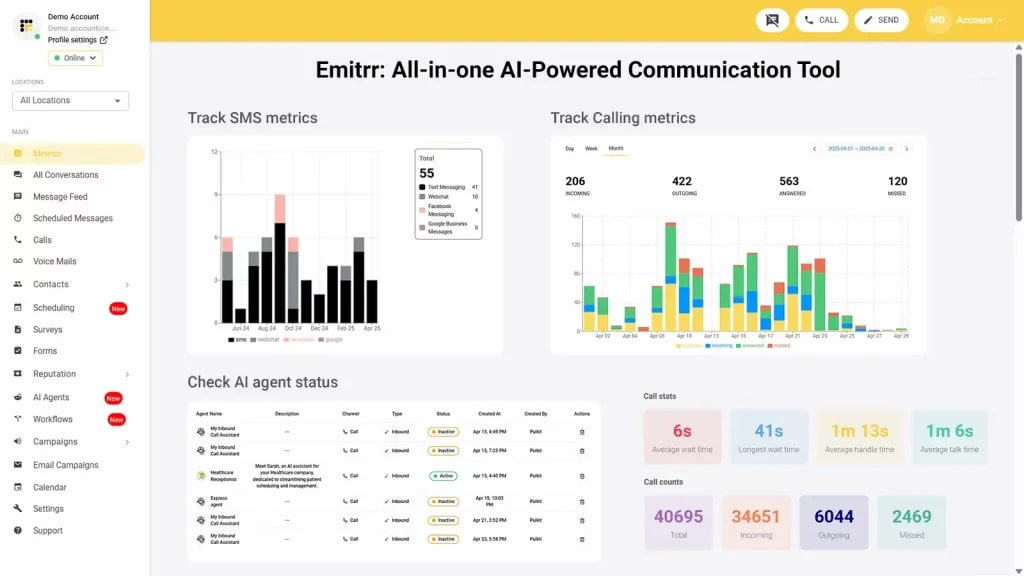
Emitrr is a strong contender, offering a broad range of communication and engagement tools specifically beneficial for healthcare practices.
Key Strengths
- Comprehensive Communication Suite: Includes automated appointment reminders (SMS, email, voice), two-way messaging, and recall campaigns.
- Online Scheduling: Allows patients to book appointments online, integrating with clinic calendars.
- Reputation Management: Tools to encourage patient reviews on platforms like Google, which is crucial for attracting new patients.
- Patient Intake Forms: Digital forms that can be sent and completed before appointments, reducing paperwork.
- Telehealth Integration: Facilitates virtual visits.
- Focus on Workflow Automation: Aims to reduce administrative burden significantly.
Considerations
While Emitrr offers a wide array of features, ensure it has the depth of specific physical therapy functionalities (like advanced HEP builders) that you might require, or if it integrates well with specialized PT software.
2. Doxy.me
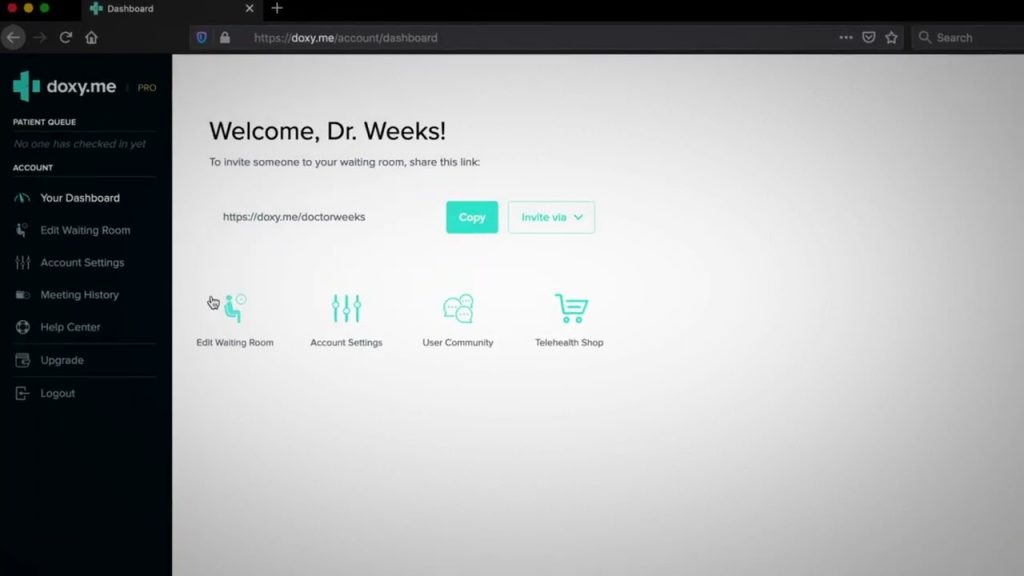
While primarily known for its telehealth capabilities, Doxy.me has expanded its offerings to include patient engagement features.
Key Strengths
- Excellent Telehealth Platform: User-friendly, HIPAA-compliant, and reliable video conferencing.
- Simple Interface: Easy for both patients and providers to use.
- Appointment Reminders: Basic reminder functionality to reduce no-shows.
- Patient Queue Management: Streamlines the telehealth visit process.
Considerations
Doxy.me’s core strength is telehealth. While it offers engagement features, it might not have the extensive HEP builders, deep outcome tracking, or comprehensive communication workflows found in platforms solely dedicated to patient engagement. It often works best in conjunction with other practice management tools.
3. Updox
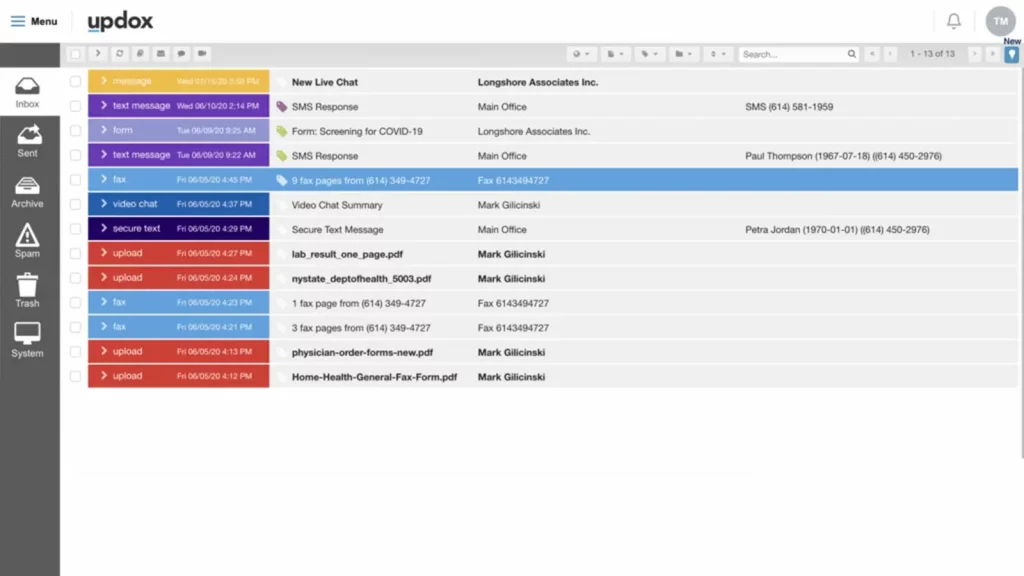
Updox provides a unified platform for patient engagement, telehealth, and secure communication.
Key Strengths
- Integrated Platform: Combines telehealth, secure messaging, appointment reminders, digital intake forms, and patient portals.
- EHR Integration: Strong integration capabilities with many popular EHR systems.
- Patient Portal: Offers a secure space for patients to access information, communicate, and manage appointments.
- Secure Messaging: HIPAA-compliant communication.
Considerations
Updox is a robust platform, but like many comprehensive solutions, it might require a bit more setup and training to fully leverage all its features. Ensure its HEP capabilities meet your specific needs if that’s a primary focus.
4. Jane App
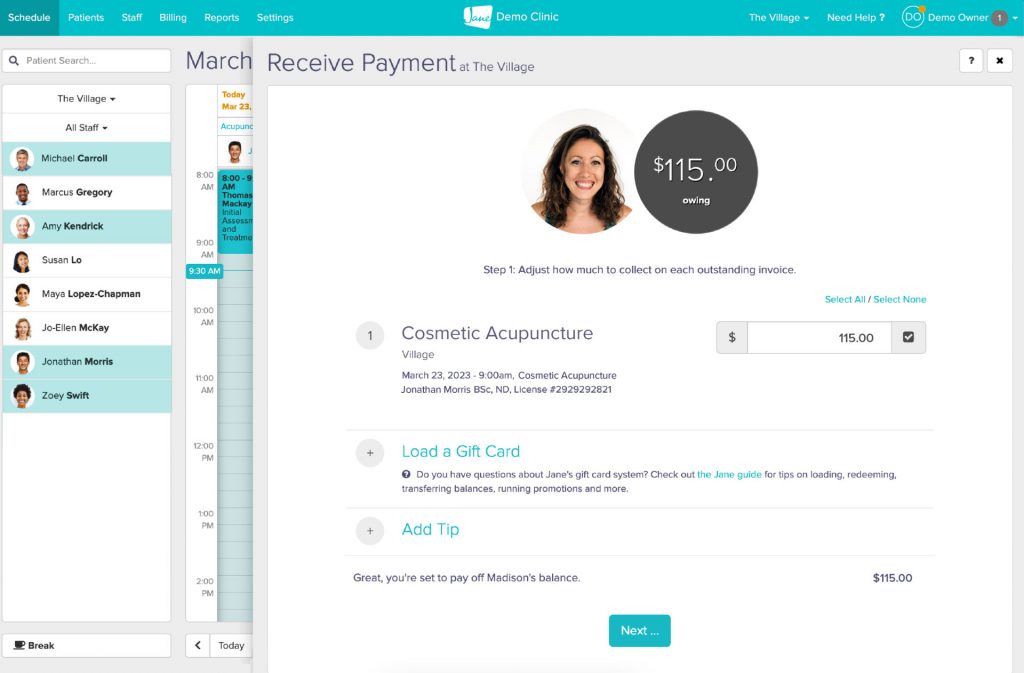
Jane is an all-in-one practice management software that includes strong patient engagement features.
Key Strengths
- Integrated Solution: Combines scheduling, charting, billing, and patient engagement in one platform.
- Online Booking: Robust and customizable online scheduling.
- Automated Reminders: SMS and email appointment reminders.
- Client Forms: Digital intake and consent forms. *
- Client Communication: Secure messaging features.
Considerations
Jane is a comprehensive practice management system. If you are looking for a standalone patient engagement tool to integrate with an existing EHR, it might be more than you need. However, if you’re considering a system overhaul, it’s a powerful option. Its HEP features are generally good but might not be as specialized as dedicated HEP software.
5. PT Everywhere (now part of SWORD Health)
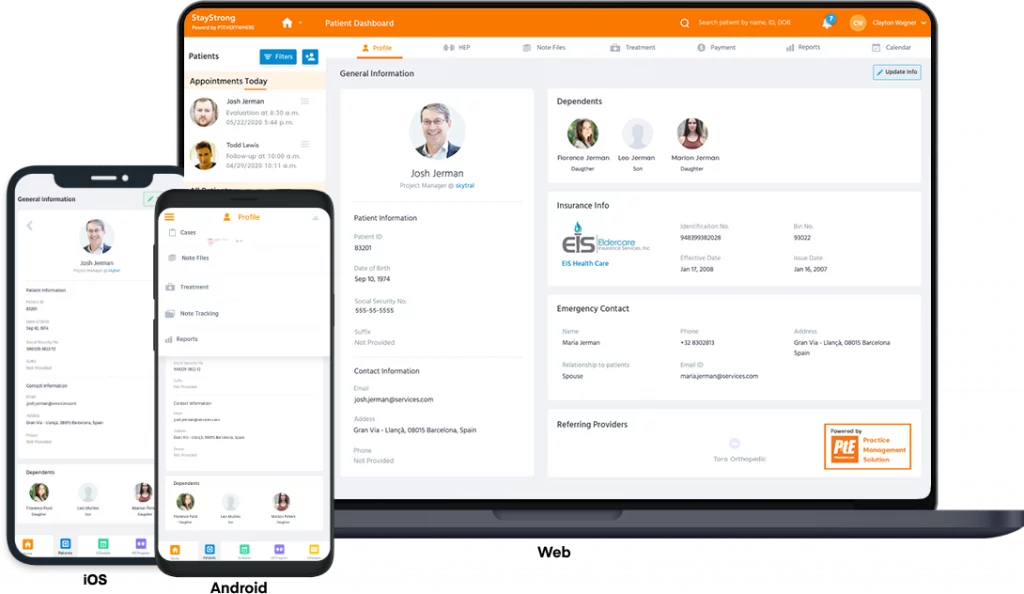
PT Everywhere was a well-known platform specifically for physical therapy, focusing heavily on HEPs and patient adherence. Now under SWORD Health, its capabilities are integrated into a broader digital health solution.
Key Strengths (Historically)
- Advanced HEP Builder: Excellent tools for creating and delivering personalized video-based exercise programs.
- Patient Adherence Tracking: Detailed insights into patient compliance.
- Outcome Measurement: Tools for tracking patient progress.
- Patient Engagement Features: Messaging and educational content.
Considerations
As it’s now part of SWORD Health, understanding the current offering and how it integrates into their larger digital therapeutics platform is key. It may be geared more towards larger health systems or specific digital care models.
How to Choose the Right Software for Your Clinic
Selecting the perfect software involves a strategic approach:
- Define Your Needs: What are your biggest challenges? (e.g., no-shows, poor HEP adherence, administrative overload, low patient satisfaction). List your must-have features and nice-to-haves.
- Set a Budget: Software costs vary widely. Consider monthly subscription fees, setup costs, and potential per-provider or per-patient charges.
- Consider Integration: How well does the software integrate with your existing EHR, billing system, or other essential tools? Poor integration creates more work.
- Request Demos: See the software in action. Have your team participate in demos to get their feedback. Ask specific questions related to your workflows.
- Read Reviews and Testimonials: Look for feedback from other physical therapy clinics. What do they like? What are their complaints?
- Evaluate Usability: Is it intuitive for both your staff and your patients? A complicated system won’t be used effectively.
- Assess Support and Training: What kind of support does the vendor offer? Is training comprehensive?
- Prioritize Security: Ensure the platform is fully HIPAA compliant and has robust data security measures.
By carefully considering these factors and exploring options like Emitrr, you can find a patient engagement solution that transforms your clinic’s operations and enhances the care you provide.
Implementing Patient Engagement Software: A Step-by-Step Approach
So, you’ve chosen the perfect patient engagement software. Congratulations! But the journey doesn’t end there. Successful implementation is key to realizing the full benefits of your investment. A poorly managed rollout can lead to frustration, low adoption rates, and wasted resources. Here’s a practical guide to ensure a smooth and effective implementation process:
Step 1: Form a Dedicated Implementation Team
- Assign a Project Lead: This person will be the main point of contact, responsible for overseeing the entire process, coordinating with the vendor, and ensuring tasks are completed on time.
- Include Key Stakeholders: Involve representatives from different areas of your clinic – front desk staff, therapists, and potentially management. Their input is crucial for understanding workflow impacts and identifying potential challenges.
Step 2: Plan Your Rollout Strategy
- Phased vs. Big Bang: Decide whether to roll out the software to everyone at once (“big bang”) or in phases (e.g., start with one location, one department, or a pilot group of patients and therapists). A phased approach is often less disruptive and allows for learning and adjustments along the way.
- Timeline Development: Create a realistic timeline with clear milestones for each phase: setup, training, testing, go-live, and post-launch support.
Step 3: Technical Setup and Configuration
- Work Closely with the Vendor: Collaborate with the software provider to configure the system according to your clinic’s specific workflows, branding, and needs. This includes setting up user accounts, customizing templates (for messages, forms, HEPs), and integrating with existing systems (EHR, etc.).
- Data Migration (If Applicable): If you’re migrating data from a previous system, plan this carefully. Ensure data integrity and security throughout the process.
Step 4: Comprehensive Staff Training
- Tailor Training to Roles: Different staff members will use the software differently. Ensure front desk staff, therapists, and administrators receive training relevant to their specific roles and responsibilities.
- Hands-On Practice: Training should be interactive, allowing staff to practice using the software in a safe, simulated environment.
- Ongoing Training and Resources: Provide access to user manuals, video tutorials, and establish regular check-ins or Q&A sessions, especially in the initial weeks after launch.
Step 5: Patient Communication and Onboarding
- Announce the Change: Inform your patients about the new software before you launch. Explain the benefits to them – improved communication, easier access to exercises, more convenient scheduling, etc.
- Create Clear Instructions: Provide simple, step-by-step guides for patients on how to sign up, log in, and use the key features (e.g., accessing HEPs, sending messages). Use multiple formats: flyers in the clinic, email announcements, website information.
- Offer Support: Designate a point person or team to help patients with any technical issues or questions they might have during the onboarding process.
Step 6: Testing and Refinement
- Pilot Testing: If using a phased rollout, conduct thorough testing with your pilot group. Gather feedback on usability, bugs, and workflow efficiency.
- Address Issues Promptly: Be prepared to identify and fix any bugs or glitches that arise. Work with the vendor to resolve technical issues quickly.
- Refine Workflows: Based on testing and initial feedback, make necessary adjustments to your clinic’s workflows to optimize the use of the software.
Step 7: Go-Live and Monitoring
- Official Launch: Transition to using the new software for all relevant operations.
- Intensive Monitoring: Closely monitor the system’s performance and user adoption in the initial days and weeks. Be readily available to assist staff and patients.
- Gather Feedback: Continuously solicit feedback from both staff and patients. What’s working well? What could be improved?
Step 8: Ongoing Optimization and Support
- Regular Performance Reviews: Periodically review the data and analytics provided by the software. Are you meeting your goals? Identify areas for further optimization.
- Continuous Improvement: Patient needs and technology evolve. Stay updated on new features offered by the software vendor and explore ways to further leverage the platform.
- Reinforce Training: Provide refresher training sessions as needed, especially when new staff join or new features are released.
Successful implementation is an ongoing process, not a one-time event. By following a structured approach and prioritizing both staff and patient adoption, you can ensure your chosen patient engagement software becomes a valuable asset to your physical therapy clinic.
The Future of Patient Engagement in Physical Therapy
The evolution of patient engagement software is intrinsically linked to broader trends in healthcare technology and patient expectations. What we see today is just the beginning. Here’s a glimpse into the future:
Hyper-Personalization
Future platforms will move beyond simply delivering pre-set HEPs. Expect AI-driven systems that can:
- Analyze patient movement data (perhaps through wearable sensors or advanced video analysis) to dynamically adjust exercise difficulty and form correction in real-time.
- Predict potential adherence barriers based on patient history, demographics, and engagement patterns, allowing for proactive intervention.
- Tailor educational content not just to the condition, but to the individual patient’s learning style, existing knowledge, and cultural background.
Deeper Integration and Interoperability
The fragmentation of healthcare data is a major hurdle. The future holds:
- Seamless integration between patient engagement platforms, EHRs, wearables, diagnostic tools, and even remote monitoring devices.
- True interoperability, allowing patient data to flow securely and efficiently between different systems, providing a complete, longitudinal view of the patient’s health journey. This will enable therapists to have a more holistic understanding of their patients’ well-being.
Enhanced Remote Monitoring and Telehealth
Telehealth will continue to expand beyond simple video calls:
- Sophisticated remote patient monitoring (RPM) tools will allow therapists to track vital signs, functional status, and adherence to treatment plans remotely, intervening before a patient’s condition deteriorates.
- Virtual reality (VR) and augmented reality (AR) may become more integrated, offering immersive therapeutic exercises, pain management techniques, and even rehabilitation environments.
Focus on Preventative Care and Wellness
Patient engagement software will play a larger role in keeping people healthy, not just recovering from injury:
- Platforms will offer more robust wellness programs, encouraging healthy lifestyle choices, preventative exercises, and proactive health management.
- Clinics can use engagement tools to build long-term relationships with past patients, offering ongoing support, check-ins, and resources to prevent future injuries or manage chronic conditions.
Increased Patient Empowerment and Self-Advocacy
As patients become more digitally savvy and have greater access to information, they will expect:
- More transparency regarding their treatment plan, progress, and costs.
- Tools that facilitate shared decision-making between patient and provider.
- Greater control over their health data and how it is used.
The trajectory is clear: patient engagement software is moving from a supplementary tool to a core component of modern physical therapy practice. Clinics that embrace these advancements will be best positioned to deliver exceptional care, achieve superior patient outcomes, and thrive in the evolving healthcare landscape.
Frequently Asked Questions (FAQs)
The primary goal is to improve the patient experience and health outcomes by fostering a stronger connection between the clinic and the patient. This involves facilitating better communication, providing easy access to home exercise programs and educational resources, streamlining appointment management, and encouraging patient adherence to treatment plans.
These platforms typically offer automated appointment reminders via SMS, email, or voice calls. Many also allow patients to easily confirm or reschedule appointments online, significantly reducing the chances of them simply forgetting or being unable to attend.
Reputable patient engagement software providers prioritize security and HIPAA compliance. They employ measures like data encryption, secure user authentication, and secure data storage. It’s crucial to verify the provider’s compliance certifications and security protocols before selecting a platform.
Many modern patient engagement solutions are designed with integration capabilities. This allows for a smoother workflow by syncing patient data, appointments, and other relevant information between the engagement platform and your Electronic Health Record (EHR) or practice management system. Always confirm integration capabilities with the vendor.
Most patient engagement software is designed with user-friendliness in mind, particularly for patients. Interfaces are typically intuitive, often accessible via mobile apps or web browsers. Providers usually offer simple onboarding guides or tutorials to help patients get started with features like scheduling, messaging, and accessing their home exercise programs.
A Home Exercise Program (HEP) refers to the set of exercises prescribed by a physical therapist for a patient to perform at home between clinic visits. Patient engagement software makes delivering these HEPs much more effective by providing clear instructions, often with video demonstrations, and allowing patients to track their progress and adherence, which they can then share with their therapist.
Conclusion
Choosing and implementing the right patient engagement software is a strategic investment that can profoundly impact your physical therapy clinic’s success. By enhancing communication, improving adherence to treatment plans, streamlining operations, and ultimately fostering stronger patient relationships, these digital tools empower both providers and patients.
We’ve explored what patient engagement software entails, why it’s critical for physical therapy, the essential features to look for, and some of the leading options available today, including the comprehensive suite offered by Emitrr. Remember, the “best” software is the one that aligns with your clinic’s unique needs, budget, and goals.
The process of selecting and implementing such a system requires careful planning, thorough training, and ongoing commitment. However, the rewards – improved patient outcomes, increased patient satisfaction, reduced operational friction, and a significant competitive advantage – are well worth the effort.
As technology continues to advance, the role of patient engagement will only grow. Embracing these tools today is not just about staying current; it’s about building a more effective, efficient, and patient-centered practice for the future. Take the time to research, demo, and choose wisely – your patients, your staff, and your bottom line will thank you.

 4.9 (400+
reviews)
4.9 (400+
reviews)