
 4.9 (400+
reviews)
4.9 (400+
reviews)

Introduction
Seeing 30 patients a day is one thing. Managing their charts, scans, surgical notes, optical prescriptions, and follow-ups, without chaos, is another. Most ophthalmologists don’t struggle with the medical part. It’s the admin overload that slows everything down.
What makes it worse? Generic EMR (Electronic Medical Record) systems that weren’t built for eye care. You waste clicks trying to find the right template. The imaging viewer doesn’t sync. And forget about fast documentation during high-volume clinics.
That’s where EHR and EMR for ophthalmology changes the game. These are designed for the way eye care actually works, whether you’re documenting a retina scan, updating a LASIK plan, or reviewing pre-op tests. They’re built around visual data, high patient volumes, and specialty workflows.
In this blog, we’ve picked out the 5 best ophthalmology EMR systems that improve speed, reduce clutter, and support your eye clinic. And suppose you want to take things further, like automating reminders or managing patient communication. In that case, you’ll also see how each of these EMRs integrates smoothly with Emitrr, a HIPAA-compliant platform built for healthcare engagement.
Let’s start with the basics.
What is EMR for Ophthalmology
An ophthalmology EMR is a digital medical record system purpose-built for eye care practices. Unlike general EMRs that attempt to cover all specialties with generic templates, ophthalmology EMR software is specifically designed to support image-based diagnostics and vision-specific treatment workflows.
These systems come equipped with tools for documenting visual acuity, intraocular pressure, retina scans, and surgical notes, without requiring manual template creation. In contrast, general EMRs often create friction.
They lack built-in support for retinal imaging or glaucoma staging, forcing clinicians to rely on manual workarounds that slow down documentation. With a specialized ophthalmology EMR, the workflow is streamlined, saving time and improving accuracy.
Since eye care practices manage sensitive imaging and health records, HIPAA-compliant EMR software is essential. Leading ophthalmology EMR systems come with built-in safeguards like end-to-end encryption, access controls, and audit trails to ensure patient data remains secure.

EMR vs EHR in Ophthalmology: What’s the Difference?
It’s common to see “EMR” and “EHR” used interchangeably, but there’s a key difference, especially when it comes to ophthalmology.
- EMR (Electronic Medical Record) refers to the internal digital chart a clinic uses to manage patient care. It’s focused on the clinical side: exam findings, prescriptions, surgical notes, and diagnostic data within a single practice.
- EHR (Electronic Health Record) extends this by enabling secure sharing of patient records across practices, hospitals, and specialists. EHR is a broader system that supports data exchange, such as when referring a patient to a surgical center or coordinating care with a retina specialist in a different location.
In modern ophthalmology software, most EMRs also function as ophthalmology EHR systems. But not all EHRs are equipped to handle the specifics of eye care. A general EHR may offer data sharing, but it often lacks the depth needed for ophthalmic diagnostics, such as retina scan integration, drawing annotations, or optical inventory management.
That’s why practices looking to improve efficiency and precision often choose ophthalmology EMR systems that offer both specialty-specific workflows and full EHR interoperability.
Benefits of Using Ophthalmology EMR Systems in Your Practice
Upgrading to an ophthalmology EMR software isn’t just about going paperless, it’s about unlocking speed, accuracy, and better patient outcomes. Here’s how specialty-specific EMR software helps eye care practices stay ahead:
Improved Accuracy in Eye Exams
Manual data entry leaves too much room for error, especially when you’re working with high volumes. Ophthalmology EMR software reduces documentation mistakes by automating data capture, from visual acuity and IOP to lens measurements and treatment plans. Built-in checks ensure that critical fields aren’t missed, improving diagnostic accuracy and reducing liability.
Faster Documentation with Specialty Templates
Charting is one of the biggest time drains in any clinic. Ophthalmology EMR systems come loaded with prebuilt templates for common visits, like cataract evaluations, glaucoma exams, retina procedures, and LASIK consults. This means your team spends less time clicking and more time seeing patients. No need to customize forms from scratch.
Better Patient Communication Tools
Modern EMR for ophthalmology includes secure messaging, patient portals, and appointment reminders, all in one place. This helps keep patients informed about follow-ups, surgical prep, or post-op care. Integrated texting and messaging tools also reduce phone tag and missed appointments, improving the overall experience.
For calls that still come in, AI technology can ensure no patient is left waiting. You can watch this video to see how an AI answering service ensures every patient call is handled promptly, logged into your EMR, and routed to the right team member, even after hours.
Integrated Imaging and Diagnostics
The best ophthalmology EMR software integrates seamlessly with diagnostic equipment like OCT machines, fundus cameras, and visual field analyzers. Images and test results are automatically stored in the patient record, no scanning, uploading, or third-party tools. You can review everything on one screen, often in real time.
Built-in Regulatory Compliance
Keeping up with compliance isn’t optional, and good EMR systems make it easier. From ICD-10 ophthalmology codes and MIPS tracking to HIPAA-compliant access controls, the right EMR helps you meet regulatory standards without added work. It also simplifies reporting for audits and quality programs.
Data-Driven Decision Making
With built-in reporting and analytics tools, EMR ophthalmology systems allow you to track treatment outcomes, identify high-risk patients, and improve clinical workflows. Whether you’re evaluating cataract surgery outcomes or monitoring IOP trends across your glaucoma patients, you’ll have the data you need to make smarter decisions.
Key Features to Look for in EMR Systems for Ophthalmology
Here’s what to look for when choosing an EMR for ophthalmology:
Ophthalmology-Specific Charting Templates
Look for EMR systems that come preloaded with templates tailored to your specialty, glaucoma exams, cataract evaluations, retina care, and post-op visits. These templates save time and reduce documentation errors by matching the actual flow of a real patient encounter in an eye care setting.
Optical Prescription Generation & Tracking
Your EMR should let you create, update, and track prescriptions for glasses and contact lenses directly within the patient record. Bonus if it connects with your in-house optical dispensary or third-party vendors for streamlined fulfillment.
Diagnostic Imaging Integration
Seamless connectivity with devices like OCT machines, fundus cameras, and visual field analyzers is non-negotiable. Imaging should automatically sync to the patient file, eliminating the need for manual uploads or extra software to view results.
E-Prescribing For Eye Medications
Choose an EMR system that supports e-prescriptions for eye-specific drugs and integrates with national databases for allergy checks, interactions, and formulary compliance. This speeds up medication management and helps you stay aligned with MIPS and eRx mandates.
Patient Scheduling & Recall Automation
From appointment reminders to reactivation campaigns, the EMR should support both patient scheduling and recall systems. Features like drag-and-drop calendars, automated texts, and waitlist management can dramatically reduce no-shows and admin workload.
Built-in Billing For Eye Care Services
Look for support for ICD-10 and CPT codes specific to ophthalmology, along with billing workflows that simplify insurance claims, prior authorizations, and co-pay collection. Integrated billing ensures fewer claim errors and faster reimbursements.
Teleophthalmology Support For Remote Consultations
If your practice offers virtual consults or post-op follow-ups, make sure the EMR includes secure telehealth tools. Built-in video visits, digital consent forms, and remote charting features allow you to extend care beyond the office.
Cloud vs. On-Premise Deployment Options
Depending on your setup, you may prefer a cloud based EMR for ophthalmology system for easier access and updates, or an on-premise deployment for full data control. Leading platforms often give you both options with HIPAA compliance baked in.
5 Top EMR for Ophthalmology
There’s no shortage of EMR software on the market, but only a few are truly built for ophthalmology. Below are five of the best EMRs for ophthalmology, trusted by busy practices for their speed, accuracy, and specialty-specific features.
1. EyeMD EMR
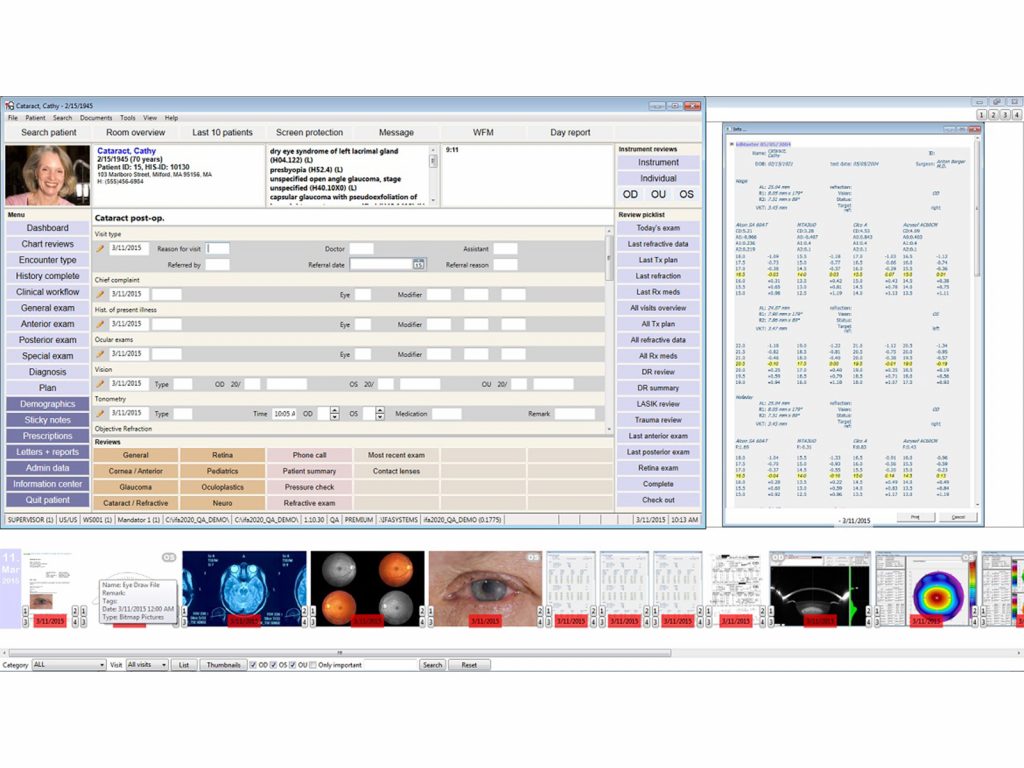
EyeMD EMR is built exclusively for ophthalmologists, making it one of the most accurate and efficient systems for vision care practices. It offers deep integration with diagnostic devices, a built-in PACS viewer, and highly specialized templates for retina, glaucoma, and surgical cases. Its strength lies in eliminating the need for third-party imaging tools and reducing documentation time.
When paired with a communication tool like Emitrr, EyeMD becomes even more powerful, allowing practices to automate appointment reminders, streamline follow-ups, and reduce front desk interruptions through real-time, HIPAA-compliant messaging that’s fully in sync with the EMR’s schedule.
2. ModMed
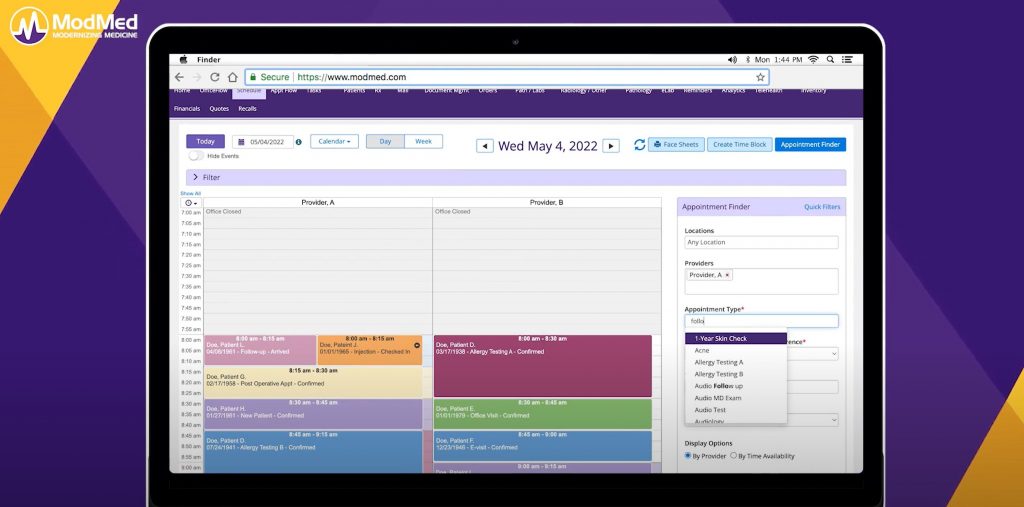
ModMed’s EMA platform is a favorite among tech-forward practices thanks to its iPad-based interface and adaptive learning engine. It learns from your workflow over time, suggesting the next steps during charting and helping reduce clicks. The system includes ophthalmology-specific content across subspecialties and offers real-time MIPS tracking, built-in ASC modules, and touch-optimized charting.
Combined with Emitrr, it supports a highly streamlined workflow where appointment flows trigger automated reminders and follow-up messages. Without switching platforms, teams can cut back on phone calls and re-engage no-show patients more effectively.
3. CureMD
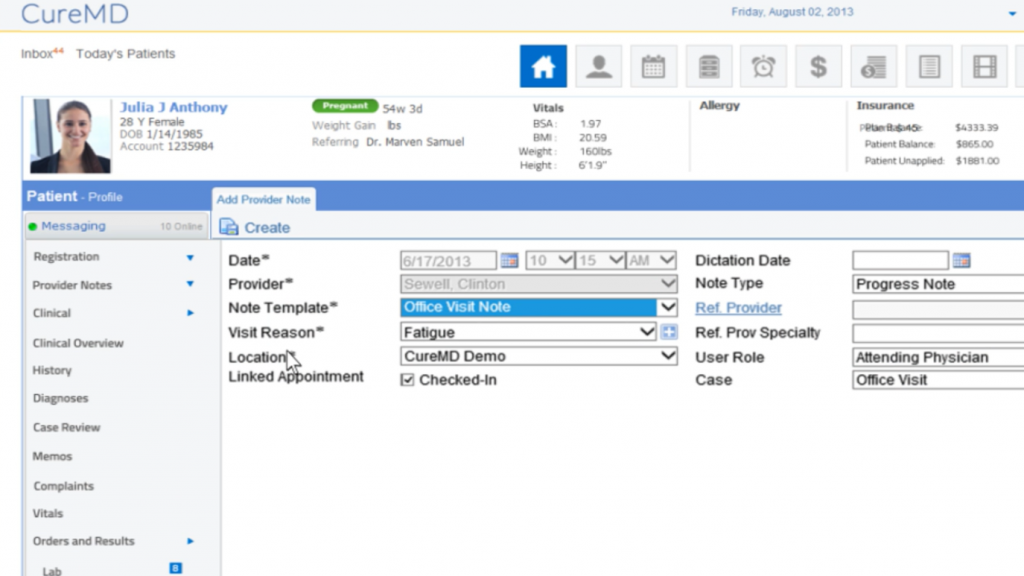
CureMD offers a flexible EMR system with dedicated ophthalmology modules that cover everything from optical inventory and lens prescriptions to e-prescribing and imaging. Its customizable templates and intuitive layout make it well-suited for small and mid-sized clinics that need both power and affordability.
With a real-time sync between CureMD’s calendar and Emitrr, practices can automate common touchpoints like recalls, confirmations, and feedback requests, helping staff stay ahead without lifting the phone.
4. Medflow
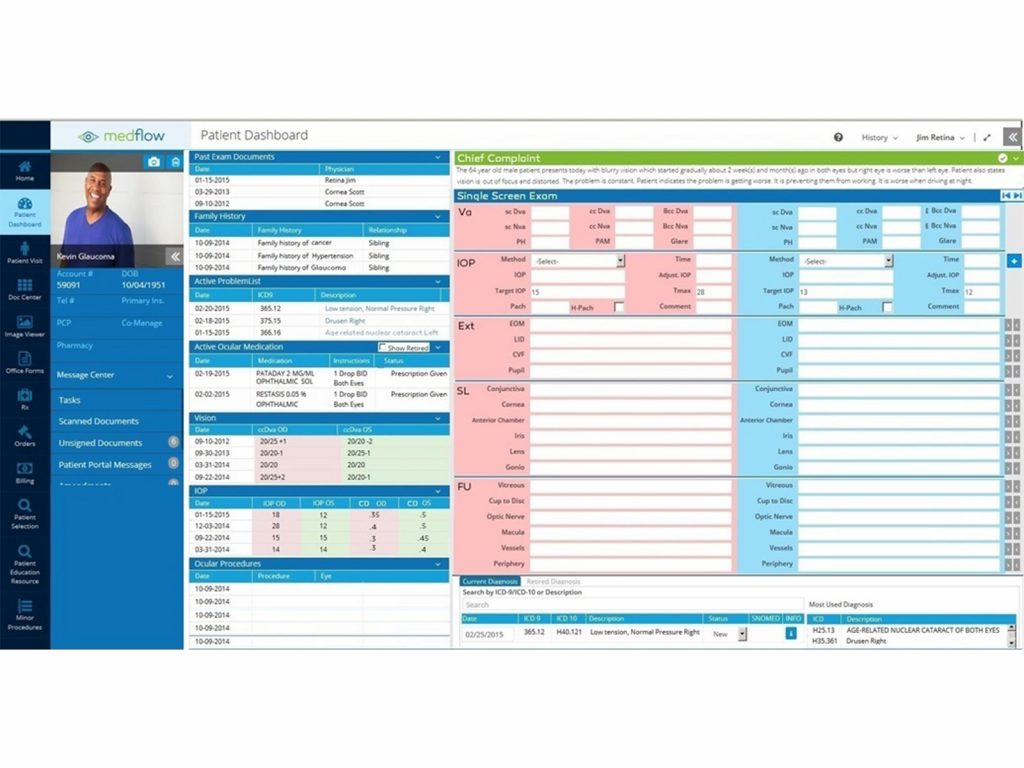
Built with long-term ophthalmology users in mind, Medflow offers a deeply customizable system with features like surgical scheduling, image management, and visual drawing tools. It’s built to support complex workflows and subspecialty needs across retina, glaucoma, and corneal care.
Many Medflow users pair it with Emitrr to handle outbound communication in the background. Whether it’s surgical reminders, patient reactivation, or education follow-ups, the integration keeps everything in motion, without disrupting the clinic’s daily flow.
5. Compulink Eyecare Advantage
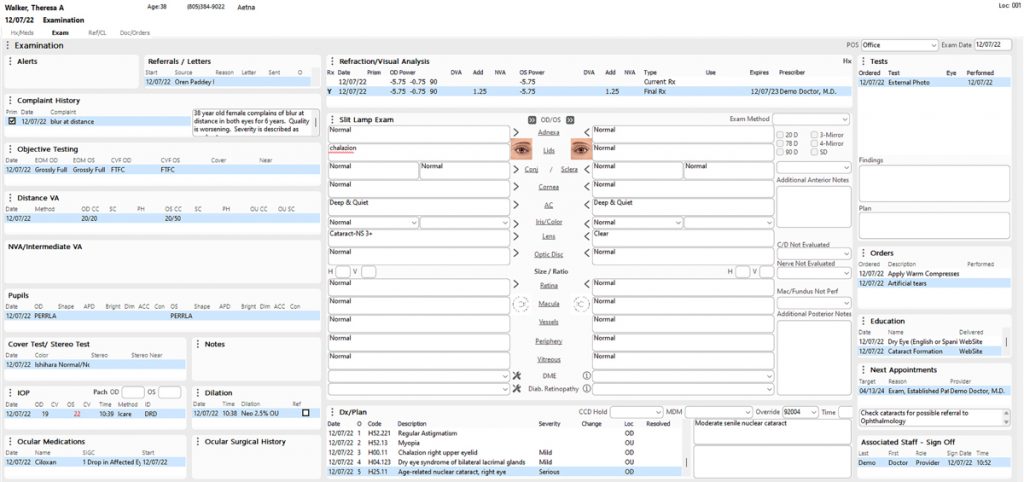
Compulink is a comprehensive EMR solution that handles everything from optical retail to ASC operations. With robust billing tools, telehealth support, and multi-location management, it’s ideal for growing eye care groups.
Practices using Compulink often integrate tools like Emitrr to stay proactive with their communication, sending appointment reminders, collecting reviews, and reducing no-shows through automated workflows that sync directly with the EMR schedule.
Elevate Your Workflows By Integrating Your Chosen EMR With Emitrr
Even the most advanced ophthalmology EMR software is designed primarily for clinical recordkeeping, charting exams, storing diagnostic images, managing prescriptions, and handling billing. But outside the clinic room, there’s another layer of work: keeping patients engaged, informed, and on schedule.
That’s where Emitrr’s AI-powered integration changes the game. By connecting directly with your ophthalmology EMR’s live schedule and patient database, Emitrr bridges the gap between clinical workflows and patient communication, automating the outreach that usually takes up hours of staff time.
Here’s how the integration drives results:
AI-Driven Appointment Management
- Why it matters: In ophthalmology, delays and no-shows are more than an inconvenience; they can impact vision outcomes. Missing a glaucoma pressure check or diabetic eye exam could have serious consequences.
- How it works: Emitrr’s AI SMS Agent and AI Voice Agent read directly from your EMR schedule. When an appointment is booked, rescheduled, or coming due, the system automatically sends personalized reminders and confirmations via text, voice, or email, based on each patient’s preference. AI determines the best time to send them for maximum response. If a patient confirms or changes the appointment, it updates your EMR instantly, without staff intervention.
Encrypted Two-Way Texting
- Why it matters: Eye care patients often have time-sensitive concerns, questions about eye drops, post-LASIK halos, or cataract surgery prep. Waiting on hold frustrates patients and ties up your staff.
- How it works: Emitrr enables encrypted, HIPAA-compliant two-way texting linked directly to your EMR record. Common questions are answered instantly by AI Auto-Replies (“When should I stop wearing contact lenses before surgery?”), while more complex cases are routed to the correct team member. Every message is stored in the patient’s record, keeping communication organized and compliant.
You can watch this video to see how Emitrr’s AI texting agent makes patient communication faster, easier, and fully compliant:
Automated Follow-Ups & Recall Campaigns
- Why it matters: Recalls for annual diabetic eye exams, glaucoma follow-ups, and post-op visits are essential in ophthalmology, yet manual outreach is inconsistent in most practices.
- How it works: Emitrr scans your EMR to find patients due for care. Its AI message enhancer personalizes recall messages so they’re more engaging and harder to ignore. These campaigns run automatically in the background, helping you fill your schedule without cold-calling or manual tracking.
Digital Medical Forms & Data Collection
- Why it matters: Intake paperwork slows check-in, frustrates patients, and eats into appointment time, especially in busy multi-doctor practices.
- How it works: Emitrr sends digital intake forms, consent forms, and surgical questionnaires ahead of the visit. Patients complete them from home, and responses are securely synced into your EMR for review before they arrive. For post-op patients, you can send digital feedback forms to track recovery progress without an extra visit.
Streamlined Scheduling from Multiple Channels
- Why it matters: Patients want flexibility, some prefer booking online, others over the phone, or by text. If your scheduling system isn’t unified, double-bookings and missed slots can happen.
- How it works: Emitrr’s AI VoIP and text-to-book features allow patients to schedule, confirm, or reschedule from any channel. Every booking is written directly into your EMR in real time, eliminating manual updates and preventing errors.
The AI-based scheduling engine also helps fill last-minute cancellations and optimize time slots for maximum efficiency. Watch this video to see how AI scheduling can simplify the process for both patients and staff.
Reputation & Review Growth
- Why it matters: When patients search for the best ophthalmology EMR software or eye care specialists in your area, reviews heavily influence their choice.
- How it works: After a visit is completed in your EMR, Emitrr automatically sends a review request at the most effective time, often within hours of the appointment, maximizing positive responses. Higher ratings improve search visibility and patient trust.
100% HIPAA-Compliant Data Handling
- Why it matters: Ophthalmology EMR systems store highly sensitive data, images, diagnoses, prescriptions that must be protected at all costs.
- How it works: Emitrr maintains 100% HIPAA compliance with encrypted two-way communication, secure EMR data sync, role-based permissions, and audit logs. This ensures every message, form, and update meets privacy standards while keeping workflows fast and efficient.
Secure EMR Data Sync
- Why it matters: In ophthalmology, every detail matters, from intraocular pressure readings to lens prescriptions. If patient records aren’t consistent across systems, critical information can be missed.
- How it works: Emitrr syncs directly with your EMR in real time. Every message, completed form, review, or note is automatically updated in the patient record, with no duplicate entries, no manual transfers, and no risk of outdated information.
FAQs
The best ophthalmology EMR software depends on your practice size, subspecialties, and workflow needs. Leading options include EyeMD EMR, ModMed EMA, CureMD, Medflow, and Compulink Eyecare Advantage, all offering ophthalmology-specific charting, imaging integration, and compliance tools.
Ophthalmology EMRs are designed for vision care workflows, with tools like retina imaging integration, visual acuity tracking, optical prescription management, and subspecialty-specific templates. General EMRs often lack these and require workarounds.
Yes. Many ophthalmology EMRs integrate with HIPAA-compliant communication platforms like Emitrr, enabling secure two-way texting, automated reminders, recall campaigns, and digital form delivery synced with your EMR data.
Yes, reputable ophthalmology EMR systems include encryption, role-based access, and audit trails to meet HIPAA standards. Emitrr also meets HIPAA requirements, ensuring secure patient communication.
Pricing varies by features, deployment type (cloud vs. on-premise), and size of your practice. Entry-level plans may start around $300–$500 per provider per month, with advanced systems costing $1,000+ per month.
Absolutely. When paired with tools like Emitrr, your EMR can automatically send reminders, confirmations, and rescheduling options to patients, significantly lowering missed appointment rates.
Conclusion
The right ophthalmology EMR keeps your records organized and your workflows efficient. But when it’s paired with Emitrr, you add a layer of intelligent automation that keeps patients engaged between visits, reduces no-shows, and frees up your team for what matters most, delivering exceptional vision care.
Take your EMR beyond recordkeeping, book a free Emitrr demo, and see the difference in efficiency and patient satisfaction.