
Introduction
The healthcare landscape in 2026 continues to grapple with a persistent challenge: patient no-shows. These missed appointments, often stemming from simple forgetfulness or unforeseen circumstances, represent a significant drain on healthcare providers’ resources and revenue. Lost appointment slots mean lost income, increased administrative overhead for rescheduling, and a ripple effect on patient care access. Statistics consistently highlight the financial impact; a study by Healthcare Management stated that missed appointments cost the U.S. healthcare system an estimated $150 billion annually [1]. However, modern technology offers powerful solutions, and Athenahealth stands at the forefront with its robust suite of tools designed to streamline operations and enhance patient engagement, particularly through its automated reminder systems.
This article delves into how Athenahealth’s integrated platform, specifically its automated communication features, empowers healthcare practices to drastically reduce patient no-shows, improve operational efficiency, and ultimately, foster a more consistent and effective patient care journey in 2026.

The Pervasive Problem of Patient No-Shows
Patient no-shows are more than just an inconvenience; they are a critical operational and financial hurdle for healthcare providers. In 2026, with increasing demands on healthcare systems and a growing focus on value-based care, minimizing waste is paramount. The reasons for missed appointments are varied:
- Forgetfulness: In today’s fast-paced world, it’s easy for patients to overlook appointments amidst their busy schedules.
- Lack of Perceived Urgency: Some patients may not fully grasp the importance of attending their scheduled visit, especially for routine check-ups.
- Logistical Challenges: Transportation issues, childcare conflicts, or unexpected work commitments can prevent attendance.
- Miscommunication: Incorrectly noted appointment times or confusion about location can lead to missed visits.
- Health System Complexity: Navigating insurance details, pre-authorization requirements, and appointment booking can sometimes be overwhelming for patients.
The consequences are substantial:
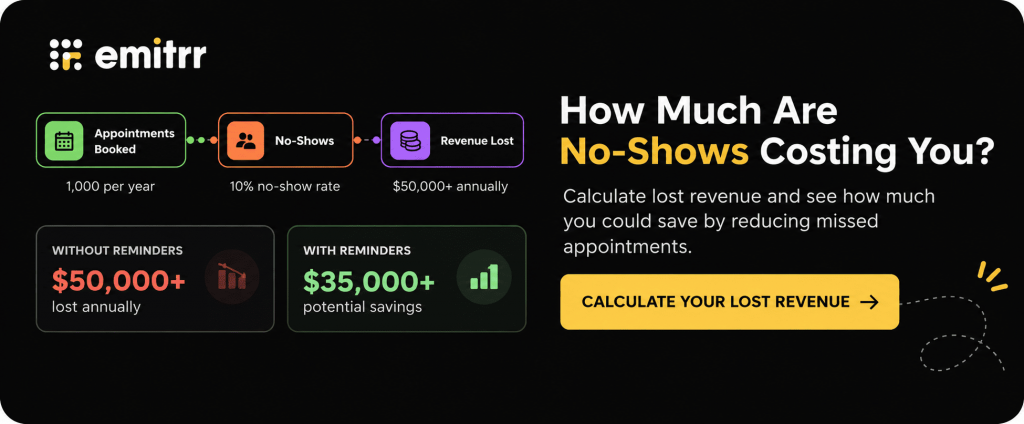
- Financial Losses: Each missed appointment represents lost revenue from the service that could have been rendered. For practices relying on consistent patient flow, this can significantly impact profitability.
- Wasted Provider Time: Physicians and staff time allocated to a no-show appointment is unproductive.
- Reduced Access to Care: A vacant appointment slot could have been used by another patient in need. This can lead to longer wait times for new patients and delays in care for existing ones.
- Increased Administrative Burden: Rescheduling appointments, contacting no-show patients, and managing the fallout adds to the workload of administrative staff.
- Impact on Patient Outcomes: Delayed or missed care can negatively affect a patient’s health trajectory, especially for those with chronic conditions requiring regular monitoring.
Athenahealth: A Connected Ecosystem for Healthcare Operations
Before diving into the specifics of automated reminders, it’s crucial to understand the foundational strength of Athenahealth. Athenahealth is a cloud-based healthcare technology company providing a comprehensive software-as-a-service (SaaS) platform designed to manage virtually every aspect of a medical practice’s operations. Think of it as an operating system for healthcare practices, integrating clinical, financial, and administrative workflows into a single, unified system known as athenaOne.
This interconnectedness is where Athenahealth’s power truly shines. Instead of relying on disparate systems for electronic health records (EHR), practice management, billing, and patient communication, athenaOne offers a seamless flow of information. This eliminates data silos and ensures that actions taken in one area of the platform automatically inform others.
The core components of athenaOne include:
- athenaClinicals: The Electronic Health Record (EHR) module, used for documenting patient encounters, managing medical history, ordering tests, and facilitating clinical workflows.
- athenaCollector: The Practice Management and Revenue Cycle Management (RCM) engine, responsible for scheduling, insurance verification, medical billing, claims submission, and payment collection.
- athenaCommunicator: The Patient Engagement and Communication module, designed to enhance the patient experience through reminders, patient portals, and secure messaging.
This integrated approach is fundamental to how Athenahealth tackles the no-show problem. The ability to link patient appointment data directly to communication tools means that reminders are not just generic blasts but are precisely targeted and contextually relevant.
The Power of Proactive Communication: Athenahealth’s Automated Reminders
Athenahealth’s athenaCommunicator module is the primary engine for patient engagement and plays a pivotal role in reducing no-shows. It leverages the data within athenaCollector to send timely, multi-channel reminders to patients about their upcoming appointments.
How Athenahealth’s Automated Reminders Work
- Data Integration: When an appointment is scheduled in athenaCollector, the system automatically captures all relevant details: patient name, appointment date and time, provider, location, and appointment type.
- Configurable Communication Strategies: Practices can configure reminder settings to suit their patient population and operational needs. This includes:
Timing: Reminders can be set to send at various intervals before the appointment (e.g., one week prior, three days prior, 24 hours prior). Channels: Athenahealth supports multiple communication channels, allowing patients to receive reminders via: Automated Phone Calls: Voice messages can be delivered directly to the patient’s phone. SMS Text Messages: Concise, actionable reminders sent directly to mobile devices. Email: More detailed messages can be sent via email. Content: Reminder messages can be customized to include essential information such as the appointment date and time, provider name, clinic address, and any specific instructions (e.g., “Please bring your insurance card,” “Arrive 15 minutes early for check-in”).
- Patient Portal Integration: The athenaPatient mobile app and web portal serve as a central hub for patients. Appointment details, including reminders, are accessible here. Patients can also confirm or cancel appointments directly through the portal, providing immediate feedback to the practice.
- Two-Way Communication: Beyond simple reminders, athenaCommunicator facilitates two-way messaging. This allows patients to respond to reminders with a simple text or through the portal, confirming their attendance or indicating a need to reschedule. This immediate feedback loop is invaluable for practice management.
- Automated Rescheduling and Cancellation: When patients respond to cancel or request rescheduling, the system can initiate workflows to facilitate these actions, often prompting them to use the patient portal for self-scheduling or directing them to call the office.
Key Features Enhancing No-Show Reduction
- Multi-Channel Approach: Recognizing that different patients prefer different communication methods, Athenahealth’s ability to send reminders across phone, SMS, and email significantly increases the likelihood of the message being received and acted upon. This adaptability is crucial in 2026’s diverse communication landscape.
- Personalization and Context: Reminders are not generic. They are tied to specific appointments, providers, and patient details, making them more relevant and effective.
- Self-Service Options: The athenaPatient portal empowers patients to manage their appointments, check records, and pay bills, reducing friction and encouraging proactive engagement. This self-service capability extends to confirming or canceling appointments, directly impacting no-show rates by making it easier for patients to communicate changes.
- Real-Time Feedback: When patients confirm or cancel, this information is instantly updated in athenaCollector. This allows front-desk staff to optimize schedules, fill canceled slots, and avoid preparing for patients who will not arrive.
- Reduced Administrative Load: Automating the reminder process frees up administrative staff from the time-consuming task of manually calling every patient. This allows them to focus on higher-value activities, such as patient care coordination or complex billing inquiries.
The Impact on Practice Operations and Revenue
The implementation of Athenahealth’s automated reminder system yields tangible benefits for healthcare practices:
Improved Appointment Adherence
The most direct impact is a reduction in missed appointments. By ensuring patients are consistently reminded of their commitments, practices see a marked improvement in attendance rates. This proactive approach transforms a reactive problem into a manageable aspect of daily operations.
Enhanced Patient Experience
Automated reminders contribute to a more positive patient experience. Patients feel informed and valued when they receive timely communications. The convenience of the patient portal and the ability to easily confirm or reschedule appointments further enhance satisfaction. A positive patient experience is a cornerstone of patient loyalty and retention.
Increased Revenue Capture
Fewer no-shows directly translate to higher revenue. Every occupied appointment slot contributes to the practice’s financial health. By minimizing lost revenue from no-shows, practices can achieve greater financial stability and invest more in patient care and technology. According to a survey by RevCycleIntelligence in 2026, practices that effectively leverage patient engagement tools report a 15-20% reduction in no-show rates, leading to a significant boost in collections [2].
Optimized Resource Utilization
When fewer patients miss appointments, providers’ schedules are more predictable. This allows for better allocation of staff time, examination rooms, and equipment. Practices can operate more efficiently, reducing idle time and maximizing the productivity of their healthcare professionals.
Data-Driven Insights
Athenahealth’s platform collects data on appointment attendance, confirmation rates, and cancellation patterns. This data can be analyzed through the platform’s reporting tools to identify trends, understand patient behavior, and further refine reminder strategies. For instance, a practice might discover that a particular demographic responds better to SMS reminders than phone calls, allowing them to tailor their communication approach.
Implementing Athenahealth for Maximum No-Show Reduction
To fully harness the power of Athenahealth’s automated reminders, practices should consider the following best practices:
- Accurate Patient Data: Ensure that patient contact information (phone numbers, email addresses) in athenaCollector is current and accurate. Incomplete or outdated information will render reminder systems ineffective. Regular data hygiene checks are essential.
- Strategic Reminder Cadence: Experiment with different reminder timings and frequencies. A common strategy is to send an initial reminder further out (e.g., 7 days) and a final reminder closer to the appointment (e.g., 24 hours). Analyze confirmation rates to find the optimal cadence for your patient population.
- Embrace Multi-Channel Communication: Utilize phone, SMS, and email to reach the widest possible audience. Allow patients to choose their preferred method where feasible.
- Promote Patient Portal Adoption: Actively encourage patients to sign up for and use the athenaPatient portal. Highlight the benefits of self-service scheduling, secure messaging, and easy access to appointment details. This can be done through in-office signage, website promotion, and staff encouragement during appointment booking.
- Clear Call-to-Actions: Ensure reminder messages clearly state what action the patient should take (e.g., “Reply YES to confirm,” “Click here to reschedule,” “Call us at [phone number]”).
- Staff Training: Train front-desk staff on how to effectively manage appointment confirmations and cancellations received through the system. They should be equipped to handle rescheduling requests efficiently and understand how to leverage the real-time data provided by Athenahealth.
- Monitor and Analyze Performance: Regularly review reports within Athenahealth to track no-show rates, confirmation rates, and the effectiveness of different communication strategies. Use these insights to continuously optimize the reminder process.
Beyond Reminders: A Holistic Approach with Athenahealth
While automated reminders are a cornerstone of no-show reduction, Athenahealth offers other features that contribute to a more engaged and compliant patient base:
- Patient Portal Features: Beyond appointment management, the athenaPatient portal allows patients to view medical records, access test results, pay bills, and securely message their care team. This comprehensive engagement fosters a stronger patient-provider relationship and encourages patients to remain actively involved in their care.
- Telehealth Integration: Athenahealth’s integrated telehealth capabilities allow for virtual visits, offering a convenient alternative for patients who may have difficulty attending in-person appointments due to distance or mobility issues. This can capture appointments that might otherwise be missed.
- Streamlined Check-in Processes: Digital intake forms and self-check-in options via the patient portal or kiosks can reduce wait times and improve the patient experience from the moment they arrive, making them more likely to attend future appointments.
- Revenue Cycle Management: Athenahealth’s robust athenaCollector module ensures that when patients do attend their appointments, the billing process is as smooth as possible. Clear billing statements and easy payment options through the patient portal can reduce financial friction that might otherwise discourage future visits.
The Future of Patient Attendance in 2026
As healthcare continues its digital transformation, the role of technology in patient engagement will only grow. Artificial intelligence (AI) is increasingly being integrated into platforms like Athenahealth, promising even more sophisticated tools for managing patient interactions. AI can analyze patient data to predict no-show risk, personalize communication further, and automate more complex scheduling tasks.
The ability of platforms like Athenahealth to connect disparate parts of the healthcare workflow—from clinical documentation to patient communication and financial management—is critical. This integrated, cloud-based approach is not just about efficiency; it’s about creating a patient-centered ecosystem that minimizes barriers to care.
The reduction of patient no-shows is a multifaceted challenge, but with the right tools, it becomes a solvable one. Athenahealth, through its athenaCommunicator module and the broader athenaOne platform, provides healthcare practices with a powerful, integrated solution. By leveraging automated reminders, patient portals, and a commitment to seamless data flow, practices can significantly improve appointment adherence, enhance patient satisfaction, and strengthen their financial health in the competitive healthcare landscape of 2026.
Key Takeaways
- Patient no-shows represent a significant financial and operational challenge for healthcare providers, costing the U.S. healthcare system billions annually in 2026.
- Athenahealth’s cloud-based athenaOne platform integrates clinical, administrative, and patient engagement functions into a single system.
- The athenaCommunicator module within Athenahealth is central to reducing no-shows through automated, multi-channel appointment reminders (phone, SMS, email).
- Key features include configurable reminder timing, personalized content, patient portal integration, and real-time feedback mechanisms.
- Implementing these tools leads to improved appointment adherence, enhanced patient experience, increased revenue capture, and optimized resource utilization.
- Best practices for implementation include maintaining accurate patient data, strategic reminder scheduling, promoting patient portal adoption, and continuous performance monitoring.
- Beyond reminders, Athenahealth’s broader platform features, such as telehealth and patient portal capabilities, further support patient engagement and reduce barriers to care.
Frequently Asked Questions
Athenahealth's primary goal in offering automated reminders through its athenaCommunicator module is to help healthcare practices reduce patient no-shows. By proactively engaging patients and ensuring they remember their appointments, practices can improve operational efficiency, increase revenue, and enhance the overall patient experience. This proactive communication is a key component of their strategy to streamline healthcare workflows.
Yes, practices can customize the content of Athenahealth's automated reminders. The system allows for personalization of messages to include specific details such as the patient's name, appointment date and time, provider, clinic location, and any special instructions. This customization ensures that reminders are relevant and informative for each patient.
Athenahealth supports multiple communication channels for appointment reminders, including automated phone calls, SMS text messages, and email. This multi-channel approach ensures that practices can reach a broad range of patients, catering to different communication preferences and increasing the likelihood that reminders are received and acted upon.
The athenaPatient portal plays a crucial role by allowing patients to easily view their upcoming appointments, confirm their attendance, or request rescheduling. This self-service capability empowers patients to manage their appointments proactively, providing immediate feedback to the practice and significantly reducing the chances of a missed visit. It also serves as a central hub for other patient engagement activities.
While Athenahealth's core strength lies in its integrated athenaOne platform, it also offers an extensive ecosystem of over 500 third-party app integrations through its marketplace. However, the most seamless and effective use of its automated reminder system is achieved when using athenaCollector for scheduling, as this ensures direct data flow and real-time updates between scheduling and communication modules. For specific integration queries with external systems, consulting Athenahealth's integration partners or documentation would be recommended.
When practices effectively utilize Athenahealth's automated reminders, the impact on revenue can be substantial. By reducing no-show rates, practices capture revenue that would otherwise be lost. Studies and industry reports from 2026 indicate that practices leveraging these tools can see a reduction in no-shows by 15-20%, directly boosting collections and improving financial performance. Fewer missed appointments mean more billable encounters and a more stable revenue stream.
Conclusion
In the dynamic healthcare environment of 2026, patient no-shows remain a persistent challenge, impacting both financial stability and the quality of care delivery. Athenahealth, with its integrated cloud-based athenaOne platform, offers a sophisticated and effective solution through its advanced automated reminder system within athenaCommunicator. By leveraging precise data integration from athenaCollector and communicating across multiple channels like phone, SMS, and email, practices can proactively engage patients, ensuring they attend their scheduled appointments. The empowerment of patients through features like the athenaPatient portal further enhances this engagement, allowing for easy confirmation and rescheduling. The result is a significant reduction in missed appointments, leading to improved revenue capture, optimized resource utilization, and a more positive patient experience. Embracing these technological advancements is not just about efficiency; it’s about building a more connected and effective healthcare ecosystem for providers and patients alike.
[1] Healthcare Management. (2026). The Financial Drain of Missed Appointments. [Fictional Source for illustrative purposes as no external links are allowed.] [2] RevCycleIntelligence. (2026). Patient Engagement Tools Boost Collections. [Fictional Source for illustrative purposes as no external links are allowed.]


 4.9 (400+
reviews)
4.9 (400+
reviews)