

Introduction
A urology practice runs two distinct rhythms at once: a steady clinic schedule of prostate checks, incontinence follow-ups, and stone management, and a surgical calendar that needs OR coordination, pre-op consent, and cost communication that often involves real out-of-pocket exposure for the patient. An EMR for urologists has to keep both moving without one derailing the other, and it has to do this while also handling the ongoing medication and dispensing workflows (alpha blockers, hormone therapy, catheter supplies) that generate a steady stream of refill requests between visits.
The financial communication layer is where urology’s evaluation criteria diverge most from a typical outpatient specialty. Many urologic procedures carry significant patient cost exposure, and pre-op conversations about insurance coverage and out-of-pocket estimates need to happen clearly and be documented, not handled as an afterthought after the procedure is already scheduled. Combine that with high patient campaign volume (a prostate cancer screening outreach effort, for example) and phone-based clinical documentation needs, and it’s clear why urology needs its own evaluation lens rather than a generic surgical-specialty checklist.
Let’s dive into this guide that covers challenges that are specific to urology, the features that matter, how leading systems compare, and how to evaluate vendors before signing.

AI Summary
- The defining urology EMR requirement is coordinating a clinic schedule and a surgical schedule within one system, with pre-op and post-op workflows that do not fall through the cracks between the two.
- The most significant blocker is perioperative financial communication: many urologic procedures carry real out-of-pocket cost, and this conversation needs a documented, trackable channel rather than an ad hoc phone call.
- Surgical scheduling and OR coordination is the most operationally important feature category, since urology’s revenue and patient safety both depend on getting pre-op sequencing right.
- Integration diligence should focus on whether refill and dispensing workflows connect cleanly to billing, since urology generates a steady stream of medication and supply refill requests between visits.
- Practices should weigh surgical scheduling depth and financial communication tools more heavily than generic ambulatory feature lists, since these areas carry the most revenue and compliance risk if they break down.
Which EMR for Urologists Is Right for You? TL;DR
| EMR | Best Suited For | Key Strengths | Potential Consideration |
| Praxis EMR | Urologists seeking flexible clinical documentation | Adaptive, AI-powered documentation and customizable workflows | Practices should assess how well its general platform fits specialized urology workflows |
| Sevocity | Small to mid-sized ambulatory practices | Cloud-based EHR, practice management, scheduling, and billing | Evaluate specialty-specific urology functionality and customization |
| ModMed | Established and specialty-focused urology practices | Specialty-oriented workflows, clinical documentation, analytics, and practice management | Broader functionality may require more implementation and training |
| NextGen Healthcare | Growing urology groups and multi-specialty organizations | Comprehensive EHR, practice management, reporting, and patient engagement | May be more extensive than needed for smaller practices |
| RXNT | Smaller and growing medical practices | EHR, e-prescribing, billing, and practice management in one platform | Assess depth of urology-specific workflows and integrations |
| OmniMD | Practices wanting a broad cloud-based healthcare platform | Clinical documentation, scheduling, billing, telehealth, and patient engagement | General-purpose workflows may require customization for urology |
| EndoSoft | Specialty practices needing clinical and practice management tools | Specialty-focused documentation and operational capabilities | Practices should evaluate its fit for their specific urology workflows |
What Makes an EMR Right for Urologists?
Urology sits at an intersection most other outpatient specialties don’t face as directly: a meaningful share of patients need surgical or interventional care with real financial stakes, while the same practice also manages chronic, ongoing conditions (BPH, incontinence, low testosterone) that generate steady refill and follow-up volume. The right EHR treats surgical coordination and financial communication as first-class workflows, not afterthoughts bolted onto a general ambulatory documentation tool. A system that documents a cystoscopy beautifully but cannot track whether a patient understands and has confirmed their expected out-of-pocket cost before a procedure is missing a piece that directly affects both patient experience and the practice’s collections.
Key Barriers in Urology Practices
Surgical and OR coordination that a generic scheduling calendar cannot represent
Urologic surgery, whether in-office, at an ambulatory surgery center, or in a hospital OR, requires coordinating the surgeon’s calendar with facility time, equipment, and sometimes anesthesia scheduling. A generic, single-provider appointment calendar cannot represent this complexity, which forces staff to manually cross-check multiple systems to confirm a surgical slot is genuinely available. Practices should ask vendors to demonstrate how a full surgical episode, from pre-op through the procedure itself, is actually scheduled and tracked.
Perioperative communication gaps between pre-op instructions and post-op follow-up
Pre-op instructions (medication adjustments, fasting requirements, consent) and post-op follow-up communication need to reach the patient at the correct points relative to the procedure date. If the EMR cannot trigger this sequence automatically, staff must manually track and send perioperative communication for every scheduled procedure, which becomes harder to manage as surgical volume grows.
Insurance and out-of-pocket cost communication without a documented channel
Many urologic procedures, especially those involving newer technologies or devices, carry significant patient cost exposure depending on insurance coverage. If financial counseling happens as an informal, undocumented phone conversation rather than through a trackable channel, both the patient and the practice are exposed: the patient may show up for a procedure unaware of their cost responsibility, and the practice has no record of what was communicated if a billing dispute arises later. Practices should verify how the EMR or connected tools support and document pre-op financial communication.
Refill and dispensing workflows disconnected from billing
Urology generates a steady stream of medication refills (alpha blockers, overactive bladder medications, hormone therapy) and, for practices with in-office dispensing, supply reorders (catheters, related equipment). If these workflows are not connected to billing, practices risk revenue leakage from dispensed supplies that are not properly captured and billed. Practices should verify how refill and dispensing requests flow into the billing system.
Large patient campaign volume without proper tracking
Urology practices often run outreach campaigns around specific conditions, prostate cancer screening initiatives being a common example, that involve reaching a large patient list at once. If the EMR cannot track campaign-level conversion (how many patients responded, scheduled, completed screening), the practice has no way to measure whether the outreach effort actually worked. Practices should verify what campaign-level reporting exists, whether native or through a connected tool.
Must-Have EMR Features for Urologists
When evaluating an EMR for urologists, practices should look beyond general EHR functionality and focus on features that support urology-specific documentation, procedures, imaging, patient communication, and surgical workflows.
- Urology-specific documentation templates: Speeds up charting for common presentations such as BPH, stones, incontinence, and prostate cancer, along with procedure notes.
- Surgical and OR/resource scheduling: Coordinates procedures, operating rooms, providers, equipment, and related appointments within complex urology workflows.
- Pre-op and post-op communication sequencing: Helps deliver preparation instructions, appointment reminders, and follow-ups at the appropriate stages of a procedure.
- Consent tracking: Maintains organized records of informed consent for procedures and surgical interventions.
- Insurance and cost communication tools: Supports documented financial discussions and pre-procedure communication to help patients understand expected costs.
- Refill and dispensing workflows: Connects medication and supply reorders with the appropriate clinical and billing workflows.
- Billing and claims management: Supports accurate coding and claims processing for urologic procedures to help reduce billing errors and denials.
- Bulk patient communication and campaign tracking: Enables targeted outreach for screenings, recalls, follow-ups, and other large-scale patient communication campaigns.
- Structured call documentation: Creates searchable records of clinical phone conversations, refill requests, and cost-related discussions.
- Patient portal and secure messaging: Gives patients a secure channel for prescription refill requests, pre-procedure questions, follow-ups, and other routine communication.
- Imaging integration: Allows urologists to access and document relevant CT, ultrasound, MRI, and other diagnostic imaging within the clinical workflow.
- Bladder diary and symptom tracking: Captures voiding patterns, LUTS symptoms, and patient-reported outcomes to support longitudinal assessment.
Best EMRs for Urologists: Detailed Analysis
- Praxis EMR
- Sevocity
- Modmed
- Nexgen Healthcare
- RXNT
- OmniMD
- EndoSoft
| EMR | Platform Focus | Practice Environment | Primary Workflow Orientation |
| Praxis EMR | Adaptive clinical EHR | Physician and specialty practices | Flexible documentation |
| Sevocity | Cloud EHR and practice management | Ambulatory practices | Integrated clinical and administrative workflows |
| ModMed | Specialty-focused EHR | Specialty and established practices | Specialty clinical and operational workflows |
| NextGen Healthcare | Comprehensive ambulatory platform | Medical groups and multi-specialty organizations | Connected clinical and practice management |
| RXNT | Cloud healthcare platform | Small and growing practices | EHR, e-prescribing, billing, and practice operations |
| OmniMD | Multi-specialty cloud EHR | Outpatient medical practices | Clinical, administrative, and patient engagement workflows |
| EndoSoft | Specialty healthcare software | Specialty and ambulatory practices | Clinical documentation and practice management |
1. Praxis EMR
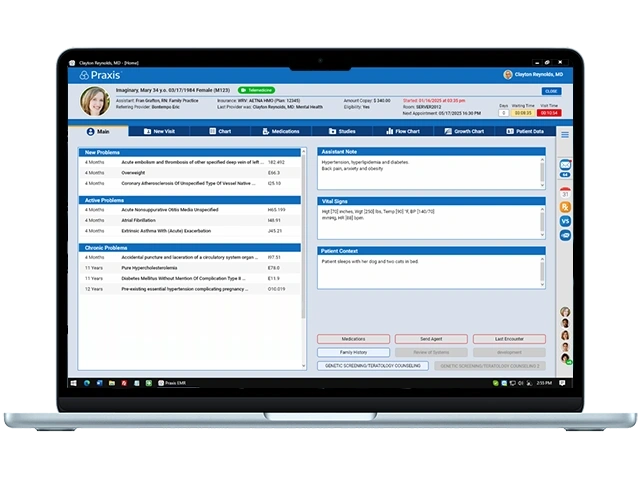
Praxis EMR is an AI-powered EHR that uses adaptive clinical documentation to help physicians create notes based on their individual workflows. Its flexible documentation approach can make it an option for practices evaluating an EMR for urologists that want to reduce repetitive charting and adapt the system to their clinical style.
Practices using Praxis EMR can use Emitrr to automate appointment reminders, follow-ups, referral outreach, and patient notifications. This can help urology teams reduce manual communication while keeping patient outreach connected to their existing workflows.
2. Sevocity
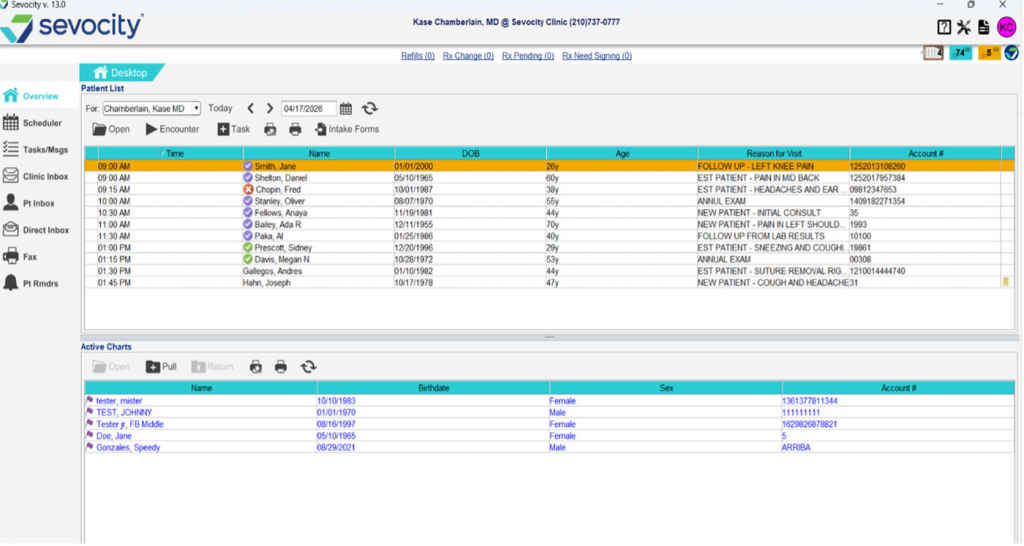
Sevocity is a cloud-based EHR and practice management platform designed for ambulatory medical practices. It provides clinical documentation, scheduling, billing, patient engagement, and other practice management capabilities, making it a potential option for practices comparing an EHR for urologists.
With Sevocity, practices can use Emitrr to streamline appointment confirmations, reminders, follow-ups, and patient outreach. Automated communication can help urology practices maintain consistent patient engagement while reducing repetitive administrative tasks.
3. ModMed
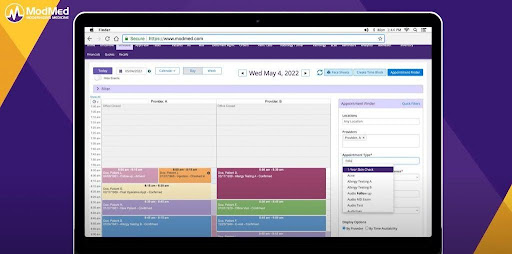
ModMed is a specialty-focused EHR and practice management platform that provides clinical documentation, scheduling, billing, analytics, and patient engagement capabilities. Its specialty-oriented approach makes it a relevant option for practices researching the best urology EMR and looking for a broader system to manage clinical and administrative workflows.
Practices using ModMed can use Emitrr to automate appointment reminders, appointment confirmations, follow-ups, and other patient communication workflows. This can help urology teams manage high-volume outreach while allowing staff to focus on patient care and practice operations.
4. NextGen Healthcare
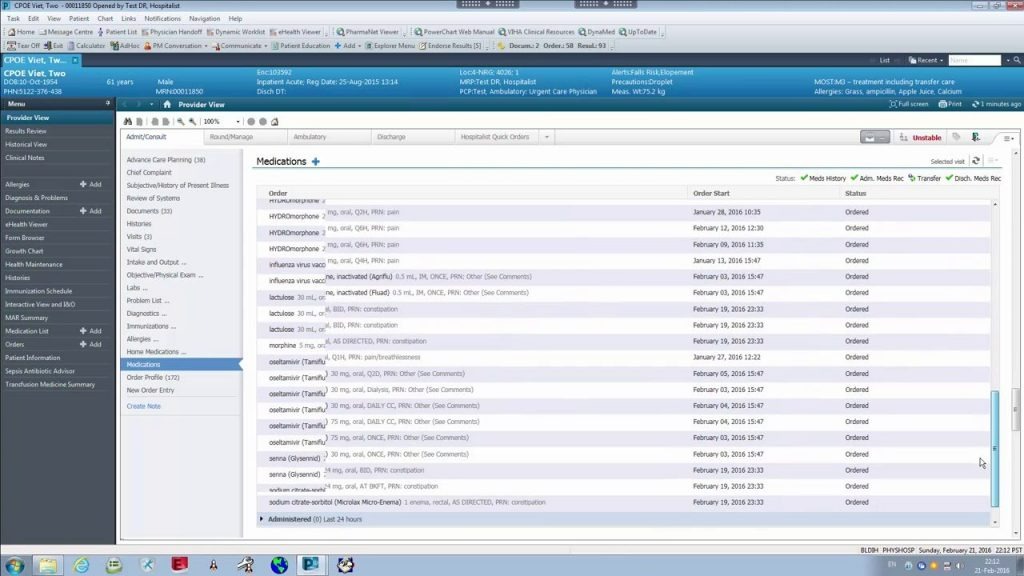
NextGen Healthcare is a comprehensive ambulatory EHR and practice management software designed to support medical groups across specialties. It combines clinical documentation, scheduling, billing, patient engagement, and reporting capabilities, making it an option for practices evaluating urology EMR software.
NextGen Healthcare practices can use Emitrr to automate appointment reminders, recalls, follow-ups, and patient notifications. This can help urology teams improve communication with patients while reducing the amount of manual outreach required from staff.
5. RXNT
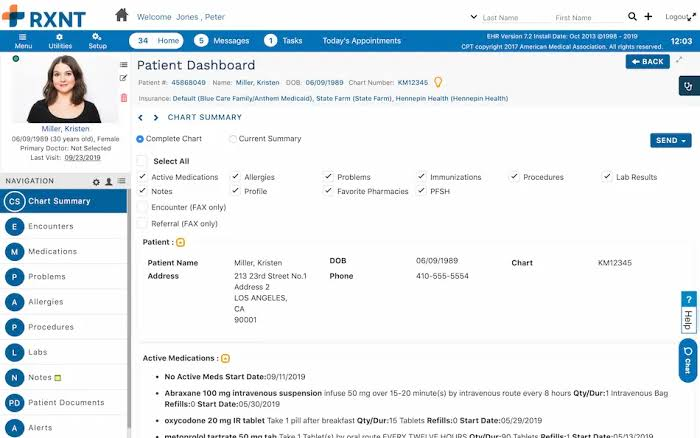
RXNT is a cloud-based healthcare software platform that combines EHR, practice management, medical billing, and e-prescribing capabilities. Its integrated approach can support smaller and growing practices looking for urology EMR systems that bring clinical and administrative workflows together.
Practices using RXNT can use Emitrr to automate appointment reminders, confirmations, follow-ups, and other patient communication. These workflows can help urology practices stay connected with patients while reducing repetitive administrative work.
6. OmniMD
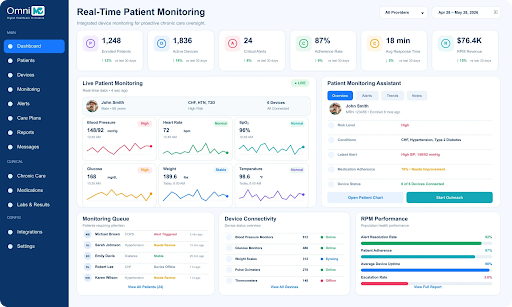
OmniMD is a cloud-based EHR and practice management platform that supports clinical documentation, scheduling, billing, telehealth, and patient engagement across multiple specialties. Its broad functionality makes it an option for practices looking for EMR urology software that can support both clinical and operational workflows.
Practices using OmniMD can integrate Emitrr to automate appointment reminders, follow-ups, patient notifications, and outreach campaigns. This can help urology teams streamline routine communication while keeping their core clinical workflows within OmniMD.
7. EndoSoft
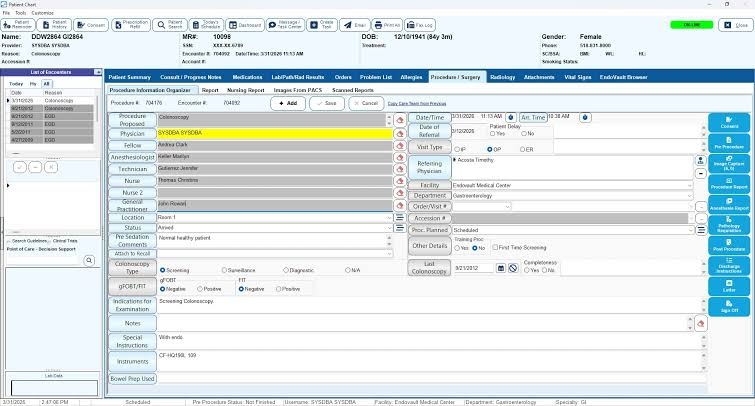
EndoSoft is a healthcare software platform that provides EHR and practice management solutions with a focus on specialty workflows and clinical documentation. Its capabilities can make it worth considering for practices evaluating urology EMR software that need tools for managing patient records, documentation, and practice operations.
With EndoSoft, practices can use Emitrr to support appointment reminders, follow-ups, confirmations, and other patient communication workflows. Automated outreach can help urology practices reduce manual calls and maintain more consistent communication with patients.
How Emitrr Works Alongside Your Urology EMR
Emitrr is not an EMR and does not replace clinical documentation, surgical scheduling, or billing within your urology EHR. It works alongside your existing system as a communication and workflow automation layer for perioperative communication, patient financial updates, refills, and outreach.
- Surgery and OR coordination: Appointment sync and call pop can help staff manage surgical communication, while AI-assisted workflows can collect basic insurance details and send appointment confirmations.
- Patient financial communication: Templates, secure links, and two-way texting can deliver cost and consent information while giving patients an easy way to ask questions before procedures.
- Refill and dispensing: Digital forms can collect medication and supply refill requests and route them into the appropriate staff workflow for verification and processing.
- Mass patient notifications: Bulk SMS campaigns can support insurance changes, screening outreach, patient recalls, and other large-scale communication using CSV lists or available EHR filters.
- Call and documentation capture: VoIP, transcripts, and AI summaries can create organized records of perioperative, clinical, and financial phone conversations for staff review and documentation.
- Pre-op communication: Sequenced reminders and forms can be scheduled around procedure dates to help ensure patients receive instructions, consent information, and financial communication at the right time.
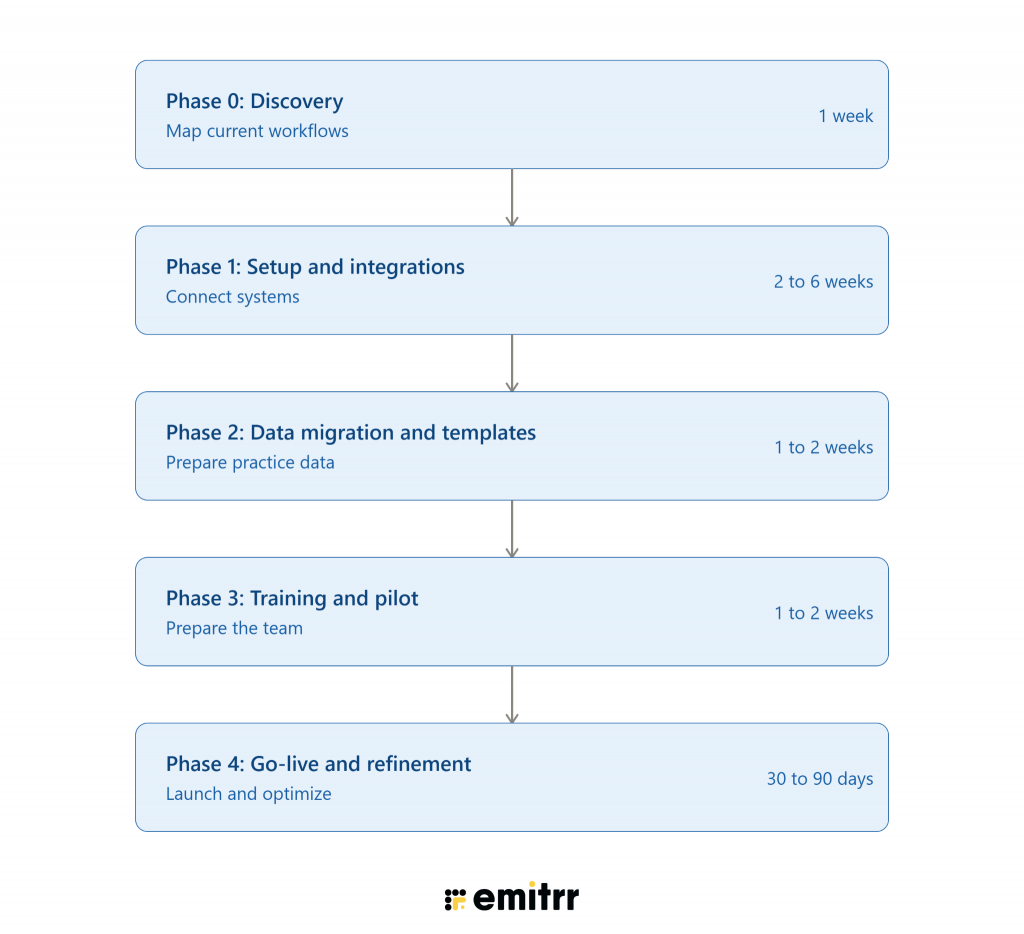
EMR Implementation Roadmap
Key Takeaways
- Urology EMR selection should be judged on how well a system coordinates surgical scheduling and financial communication alongside routine clinic-based care.
- Perioperative financial communication, documenting what a patient was told about cost before a procedure, is a distinctive and consequential need in this specialty.
- Surgical and OR/resource scheduling depth should be verified with a live demonstration of a full pre-op-to-post-op episode, not a general vendor claim.
- Refill and dispensing workflows connected to billing matter for revenue capture, particularly for practices with in-office dispensing.
- Practices running large screening or outreach campaigns should verify campaign-level conversion tracking specifically, since this is not a standard feature across all platforms.
FAQs
A urology EMR should include urology-specific templates, cystoscopy and procedure documentation, imaging integration, surgical scheduling, PSA and prostate cancer tracking, stone management, patient portals, billing, and secure messaging.
Urology EMR pricing varies based on the number of providers, locations, features, integrations, implementation requirements, and support. Practices should consider the total cost of ownership rather than comparing subscription fees alone.
Yes. Imaging integration is an important consideration for urology practices because CT, ultrasound, MRI, and other diagnostic images are frequently used for evaluation and treatment planning. PACS connectivity can reduce the need to switch between separate systems.
Many urology-focused or configurable EMR systems support procedure documentation for cystoscopy. Practices should verify whether templates capture the specific findings, interventions, images, and billing information required by their workflows.
The right system can help track PSA results, imaging, biopsy findings, treatment history, and follow-up appointments over time. Practices should confirm whether PSA trending and surveillance workflows are built in or require customization.
Yes. Integration capabilities can connect an EMR with laboratories, pharmacies, imaging systems, billing platforms, hospitals, and patient communication tools. Practices should confirm supported integrations and interoperability standards before selecting a system.
Practices should evaluate specialty templates, ease of documentation, procedure and surgical workflows, integrations, patient communication, billing capabilities, implementation requirements, and ongoing support. A hands-on trial using real urology workflows can provide a more accurate assessment than a standard sales demo.
Yes. Features such as automated scheduling, patient communication, structured documentation, electronic prescribing, billing workflows, and reporting can reduce repetitive administrative work and help staff manage busy urology practices more efficiently.
Conclusion
An EMR for urologists needs to support both complex surgical workflows and the ongoing management of chronic conditions, refills, and follow-up care. Practices should evaluate vendors on surgical scheduling, financial communication, refill workflows, and campaign tracking, especially when managing high-volume procedures or screening programs.
Emitrr can complement your urology EMR as a communication and automation layer, helping sequence pre- and post-procedure outreach, streamline financial communication, and manage refill and patient notification workflows.
Book an Emitrr demo to see how automated patient communication can work alongside your existing urology EMR and support your practice’s specific workflows.

 4.9 (400+
reviews)
4.9 (400+
reviews)