

Introduction
A surgical practice does not run on a single appointment and a single note. A patient may move from referral and consultation to H&P documentation, clearance, consent, procedure scheduling, surgery, discharge, and several post-operative touchpoints.
That sequence makes EMR surgery selection different from choosing a general ambulatory EHR. The system needs to preserve the relationship between the procedure, the patient record, the surgeon’s schedule, required resources, documentation, and follow-up tasks.
The most important question is not simply whether an EMR has surgical templates. It is whether the software can coordinate the entire surgical episode without creating manual handoffs between forms, scheduling systems, spreadsheets, fax queues, and communication tools.
For practices evaluating a Surgery EHR, surgical EMR software, or the best EHR for surgery, the evaluation should therefore focus on procedure coordination, structured documentation, scheduling depth, interoperability, and the operational work surrounding surgery day.

AI Summary
- The defining requirement for a surgical EMR is episode-level coordination across consultation, preparation, procedure, discharge, and follow-up.
- A major blocker is an integration that accepts forms or documents but cannot write relevant information into the appropriate structured EHR fields.
- Procedure scheduling deserves more scrutiny than ordinary appointment booking because surgeon blocks, duration, facility, resources, and preparation windows can all affect availability.
- API testing should determine whether the system supports two-way scheduling and the specific structured data exchanges the practice needs.
- The best system is the one that reproduces the practice’s actual surgical workflow during a live demonstration, not the one with the longest feature list.
Which EMR for Surgery Is Right for You? TL;DR
| EMR | Best Suited For | Key Strengths | Potential Consideration |
| Athenahealth (athenaOne) | Surgical practices seeking an integrated, scalable platform | Broad clinical, scheduling, billing, and patient engagement capabilities | May require additional tools for specialized surgical workflows and communication automation |
| eClinicalWorks | Practices wanting broad EHR and practice management functionality | Strong clinical documentation, scheduling, telehealth, and patient engagement | Specialty-specific surgical workflows may require customization |
| AdvancedMD | Surgical groups focused on connecting clinical and administrative operations | Integrated EHR, practice management, billing, and scheduling | Can be more than smaller surgical practices need |
| Praxis EMR | Surgeons seeking flexible clinical documentation | AI-powered, template-free documentation and physician-driven workflows | Documentation flexibility may need to be supplemented with specialized surgical automation |
| ModMed | Specialty-focused surgical practices | Specialty-specific EHR and practice management workflows | Best fit depends on whether the practice’s specialty is supported by its specialized solutions |
| Epic EHR | Hospitals, health systems, and large surgical organizations | Extensive clinical capabilities, interoperability, and enterprise-scale infrastructure | Implementation can be complex for smaller independent practices |
| Practice EHR | Smaller practices seeking core EHR and practice management functionality | Cloud-based EHR, scheduling, billing, and patient management | May require additional solutions for advanced surgical workflows |
Challenges for Surgery Clinics
Surgery clinics need more than basic charting and appointment management. A Surgery EHR must connect clinical documentation, procedure scheduling, referrals, patient preparation, and automation without creating additional manual work.
Forms That Stop at a PDF
An EMR for surgery can collect detailed information but still create manual work if completed forms only become PDF attachments. A Surgical EHR should support structured write-back so H&P information, surgical history, medications, allergies, and consent status can populate the appropriate EHR fields.
Procedure Scheduling That Behaves Like Ordinary Appointments
The Best EHR for Surgery should handle more than standard appointment slots. Surgical EMR software should account for surgeon block time, procedure duration, facility and room availability, preparation windows, clearance requirements, procedure types, and post-operative appointments.
Multi-Step Surgical Episodes
For EMR for surgeons, surgical care should be treated as a connected episode rather than a series of separate appointments. The system should connect referrals, consultations, pre-op evaluations, clearance, consent, procedure scheduling, discharge, and post-operative follow-ups.
AI Booking Without Procedure Awareness
AI appointment scheduling can collect patient details without actually creating the correct surgical appointment. When evaluating the Best EMR for surgeons, verify whether the system can distinguish consultations from procedures, access provider availability, respect block schedules, create appointments, and handle limitations in EHR write-back.
Surgical Referral Handoffs
Surgery practice management software should make it easier to manage referrals arriving through fax, phone, portals, or electronic exchanges. Referral information should be connected to the patient record, structured into relevant fields, routed to the right coordinator, and tracked through consultation and scheduling.
Patient Preparation
A Surgical EMR should support patient communication throughout the surgical journey, including pre-op appointments, testing, clearance, consent, preparation instructions, arrival details, procedure location, and follow-up visits. Automated workflows can help ensure patients receive the right information at the right time.
Limited API Write-Back
Not every EMR for surgery with an API can support meaningful automation. When evaluating a Surgical EHR, check whether its API supports patient lookup, appointment creation, cancellations, rescheduling, provider availability, procedure types, structured form fields, consent status, and clearance information.
Must-Have EMR Features for Surgery
- Surgical Clinical Documentation: The EMR should support customizable H&P templates, operative notes, post-operative documentation, and procedure-specific charting. It should also make it easy to capture past surgical history and maintain structured patient records.
- Digital Surgical Forms & Consents: Look for digital consent forms, pre-op questionnaires, and surgical history forms that capture information in structured fields. Submitted forms should ideally write directly into the EHR instead of being stored only as PDF attachments.
- Pre-Op & Post-Op Workflows: The EMR should support the complete surgical journey, from pre-operative instructions and clearance through post-operative follow-ups. Automated workflows can help ensure patients receive the right instructions and tasks at each stage.
- Scheduling & Procedure Management: Surgical scheduling requires more than basic appointment booking. Look for procedure-specific scheduling, provider and facility availability, resource coordination, automated reminders, and waitlist management.
- Patient Communication: The EMR should support two-way, HIPAA-compliant texting for reminders, pre-op instructions, post-op follow-ups, and patient questions. Automated communication can reduce manual calls while keeping patients informed throughout their surgical journey.
- E-Prescribing & Medication Management: Look for electronic prescription capabilities, medication history tracking, prescription refill management, and drug interaction checks. Controlled-substance prescribing support can also be important for surgical practices managing post-operative medications.
- HIPAA Compliance & Security: The EMR should protect sensitive surgical and patient information through encryption, role-based access controls, audit trails, and secure communication. Look for vendors that provide appropriate HIPAA safeguards and a Business Associate Agreement.
- Integration Capabilities: The EMR should connect with labs, imaging systems, billing platforms, scheduling tools, and other clinical systems. APIs that support structured data exchange and write-back are especially important when surgical forms and workflows need to update the EHR directly.
Best EMRs for Surgery: Detailed Analysis
- Athenahealth (athenaOne)
- eClinicalWorks
- AdvancedMD
- Praxis EMR
- ModMed
- Epic EHR
- Practice EHR
| EMR | Overview | Surgical Workflow | Integrations |
| Athenahealth (athenaOne) | Integrated EHR, practice management, billing, and patient engagement platform. | Supports clinical documentation, scheduling, and connected care workflows. | Broad integration options; evaluate API support for surgical automation. |
| eClinicalWorks | Comprehensive EHR with practice management, telehealth, and patient engagement. | Supports documentation, scheduling, and specialty workflows. | Review integrations for surgical-specific workflow requirements. |
| AdvancedMD | Combines EHR, scheduling, billing, and practice management. | Connects clinical and administrative workflows for surgical practices. | Assess API and integration depth for external automation. |
| Praxis EMR | AI-powered EHR built around flexible, physician-driven documentation. | Useful for customizable clinical documentation and individual workflows. | Verify structured data exchange and external workflow capabilities. |
| ModMed | Specialty-focused EHR and practice management platform. | Provides workflows tailored to supported medical specialties. | Evaluate specialty-specific integrations and API capabilities. |
| Epic EHR | Enterprise EHR designed for hospitals, health systems, and large medical groups. | Supports complex clinical, procedural, and scheduling workflows. | Extensive interoperability; confirm specific write-back capabilities. |
| Practice EHR | Cloud-based EHR with core clinical and practice management tools. | Covers documentation, scheduling, and patient management. | Evaluate options for communication and workflow automation. |
- Athenahealth
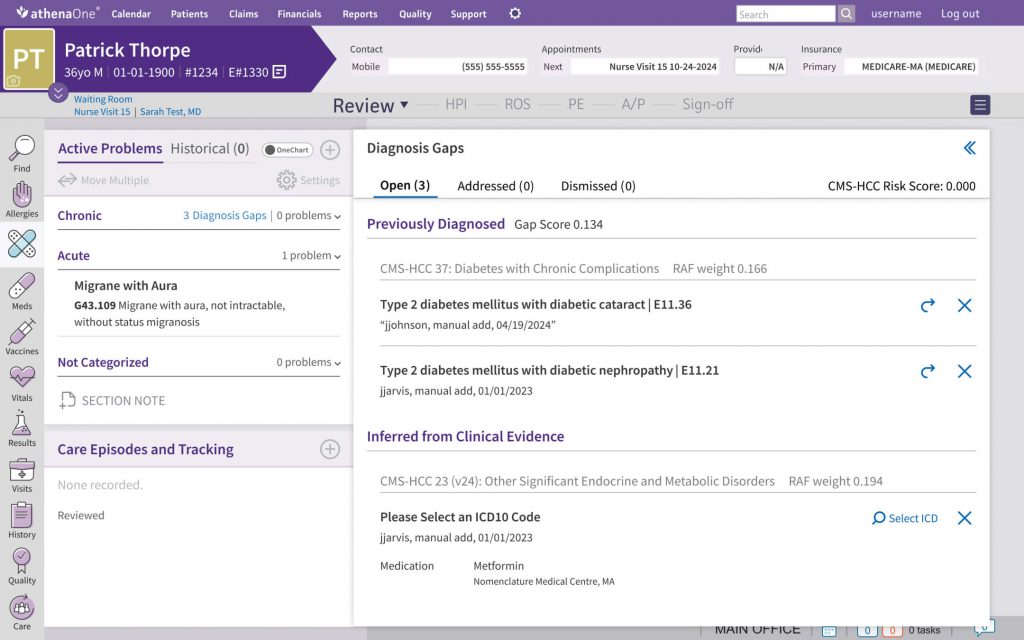
Athenahealth (athenaOne) is a comprehensive EHR platform that combines clinical documentation, scheduling, billing, patient engagement, and care coordination. It can work well for surgical practices looking for a scalable Surgery EHR with broad integrations and connected workflows.
Practices using Athenahealth (athenaOne) can integrate tools like Emitrr to automate appointment reminders, pre-op communication, follow-ups, and patient outreach while keeping communication connected to the EMR workflow.
- eClinicalWorks
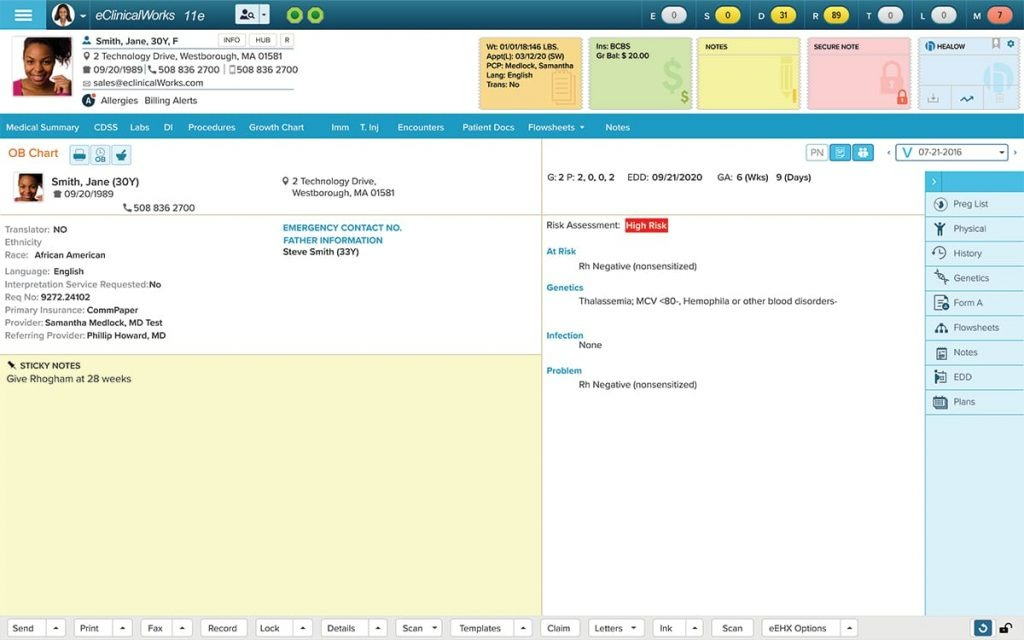
eClinicalWorks offers clinical documentation, scheduling, patient engagement, telehealth, and practice management capabilities across different specialties. Its broad feature set makes it an option for practices looking for an EMR for surgery that can support both clinical and administrative workflows.
Surgical practices can use tools like Emitrr alongside eClinicalWorks to automate reminders, two-way patient texting, confirmations, and follow-up communication while reducing manual outreach.
- AdvancedMD
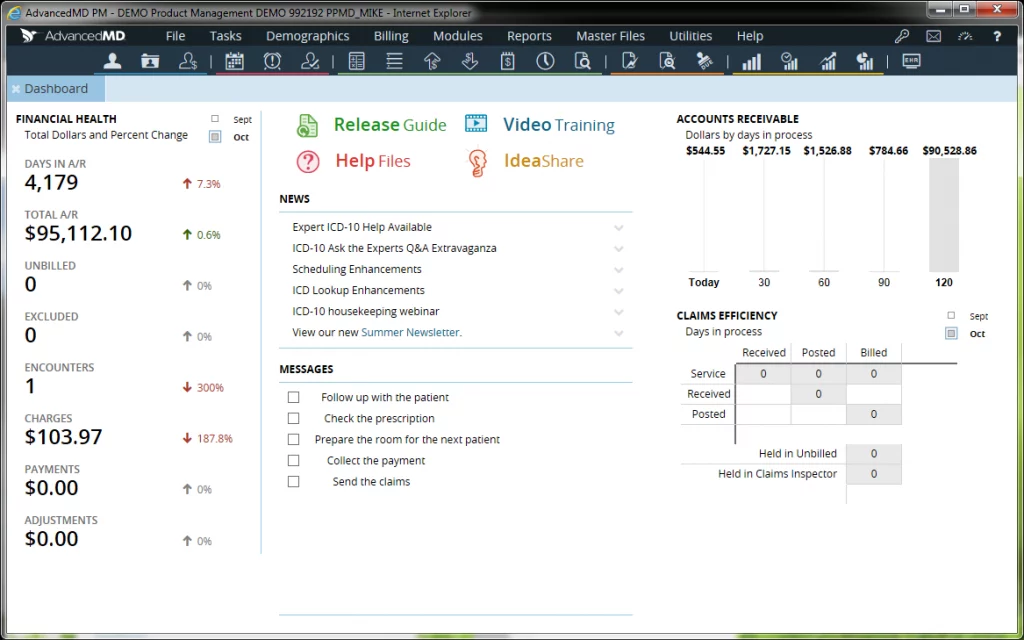
AdvancedMD combines EHR, practice management, scheduling, billing, and patient engagement in one platform. Its integrated approach can make it useful for surgical groups that need a Surgical EMR connected closely with their operational and revenue-cycle workflows.
Practices can pair AdvancedMD with communication tools like Emitrr to automate appointment reminders, confirmations, missed-call follow-ups, and patient messaging around surgical visits.
- Praxis EMR
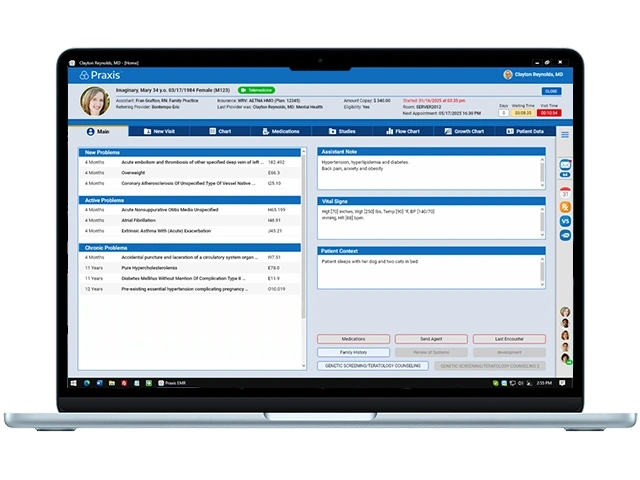
Praxis EMR uses an AI-powered, template-free approach to clinical documentation, allowing physicians to create notes based on their individual workflows. Its flexible documentation model can appeal to surgeons who want an EMR for surgeons that adapts to different clinical documentation needs.
Practices can complement Praxis with tools like Emitrr for automated patient communication, including reminders, confirmations, follow-ups, and other workflows that extend beyond clinical documentation.
- ModMed
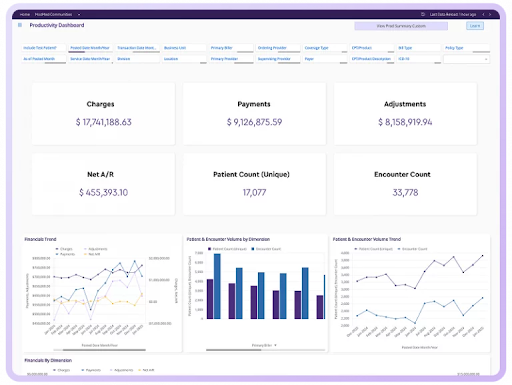
ModMed provides specialty-focused EHR and practice management solutions designed around the workflows of specific medical specialties. For surgical specialties, its specialty-oriented approach can make it a strong option for practices looking for Surgical EMR software with tailored clinical and operational workflows.
Practices using ModMed can add communication automation through platforms like Emitrr to manage reminders, confirmations, two-way texting, and post-visit outreach without relying entirely on manual calls.
- Epic EHR
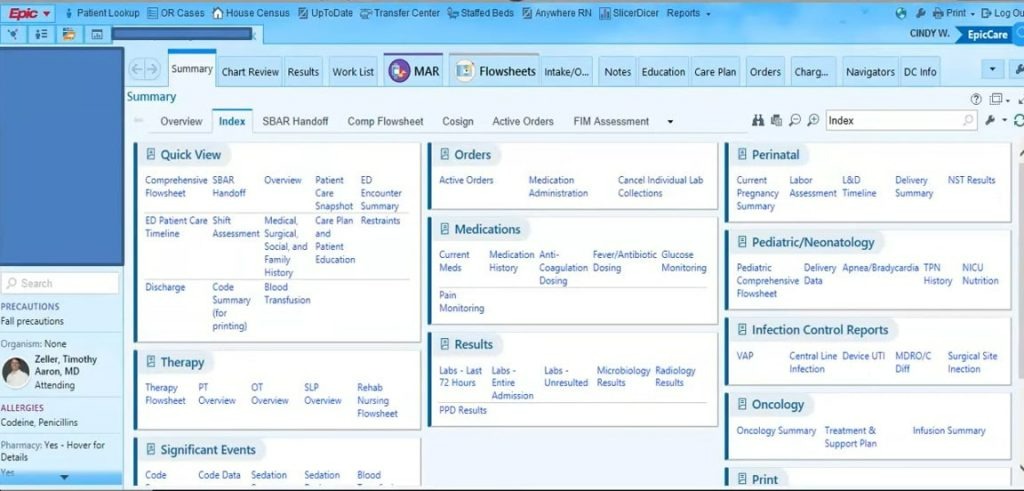
Epic EHR is a large-scale EHR platform used by hospitals, health systems, and large medical groups, with extensive clinical, scheduling, interoperability, and patient engagement capabilities. Its depth makes it a strong candidate for organizations evaluating the Best EHR for Surgery at an enterprise level.
Surgical organizations can use communication platforms like Emitrr alongside Epic to extend patient outreach through automated reminders, two-way texting, follow-ups, and other engagement workflows.
- Practice EHR
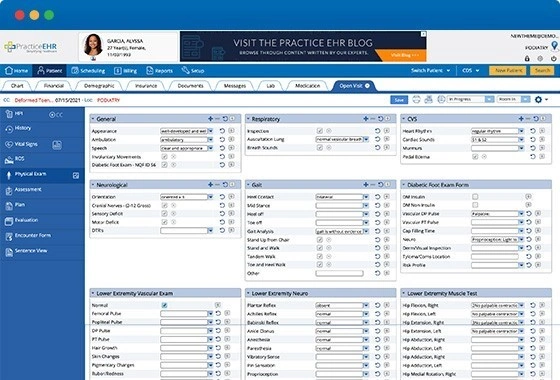
Practice EHR provides cloud-based EHR and practice management capabilities covering clinical documentation, scheduling, billing, and patient management. It can suit practices looking for a straightforward Surgical EHR that combines core clinical and administrative functions.
Practices using Practice EHR can integrate tools like Emitrr to automate patient communication, including appointment reminders, confirmations, follow-ups, and missed-call text-back workflows.
How Emitrr Works Alongside Your Surgery EMR
Emitrr works as a communication and workflow automation layer alongside your EMR for surgery rather than replacing the clinical record. It can connect with supported EHRs and use appointment, patient, and workflow data to automate communication, forms, calls, and follow-ups.
Procedure Communication
Emitrr can automate communication around consultations, pre-op appointments, consent requests, clearance, procedure preparation, arrival instructions, post-op care, and follow-ups. When the EMR exposes the required appointment data, these messages can be triggered from the appropriate surgical workflow.
Surgical Forms
Digital forms can support patient intake, pre-op questionnaires, H&P collection, and consent workflows. When the Surgical EMR supports structured write-back, relevant information can be mapped into EHR fields; otherwise, forms can be delivered securely for document upload or staff review.
Scheduling and Procedure Workflows
Emitrr can connect communication workflows to appointment information when the connected Surgical EHR exposes the necessary scheduling data. If direct procedure booking is not supported, it can collect patient preferences, provide an approved booking path, or create a staff task for follow-up.
AI Voice and Missed-Call Handling
Emitrr AI Voice Agent can answer inbound calls, collect patient information, handle procedure-related questions, route calls, and support configurable outbound workflows. For surgery practices, this can help capture missed calls, assist with scheduling, manage after-hours inquiries, and escalate complex requests to staff.
Two-Way EMR Workflows
The level of automation depends on the connected EMR’s capabilities. Where two-way integrations are available, Emitrr can support actions such as schedule-based texting and workflow updates; with read-only systems, it can use secure links, structured forms, staff workflows, or schedule feeds instead of claiming unsupported EHR write-back.
Secure Patient Communication
Emitrr supports healthcare communication through texting, forms, voice, and secure texting workflows. Practices can use features such as role-based access, secure OTP-based communication, and automated translation while evaluating the specific security controls, BAA, and data flows required for their deployment.
Surgical Workflow Automation
For practices evaluating the Best EMR for surgeons, the value of an automation layer is often in connecting the gaps around the core EHR. Emitrr can help coordinate pre-op reminders, clearance follow-ups, consent collection, missed-call triage, post-op communication, and staff escalations while keeping the Surgical EMR as the system of record.
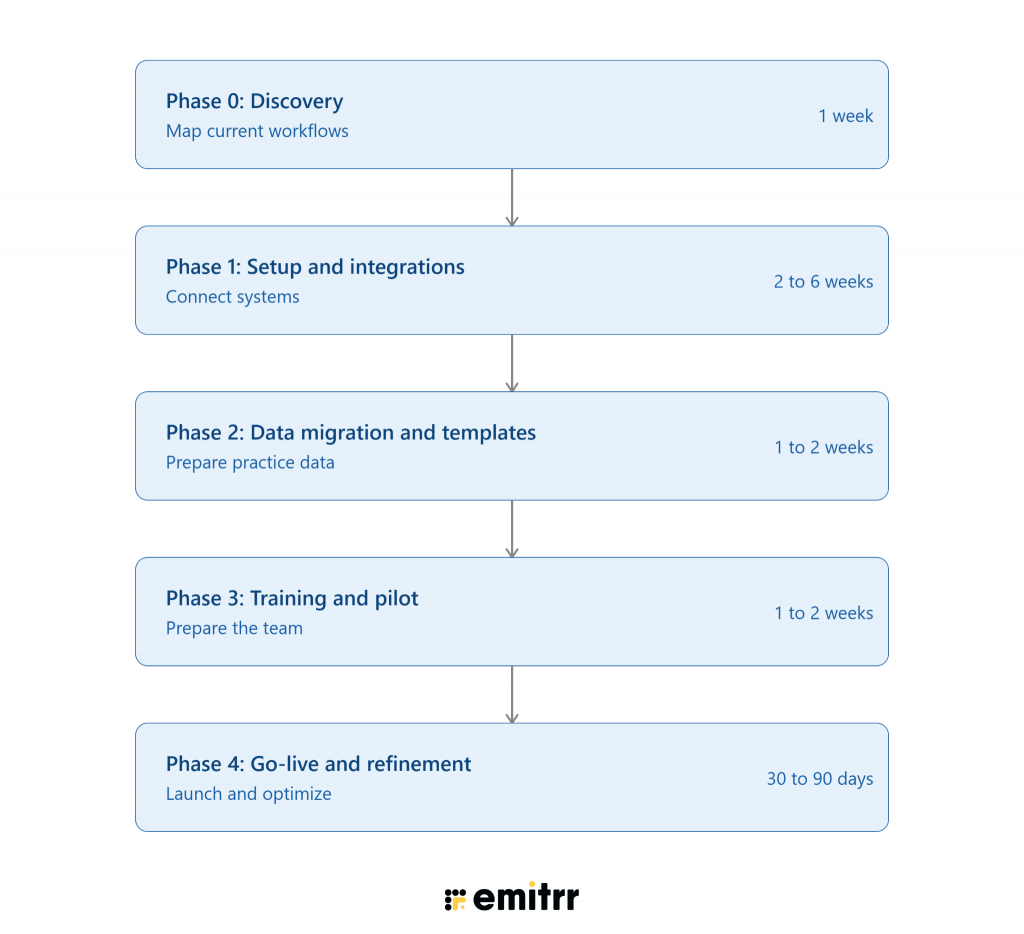
EMR Implementation Roadmap
Key Takeaways
- Choose a surgical EMR around the complete episode of care, not just surgeon documentation.
- Test procedure scheduling separately from ordinary appointment scheduling.
- Verify whether forms create structured EHR data or only PDF attachments.
- Treat API depth as a buying criterion, especially for scheduling and pre-op workflows.
- Pilot the actual referral-to-follow-up process before committing to a full rollout.
FAQs
A surgery clinic should prioritize procedure-specific scheduling, structured clinical documentation, digital consents, pre-op and post-op workflows, referral management, and strong API capabilities. The EMR should also support communication workflows across the full surgical episode.
Some integrations support structured write-back, while others only allow completed forms to be stored as PDF attachments. Before choosing an EMR for surgery, ask the vendor to demonstrate exactly where individual form fields appear after submission.
Not always. Some systems primarily treat procedures like standard appointments, while others can account for procedure duration, surgeon availability, facility resources, block time, preparation requirements, and post-operative scheduling.
Check whether the API supports more than patient and appointment data retrieval. For surgical workflows, verify support for appointment creation, cancellation, rescheduling, provider availability, procedure types, structured form fields, consent status, and other relevant workflow updates.
Only when the EMR and its integration expose the required scheduling actions. An AI tool may collect patient information or recommend a slot without being able to create the actual procedure appointment, so this capability should be tested during evaluation.
The EMR should expose enough appointment and workflow information to trigger relevant communication. Practices can then automate reminders for clearance, testing, consent, preparation, arrival instructions, post-op care, and follow-up appointments.
Automation can still support patient communication and information collection, but actions that require EHR write-back may need a staff handoff. For example, a system can collect booking preferences or form responses and create a task for staff to complete the final EHR action.
Yes, when communication and scheduling workflows are connected. Missed-call capture, AI call handling, patient information collection, follow-up messaging, and staff escalation can help prevent potential surgical patients from being lost between the initial call and consultation.
Emitrr can act as a communication and workflow automation layer alongside the Surgical EHR. Depending on the integration, it can automate reminders, forms, patient messaging, missed-call handling, AI voice workflows, and staff tasks while the EMR remains the clinical system of record.
Conclusion
The best EMR surgery platform is not simply the one with surgical terminology in its marketing. It should support the entire procedural episode, from referral and pre-op preparation through procedure documentation, discharge, and post-op follow-up.
Prioritize surgical documentation, digital consent, clearance workflows, procedure scheduling, resource coordination, and structured interoperability. A vendor demo should answer one practical question: Can the system keep a surgical case moving without forcing staff to rebuild the workflow across disconnected tools?
If communication and workflow gaps remain around your Surgical EHR, Emitrr can help automate patient outreach, reminders, forms, missed-call handling, and follow-ups. Book an Emitrr demo to see how it can work alongside your existing surgical EMR.

 4.9 (400+
reviews)
4.9 (400+
reviews)