

Introduction
Multi-specialty healthcare practices across the US are scaling at a pace the industry has never seen before. New locations, larger provider networks, rising patient volumes, and growing outpatient demand continue to reshape the industry.
Some organizations handle this complexity far better than others.
That raised an interesting question for us: what do the CEOs behind fast-scaling multi-specialty healthcare groups have in common? To find out, we analyzed the backgrounds, leadership journeys, and growth priorities of 20 executives leading some of the most prominent healthcare organizations in the country.
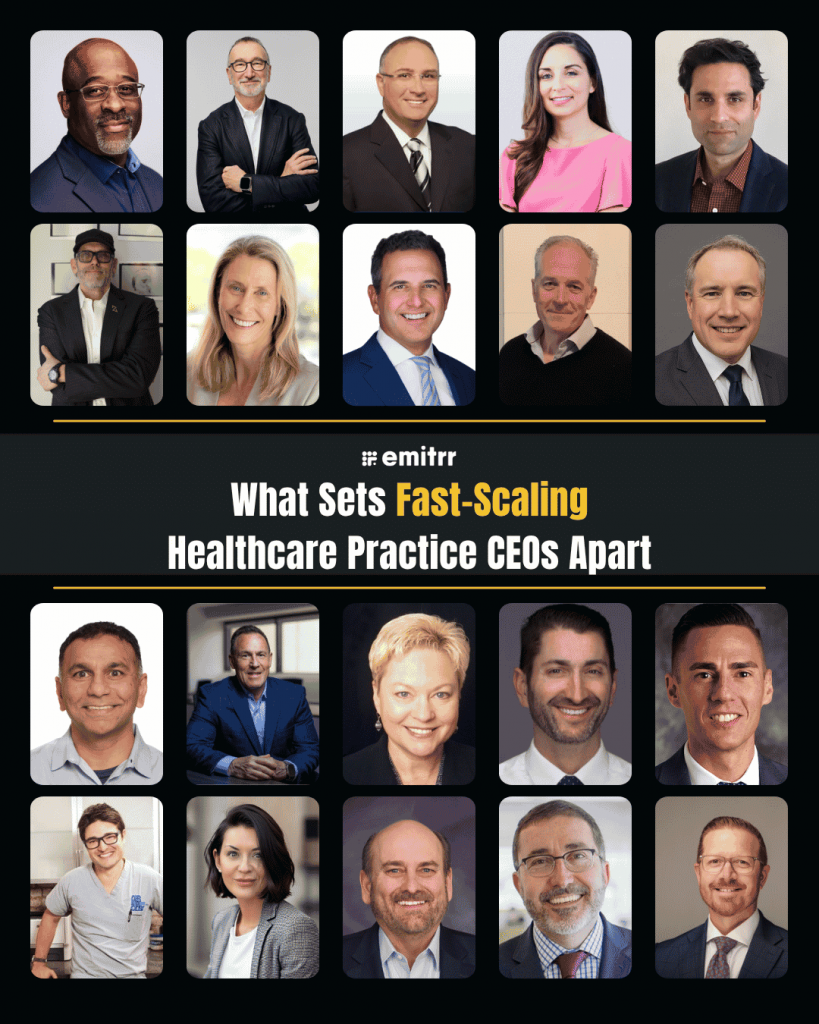
Meet the 20 CEOs Scaling it High
Let’s take a look at the CEOs behind these rapidly growing healthcare practices.
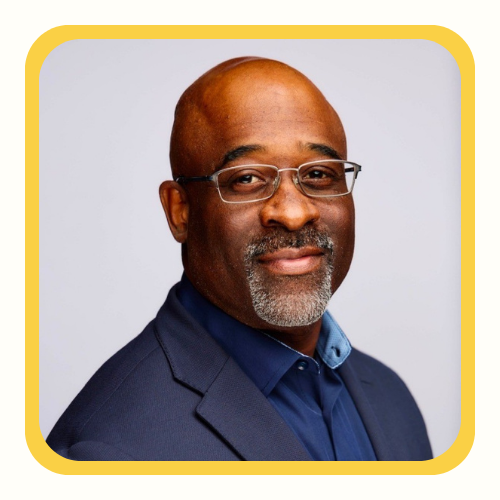
Dr. Imamu Tomlinson
CEO, Vituity; President, Vituity Cares Foundation; Bestselling Author & Podcast Host
Dr. Imamu Tomlinson has led Vituity since 2017, helping expand one of the largest physician-owned healthcare partnerships in the US, which now serves more than 9 million patients annually across 500+ care sites.
🎓 California Coast University
📈 ~24 years in Healthcare
📍 Emeryville, California, United States
🌐 https://www.vituity.com
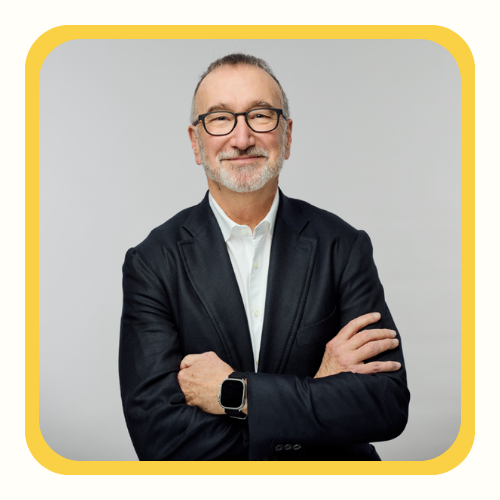
James Hereford
President & CEO, Fairview Health Services; Lean Healthcare Transformation Leader
James Hereford joined Fairview Health Services as President and CEO in 2016 and oversees one of the Midwest’s largest nonprofit healthcare systems with hospitals, specialty clinics, and academic partnerships across Minnesota.
🎓 Montana State University-Bozeman
📈 ~25 years in Healthcare
📍 Minneapolis, Minnesota, United States
🌐 https://www.fairview.org
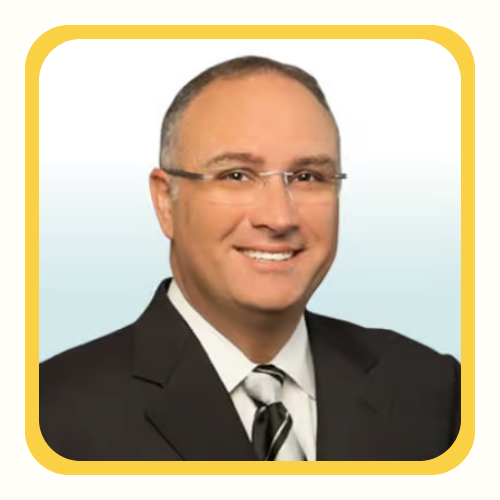
Dr. Daron Diecidue
Founder & CEO, TGH Urgent Care powered by Fast Track; Board-Certified Family Physician
Dr. Daron Diecidue founded Fast Track Urgent Care in 2005. He helped grow it into one of Florida’s largest urgent care networks, now operating across 20+ locations through its partnership with Tampa General Hospital.
🎓 University of South Florida
📈 ~21 years in Healthcare
📍 Tampa, Florida, United States
🌐 https://www.fasttrackurgentcare.com
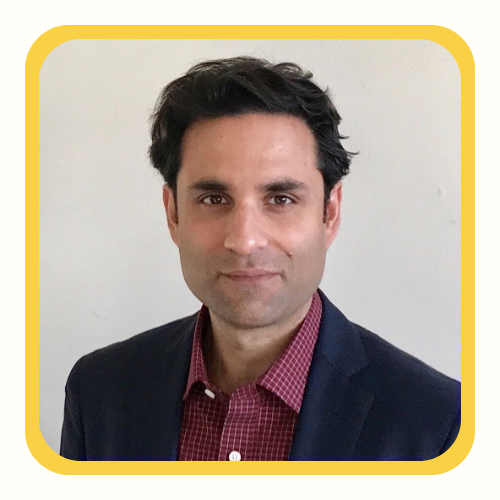
Dr. Basim Khan
CEO, Neighborhood Health; Primary Care Physician; Public Health Advocate
Dr.Basim Khan has led Neighborhood Health since 2015, expanding access to care for more than 42,000 patients across 15 clinics in Northern Virginia, with a strong focus on community healthcare and underserved populations.
🎓 Harvard Kennedy School
📈 ~18 years in Healthcare
📍 Alexandria, Virginia, United States
🌐 https://neighborhoodhealthva.org

Dr. Marlen Trujillo
CEO & Founder, Spring Branch Community Health Center; Community Health Advocate; Public Health Leader
Dr. Marlen Trujillo became the youngest CEO of a Federally Qualified Health Center in Texas at age 27 and now leads a multi-location healthcare organization serving more than 25,000 patients annually across the Houston region.
🎓 UTHealth Houston
📈 ~28 years in Healthcare
📍 Houston, Texas, United States
🌐 https://sbchc.net
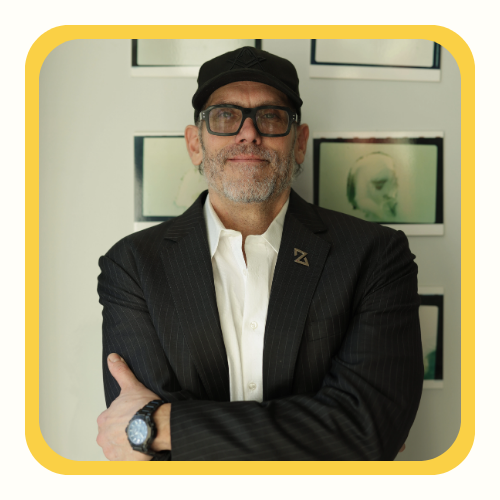
Colin Beatty
Co-founder & CEO, Control Z; Former Co-founder & CEO, Column Health
Colin Beatty previously helped scale Column Health into one of the country’s notable outpatient addiction treatment networks and now leads Control Z, a mental healthcare company focused on psychedelic-assisted therapies.
🎓 Kellogg School of Management, Northwestern University
📈 ~14 years in Healthcare
📍 Boston, Massachusetts, United States
🌐 https://controlzhealth.com
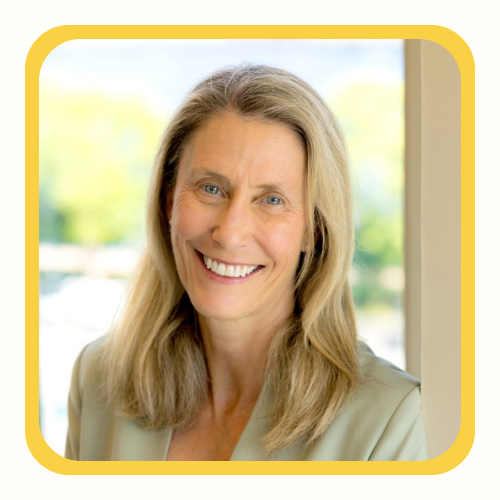
Lori Dwyer
President & CEO, Penobscot Community Health Care; Healthcare Attorney; Community Health Leader
Lori Dwyer joined Penobscot Community Health Care in 2012 and became President & CEO in 2017, overseeing one of Maine’s largest community healthcare systems after building a career across healthcare law, compliance, and organizational leadership.
🎓 The Tuck School of Business at Dartmouth & Geisel School of Medicine
📈 ~26 years in Healthcare
📍 Bangor, Maine, United States
🌐 https://www.pchc.com
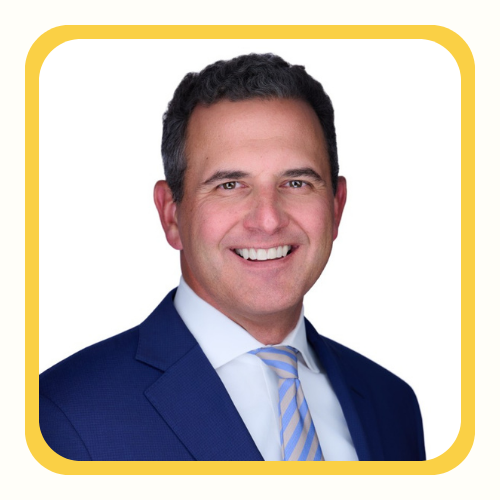
Dr. Grant Rutledge
Founder & CEO, PathPoint Health; Healthcare Growth Executive; Metabolic Health Advocate
Dr. Grant Rutledge leads PathPoint Health, a company focused on metabolic health and chronic disease care. Before founding PathPoint, he spent more than eight years leading healthcare growth and strategy initiatives at HCA Healthcare.
🎓 Harvard Business School
📈 ~21 years in Healthcare
📍 Nashville, Tennessee, United States
🌐 https://pathpointhealth.com
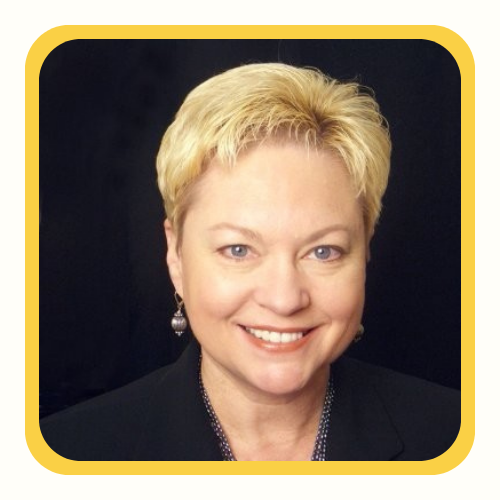
Melaney Linton
President & CEO, Planned Parenthood Gulf Coast; Women’s Health Advocate; Reproductive Healthcare Leader
Melaney Linton has spent nearly four decades at Planned Parenthood Gulf Coast and has led the organization through major operational, legal, and policy changes affecting women’s healthcare access across Texas and Louisiana.
🎓 Texas A&M University
📈 ~38 years in Healthcare
📍 Houston, Texas, United States
🌐 https://www.plannedparenthood.org/planned-parenthood-gulf-coast
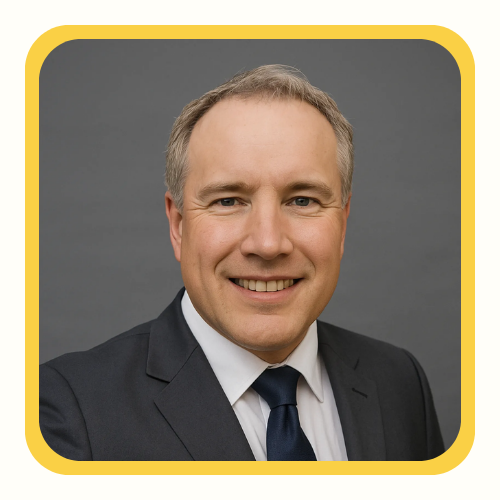
Nathan Moore
President & CEO, MedNOW Clinics; Family Physician; Addiction Medicine Specialist
Dr. Nathan Moore worked across outpatient healthcare in Colorado for more than 20 years, across primary care, urgent care, addiction treatment, and integrated patient services.
🎓 Duke University School of Medicine
📈 ~25 years in Healthcare
📍 Denver, Colorado, United States
🌐 https://mednowclinics.com
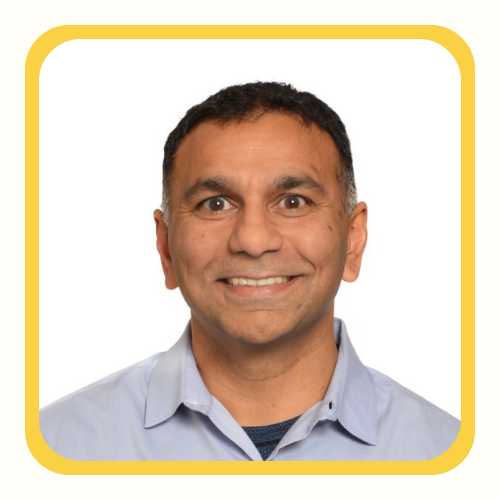
Dr. Rakesh Patel
President & CEO, Neighborhood Healthcare; Family Physician; Healthcare Access Advocate
Dr. Rakesh Patel joined Neighborhood Healthcare in 2010 and now oversees one of the largest community health organizations in Southern California, serving more than 100,000 patients annually across multiple locations.
🎓 Isenberg School of Management, UMass Amherst
📈 ~24 years in Healthcare
📍 Escondido, California, United States
🌐 https://www.nhcare.org
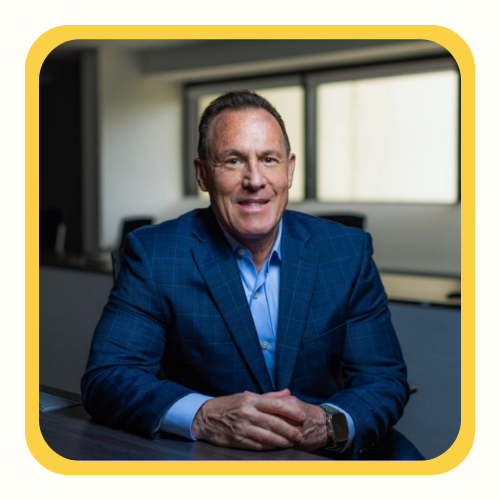
Alan Oliver
Chief Executive Officer, CenterWell Senior Primary Care
Alan Oliver spent more than two decades across healthcare operations and leadership roles, primarily across senior care, value-based healthcare, and multi-location practice expansion.
🎓 Nova Southeastern University
📈 ~26 years in Healthcare
📍 Nashville, Tennessee, United States
🌐 https://www.centerwellprimarycare.com
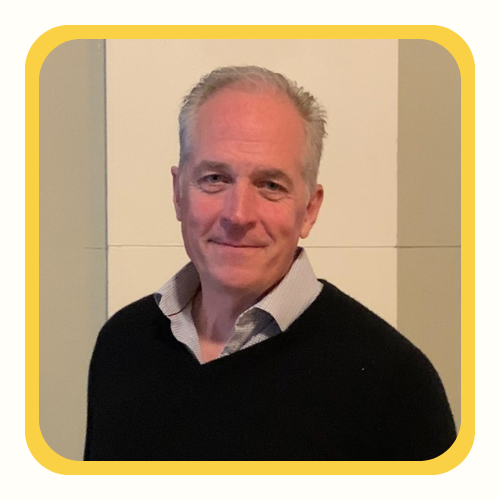
Jeff Fee
Chief Executive Officer, ZoomCare
Jeff Fee joined ZoomCare after years in healthcare leadership roles across hospital systems and outpatient care organizations, helping expand access to convenient, technology-enabled healthcare services.
🎓 Belmont University
📈 ~30 years in Healthcare
📍 Portland, Oregon, United States
🌐 https://www.zoomcare.com
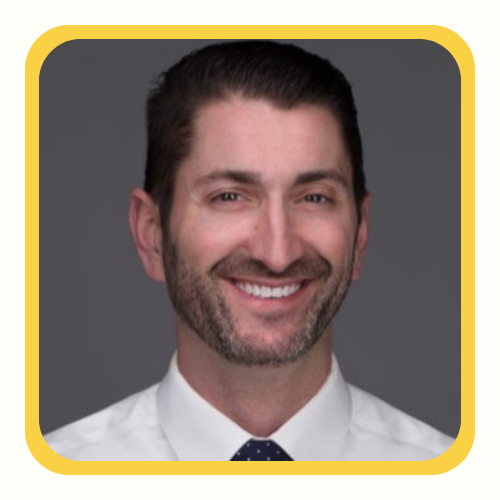
Matthew Galvin
Founder & CEO, Safe Health Systems
Matthew Galvin founded Safe Health Systems to improve patient engagement and digital healthcare access through technology-driven care coordination and remote healthcare solutions.
🎓 University of Florida
📈 ~20 years in Healthcare
📍 Phoenix, Arizona, United States
🌐 https://www.safehealth.me
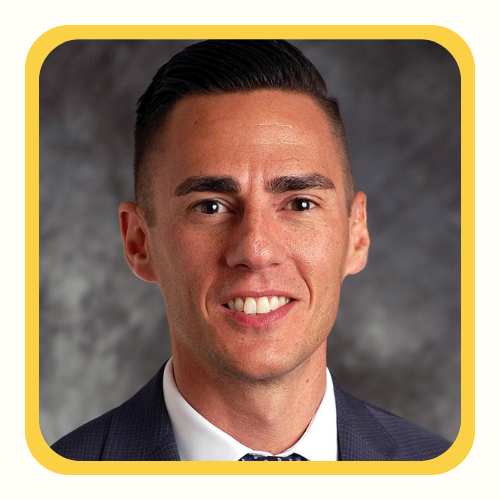
Mark D’Aloisio
Chief Executive Officer, Gastro Health
Mark D’Aloisio spent more than 20 years across healthcare finance, operations, and physician practice management before becoming CEO of Gastro Health, one of the country’s largest gastroenterology networks.
🎓 Arizona State University W.P. Carey
📈 ~21 years in Healthcare
📍 Miami, Florida, United States
🌐 https://gastrohealth.com
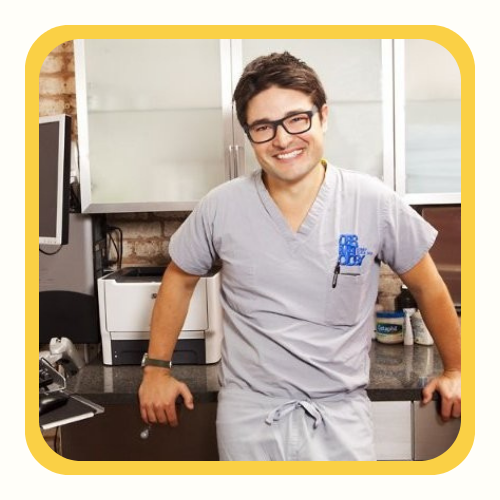
Dr. Robert Buka
Founder & CEO, The Dermatology Specialists; Board-Certified Dermatologist
Dr. Robert Buka founded The Dermatology Specialists and expanded the practice across multiple New York locations by making dermatology care more accessible and patient-friendly.
🎓 Northwestern University Feinberg School of Medicine
📈 ~24 years in Healthcare
📍 New York City, New York, United States
🌐 https://www.thedermspecs.com
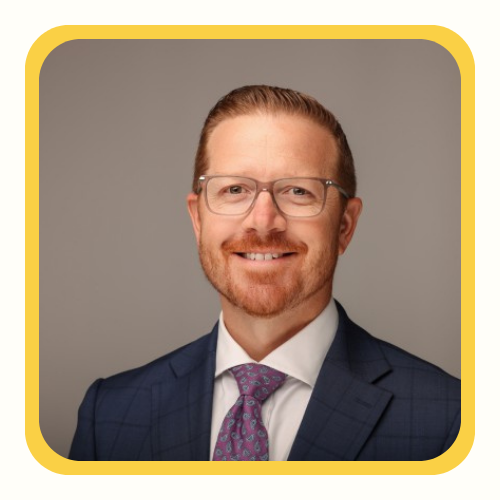
Patrick Sallee
President & CEO, Vibrant Health
Patrick Sallee has served as President & CEO of Vibrant Health since 2011, leading community healthcare programs across Kansas City focused on primary care, behavioral health, and underserved populations.
🎓 University of Missouri-Kansas City
📈 ~22 years in Healthcare
📍 Kansas City, Kansas, United States
🌐 https://vibranthealthkc.org
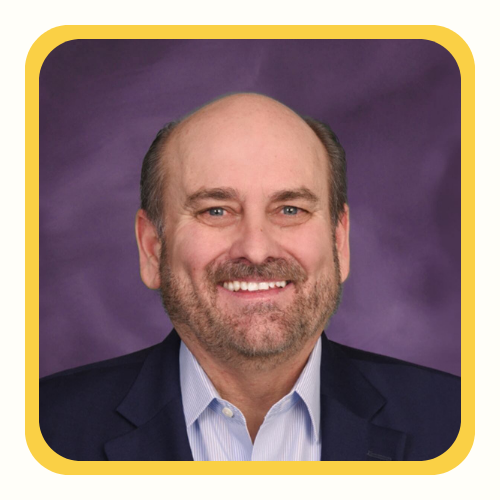
Scott Powers
Chief Executive Officer, Pediatric Associates Family of Companies
Scott Powers spent years leading healthcare operations, home healthcare organizations, and payer systems, later taking on leadership roles at Elara Caring and Pediatric Associates Family of Companies.
🎓 Arizona State University W.P. Carey
📈 ~20 years in Healthcare
📍 Scottsdale, Arizona, United States
🌐 https://www.pediatricassociates.com/
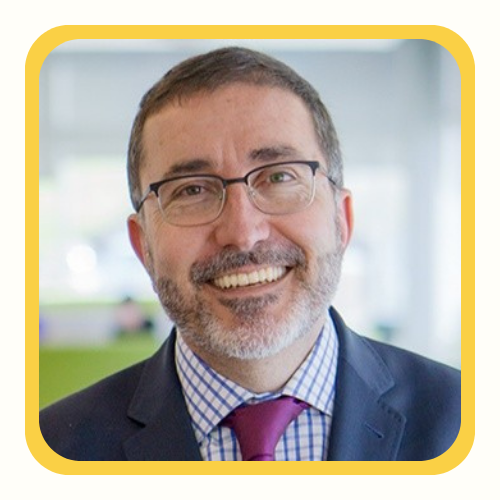
Dr. John Swagert
Chief Executive Officer, Central Ohio Primary Care Physicians
Dr. John Swagert practiced family medicine for more than two decades before stepping into executive leadership at Central Ohio Primary Care, one of the largest physician-owned primary care groups in the US.
🎓 University of Iowa Carver College of Medicine
📈 ~28 years in Healthcare
📍 Columbus, Ohio, United States
🌐 https://www.copcp.com

Ginger Crowe
President & CEO, Helen Ross McNabb Center; Licensed Professional Counselor
Ginger Crowe started her career at the Helen Ross McNabb Center in the 1990s and now leads one of Tennessee’s largest behavioral health and community mental health organizations.
🎓 Argosy University
📈 ~23 years in Healthcare
📍 Knoxville, Tennessee, United States
🌐 https://mcnabbcenter.org
What Their Background & Professional Roots Tell Us
One of the most interesting patterns across these 20 healthcare leaders was how different their career journeys looked on paper, but how similarly their leadership approaches evolved.
Some started as physicians. Others came from law, operations, finance, behavioral health, or community healthcare.
Across the dataset, we found that healthcare organizations consistently value operational credibility, institutional trust, and long-term execution experience when selecting leaders. In fact, 60% of the CEOs analyzed were internal promotions rather than external hires, showing how heavily healthcare organizations prioritize leaders who already understand complex care environments from the inside.
The average leadership experience among all 20 CEOs was nearly 24 years, underscoring that healthcare CEO roles are typically earned after decades of operating experience rather than rapid career jumps.
All the profiles showed that none of these leaders followed a conventional single “CEO path.” Their backgrounds were different, but almost all of them spent years understanding healthcare from the inside before leading organizations at scale.
And some of their career paths were surprisingly unconventional.
For example,
James Hereford (BS & MS in Mathematics, Montana State University) taught mathematics and coached basketball before moving into healthcare operations and eventually becoming President & CEO of Fairview Health Services.
Dr. Marlen Trujillo (PhD, UTHealth Houston School of Public Health; MBA) joined the board of a community health center at just 22 years old and became the youngest FQHC CEO in Texas at age 27.
Dr. Grant Rutledge (MBA, Harvard Business School; BBA in Finance, University of Georgia) worked across consulting, investment banking, and private equity before transitioning into healthcare leadership and founding PathPoint Health.
Interestingly, only 15% had Ivy League exposure, showing that an elite-school pedigree was far less influential than long-term healthcare execution experience.
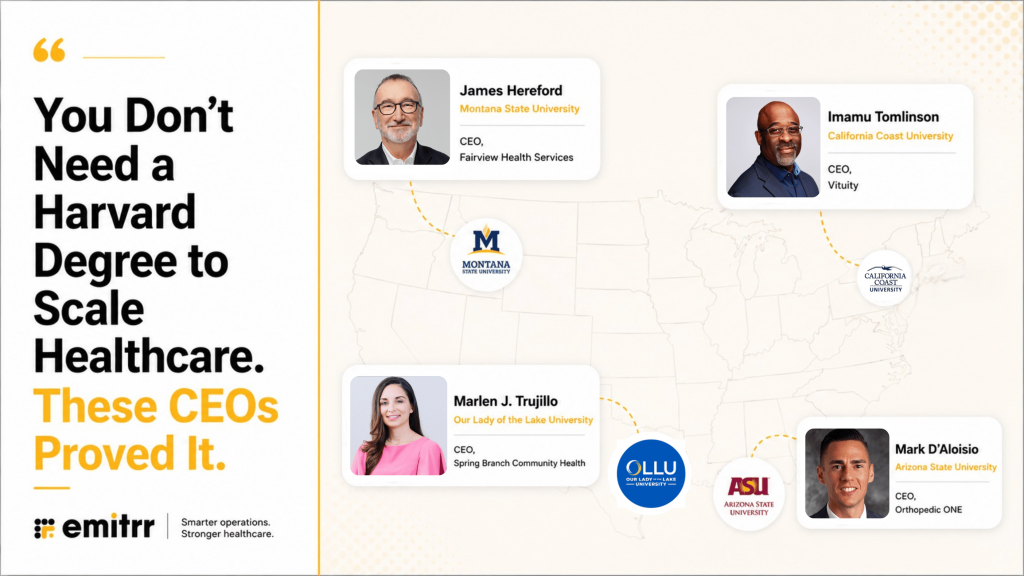
What We Learned: The healthcare leaders who scaled successfully were the ones who spent years understanding patients, operations, and healthcare systems before stepping into the CEO role.
Key Traits We Found Across All CEO Profiles
After analyzing the career paths and skill sets of these healthcare leaders, a few clear patterns showed up repeatedly, regardless of specialty, organization size, or care model.
These were not flashy leadership traits. They were practical decisions, long-term habits, and operational thinking that helped these leaders successfully scale healthcare organizations.
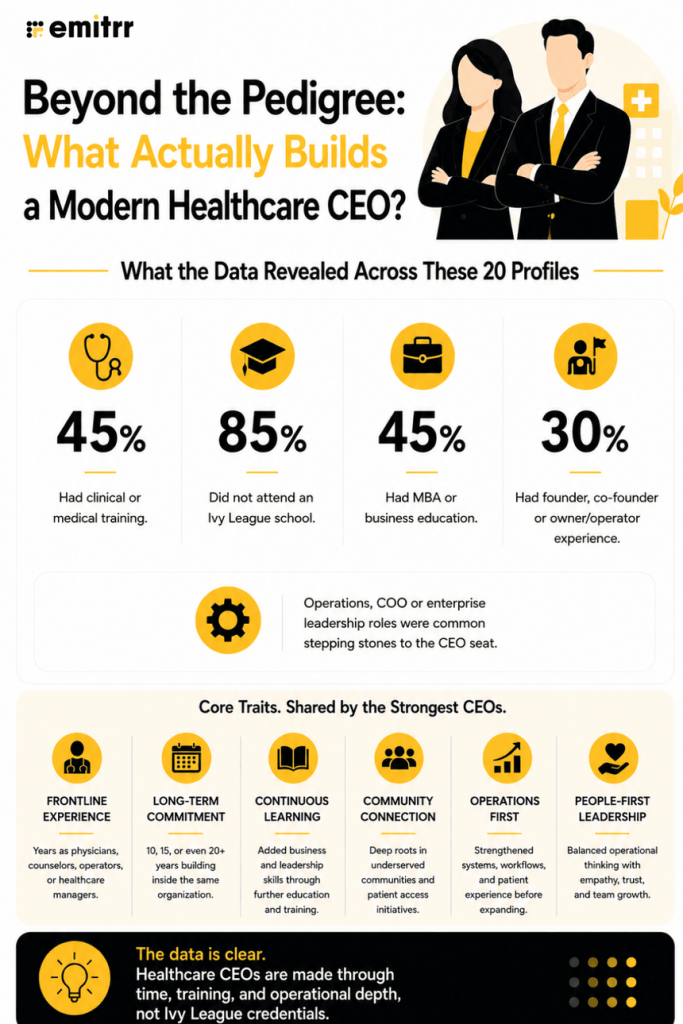
Here’s a quick breakdown of the patterns, leadership backgrounds, and career signals that repeatedly appeared across these healthcare CEO profiles.
| Key Question | The Data | Strategic Insight |
| Are they grown internally? | 12 out of 20 leaders rose from within the organization. | Healthcare favors continuity and institutional knowledge. Leaders seem to grow internally rather than be brought in from the outside. |
| How many years of experience? | Internal promotions average 24.8 years compared to 22.5 years for external hires. | The top job is earned through long-term operational depth. Internal successions require slightly more organizational seasoning. |
| Is an advanced degree required? | 19 out of 20 CEOs hold advanced degrees. Undergraduate majors vary widely (from philosophy to accounting). | Advanced technical or business specialization is a near-universal requirement for enterprise leadership. What they built after their undergraduate degree matters most. |
| Clinical background or MBA? | Balanced split: 9 CEOs have medical/clinical training, and 9 have MBAs or business graduate degrees. | Success favors the clinical leader who expands into enterprise management, or the business operator who develops deep healthcare sector depth. |
| Do they need an Ivy League pedigree? | Only 3 out of 20 CEOs attended an Ivy League school (17 out of 20 did not). | Competence is more important than pedigree. Elite-school credentials are rare and not the dominant differentiator for appointment. |
| What were their previous roles? | Clinical/Medical leadership (5 CEOs) and COOs/Operations (4 CEOs) are the primary previous roles. | Experience in managing the scaling of care delivery systems, clinical standards, and large-scale workflows is the strongest indicator of CEO readiness. |
| Do they have founder roots? | 6 out of 20 CEOs have founder, co-founder, or owner-operator experience. | Entrepreneurial backgrounds are a major hidden theme, highly valued for driving growth and navigation in agile care sectors. |
Conclusion
The most successful healthcare leaders did not grow organizations through shortcuts or rapid expansion alone. They spent years understanding healthcare from the inside, stayed connected to patient needs, and focused heavily on strong systems and long-term thinking.
Even though their backgrounds were diverse, one thing remained consistent among all 20 leaders: they treated healthcare growth as a responsibility, not just a business goal.
For growing practices, that may be the biggest lesson of all.


 4.9 (400+
reviews)
4.9 (400+
reviews)