
Introduction
Most practices don’t go looking for referral intake software because things are running smoothly. They go looking because a referral coordinator quit and nobody else knows how the fax queue works, or because a referring provider called asking why their patient still hasn’t been scheduled three weeks later.
The referral intake software market has grown quickly and in different directions. Some platforms are AI-native tools built specifically to read messy faxes and extract data. Others are patient engagement platforms that added referral features on top of appointment reminders. A few are enterprise modules bolted onto a much bigger EHR suite. That variety makes comparison genuinely difficult, because “best” depends heavily on whether you’re a five-provider outpatient clinic or a 40-location health system.
This guide breaks down 10 referral intake software platforms worth evaluating in 2026, what each does well, and where each tends to fall short, so you can match a platform to your practice rather than picking whichever one shows up first in search results.
AI Summary
- Referral intake software ranges from AI-native document processing tools to patient engagement platforms with referral add-ons to enterprise EHR modules.
- The right fit depends on practice size, referral volume, specialty complexity, and how deeply the tool needs to integrate with your existing EHR or PMS.
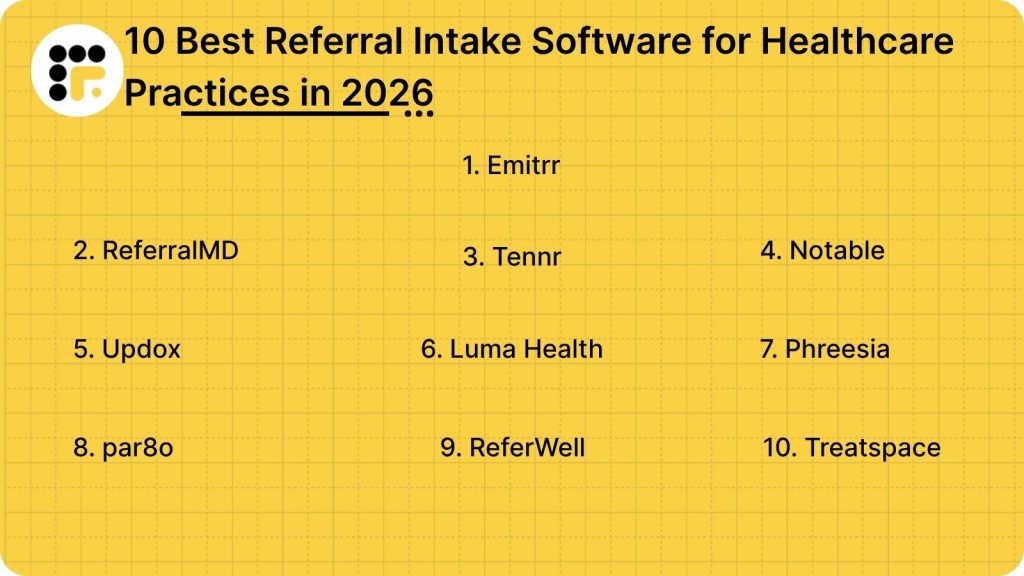
- Emitrr, ReferralMD, Tennr, and Notable lead for AI-driven intake and triage, while Luma Health and Phreesia lean toward broader patient engagement with referral features included.
- par8o, ReferWell, and Treatspace focus more narrowly on routing, network retention, and closed-loop scheduling.
- Independent and multi-location outpatient practices generally get the most value from platforms built around two-way communication and EHR integration, not just fax digitization.
How We Evaluated Referral Intake Software
Referral intake software claims overlap heavily in marketing copy, so we evaluated each platform against the capabilities that determine whether a referral turns into a scheduled visit:
- Omnichannel capture: Can the platform pull referrals in from fax, email, SMS, web forms, and phone into one place, or does it only cover one or two channels?
- AI-based triage, routing, and data extraction: Does the platform read and structure referral data automatically, or does staff still need to transcribe it manually?
- Patient communication and self-scheduling: Can patients confirm receipt, fill in missing details, and book their own appointment without a phone call?
- EHR/PMS integration and write-back: Does referral data flow into the practice’s existing system, and does confirmed scheduling data flow back out?
- Real-time tracking, reporting, and dashboards: Can staff see what’s pending, what’s stalled, and what needs attention without digging through separate tools?
- Security and compliance: Is patient data handled through HIPAA-compliant channels with proper audit trails?
- Fit for independent and multi-location outpatient practices versus enterprise health systems: Some platforms are built for hospital systems with dedicated IT teams. Others are built for practices that need something they can turn on quickly without a six-month implementation.
Referral Intake Software Comparison Table
| Platform | Best For | Channels Covered | AI Triage/Extraction | EHR Integrations | Self-Scheduling | Standout Strength |
|---|---|---|---|---|---|---|
| Emitrr | Independent and multi-location outpatient practices | Fax, email, SMS, phone, web form | Yes | athenahealth, eClinicalWorks, and other major EHRs | Yes | Unified inbox with AI triage and two-way SMS scheduling |
| ReferralMD | Mid-size practices and networks needing closed-loop tracking | Fax, phone, digital channels | Yes | Bidirectional, broad EHR/PMS support | Yes | Referral analytics and leakage monitoring |
| Tennr | Specialty and DME practices with fax-heavy intake | Fax, email, portal | Yes | EHR/PMS dependent on setup | Limited, outreach-focused | Document parsing accuracy on messy faxes |
| Notable | Health systems automating high-volume intake | Fax, phone, digital channels | Yes | Deep EHR integration | Yes | AI Agents that work across intake, scheduling, and outreach |
| Updox | Small practices needing secure fax and messaging | Fax, secure text, patient portal | No | Broad but shallow EHR connections | No native self-scheduling | Simple, affordable secure communication |
| Luma Health | Health systems wanting referrals inside a broader engagement platform | Fax (Fax Transform), SMS | Partial | 70+ EHR/PM systems | Yes | Automated SMS referral outreach and conversion tracking |
| Phreesia | Practices already using Phreesia for intake and check-in | Digital forms, some fax | Limited | Strong intake-side EHR ties | Yes | Intake and eligibility verification, referral as an add-on |
| par8o | Networks and covered entities focused on routing | Digital referral network | Limited | Network-dependent | No | Provider matching and network-retention analytics |
| ReferWell | Organizations closing the loop from authorization to booked visit | Digital, phone | Limited | Payer and provider network integrations | Yes | Scheduling-first closed-loop referral management |
| Treatspace | Practices wanting a dedicated closed-loop referral network | Digital referral network | No | Limited outside its network | No | Consult-report compliance tracking between referring and receiving providers |
The 10 Best Referral Intake Software Platforms
1. Emitrr
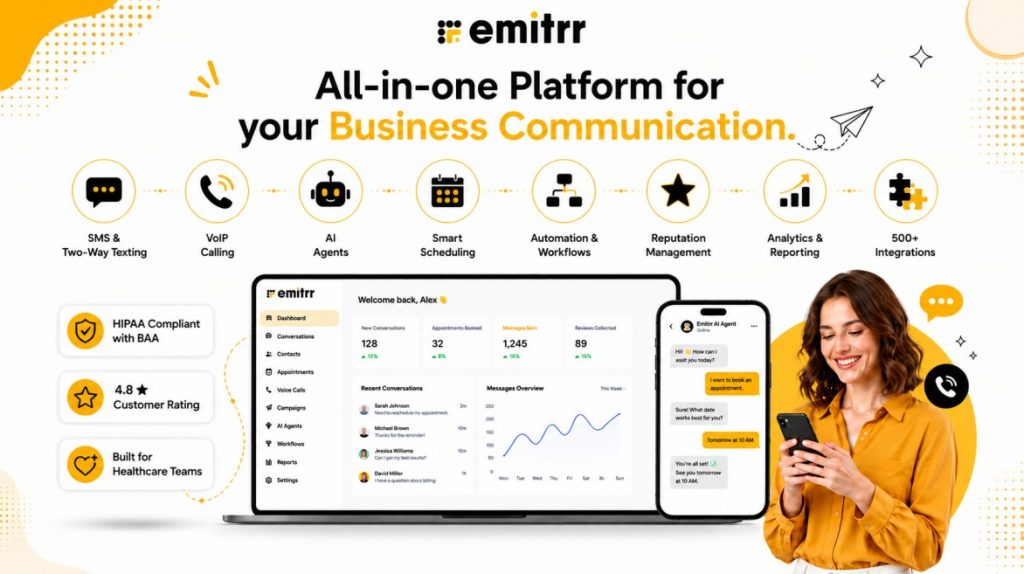
Emitrr is a patient communication and referral intake platform built for independent and multi-location outpatient practices, with particular depth for practices running on athenahealth or eClinicalWorks. Instead of treating referral intake as one module bolted onto a bigger system, Emitrr centers the workflow around a unified inbox and AI-driven patient outreach.
Key features:
- Unified inbox that pulls referrals in from fax, email, phone, SMS, and web forms into one place
- AI-based triage and routing that tags referrals by specialty, urgency, and location without manual sorting
- Two-way SMS confirmation and self-scheduling that lets patients pick a time without a phone call
- Automated eligibility and authorization flagging that routes gaps to staff instead of letting them surface at check-in
- EHR integration, including athenahealth and eClinicalWorks, for chart creation and status write-back
- Dashboards covering referral volume, time-to-first-contact, conversion, and referral-source performance
Best for: Independent and multi-location outpatient practices that want referral intake, patient communication, and scheduling handled inside one platform rather than stitched together from separate tools.
Limitations/considerations: Depth of EHR write-back and availability features depends on which EHR integration is in place, so practices should confirm exact capabilities for their specific system during setup.
Rating: 4.8/5

2. ReferralMD
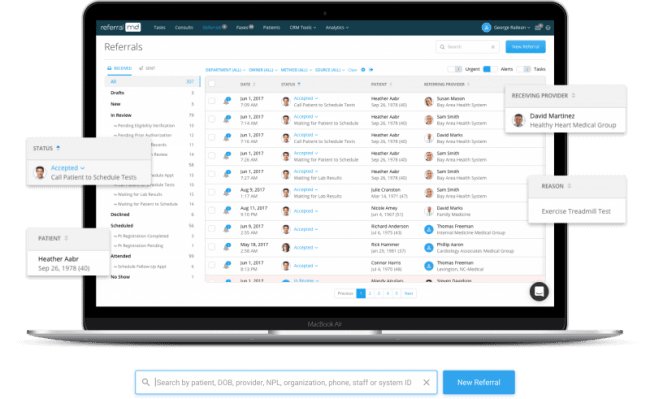
ReferralMD is a dedicated referral management platform built around closed-loop tracking, combining referral intake with a CRM layer for analyzing referral patterns and relationships.
Key features:
- SmartFax OCR and AI-powered routing for fax-based referrals
- Bidirectional EHR/PMS integration for pulling referral orders and pushing confirmations back
- Closed-loop tracking from receipt through scheduling to outcome, reported back to the referring provider
- Referral analytics and leakage monitoring by referring provider
- Secure messaging and automated reminders for patient communication
Best for: Mid-size practices and referral networks that want detailed analytics on referral patterns alongside intake automation.
Limitations: Some of the deeper EHR-embedded workflows are only available on ReferralMD’s Enterprise tier, which can put full functionality out of reach for smaller practices.
Rating: 4.4/5
3. Tennr
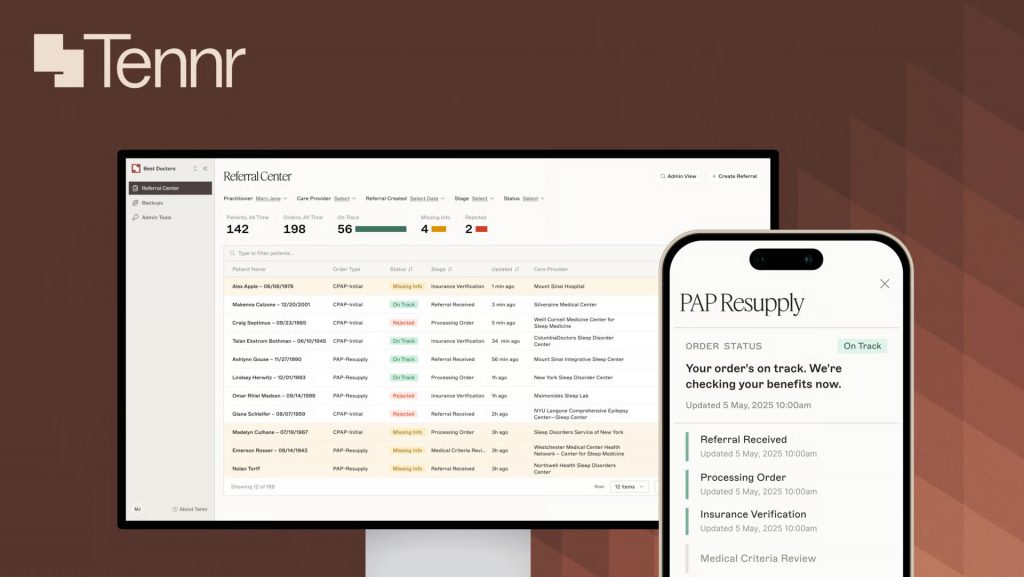
Tennr is an AI document-processing platform focused on reading messy referral faxes, PDFs, and emails and extracting structured data from them. It was built specifically around the “black hole” problem of referrals that arrive as unstructured documents and stall before anyone reviews them.
Key features:
- Proprietary AI model trained specifically on healthcare documents for reading faxed and scanned referrals
- Automatic extraction of patient, clinical, and insurance details into practice systems
- Eligibility and benefits checks alongside referral intake
- Prior authorization workflow support
- Automated patient outreach via SMS, email, or voice once a referral is processed
Best for: Specialty and DME practices with high volumes of fax-based referrals and heavy manual transcription burden.
Limitations: Tennr’s strength is document processing rather than broad patient engagement or self-scheduling, so practices needing rich two-way patient communication may need to pair it with another tool.
Rating: 4.3/5
4. Notable
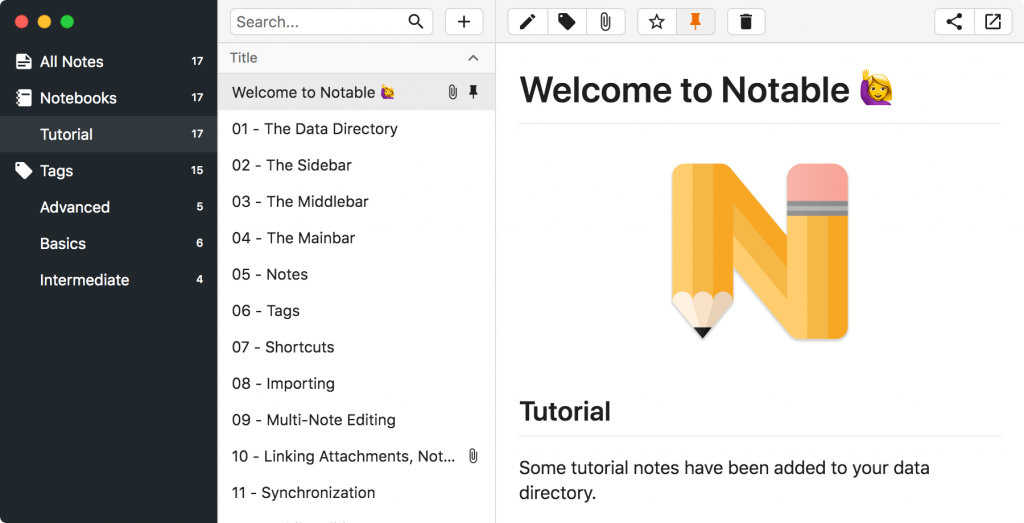
Notable is a broader AI automation platform for healthcare operations, with referral intake as one of several automated workflows alongside registration, prior authorization, and care gap outreach. It’s built around configurable AI Agents rather than a single fixed referral module.
Key features:
- AI Agents that transcribe faxed orders and extract structured data without staff intervention
- Automated patient outreach and self-scheduling once a referral is processed
- No-code workflow builder for customizing automation rules
- Structured and unstructured data handling across EHR and other source systems
- Works across intake, registration, and revenue cycle tasks beyond referrals
Best for: Larger health systems with the internal resources to configure and maintain a flexible, multi-workflow automation platform.
Limitations: The breadth of the platform means implementation and configuration typically require more time and internal IT involvement than a purpose-built referral intake tool.
Rating: 4.3/5
5. Updox
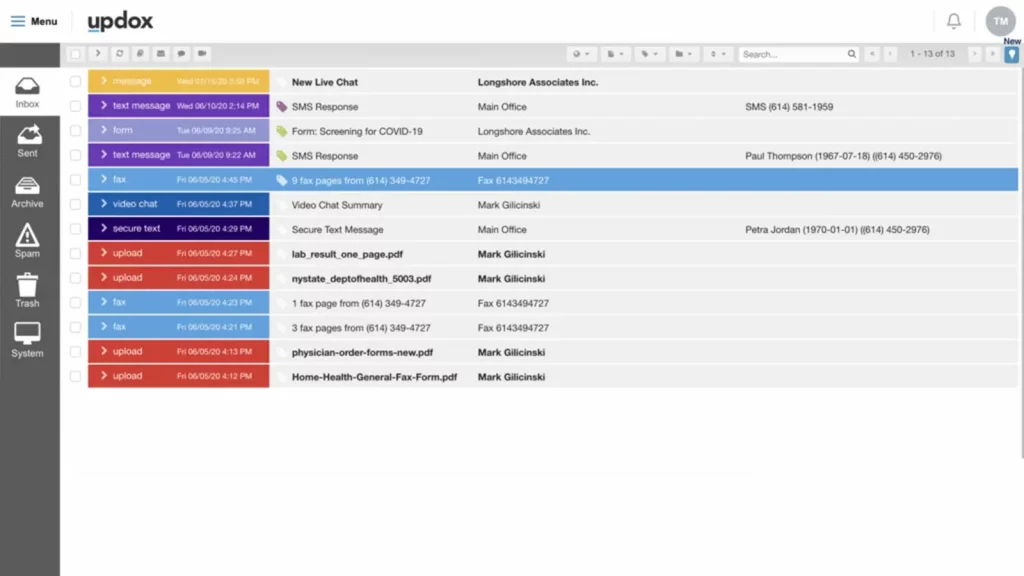
Updox is a communication and document platform built around secure fax, messaging, and patient engagement. Referral handling in Updox largely centers on moving faxed and scanned referral documents through a shared inbox rather than automating data extraction.
Key features:
- HIPAA-compliant eFax that eliminates traditional fax machines
- Secure Direct Messaging for provider-to-provider communication
- Secure texting and broadcast messaging for patient outreach
- Digital forms to replace paper intake
- Broad but shallow integrations across many EHR systems
Best for: Small practices that mainly need to digitize fax and secure messaging without a full referral automation build-out.
Limitations: Updox does not offer AI-based data extraction or native self-scheduling, so referrals still require manual review and follow-up once they arrive.
Rating: 3.9/5
6. Luma Health
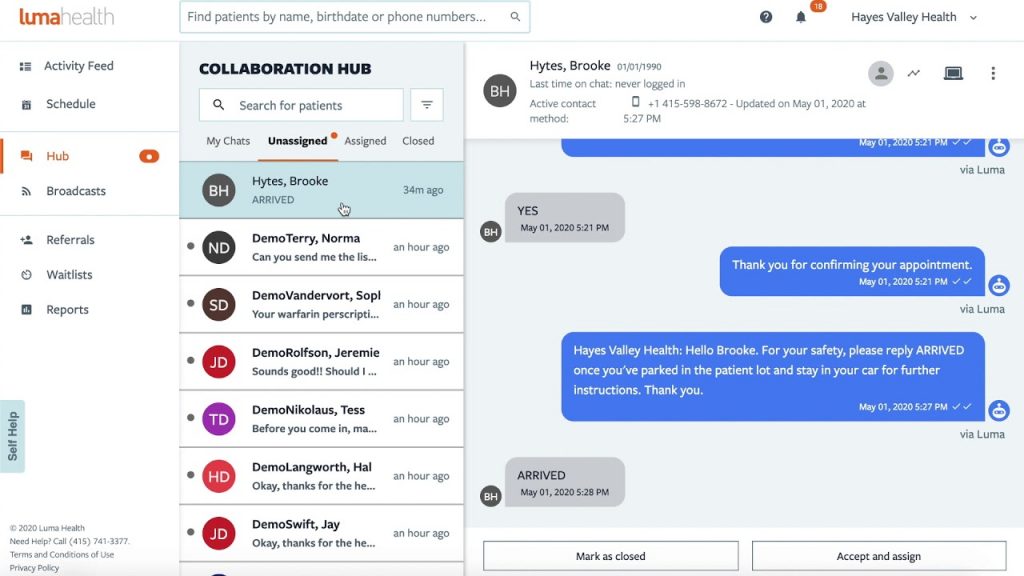
Luma Health is a patient engagement platform that includes referral management as part of a much larger suite covering scheduling, reminders, recalls, and patient communication. Referral outreach in Luma is built around automated SMS that prompts referred patients to self-schedule.
Key features:
- Fax Transform for pulling referral data out of faxed documents
- Automated SMS outreach that prompts referred patients to book without a phone call
- Cadenced reminders for patients who haven’t responded yet
- Integration with 70+ EHR and PM systems, including athenahealth
- Referral status automatically closed in the EHR once an appointment is scheduled
Best for: Health systems already using or considering Luma for broader patient engagement, where referrals are one piece of a larger communication strategy.
Limitations: Referral-specific analytics and triage logic are less specialized than purpose-built referral platforms, since referrals are one module within a much wider product.
Rating: 4.2/5
Explore more: If Luma Health is on your shortlist, see how it stacks up against other Luma Health alternatives or dig into Luma Health pricing to understand the investment.
7. Phreesia
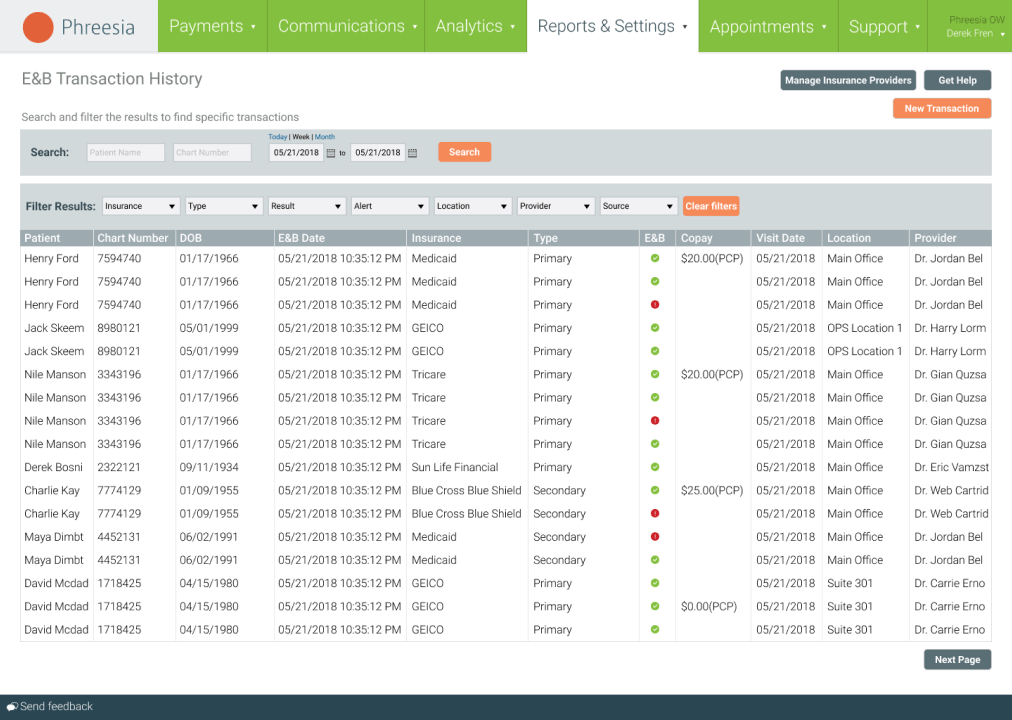
Phreesia is best known for patient intake and check-in, with referral management available as an add-on rather than the platform’s core focus. Practices already running Phreesia for registration and eligibility verification can extend it to referrals without adding a separate vendor.
Key features:
- Referral organization and prioritization tools
- Digital intake forms tied to registration and eligibility checks
- Patient communication for referral outreach
- Strong eligibility verification at the point of intake
Best for: Small to mid-size practices already using Phreesia for check-in that want light referral coordination without a separate platform.
Limitations: Referral management isn’t Phreesia’s core competency, and practices with complex, high-volume referral coordination needs often find the referral features thinner than a dedicated tool.
Rating: 3.8/5
Explore more: Evaluating Phreesia? Compare its strengths and trade-offs with Phreesia alternatives or see what you can expect to pay with Phreesia pricing.
8. par8o
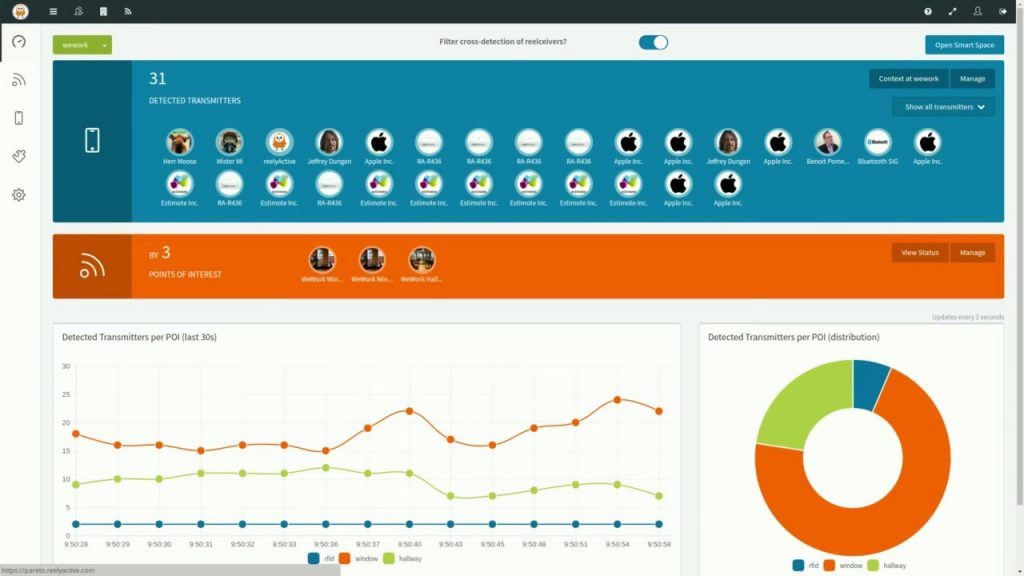
par8o focuses on referral routing and provider matching within a network, helping health systems and covered entities direct referrals to the right specialist and keep patients in-network.
Key features:
- Provider matching and routing logic across a referral network
- Network-retention analytics to identify leakage points
- Referral tracking across participating providers
Best for: Health systems and covered entities primarily concerned with routing referrals correctly and reducing out-of-network leakage.
Limitations: The hands-on work of intake, such as chasing missing records, benefits checks, and registration, tends to sit outside par8o’s core focus, so it typically pairs with another tool for that layer. par8o has also recently changed ownership, so practices evaluating it should confirm the current product roadmap.
9. ReferWell
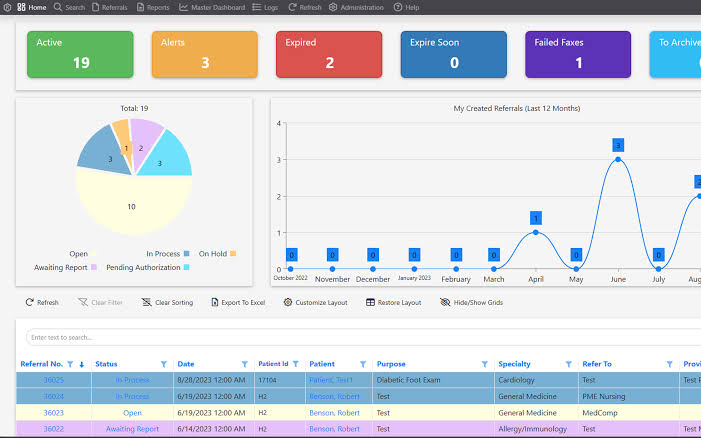
ReferWell approaches referral management from the scheduling end, built around the idea that a referral only matters once it becomes a kept appointment. Its ReferWell Connect platform orchestrates the process from prior authorization through completed visit.
Key features:
- Closed-loop tracking from referral creation through completed appointment
- Prior authorization support built into the referral flow
- Real-time scheduling against in-network provider rosters
- Works with both provider organizations and health plans
Best for: Organizations that want referral management tightly coupled with scheduling and in-network provider matching, particularly those working with payer relationships.
Limitations: Document intake and fax digitization are lighter than platforms built specifically around parsing incoming referral paperwork.
Rating: 4.0/5
10. Treatspace
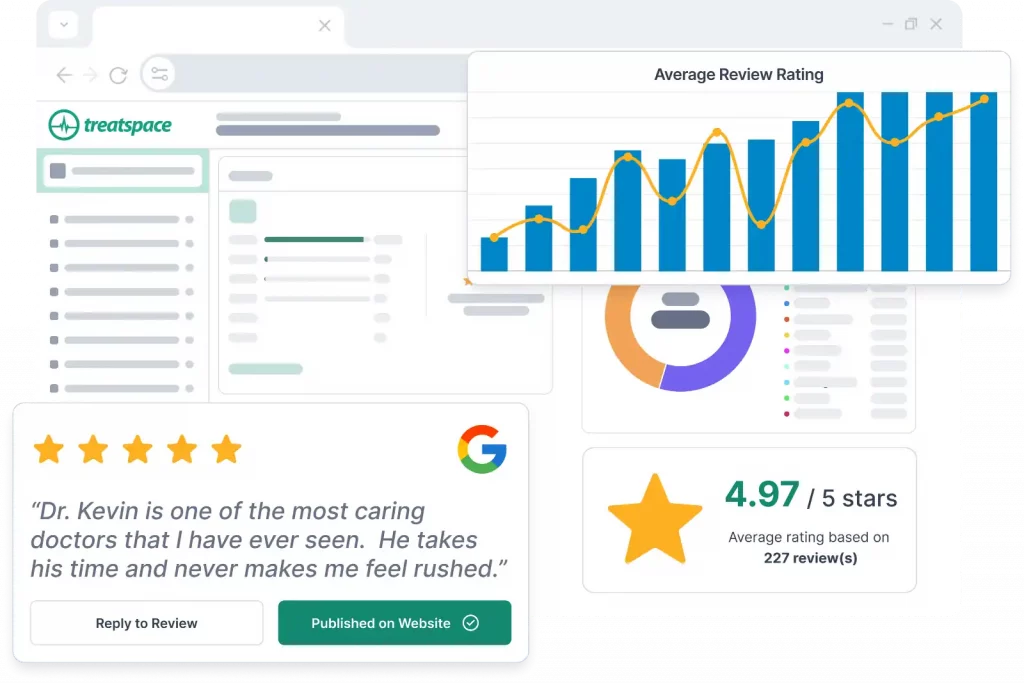
Treatspace is a dedicated referral network platform that connects referring and receiving clinicians, with a focus on ensuring patients get appointments and receiving consult reports back once care is delivered.
Key features:
- Referral tracking across a network of connected clinicians
- Consult report compliance tracking between referring and receiving providers
- Reduced administrative time spent chasing referral status manually
- Unified platform bringing multiple caregivers together for follow-up visibility
Best for: Practices that want a dedicated closed-loop referral network with strong emphasis on consult-report return rather than broad intake automation.
Limitations: Integrations outside Treatspace’s own network are more limited, and it does not offer AI-based document extraction for incoming faxes.
Rating: 3.9/5
Referral Intake Software vs. Manual Intake: Why It’s Worth Switching
The case for referral intake software usually comes down to three numbers: staff time per referral, response speed, and conversion rate.
| Area | Manual Intake | Referral Intake Software |
|---|---|---|
| Staff time per referral | 10 to 20 minutes | Often under 2 minutes |
| First response speed | Same day or delayed | Immediate or near-instant |
| Referral tracking | Spreadsheets or memory | Real-time dashboard |
| Referral completion | Dependent on staff availability | More consistent, automated follow-up |
Manual intake doesn’t fail because staff isn’t capable. It fails because every step depends on someone remembering to do it, and busy practices don’t have the bandwidth to catch every gap. Software closes that gap by making receipt confirmation, missing-info follow-up, and non-responder tracking automatic rather than optional.
How to Choose the Right Referral Intake Software for Your Practice
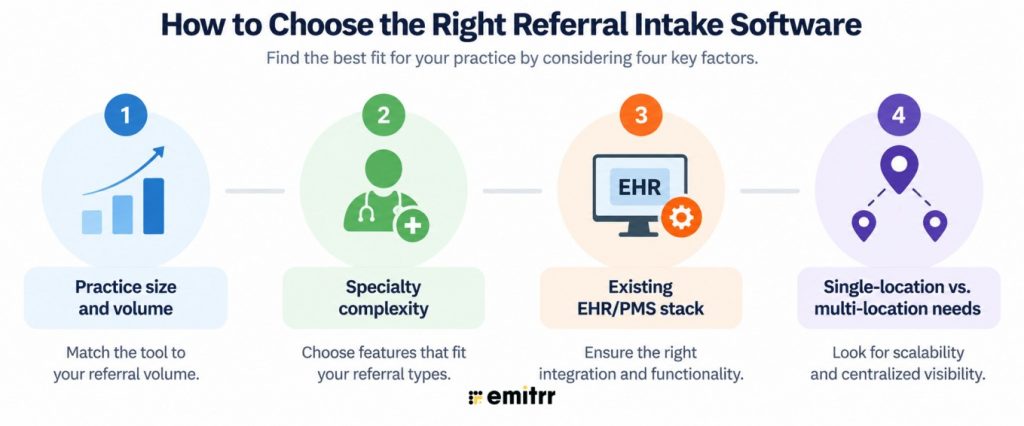
By practice size and volume: A single-location practice handling a few dozen referrals a month has very different needs than a group processing hundreds weekly. Lighter-volume practices can often get by with simpler tools, while higher volume justifies AI-based triage and extraction.
By specialty complexity: Specialties with heavy documentation requirements, such as orthopedics or oncology, benefit more from platforms with strong document parsing. Specialties with simpler referrals may prioritize patient communication and scheduling speed instead.
By existing EHR/PMS stack: Integration depth varies a lot between platforms and even between EHRs within the same platform. Confirm exactly what write-back and availability functionality is supported for your specific EHR before committing, since marketing pages often describe integration more broadly than what’s actually live for every system.
By single-location vs. multi-location needs: Multi-location practices need centralized visibility across sites, standardized workflows, and reporting that rolls up by location. A tool built for a single front desk may not scale cleanly once a second or third location is added.
Key Takeaways
- Referral intake software ranges from AI-native document processors to broader patient engagement platforms with referral features, and the right choice depends on what your practice actually struggles with.
- Platforms with strong AI triage and extraction, such as Emitrr, ReferralMD, Tennr, and Notable, reduce manual data entry the most.
- Patient engagement platforms like Luma Health and Phreesia are strong if referrals are one piece of a broader communication strategy.
- Network-focused tools like par8o, ReferWell, and Treatspace are better suited to routing and closed-loop tracking than full intake automation.
- EHR integration depth varies significantly between platforms, so always confirm specific capabilities for your system before choosing.
FAQs
Referral intake software is a platform that captures referrals from multiple channels, verifies patient and clinical details, and moves them toward scheduling, often with automation for triage, patient outreach, and status tracking.
Prioritize omnichannel capture, AI-based data extraction, patient self-scheduling, real EHR integration for your specific system, and real-time tracking. Security and HIPAA compliance should be table stakes, not a differentiator.
It can be, especially if referral volume is high enough that phone tag and manual data entry are eating into staff time. Smaller practices should look for platforms that are quick to implement without heavy IT involvement.
Integration typically ranges from basic document attachment to full bidirectional sync, where referral data flows in and confirmed appointments flow back out automatically. The depth of that integration varies by platform and by which EHR you use, so it’s worth confirming specifics before signing a contract.
Emitrr combines omnichannel referral capture, AI triage, two-way SMS patient communication, and EHR integration, including athenahealth and eClinicalWorks, in one platform built specifically for independent and multi-location outpatient practices, rather than as an add-on to a broader enterprise suite.
Conclusion
There isn’t a single best referral intake software for every practice, but there is a best fit for your practice’s size, specialty, and existing systems. Practices that want referral intake, patient communication, and scheduling handled in one connected platform tend to get the most value from a tool like Emitrr, while practices with narrower needs may find a more specialized platform is enough.
Book a demo to see how Emitrr handles referral intake for practices like yours.

 4.9 (400+
reviews)
4.9 (400+
reviews)