
Introduction
A neurology practice rarely operates within the boundaries of a single facility. A patient’s care may involve a hospital, imaging center, diagnostic facility, and outpatient clinic, requiring neurologists to access complete and timely information across multiple locations. An EMR for neurology must support this connected care model while handling the detailed histories, neurological examinations, diagnostic results, and patient communication that are central to neurological care.
Neurology also brings a unique communication challenge. A family member reporting a seizure, a patient describing new weakness or confusion, and a routine refill request may all arrive through the same phone line, but they cannot be handled with the same urgency. This makes safety-aware call routing, efficient documentation, and reliable access to clinical information especially important when evaluating a neurology EMR.

Unlike a general primary care system, a strong neurology EHR should support complex diagnostic and imaging workflows, multi-facility scheduling, detailed neurological documentation, and communication workflows that help route potentially urgent concerns appropriately. This guide covers the key challenges specific to neurology practices, the features that matter most, how leading systems compare, and what to evaluate before choosing neurology EMR software.
AI Summary
- The defining neurology EMR requirement is coordinating scheduling, imaging results, and clinical history across multiple facilities (hospitals, imaging centers, outpatient clinics), not managing a single-site practice.
- The most significant blocker is safety-sensitive call and message routing, since neurology generates a meaningful volume of calls describing new or worsening symptoms that need to reach clinical staff faster than a routine administrative request.
- Transcription and documentation support is the most operationally important feature category, given how detailed and time-consuming neurological histories and exams are to document manually.
- Integration diligence should focus on whether imaging and results data actually flows into the chart from outside facilities, or whether staff must manually retrieve and attach it.
- Practices should weigh multi-site coordination and API depth for scheduling and results integration more heavily than generic ambulatory feature lists, since these areas carry the most safety and efficiency risk in neurology specifically.
Which EMR for Neurology Is Right for You? TL;DR
| EMR | Best Suited For | Key Strengths | Potential Consideration |
| AdvancedMD | Independent and multi-provider neurology practices | Cloud-based EHR, customizable templates, scheduling, billing, patient engagement | Specialty-specific workflows and integrations should be validated for complex neurology needs |
| Praxis EMR | Practices seeking flexible documentation | AI-powered adaptive clinical documentation | May require workflow configuration to achieve the desired documentation experience |
| PrognoCIS | Practices needing an integrated clinical and administrative platform | EHR, scheduling, billing, telemedicine, and patient engagement | Broader functionality may require more setup and training |
| Epic | Large health systems and complex specialty practices | Comprehensive clinical capabilities and interoperability | Implementation can be more complex for smaller independent practices |
| ModMed | Specialty practices seeking integrated practice management | Specialty-focused EHR, scheduling, billing, and patient engagement | Practices should evaluate specialty workflow fit and implementation requirements |
| Greenway Health | Independent and specialty medical practices | Clinical, administrative, and revenue cycle capabilities | Feature depth and configuration should be evaluated against practice needs |
| DrChrono | Practices seeking a flexible cloud-based platform | EHR, scheduling, billing, telehealth, and patient engagement | Practices should assess whether its configuration supports their neurology workflows |
What Makes an EMR Right for Neurology?
Neurology’s operational complexity concentrates in two places most other outpatient specialties don’t face together: coordination across multiple physical locations for a single patient’s care, and a documentation and communication burden where getting the triage wrong carries real clinical risk. A patient calling to report new numbness or a change in seizure frequency needs to reach clinical judgment quickly, not sit in the same queue as a routine appointment confirmation. And a neurological history, family history, symptom timeline, and exam findings across multiple systems takes real time to document well, which is why transcription and AI-assisted documentation tools matter more here than in many specialties. The right EMR treats multi-facility results integration and safety-sensitive communication routing as core requirements, not features to configure around after the fact.
Key Barriers for Neurology Practices
Multi-facility scheduling that a single-site calendar cannot represent
Neurology care often spans a hospital, an imaging center, and the outpatient clinic, sometimes for the same patient within a short window. If the EHR’s scheduling model assumes a single site, coordinating a patient’s care across these locations becomes a manual, phone-and-fax process rather than something the system supports directly. Practices should verify whether the EHR can represent and schedule across multiple affiliated facilities in one coherent view.
Imaging and results communication that requires manual retrieval rather than automatic chart integration
Neurology depends heavily on imaging (MRI, CT) and diagnostic testing (EEG, EMG) that is frequently performed at a separate facility. If results do not flow into the chart automatically, staff must manually track down and attach reports and images, which delays clinical decision-making and creates a real risk of a result being missed or delayed. Practices should verify current, facility-specific integration status for imaging and results data, not assume general interoperability claims cover their specific referral and imaging partners.
High call volume with safety-sensitive triage requirements
Neurology generates a meaningful volume of long, detailed calls- a caregiver describing a seizure, a patient reporting new or worsening symptoms- that need to be triaged correctly and quickly. If the practice’s phone system and EHR do not support structured, safety-aware call routing, a call describing a genuinely urgent symptom risks being treated with the same priority as a routine administrative request. Practices should verify what call triage and escalation workflow actually exists, whether native to the EHR or through a connected system.
Transcription burden without adequate AI or dictation support
Neurological exams and histories are often long and detailed, covering symptom timelines, family history, and multi-system exam findings, which makes transcription and documentation time a real burden if the EHR does not offer strong dictation or AI-assisted documentation support. Practices should evaluate any AI transcription or summarization tool directly for accuracy on neurology-specific terminology and content, rather than assuming general medical transcription tools translate well to this specialty’s documentation needs.
Complex billing across multiple facility types and procedure categories
Neurology billing spans standard E&M coding, procedure codes for diagnostic testing (EEG, EMG, nerve conduction studies), and sometimes facility-based billing when care crosses hospital and outpatient settings. If the EHR’s billing tools do not handle this complexity well, denials and reconciliation errors increase. Practices should verify how the system handles billing across these different visit and procedure types.
Must-Have EMR Features for Neurology
- Neurology-specific documentation templates: Speeds charting for detailed neurological histories and exams across common conditions such as epilepsy, migraine, MS, and stroke.
- EEG and EMG integration: Imports electrodiagnostic data and results directly into the chart, reducing manual transcription and supporting longitudinal review.
- Imaging and diagnostic test integration: Brings MRI, CT, EEG, and EMG results into the patient record for easier clinical review and care coordination.
- Seizure and epilepsy tracking: Captures seizure frequency, type, triggers, medication history, and treatment outcomes for longitudinal epilepsy management.
- Stroke documentation tools: Supports structured NIHSS scoring, acute stroke protocols, treatment timestamps, and quality reporting requirements.
- Cognitive assessment tools: Enables digital cognitive testing, automated scoring, and longitudinal tracking for dementia and other neurological conditions.
- Movement disorder documentation: Supports UPDRS, tremor, gait, medication response, and DBS programming documentation for movement disorder care.
- Headache and migraine tracking: Integrates headache diaries, MIDAS scores, treatment response, and migraine procedure documentation into the clinical workflow.
- Multiple sclerosis monitoring: Tracks EDSS scores, relapses, MRI findings, and disease-modifying therapy monitoring over time.
- AI-assisted documentation: Reduces the documentation burden created by detailed neurological histories, examinations, and follow-up notes.
- Multi-facility scheduling: Coordinates appointments across hospitals, imaging centers, outpatient clinics, and other neurological care locations.
- Safety-aware call triage and routing: Routes symptom-related calls toward appropriate clinical staff while separating urgent concerns from routine administrative requests.
- Referral intake management: Helps organize and route the high volume of referrals received from primary care physicians and other specialists.
- Multilingual patient communication: Supports follow-up communication and care instructions for patients who prefer languages other than English.
- Complex billing and coding support: Handles E&M, procedure, and facility-based coding across the varied services provided by neurology practices.
- Secure results communication: Enables documented communication of MRI, CT, EEG, EMG, and other diagnostic results to patients.
- Reporting and analytics: Tracks referral conversion, scheduling efficiency, diagnostic workflows, and operational performance across neurology practices.
Best EMRs for Neurology: Detailed Analysis
- AdvancedMD
- Praxis EMR
- PrognoCIS
- Epic
- ModMed
- Greenway Health
- DrChrono
| EMR | Clinical Documentation | Practice Management | Patient Engagement | Integration & Connectivity | Scalability |
| AdvancedMD | Customizable templates, e-prescribing, clinical notes | Scheduling, billing, RCM, reporting | Patient portal, reminders, secure messaging | APIs, lab and imaging integrations | Cloud-based, multi-location support |
| Praxis EMR | Adaptive, AI-supported documentation | Practice workflow support | Supports connected patient workflows | Integration capabilities vary by setup | Flexible across different practice environments |
| PrognoCIS | Structured electronic clinical documentation | Scheduling, billing, and practice management | Telemedicine and patient engagement | Cloud-based connectivity | Suitable for practices with broader operational requirements |
| Epic | Extensive clinical documentation and care-management capabilities | Enterprise-level operational support | Patient-facing engagement capabilities | Strong interoperability and health-system connectivity | Well suited to complex and large organizations |
| ModMed | Specialty-oriented clinical workflows | Integrated scheduling and revenue cycle tools | Patient engagement features | Integration options support connected workflows | Designed to scale with specialty practices |
| Greenway Health | EHR-based clinical documentation | Practice management and revenue cycle support | Patient engagement functionality | Supports connected clinical and administrative workflows | Suitable for independent and specialty practices |
| DrChrono | Cloud-based clinical documentation | Scheduling, billing, and practice management | Telehealth and patient engagement | Cloud-based integrations and connectivity | Flexible for different practice sizes |
Best EMRs for Neurology: Detailed Analysis
1. AdvancedMD
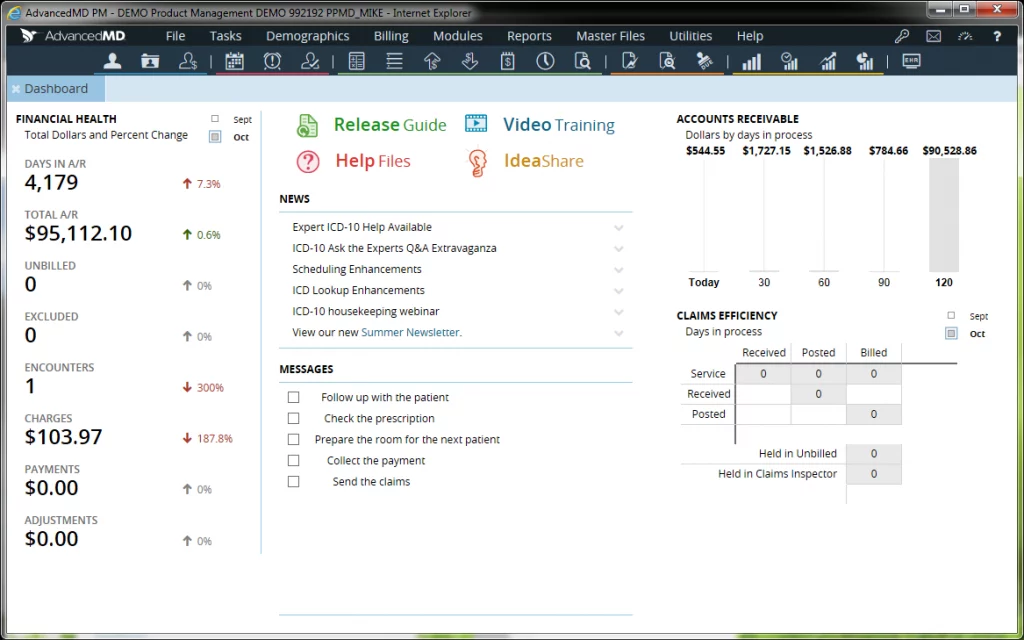
AdvancedMD is a cloud-based EHR and practice management software that offers neurology-specific templates for conditions such as epilepsy, migraines, dementia, Parkinson’s disease, ALS, and stroke. It also supports customizable documentation, lab and imaging integrations, e-prescribing, clinical alerts, quality reporting, and multi-location scheduling.
With AdvancedMD, practices can use Emitrr to automate appointment reminders, follow-ups, recalls, and patient notifications. This can help neurology teams reduce repetitive communication while keeping outreach connected to their existing workflows.
2. Praxis EMR
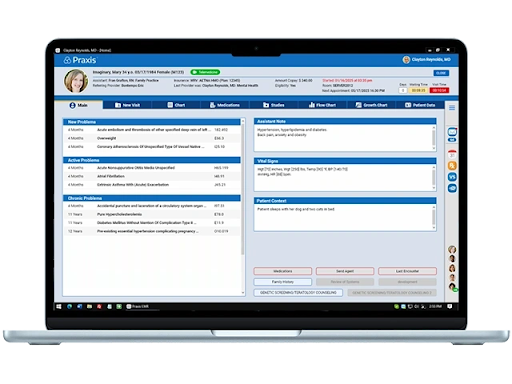
Praxis EMR is an AI-powered EHR that uses adaptive clinical documentation to help physicians create notes based on their individual workflows. Its flexible documentation approach can make it an option for practices evaluating neurology EMR software that want to reduce repetitive charting.
With Praxis EMR, practices can use Emitrr to automate appointment reminders, follow-ups, referral outreach, and patient notifications. This can help neurology teams reduce manual communication while keeping patient outreach aligned with their workflows.
3. PrognoCIS
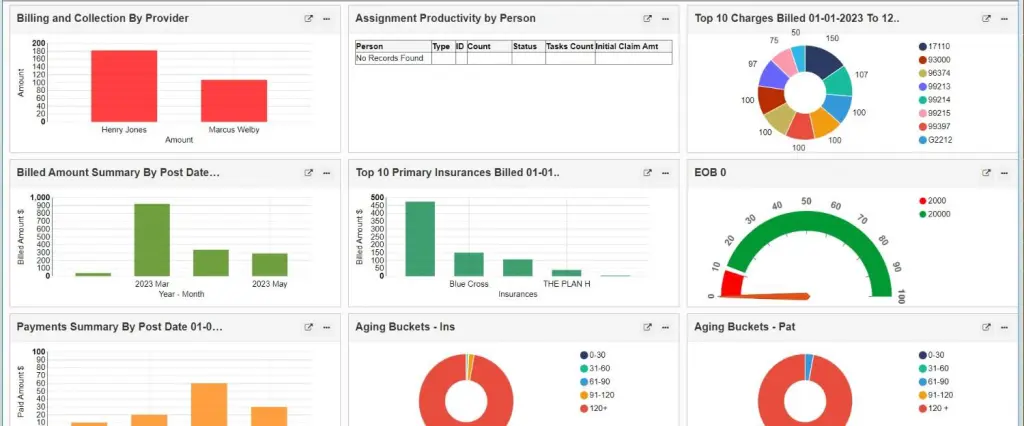
PrognoCIS is a cloud-based EHR and practice management platform that supports clinical documentation, scheduling, billing, telemedicine, and patient engagement. Its broad functionality makes it an option for practices looking for neurology EHR software that combines clinical and administrative workflows.
With PrognoCIS, practices can use Emitrr to automate appointment reminders, confirmations, recalls, and two-way patient communication. This can help neurology practices maintain consistent outreach while reducing administrative workload.
4. Epic
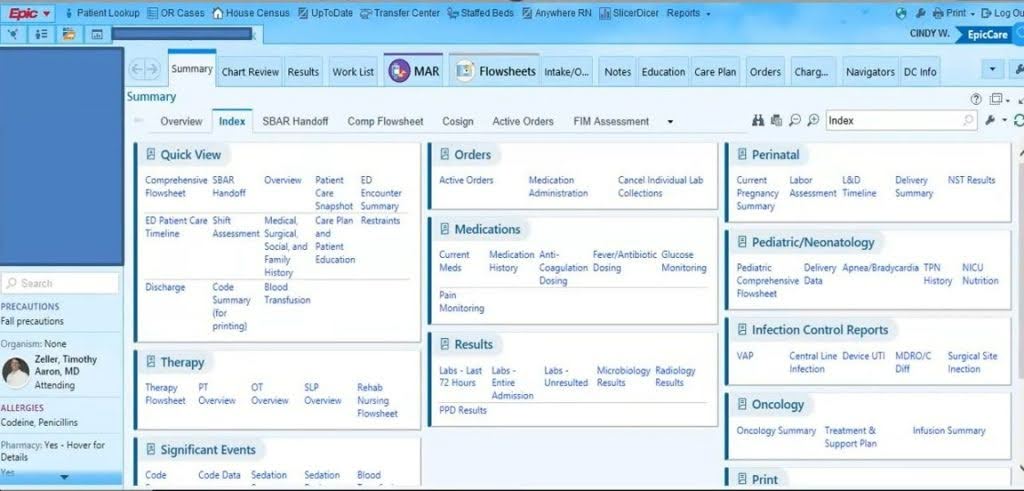
Epic is a comprehensive EHR platform used by healthcare organizations ranging from hospitals to specialty practices. Its extensive clinical capabilities and interoperability make it a relevant option for larger practices evaluating a neurology EHR that needs to support complex care coordination.
With Epic, practices can use Emitrr to support appointment reminders, patient outreach, follow-ups, and other communication workflows. This can help neurology teams extend patient communication while keeping their existing EHR in place.
5. ModMed
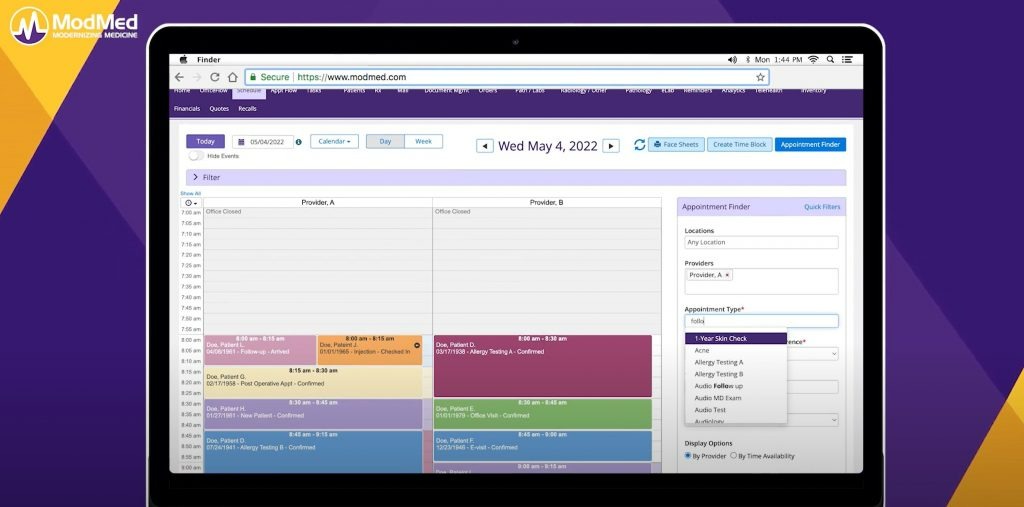
ModMed is a specialty-focused EHR and practice management platform designed to support clinical documentation, scheduling, billing, and patient engagement. Its specialty-oriented approach can make it worth considering for practices evaluating an EMR neurology solution with integrated practice management capabilities.
With ModMed, practices can use Emitrr to automate appointment reminders, confirmations, follow-ups, and patient notifications. This can help neurology teams reduce manual outreach and maintain consistent patient communication.
6. Greenway Health

Greenway Health provides EHR and practice management solutions designed to support independent and specialty medical practices. Its combination of clinical, administrative, and revenue cycle tools makes it an option for practices comparing neurology EMR systems.
With Greenway Health, practices can use Emitrr to streamline appointment reminders, recalls, follow-ups, and two-way messaging. This can help neurology practices improve communication efficiency without replacing their existing EHR.
7. DrChrono
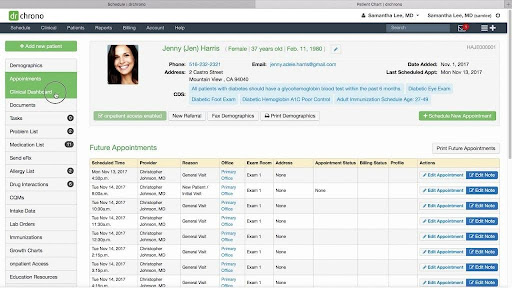
DrChrono is a cloud-based EHR and practice management platform offering clinical documentation, scheduling, billing, telehealth, and patient engagement tools. Its flexible platform can be considered by practices looking for a neurology EMR software solution that supports both clinical and operational workflows.
With DrChrono, practices can use Emitrr to automate reminders, confirmations, recalls, and follow-up communication. This can help neurology teams reduce repetitive calls and keep patients engaged throughout their care journey.
How Emitrr Works Alongside Your Neurology EMR
- AI call triage: AI voice agents can answer routine questions, collect referral or prescription refill information, and route symptom-related calls to staff for appropriate review.
- Multi-site scheduling: EHR and calendar integrations can sync appointment information across facilities, helping teams coordinate scheduling and reduce cross-site communication gaps.
- Transcription and call logging: Call recordings, transcripts, and AI summaries can help document lengthy patient conversations, with staff review before information is used for clinical decisions.
- No-show and patient recall automation: Automated workflows can trigger follow-ups for missed appointments, routine recalls, and ongoing care needs without requiring staff to manually track every patient.
- Referral intake: Structured forms and AI-assisted intake can collect referral details before staff review the complete records and enter information into the neurology EMR.
- Safety-aware routing: Workflows can flag calls containing predefined symptom or risk indicators and route them to human staff rather than allowing automated systems to make clinical decisions.
- Multilingual communication: Two-way SMS and AI agents can support routine communication in multiple languages, with human review available for clinically sensitive information.
- Two-way SMS and secure communication: HIPAA-compliant messaging and secure portal links can support appointment communication, follow-ups, forms, and PHI-sensitive information.
- EHR connectivity: Integrations with platforms such as Athena, eClinicalWorks, Tebra, DrChrono, and others can support schedule and contact synchronization, with write-back available where the specific integration permits it.
- Missed-call to text: Automatically turns missed calls into text conversations, helping neurology practices respond to patients without relying entirely on voicemail callbacks.
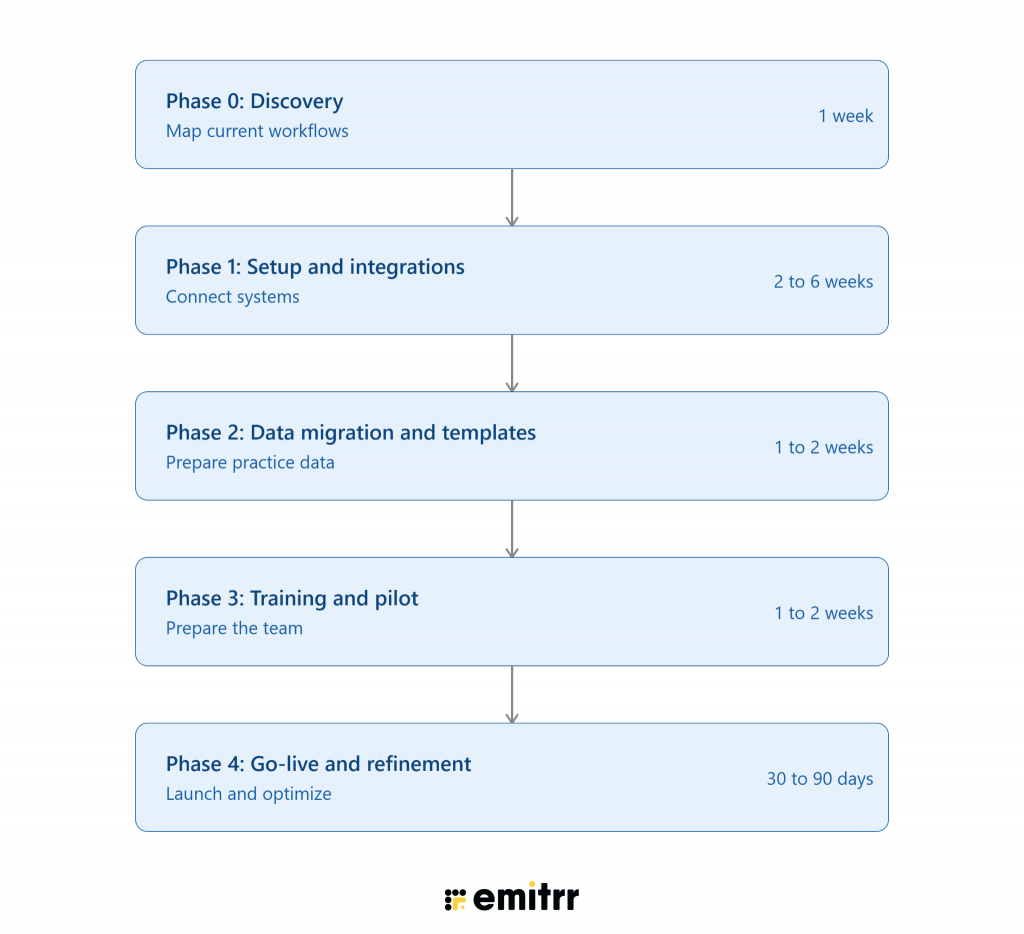
EMR Implementation Roadmap
Key Takeaways
- Neurology EMR selection should be judged on multi-facility coordination and results integration depth, not general documentation features alone.
- Safety-aware call and message triage is a distinctive and consequential need in this specialty, given how often calls describe genuinely urgent symptoms.
- Transcription and AI-assisted documentation support matters more in neurology than in many specialties, given the length and detail of typical neurological exams and histories.
- Imaging and diagnostic test integration should be verified facility by facility, since general interoperability claims do not guarantee automatic results flow from a practice’s specific referral and imaging partners.
- Billing complexity across E&M, procedure, and facility-based coding requires strong RCM tools, and vendors like CGM’s ARIA service specifically emphasize this strength.
- Implementation timelines for multi-facility integration tend to run longer than single-site specialties and should be planned accordingly.
Frequently Asked Questions
The best EMR for neurology depends on your practice’s specialty focus, patient volume, and workflow. Look for neurology-specific documentation, EEG and EMG integration, imaging connectivity, seizure and chronic-condition tracking, referral management, and strong reporting capabilities.
EEG integration can be important for neurology practices that perform electroencephalography. A capable neurology EMR should ideally support importing and storing EEG results, connecting reports to patient records, and making historical studies easy to review.
Neurology EMRs can track chronic conditions through longitudinal patient records, condition-specific templates, medication histories, diagnostic results, assessments, and follow-up documentation. Specialized neurology EMR software may also support disease-specific tracking for conditions such as epilepsy, migraine, Parkinson’s disease, and multiple sclerosis.
Look for neurology-specific documentation templates, EEG and EMG/NCS integration, imaging integration, seizure tracking, cognitive assessments, headache diaries, disease-specific monitoring, referral management, secure messaging, and flexible scheduling.
Neurology EMR pricing varies based on the vendor, number of providers, features, integrations, implementation requirements, and billing or practice-management services. Practices should compare total costs rather than evaluating the subscription price alone.
Some systems can integrate with diagnostic equipment and third-party applications, but compatibility varies by vendor and device. Practices should confirm support for their specific EEG, EMG/NCS, imaging, and diagnostic equipment before selecting a neurology EHR software platform.
Cloud-based neurology EMR software can provide easier remote access, automatic updates, and reduced onsite IT requirements. However, practices should also evaluate security, uptime, integrations, performance, data migration, and vendor support before choosing a cloud-based system.
Yes. Some neurology EMR systems support headache documentation, headache diaries, medication tracking, outcome assessments, and longitudinal monitoring. Practices should verify whether tools such as headache-frequency tracking and migraine-specific templates are built into the platform.
A neurology EHR can support longitudinal MS management by organizing neurological examinations, imaging results, relapse history, medications, and disease-monitoring data. Practices should check whether the system supports structured MS assessments and longitudinal reporting.
A neurology EMR may include portals, reminders, messaging, and other patient-engagement tools. Practices can also use a communication platform such as Emitrr alongside their neurology EMR to automate appointment reminders, follow-ups, recalls, referral communication, and two-way patient messaging.
Conclusion
An EMR for neurology must support the complex coordination involved in neurological care across hospitals, imaging centers, and outpatient clinics, while handling detailed documentation and safety-sensitive patient communication. The key challenges often include fragmented imaging and diagnostic results, high call volumes requiring appropriate triage, and the significant documentation burden created by complex neurological exams.
When evaluating a neurology EMR, prioritize multi-facility integration, diagnostic and imaging connectivity, transcription and documentation support, and workflows that can distinguish routine requests from potentially urgent neurological concerns. The best neurology EMR should also fit your practice’s specific clinical workflows rather than relying solely on generic specialty templates.
Emitrr can complement your neurology EHR as a communication and workflow automation layer, helping streamline call intake, safety-aware routing, appointment reminders, referrals, follow-ups, and transcription-supported communication. Request an Emitrr demo to see how it can work alongside your existing neurology EMR software and support your practice’s communication workflows.

 4.9 (400+
reviews)
4.9 (400+
reviews)