

Introduction
A therapy practice’s operational reality often looks nothing like a medical clinic’s, and that mismatch is where most generic EMR advice falls apart. Many psychologists work as solo practitioners or in group practices built around a mix of full-time clinicians, part-time associates, and 1099 contractors, each billing differently and needing their own scheduling and documentation access without seeing each other’s caseloads. An EMR for psychologists has to handle session notes, treatment plans, and consent with the privacy sensitivity mental health documentation demands, while also supporting a staffing model that looks more like a loose collective than a typical medical practice roster.
The technical landscape compounds this. The two most widely used platforms in this space, TherapyNotes and SimplePractice, both operate with closed or limited APIs, which means most outside communication or workflow tools cannot write appointment changes or clinical data directly back into the record. Practices end up relying on manual confirmation workflows, middleware, or accepting that some automation simply is not possible without a browser-based workaround. Combined with per-user or per-clinician pricing that can get expensive fast in a contractor-heavy practice, and the reality that mental health communication itself deserves a different level of privacy discipline than a routine appointment reminder, it’s clear why psychology needs its own EMR evaluation framework. This guide covers the blockers specific to mental health practices, the features that matter, how leading systems compare, and how to evaluate vendors before committing.

AI Summary
- The defining requirement for an EMR for psychologists is supporting a staffing model with full-time clinicians, part-time associates, and 1099 contractors, each needing appropriately scoped access, not a single-provider medical practice structure.
- The most significant blocker is closed or limited APIs from the two dominant platforms (TherapyNotes and SimplePractice), which restricts outside communication tools to manual confirmation workflows rather than true two-way scheduling write-back.
- Secure, privacy-sensitive communication (session reminders, intake, and consent handled with appropriate discretion) is the most important feature category, given how differently mental health communication needs to be handled compared to routine medical reminders.
- Integration diligence should focus on whether any automation is native, middleware-based, or a browser extension workaround, since these carry very different reliability and data-handling implications.
- Practices should weigh per-user or per-clinician pricing carefully against their actual staffing mix, since a contractor-heavy group practice can face costs that scale very differently than a solo practice expects.
Which EMR for Psychologists Is Right for You? TL;DR
| EMR | Best Suited For | Key Strengths | Potential Consideration |
| TherapyNotes | Psychotherapy practices wanting a dedicated behavioral health platform | Purpose-built clinical notes, treatment planning, scheduling, and billing for psychotherapy | Behavioral health focus means less flexibility for practices with broader medical needs |
| OptiMantra | Behavioral health organizations needing structured documentation plus admin depth | Combines clinical documentation with strong scheduling and practice operations | May offer more administrative complexity than smaller solo practices need |
| TheraPlatform | Therapists wanting EHR and telehealth combined in one platform | Integrated telehealth alongside documentation, scheduling, and billing | Telehealth-centric design may be less relevant for in-person-only practices |
| OmniMD | Multi-specialty organizations that also serve behavioral health patients | Broad interoperability and configurable workflows across specialties | Not behavioral-health-first, so setup/configuration is needed for therapy workflows |
| Valant | Organizations wanting an EHR designed specifically for psychiatric/behavioral care | Deep treatment planning, reporting, and psychiatric-specific documentation | Specialized focus may feel like more structure than small solo practices need |
| TheraNest | Individual therapists and counselors needing a focused, easy-to-manage platform | Straightforward clinical documentation, treatment plans, and client management | Less suited for larger organizations needing enterprise-level scale |
| Tebra | Independent practices wanting broader practice management beyond behavioral health | Strong revenue cycle and patient engagement tools alongside core EHR functions | Not behavioral-health-specific, so therapy-specific workflows may require adaptation |
Challenges for Psychology Clinics
Closed APIs on the two dominant platforms limiting outside automation
TherapyNotes and SimplePractice, the two most widely used mental health EHRs, generally operate with closed or limited APIs, meaning most outside scheduling, communication, or reporting tools cannot connect directly for two-way data exchange. This matters because it constrains what automation is realistically possible: a practice wanting to automate reminders or intake based on real-time appointment data may find that direct EHR write-back simply is not available, regardless of which outside tool they choose. Practices should verify current API access directly with the vendor, understanding that “integration available” often means a narrower connection than full two-way write-back.
Manual confirmation workflows replacing native scheduling write-back
Because of the closed-API reality above, many practices end up relying on manual confirmation workflows: a patient confirms an appointment change through a text or email, and staff then manually update the EHR calendar to match. This creates a real risk of the two systems drifting out of sync if a confirmation is missed or delayed, particularly in a busy group practice with several clinicians’ calendars to manage.
Contractor-heavy and part-time staffing models that do not map cleanly to per-user pricing
Many psychology practices are structured around a mix of full-time clinicians and part-time associates, each seeing a different caseload volume. Per-user or per-clinician pricing, common across mental health EHRs, can become expensive quickly for a practice with many part-time or low-caseload contractors, since the cost does not necessarily scale with actual usage. Practices should model their real staffing mix against each vendor’s specific pricing structure, since a platform that looks affordable for a five-clinician full-time group may be substantially more expensive for a practice with fifteen part-time contractors.
Privacy-sensitive communication needs that differ from routine medical reminders
Mental health communication carries a different privacy weight than a routine medical appointment reminder. A text message referencing a therapy appointment, a missed session, or a treatment detail can be more sensitive if seen by someone other than the intended recipient than an equivalent message from a primary care office. Practices should verify how secure a communication channel actually is (secure chat with authentication, versus standard SMS) and what discretion options exist, such as a generic sender or message language that does not reveal clinical details.
Patient portal dependence and technology adoption gaps for older patients
Mental health practices often see patients across a wide age range, and dependence on a patient portal for scheduling, forms, or secure messaging can create real friction for patients less comfortable with technology. If the EHR’s only communication and intake pathway runs through a portal login, practices may need a fallback process (phone-based intake, paper forms) for patients who struggle to adopt it, which the EHR itself typically does not manage.
Must-Have EMR Features for Psychologists
- Flexible Clinical Documentation: Look for customizable templates for intake assessments, progress notes, treatment plans, termination summaries, and different therapy formats such as SOAP, DAP, and BIRP.
- Psychological Testing and Assessments: If you conduct evaluations, choose an EMR that supports testing documentation, scoring summaries, assessment reports, and multi-session evaluation workflows for psychologist EHR software.
- Treatment Planning and Outcome Tracking: The EMR should connect treatment goals with interventions, progress tracking, and updated care plans throughout the client relationship.
- Risk and Crisis Documentation: Look for dedicated workflows for safety assessments, crisis documentation, safety plans, risk-level changes, and critical incidents with audit trails in mental health electronic medical records software.
- Secure Client Portal: A secure portal should support digital intake forms, electronic signatures, secure texting, document exchange, and client information updates for an EHR for a private practice therapist.
- Scheduling and Client Engagement: Choose scheduling that supports recurring appointments, waitlists, self-scheduling, automated reminders, and telehealth links in an EMR for therapists.
- Billing and Insurance: The EMR should support superbills, claims, eligibility checks, payment processing, payment plans, and reporting for accounts receivable and claim status. Authorization tracking and alerts for remaining sessions can also help prevent unexpected denials and billing delays.
- CPT Code Support: Make sure the system supports therapy, psychological testing, and neuropsychological evaluation codes, including time-based add-on codes. Accurate coding workflows can reduce claim errors and make billing for evaluation services easier to manage in a psychotherapy EMR.
- Supervisory and Group Therapy Workflows: Practices with supervisors or group sessions should look for co-signatures, role permissions, locked notes, attendance tracking, and individualized group documentation in therapist EMR software.
- HIPAA and Data Security: Verify encryption, role-based access controls, audit trails, disaster recovery practices, and a signed Business Associate Agreement with the vendor when evaluating EHR systems for therapists.
- Psychotherapy Notes Management: The system should provide a separate area for psychotherapy notes and distinguish them from standard progress notes in the medical record when choosing the best mental health EHR.
- Reporting and Practice Insights: Useful dashboards should cover appointments, patient volume, provider productivity, revenue, outstanding balances, and clinical outcomes when evaluating the best EMR for therapists.
- Mobile Accessibility: A reliable mobile app or responsive web interface can help psychologists review information and complete documentation when working away from a desktop in therapist EHR software.
Best EMRs for Psychologists: Detailed Analysis
- TherapyNotes
- OptiMantra
- Theraplatform
- OmniMD
- Valant
- TheraNest
- Tebra
| EMR | Core Focus | Standout Capability |
| TherapyNotes | A behavioral health-focused EMR for psychologists built around documentation, scheduling, billing, and practice management for mental health professionals | Therapy-specific clinical notes and treatment planning tailored to psychotherapy workflows |
| OptiMantra | A mental health EHR software covering clinical documentation, scheduling, billing, and operations for behavioral healthcare organizations | Strong administrative and practice-management depth alongside clinical documentation |
| TheraPlatform | A therapist-focused EMR for therapists combining documentation, scheduling, billing, and telehealth in one platform | Built-in telehealth functionality integrated directly with clinical and billing workflows |
| OmniMD | A multi-specialty cloud EHR supporting mental health electronic medical records needs alongside broader practice types | Configurable workflows and interoperability across specialties, not just behavioral health |
| Valant | A dedicated psychologist EHR software built specifically for mental and behavioral healthcare documentation and operations | Purpose-built treatment planning and reporting designed around psychiatric and therapy care |
| TheraNest | A therapist EHR software platform for therapists, counselors, and psychologists covering documentation, scheduling, and billing | Simple, focused environment well-suited to individual providers and small practices |
| Tebra | A broader practice management and best mental health EHR software option combining EHR, billing, and patient engagement | Strong revenue cycle and patient engagement tools built for independent practice operations |
1. TherapyNotes
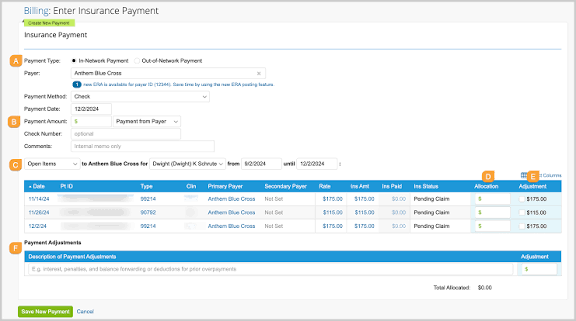
TherapyNotes is a behavioral health-focused platform designed around the documentation, scheduling, billing, and practice management needs of mental health professionals. Its therapy-specific workflows make it a strong option for practices looking for an EMR for psychologists rather than a general-purpose EHR. The platform supports clinical notes, treatment planning, appointment management, billing, and documentation workflows commonly used in psychotherapy practices, making it relevant for psychologists comparing best EHR for therapists options.
With Emitrr, practices can extend TherapyNotes workflows with automated two-way patient communication. Appointment reminders, confirmations, follow-ups, patient recalls, and other routine messages can be automated, helping reduce manual outreach and making therapist EMR software workflows more efficient.
2. OptiMantra
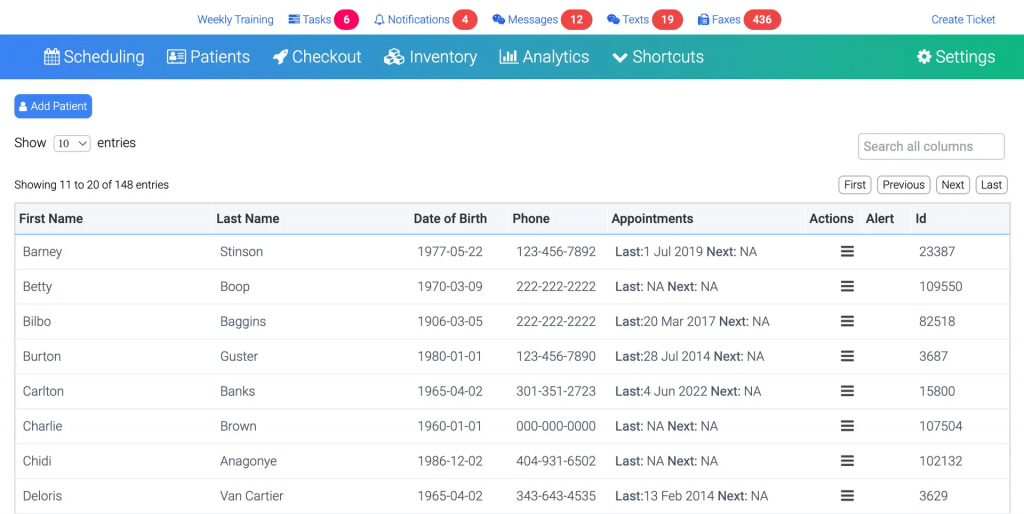
OptiMantra is a behavioral health EHR and practice management software designed to support mental and behavioral healthcare organizations. Its capabilities cover clinical documentation, scheduling, billing, patient management, and practice operations, making it relevant for organizations looking for mental health EHR software with broader administrative functionality. For psychologists and therapists managing recurring appointments and structured clinical documentation, OptiMantra can serve as an EHR system for therapists that brings core workflows into one platform.
With Emitrr, practices can add automated patient communication around OptiMantra workflows. Two-way texting can support appointment confirmations, reminders, follow-ups, and patient outreach, reducing the need for staff to handle routine calls manually.
3. TheraPlatform
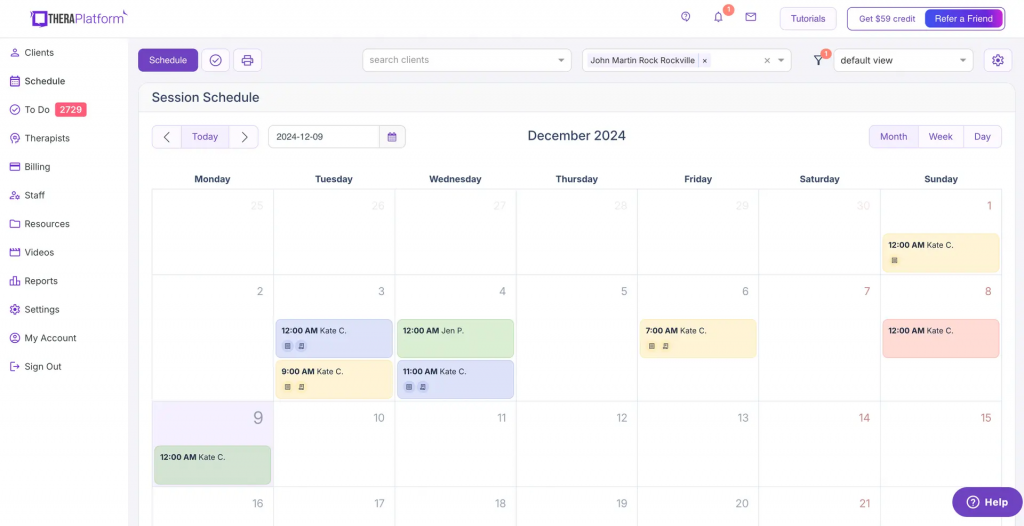
TheraPlatform is a behavioral health platform built for therapists and mental health professionals, combining EHR capabilities with telehealth and practice management functionality. Its focus on therapy documentation, scheduling, telehealth, billing, and patient management makes it a practical choice for practices evaluating an EMR for therapists or an EHR for private practice therapist workflows. Its behavioral health orientation also makes it relevant for practices searching for psychotherapy EMR solutions that can support both clinical and administrative processes.
With Emitrr, practices can complement TheraPlatform with automated two-way communication. Appointment reminders, confirmations, follow-ups, and re-engagement messages can be triggered around patient workflows, helping therapists spend less time on repetitive communication.
4. OmniMD
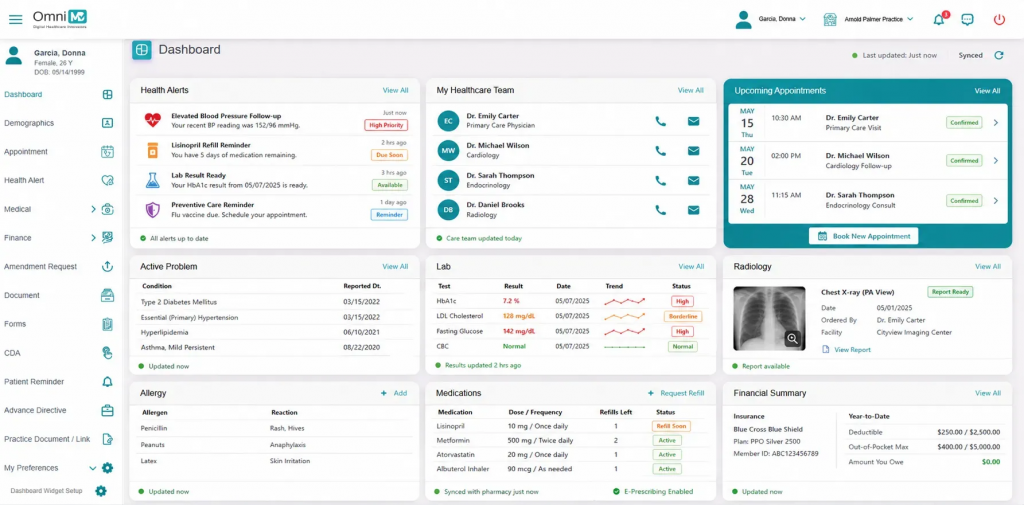
OmniMD is a cloud-based EHR and practice management platform that supports multiple specialties, including behavioral and mental healthcare workflows. Its combination of clinical documentation, scheduling, billing, patient management, and interoperability makes it suitable for organizations that need more than basic charting. For practices comparing mental health electronic medical records software, OmniMD can provide a broader operational platform while allowing workflows to be configured around psychologists, therapists, and other behavioral health providers.
With Emitrr, practices can add automated two-way communication to OmniMD-connected patient workflows. Reminders, confirmations, appointment-related messages, recalls, and follow-ups can be automated, helping reduce repetitive calls and improve patient responsiveness.
5. Valant
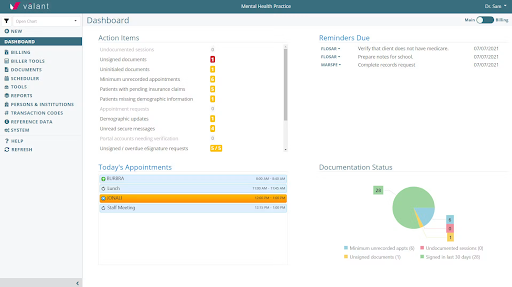
Valant is a behavioral health EHR designed specifically for mental and behavioral healthcare organizations. Its platform brings together clinical documentation, treatment planning, scheduling, billing, reporting, and other practice management workflows, making it a strong consideration for organizations looking for psychologist EHR software or a dedicated best mental health EHR. Its behavioral health focus can be particularly useful for practices that need documentation and operational workflows designed around therapy and psychiatric care rather than adapting a general medical EHR.
With Emitrr, Valant users can add automated two-way patient communication around scheduling and engagement workflows. Practices can automate reminders, confirmations, follow-ups, and other routine outreach while giving patients a way to respond through text.
6. TheraNest
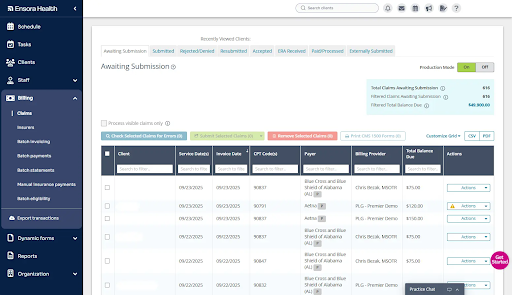
TheraNest is a behavioral health practice management and EHR platform built for therapists, counselors, psychologists, and other mental health professionals. Its capabilities include clinical documentation, treatment plans, scheduling, billing, client management, and reporting, making it a relevant therapist EHR software option for individual providers and behavioral health practices. For practices comparing the best EMR for therapists, TheraNest offers a focused environment for managing therapy documentation alongside everyday administrative workflows.
With Emitrr, practices can add automated two-way texting to their patient communication workflows. Appointment reminders, confirmations, follow-ups, and reactivation messages can be automated so therapists and front-office teams do not have to depend on repeated phone calls.
7. Tebra
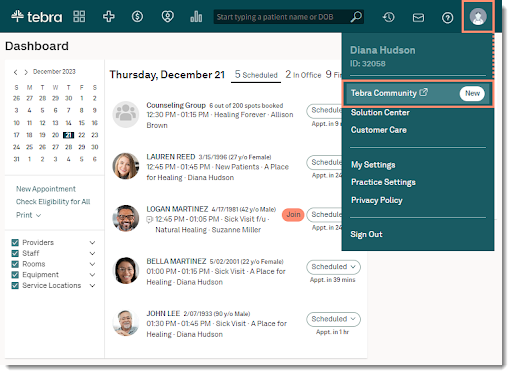
Tebra combines EHR, practice management, billing, scheduling, and patient engagement capabilities in a broader platform designed for independent healthcare practices. While it is not limited to behavioral health, its practice management and patient communication capabilities can make it relevant for psychologists and therapists evaluating best mental health EHR software for an independent or private practice. Tebra can be particularly useful for practices that want mental health EHR software alongside broader operational and revenue cycle capabilities.
With Emitrr, practices can build on Tebra’s core workflows with automated two-way communication. Reminders, confirmations, recalls, follow-ups, and other patient messages can be automated, helping private practices improve responsiveness without adding more manual work for staff.
How Emitrr Works Alongside Your Psychology EMR
- Works With Read-Only EMRs: If your EMR has limited or read-only integration capabilities, Emitrr can collect structured information through forms or AI collectors and create staff tasks or cases instead of attempting direct write-back. This helps avoid data conflicts while reducing missed leads and manual follow-up.
- Adapts to Complex Scheduling Rules: When psychology EMR scheduling is difficult to automate, Emitrr can support custom scheduling logic based on provider availability, fees, appointment blocks, and practice-specific rules. This allows AI-driven workflows to follow the scheduling rules your practice already uses.
- Supports Limited EHR Integrations: Many mental health EHR systems, including TherapyNotes and SimplePractice, have closed or limited APIs. Depending on the available integration, Emitrr can use workflows such as forms, CSV processes, or browser-based tools, while some appointment changes may still require staff to update the EMR manually.
- Automates Patient Communication: Emitrr can automate appointment reminders, confirmations, follow-ups, and other two-way texting workflows around your existing EMR. Digital patient intake and consent forms can also be sent before appointments, with structured data mapped into the EMR where supported or routed to staff for manual entry when direct integration is unavailable.
- Handles Privacy-Sensitive Communication: Secure chat and OTP workflows can provide additional discretion for sensitive mental health communication. Practices can use two-way messaging for routine scheduling and administrative communication while routing clinical or sensitive questions to appropriate staff.
- Keeps Existing Phone Numbers Connected: When carriers or corporate policies create restrictions around texting, Emitrr can support number hosting, porting, 10DLC registration, or hybrid forwarding options. This can help practices enable SMS without unnecessarily disrupting existing voice services.
- Provides Flexible Deployment Options: If corporate policies prevent a full EMR integration, practices can start with a pilot, hosted texting, or location-specific deployment. These options can make it easier to introduce communication automation within larger or multi-location psychology organizations.
- Supports Consent and Compliance Workflows: Emitrr can provide sample consent and privacy language and help practices address requirements needed for messaging and carrier verification. Practices should still review these materials with their legal or compliance teams and ensure they accurately reflect their own policies.
- Creates Human Handoffs for Sensitive Requests: AI receptionist and AI intake workflows can collect basic scheduling or administrative information and route complex or sensitive questions to staff. This keeps automation focused on appropriate tasks rather than attempting to handle sensitive clinical conversations independently.
- Works Around Closed EMR Write-Back: When direct write-back is unavailable, Emitrr should not be assumed to automatically update the psychology EMR or create clinical records. Confirm the specific integration capabilities with your EMR vendor and use staff tasks or manual updates where native write-back is not supported.
EMR Implementation Roadmap
Key Takeaways
- Psychology EMR selection should be judged on how well a system supports the practice’s actual staffing model, full-time, part-time, and contractor clinicians, not a single-provider medical practice structure.
- The closed or limited APIs on TherapyNotes and SimplePractice, the two dominant platforms, are the most significant structural blocker to outside communication and scheduling automation in this specialty.
- Privacy-appropriate communication, distinct from routine medical reminders, is a meaningful feature category given the sensitivity of mental health content.
- Per-user or per-clinician pricing should be modeled against a practice’s real staffing mix, since contractor-heavy practices can face costs that scale differently than expected.
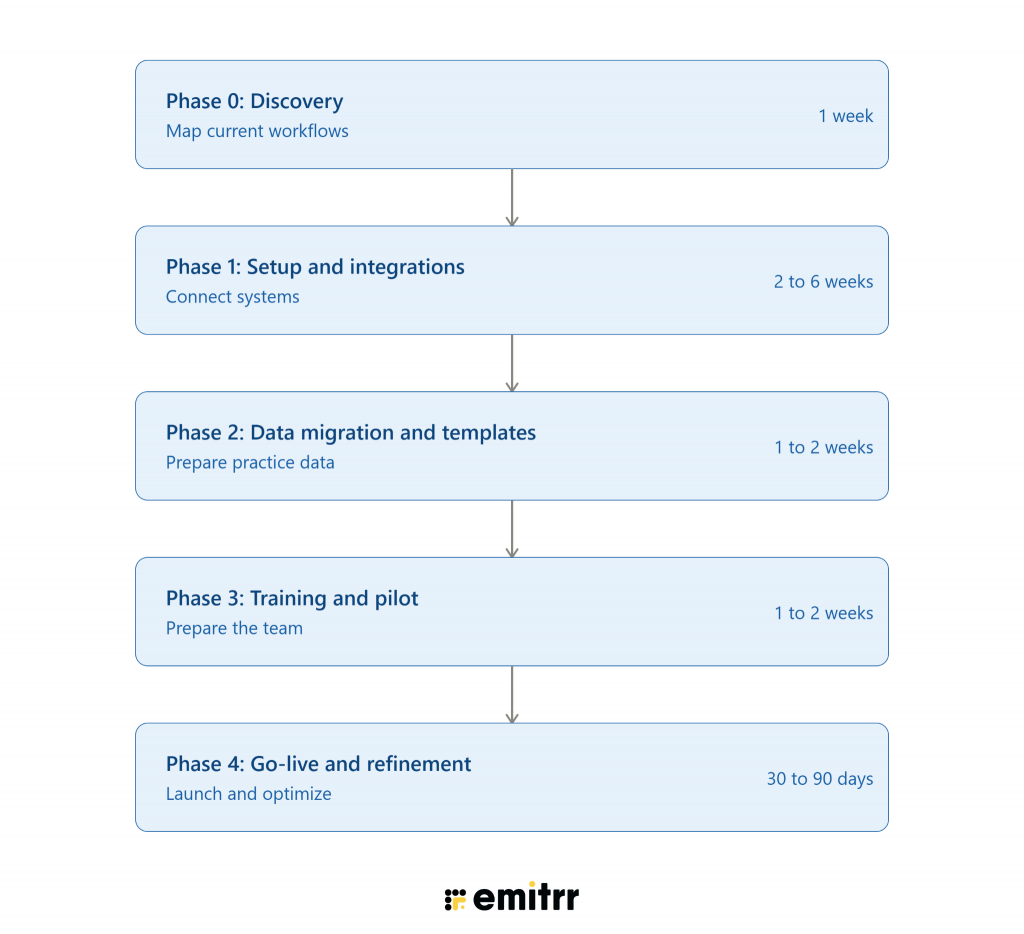
- Implementation timelines depend on the number of clinicians needing individual setup and the complexity of the practice’s payer mix, and should be treated as planning ranges rather than guarantees.
FAQs
Not usually for private-practice psychologists, especially solo or out-of-network providers. However, it can be valuable if your practice frequently exchanges records with hospitals, medical practices, or other healthcare systems when evaluating EHR systems for therapists.
You can store materials when your license permits it, and the system provides appropriate security controls. Avoid sharing publisher-protected testing content through client portals or unsecured channels, particularly when choosing psychologist EHR software.
Yes, when the vendor handles protected health information on your practice's behalf. Before using a telehealth platform, confirm that the BAA covers the service and relevant subprocessors to support a mental health EHR software environment.
No. HIPAA distinguishes psychotherapy notes from standard progress notes, and psychotherapy notes receive additional privacy protections. Check how your psychotherapy EMR separates, stores, and controls access to these records.
Record-retention requirements vary by state, professional licensing rules, and payer contracts. When selecting an EMR for therapists, confirm that it supports appropriate retention policies and allows records to be exported when needed.
Do psychologists need to provide Good Faith Estimates? Generally, providers must give self-pay and certain uninsured clients a Good Faith Estimate of expected charges under the No Surprises Act. Your best mental health EHR should make it easy to create, deliver, and retain these documents.
AI documentation tools should have appropriate privacy safeguards, including a BAA when they handle PHI, and should provide clear controls around data use. Psychologists should also review AI-generated documentation for accuracy before adding it to their mental health electronic medical records software.
Before signing a contract, confirm how you can export your complete client records, the available formats, associated costs, and the post-termination access period. Strong data portability is an important consideration when comparing the best EMR for therapists.
Conclusion
An EMR for psychologists needs to support the unique structure of behavioral health practices, including recurring therapy sessions, flexible clinician models, sensitive documentation, and privacy-focused patient communication. The most important considerations are flexible documentation, secure communication, scheduling, billing, interoperability, and data portability. Evaluate each platform against your staffing model, payer mix, clinical workflows, and integration requirements before making a decision.
Once your EMR is in place, Emitrr can help automate patient communication across reminders, confirmations, follow-ups, and other routine workflows. Book an Emitrr demo to see how your psychology practice can reduce manual outreach and improve patient engagement.

 4.9 (400+
reviews)
4.9 (400+
reviews)